Based on the linked source; automatically prepared and checked against the original report.
Different forms of exclusion
A fifth wave of Motability’s EV Transition Tracker, conducted with More in Common, found 60% of disabled Motability Scheme customers and 59% of the wider public feel excluded from the UK’s electric-vehicle transition. The findings indicate different pressures: affordability leads among the public, while disabled drivers also report practical charging barriers.
Charging and mobility concerns
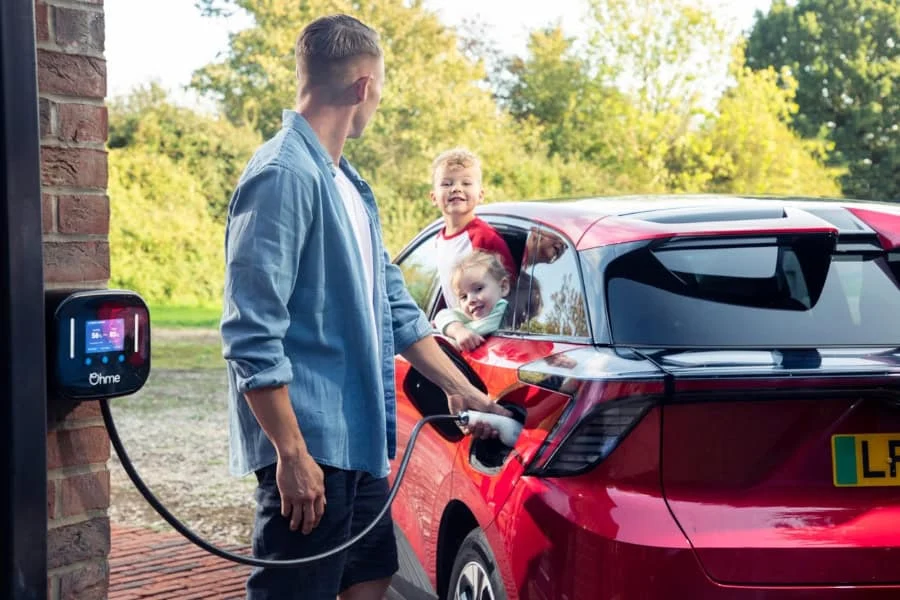
Home charging is unavailable to 39% of disabled customers, while 26% cite an EV’s upfront price. Among Scheme customers who have driven electric vehicles, 31% identify cable weight, ease of use or difficulty reaching bays because of their width as a key concern. The source links these barriers to everyday mobility.
Motorway network findings
Motability Operations commissioned an independent surveyor to assess bays at 95% of Britain’s motorway service stations. Of 1,166 bays assessed, 28.6% met the stated accessibility threshold of at least 360 centimetres total width under British Standards. Eleven service stations had no accessible bays. The North East recorded 16%, compared with 43% in the East of England and 40% in the North West.