POWERCHAIR · MODEL DETAILS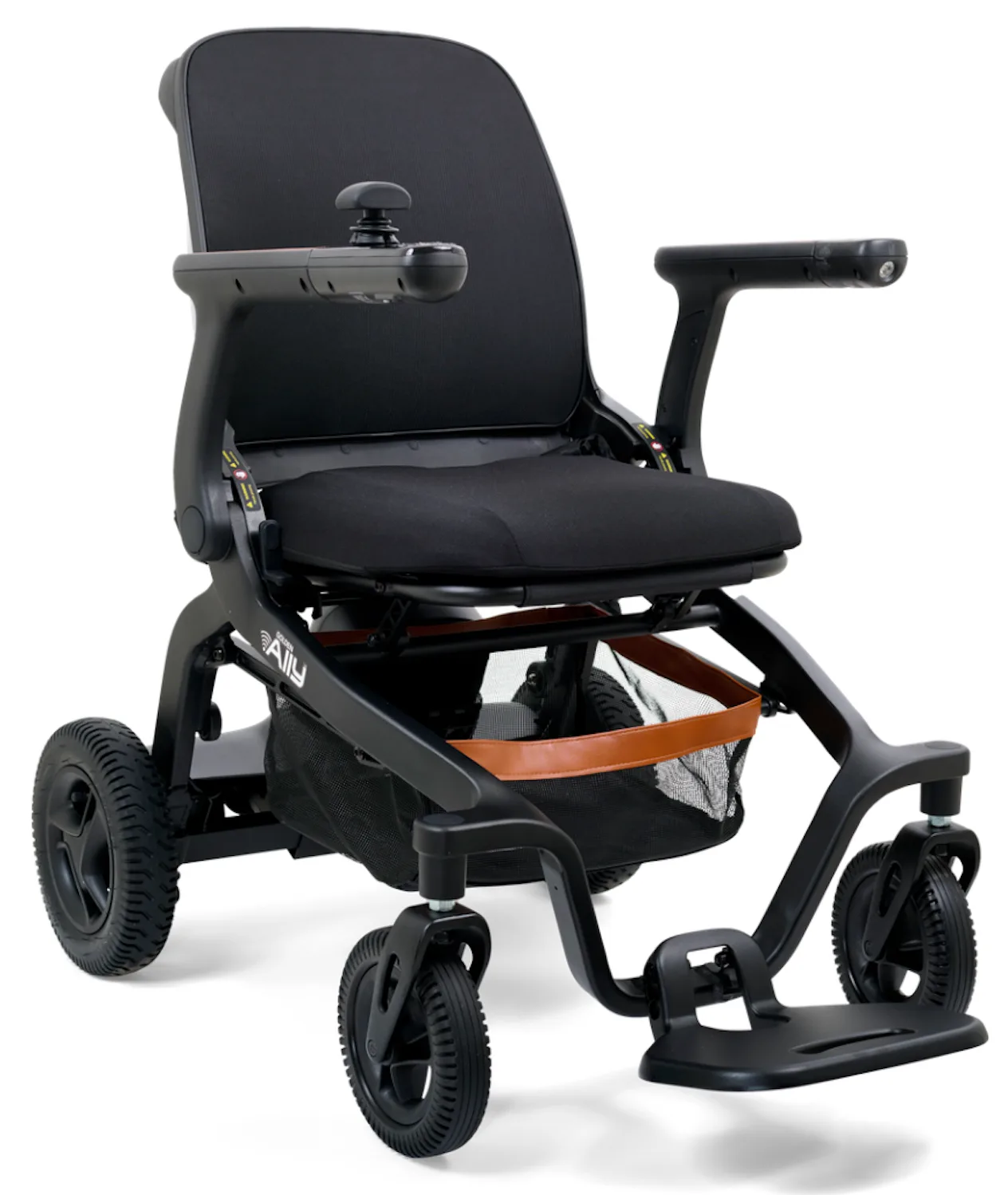
RobooterExplore this chair
E80
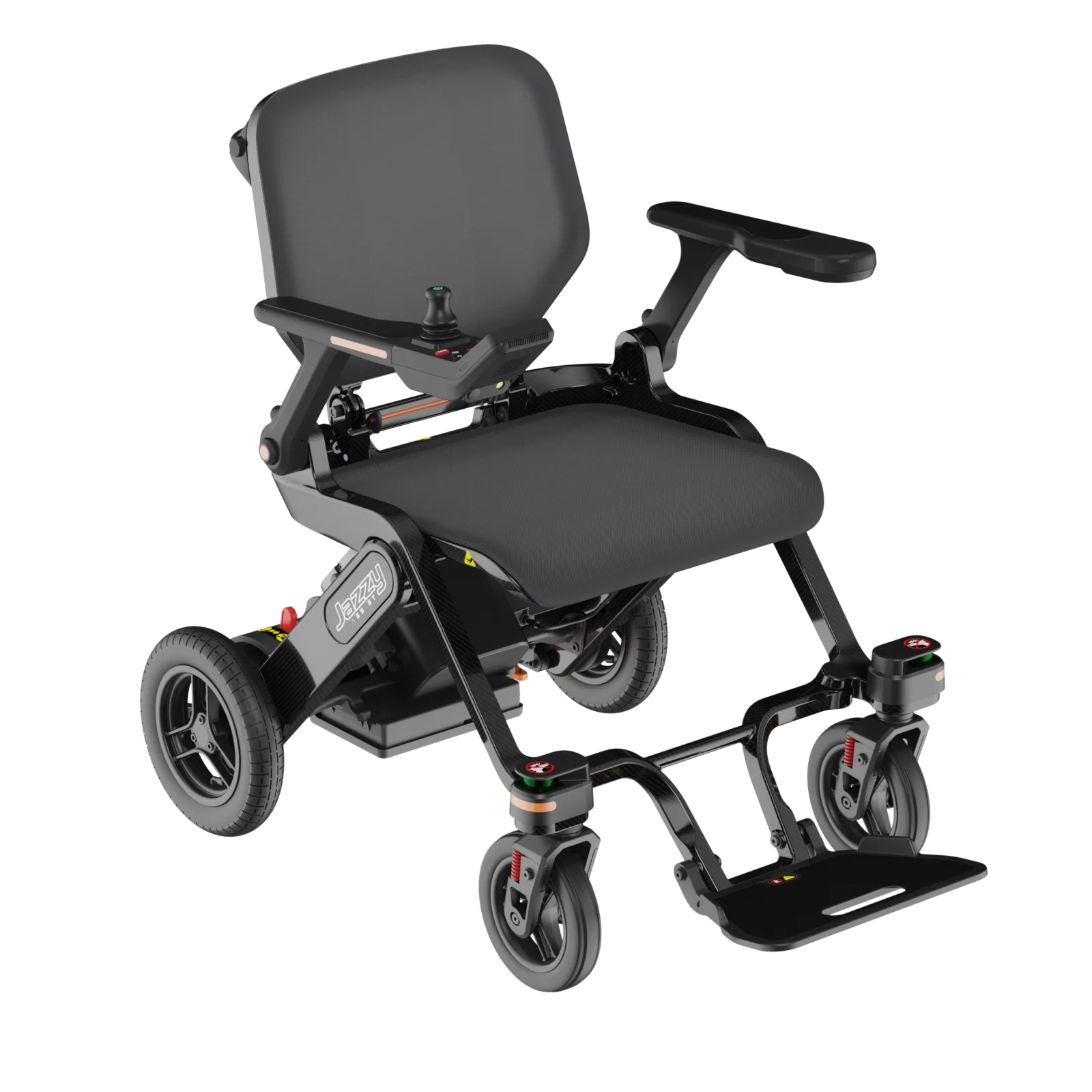
A carbon-fibre design with a 16.2 kg weight without battery.
Mobile app / wireless remoteRemote control
Personalised driving settingsControl features

Think about the places you go and the things you do. Explore the options at your own pace.
Choose a topic, set your requirements and compare the same measurements across models.
Ask about the trigger, recipient, connection, delivery confirmation and fallback. Confirm whether any monitored response service is included; do not assume it is.
Ask whether the function assists steering, only warns, or intervenes in motion. Check doorway conditions, user override and limitations for the exact model and market.
Distinguish a warning from automatic slowing or stopping. Request a demonstration of the exact function, its operating conditions and how the user stays in control.
Compare the widest part of the chair with the clear opening of your door. Seat width alone cannot tell you whether a chair will pass through.
Seat width and overall chair width serve different purposes. Consider the cushion, armrest position and your preferred seating setup together.
A carbon-fibre design with a 16.2 kg weight without battery.
A folding powerchair. Seat width: 16". Turning radius: 30.00".
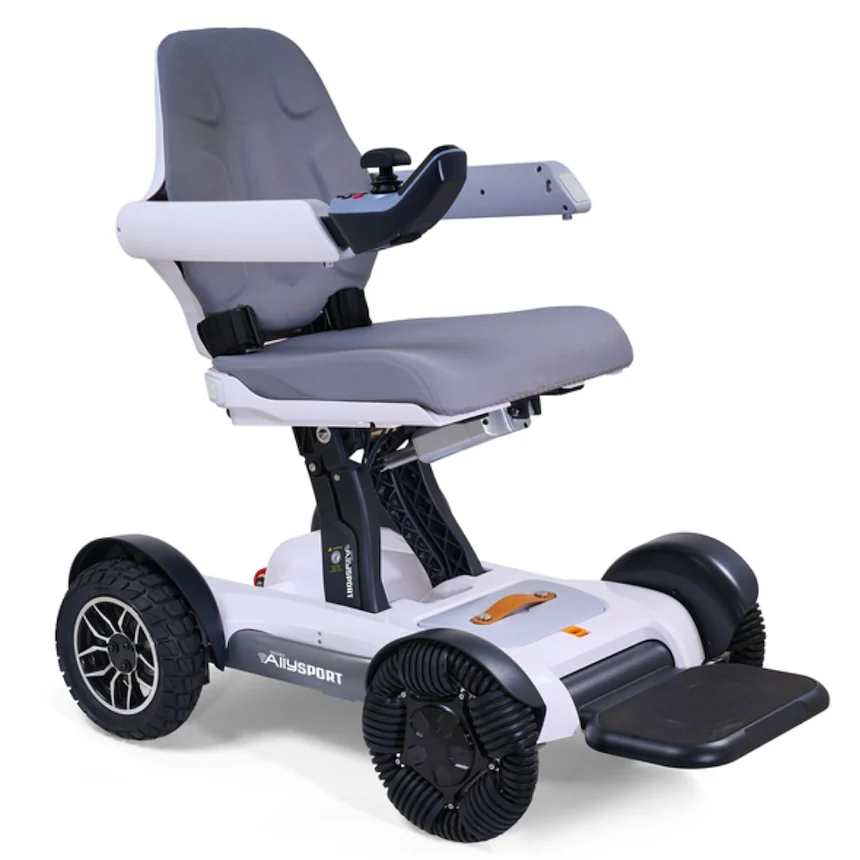
A folding powerchair. Seat width: 17". Turning radius: 28.5".
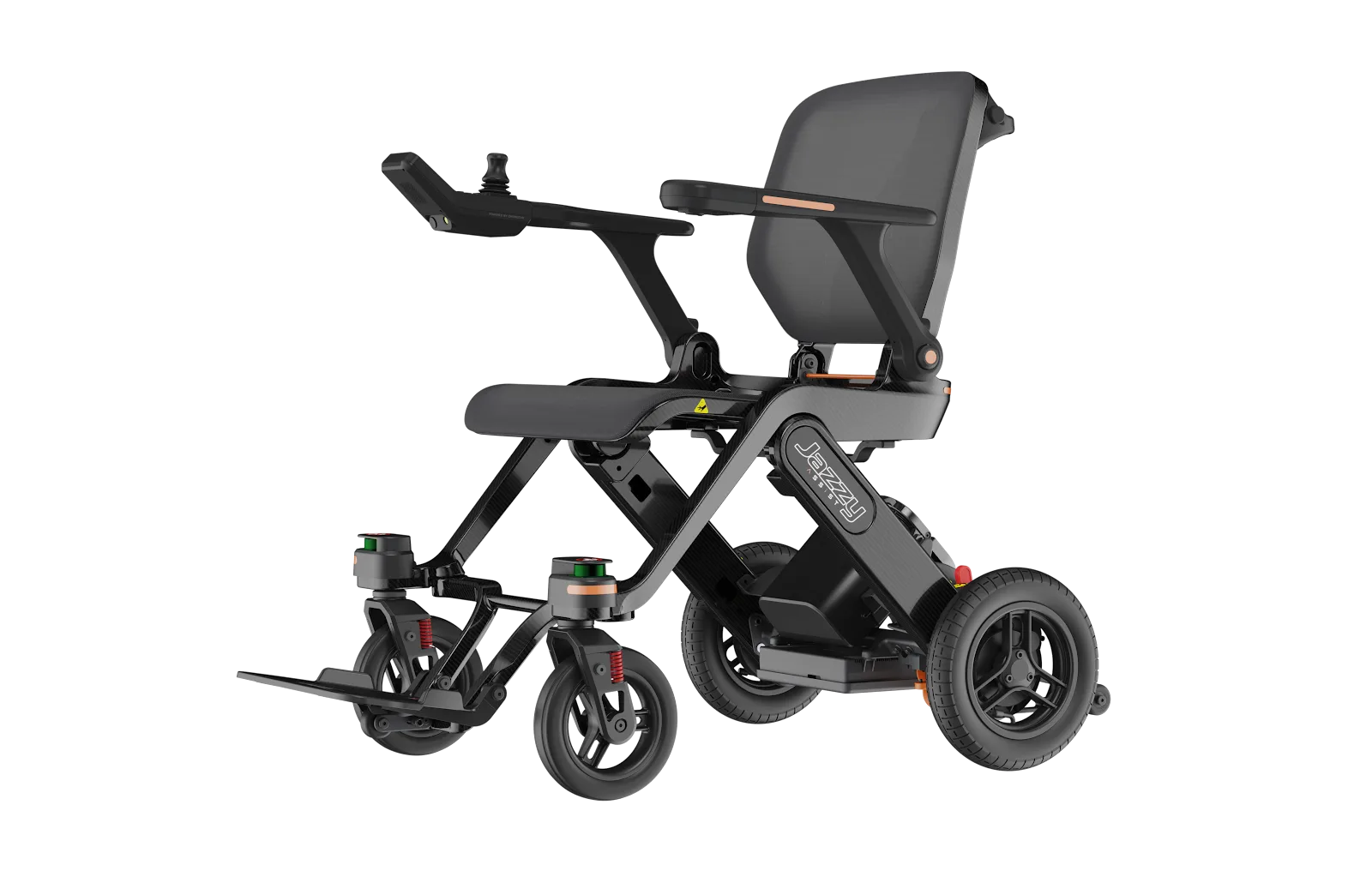
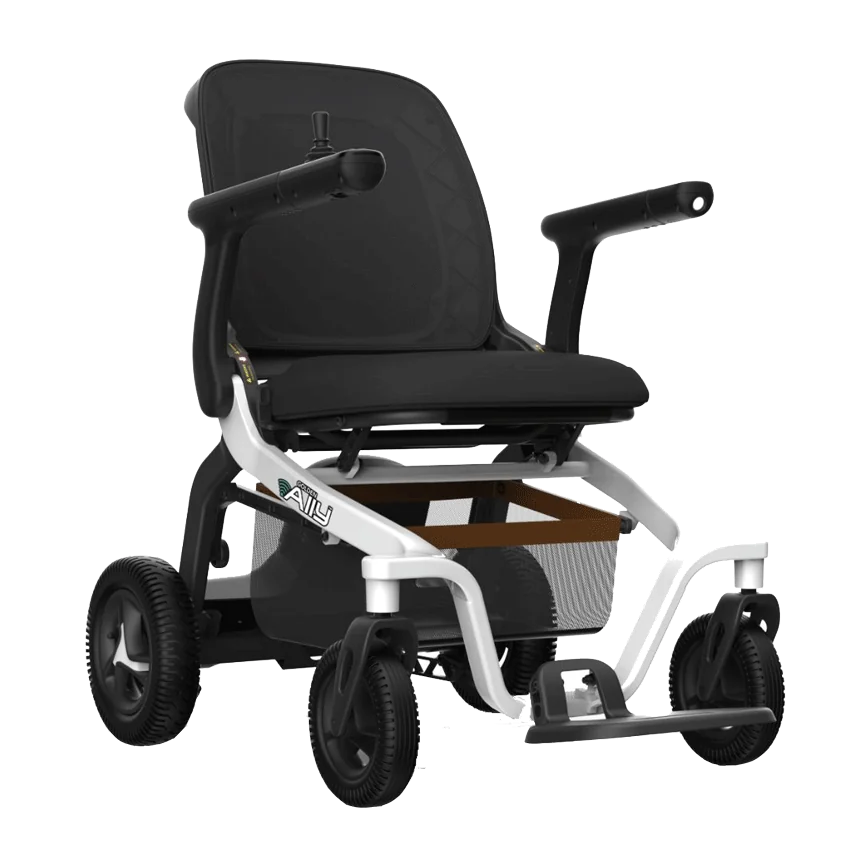
A carbon-fibre folding chair, designed around everyday independence.
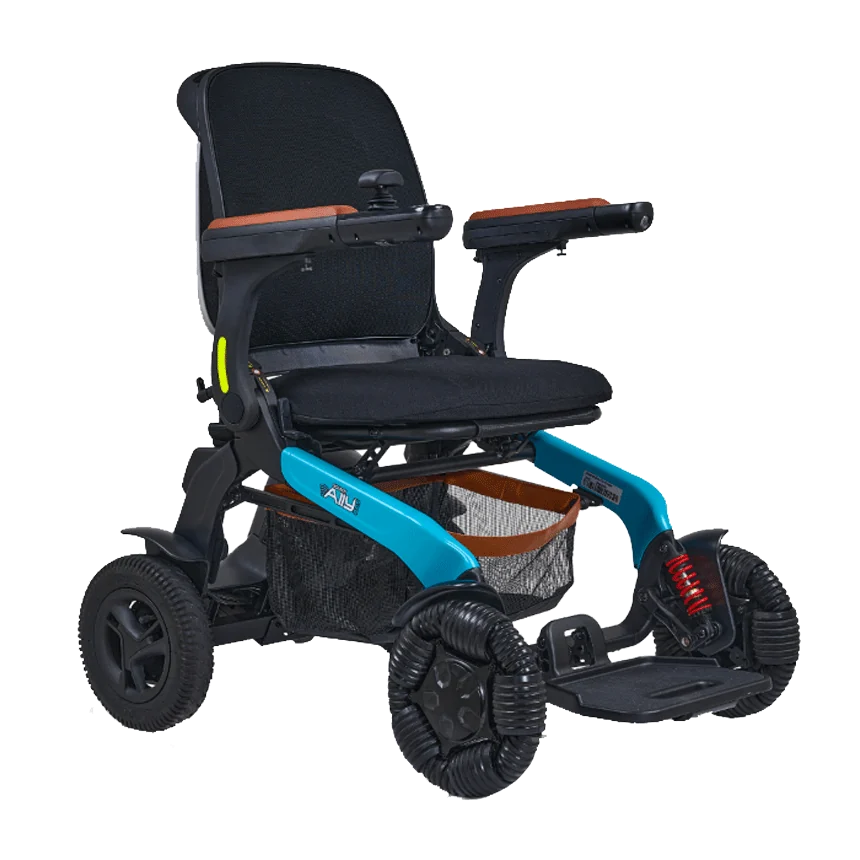
A folding powerchair. Seat width: 17". Turning radius: 37.00".
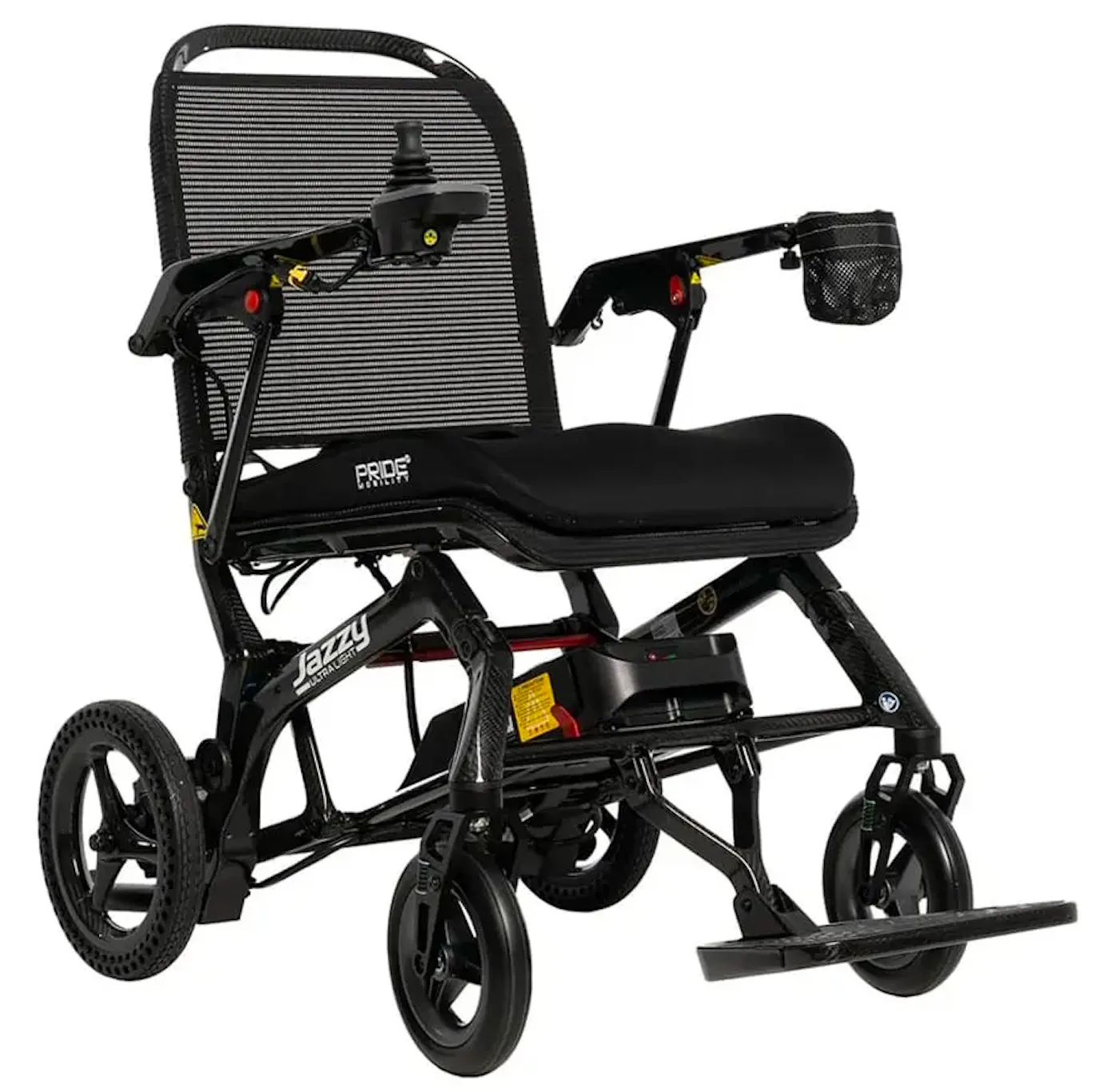
A carbon-fibre frame with two battery configurations to consider.
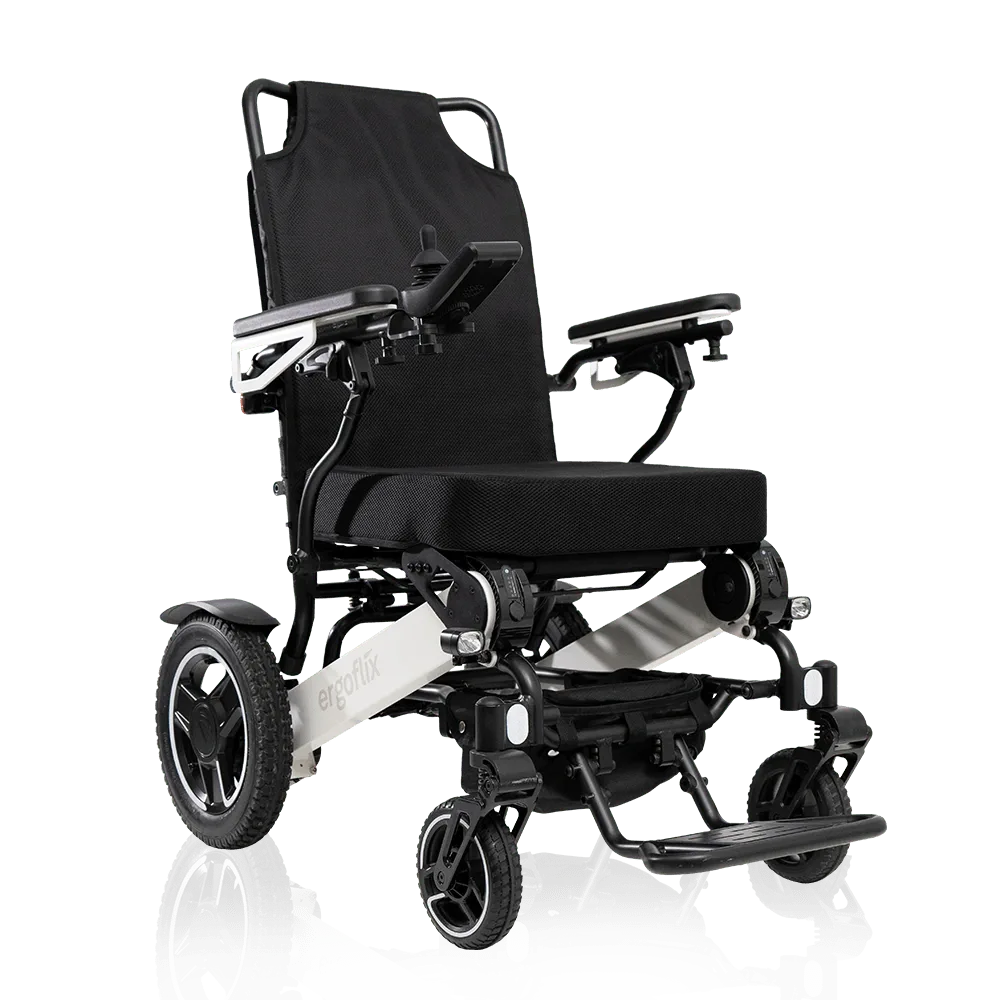
A folding aluminium design with a dual-battery configuration.
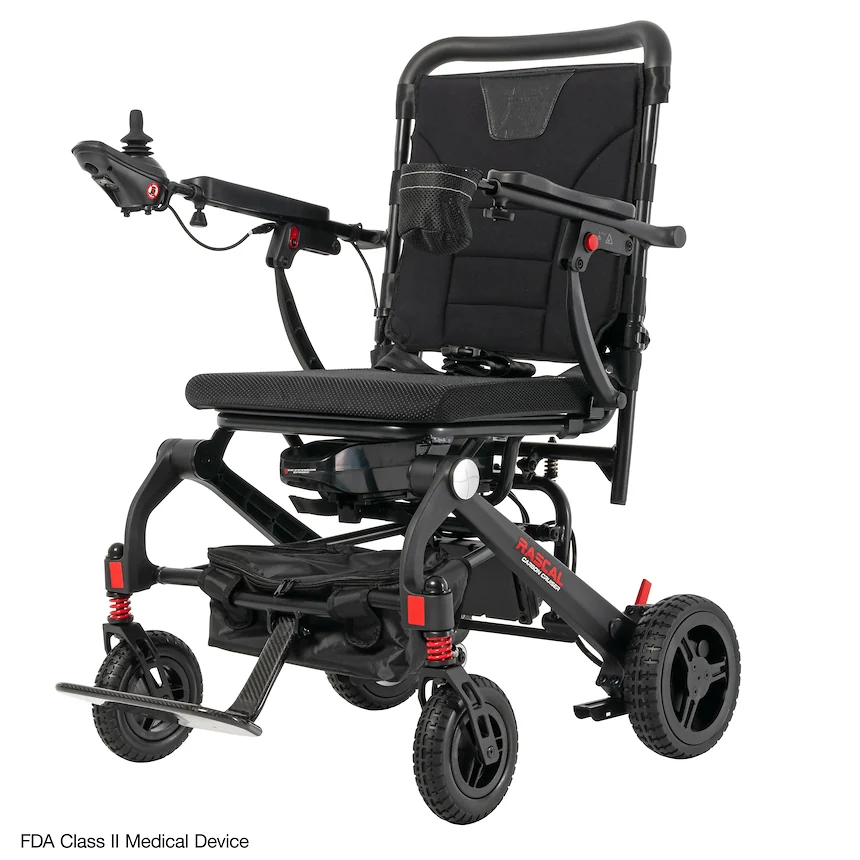
A folding powerchair. Seat width: 17". Turning radius: 31.00".
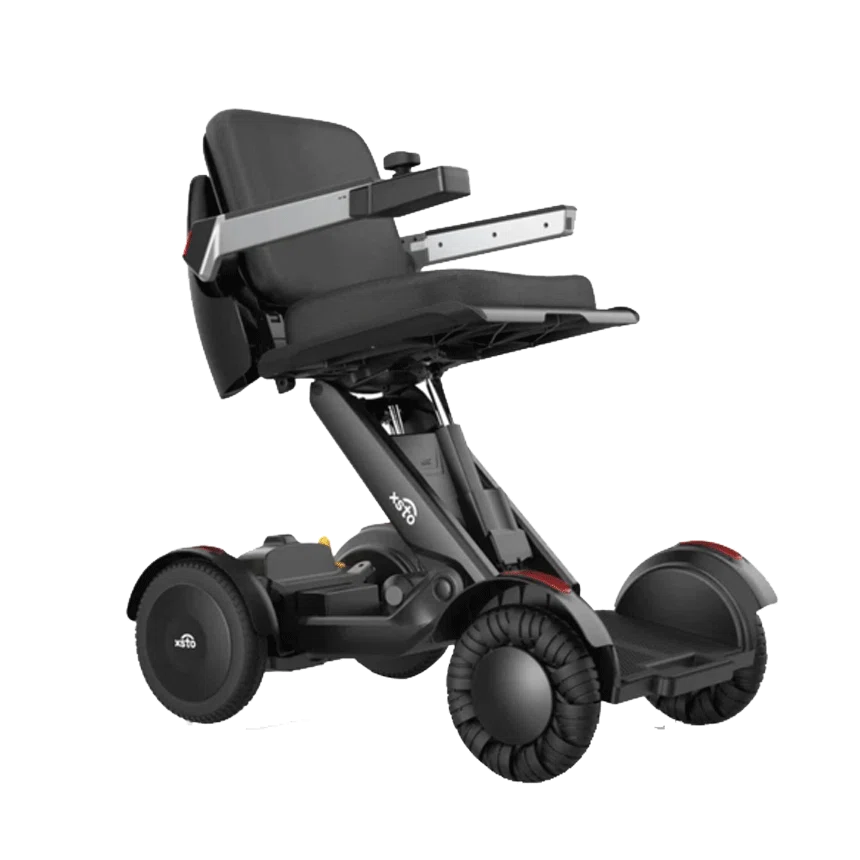
A powerchair with a disassembling transport configuration. Seat width: 17". Turning radius: 30.7".
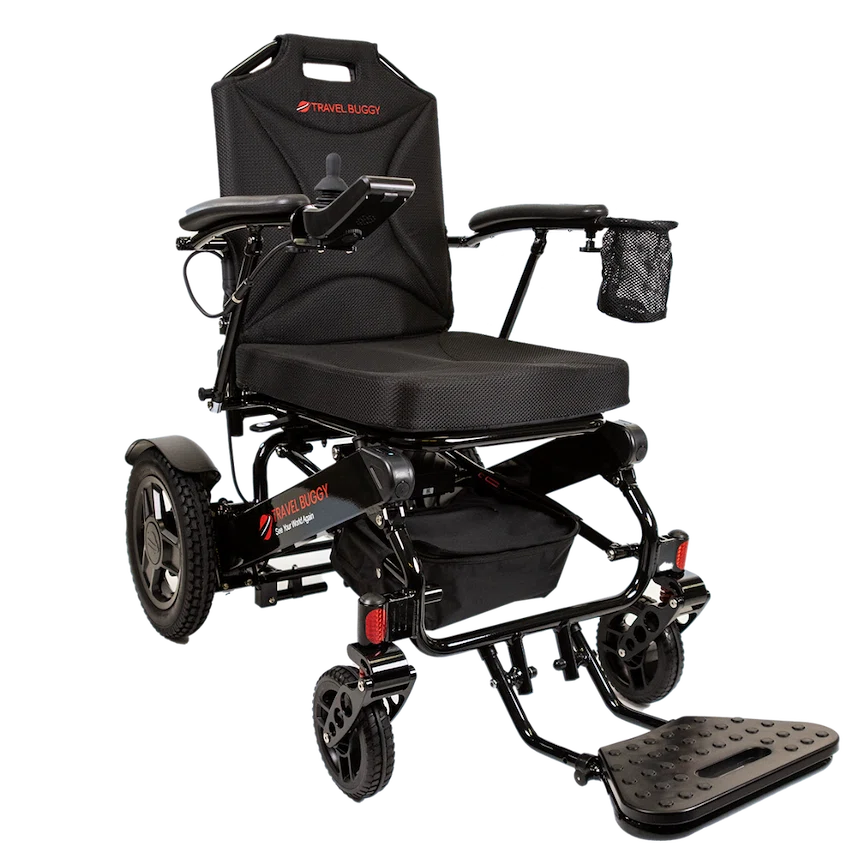
A folding powerchair. Seat width: 19". Turning radius: 26.00".
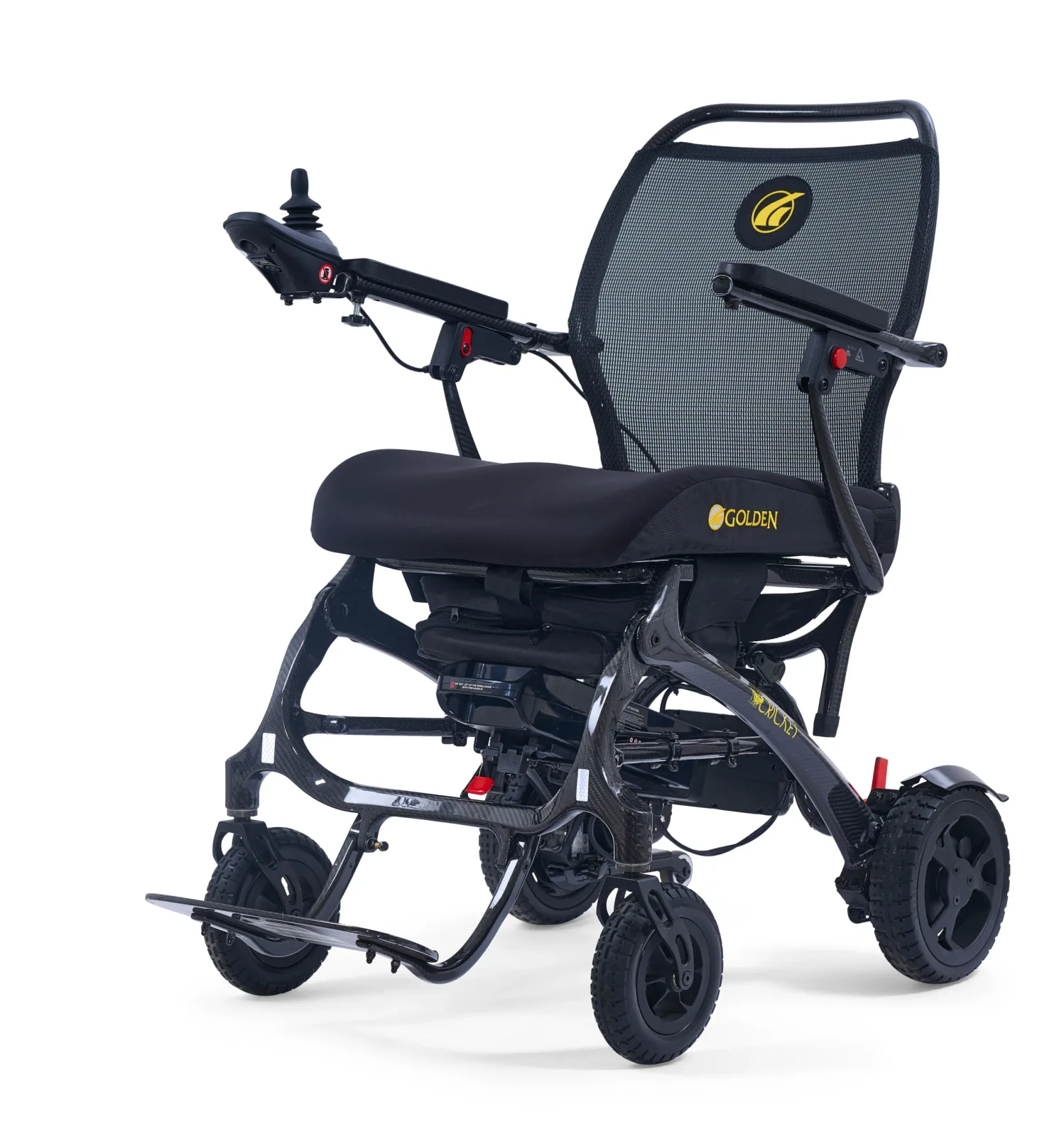
A carbon-fibre folding chair with a compact turning radius.
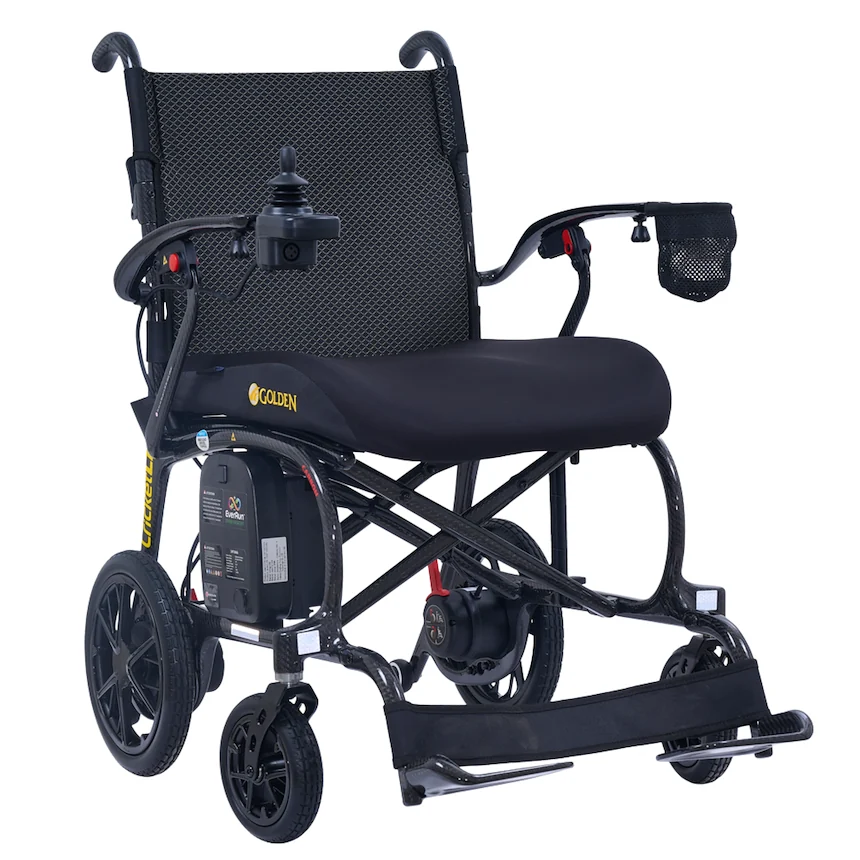
A folding powerchair. Seat width: 18". Turning radius: 29.5".
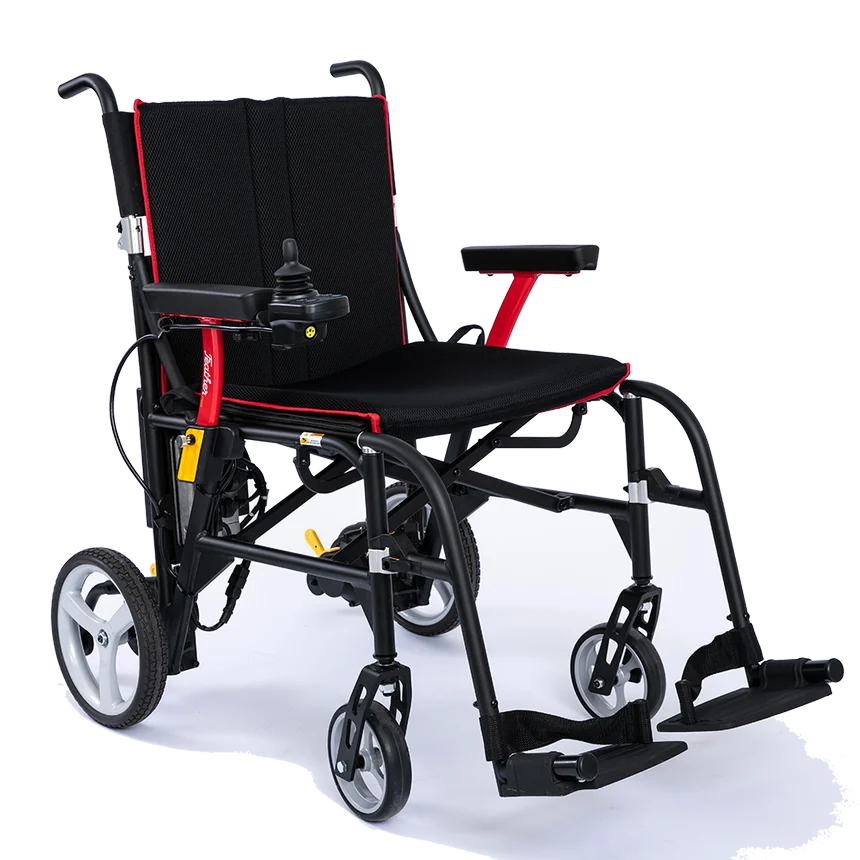
A folding powerchair. Seat width: 18". Turning radius: 48.00".
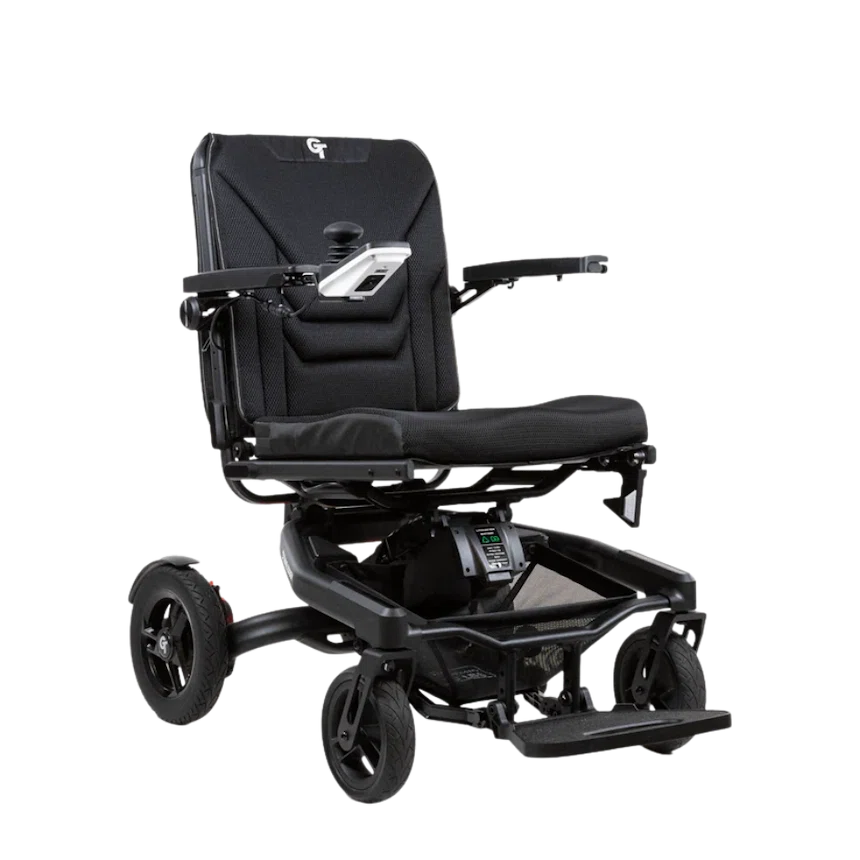
A folding powerchair. Seat width: 18". Turning radius: 25.00".
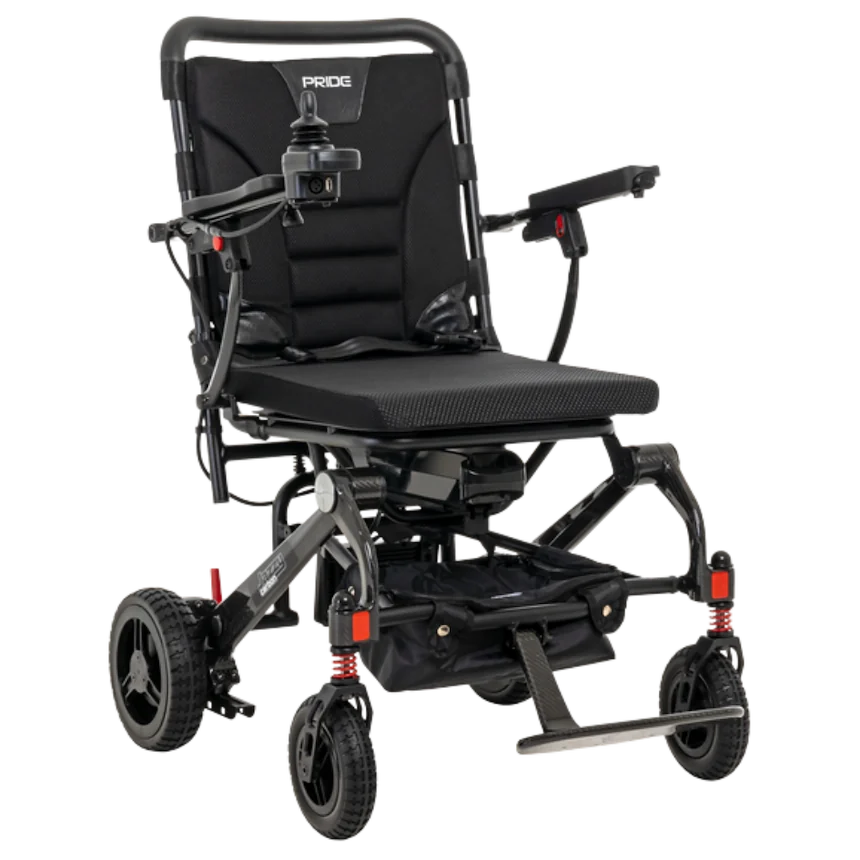
A folding powerchair. Seat width: 17". Turning radius: 24.00".
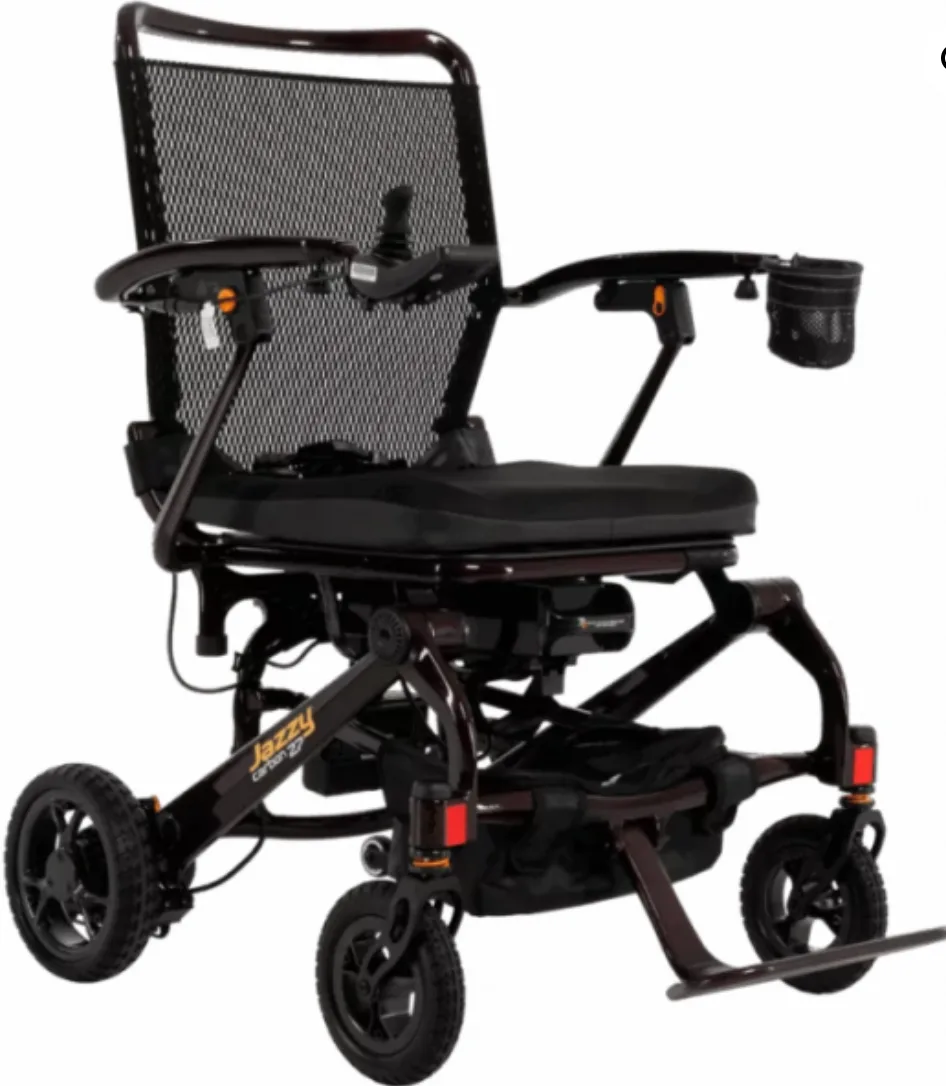
Compact carbon-fibre mobility with a 136 kg capacity.
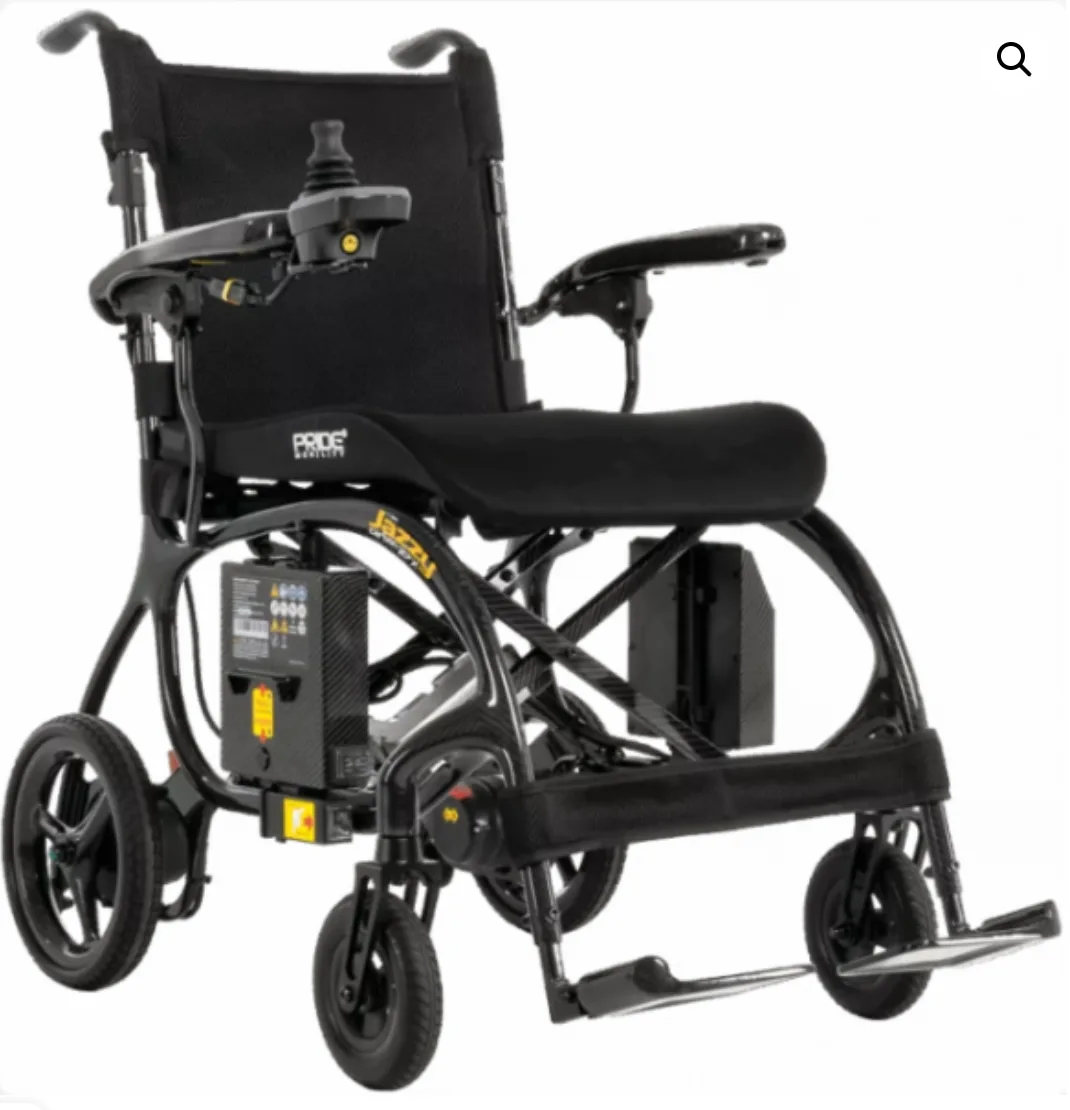
An X-frame design with a 12.5 kg weight without battery.
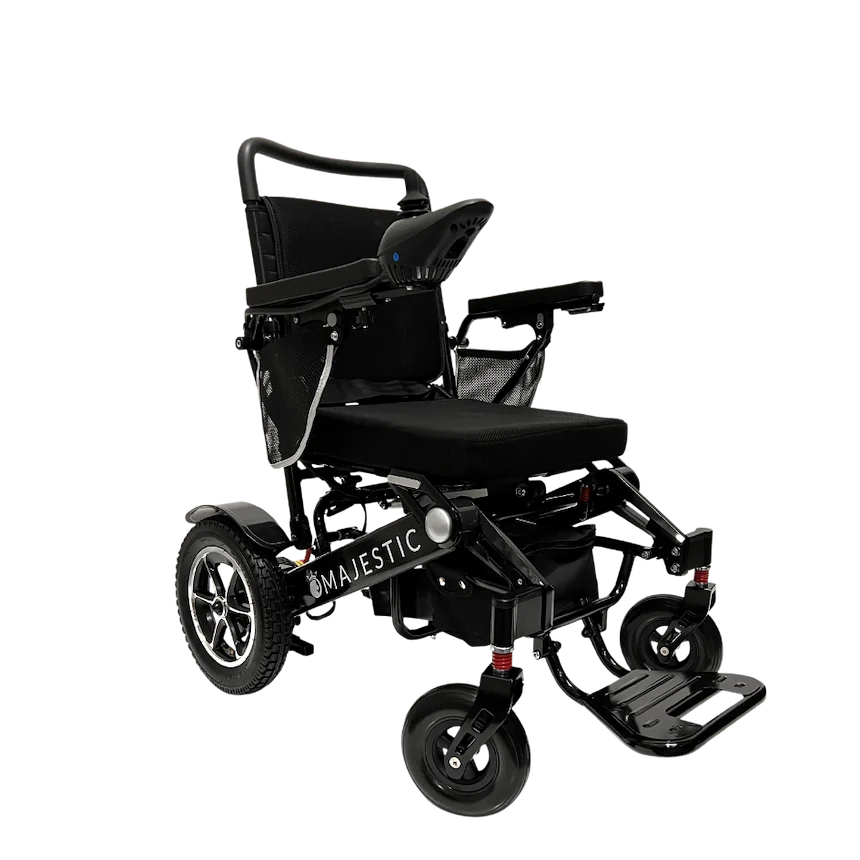
A folding powerchair. Seat width: 20". Turning radius: 62.5".
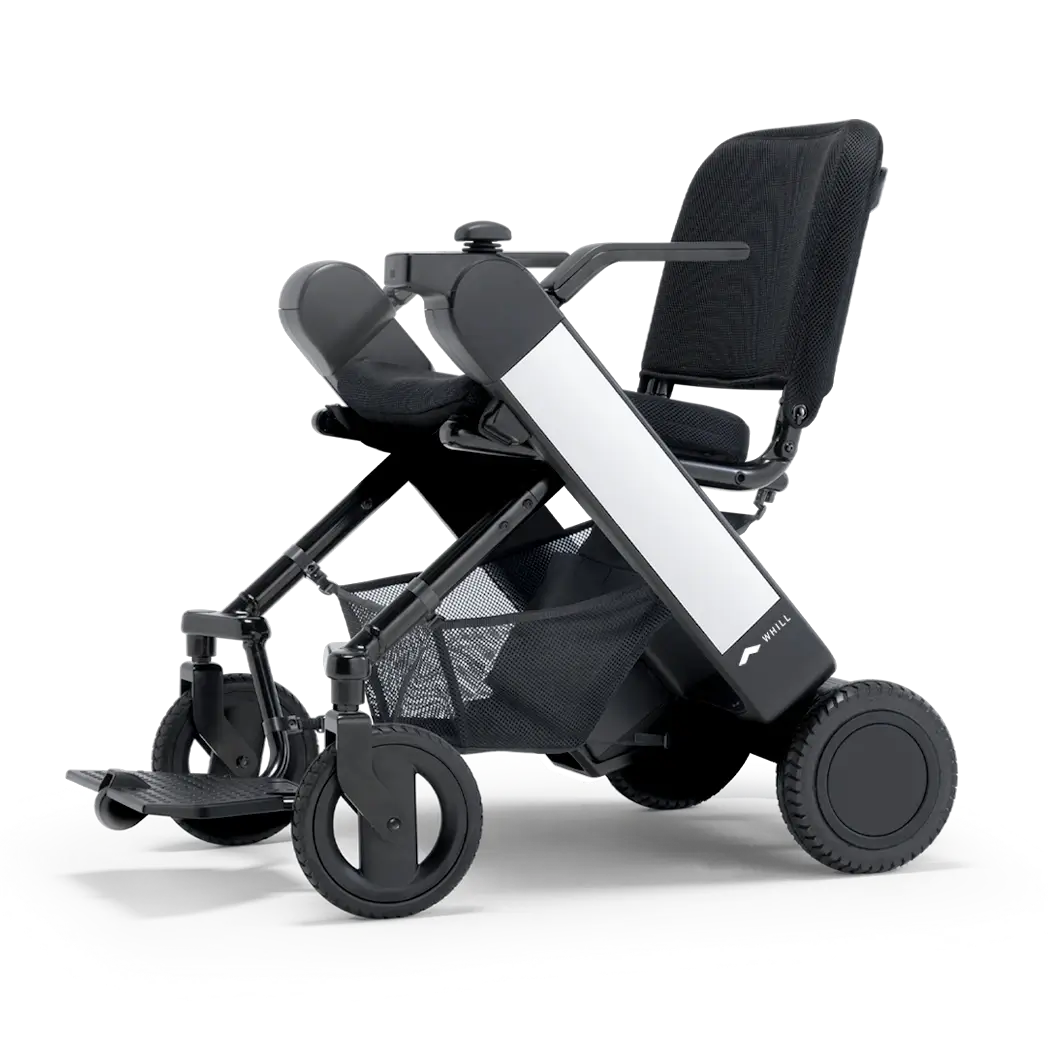
A folding aluminium design with adjustable armrest positions.
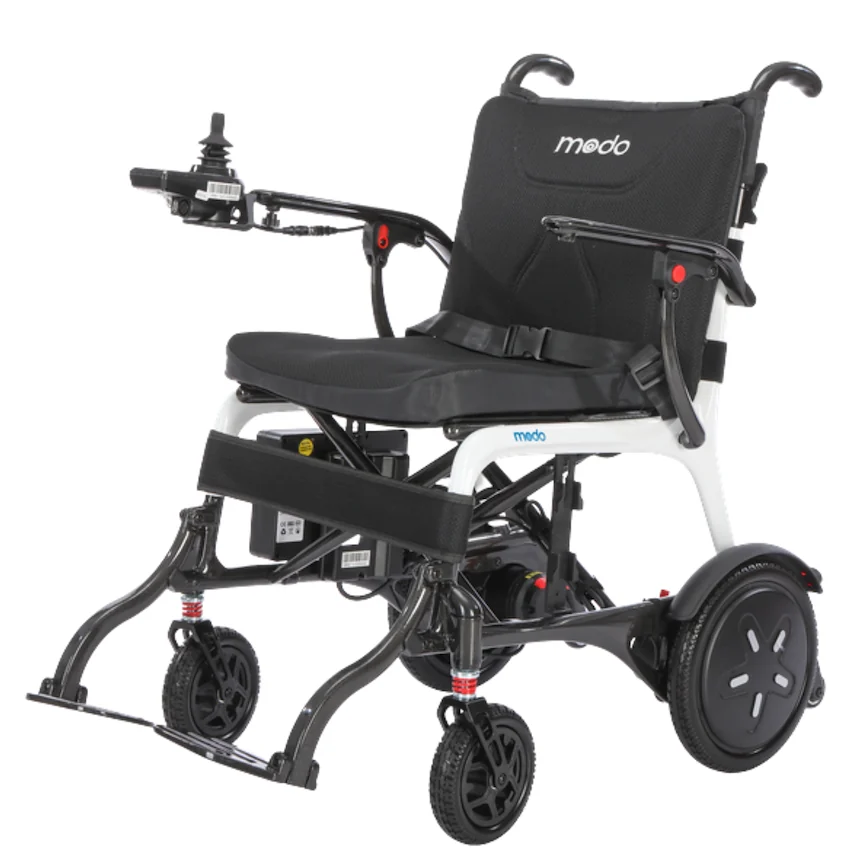
A folding powerchair. Seat width: 18".
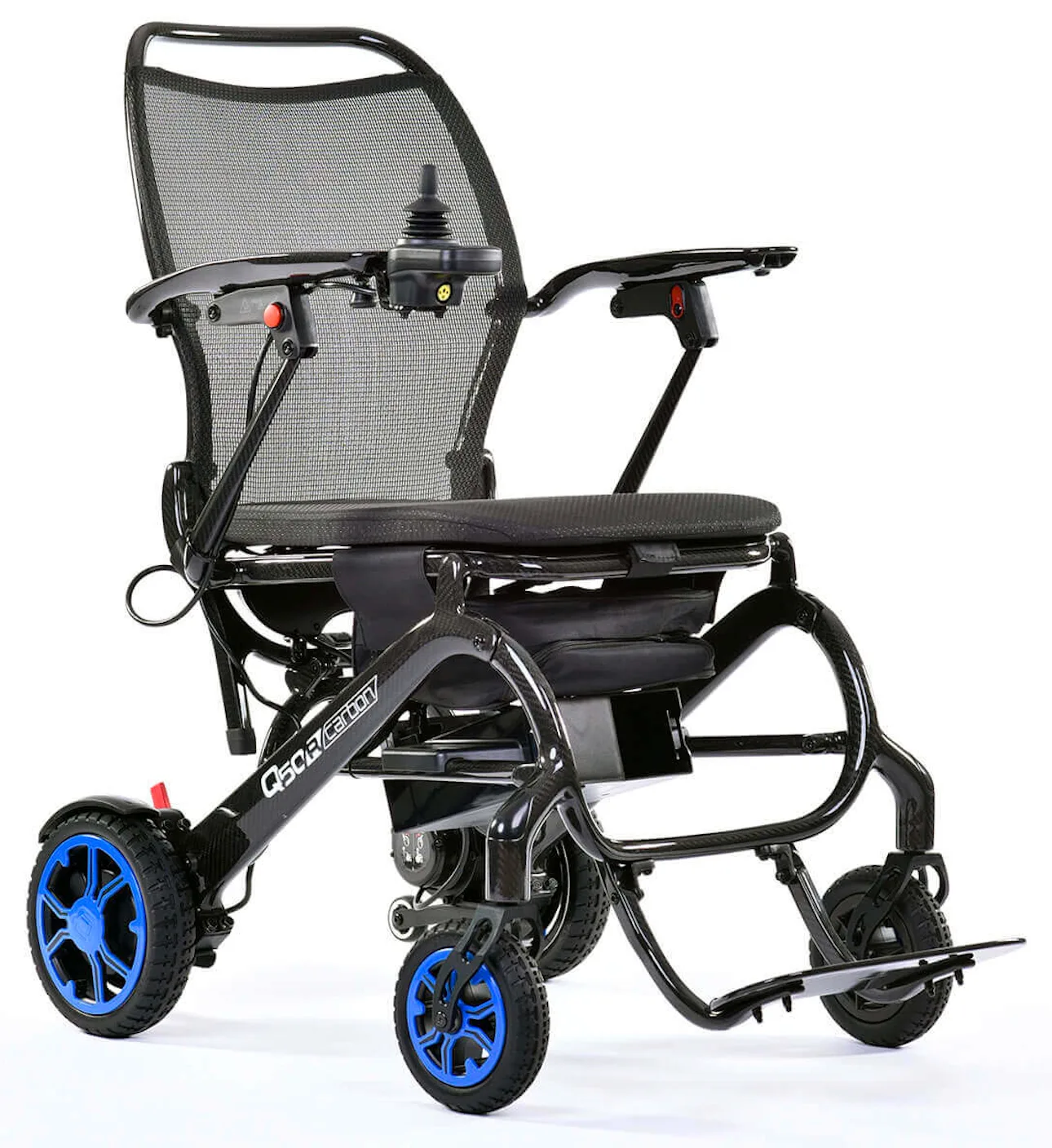
A folding carbon-fibre model with one- or two-battery configurations.
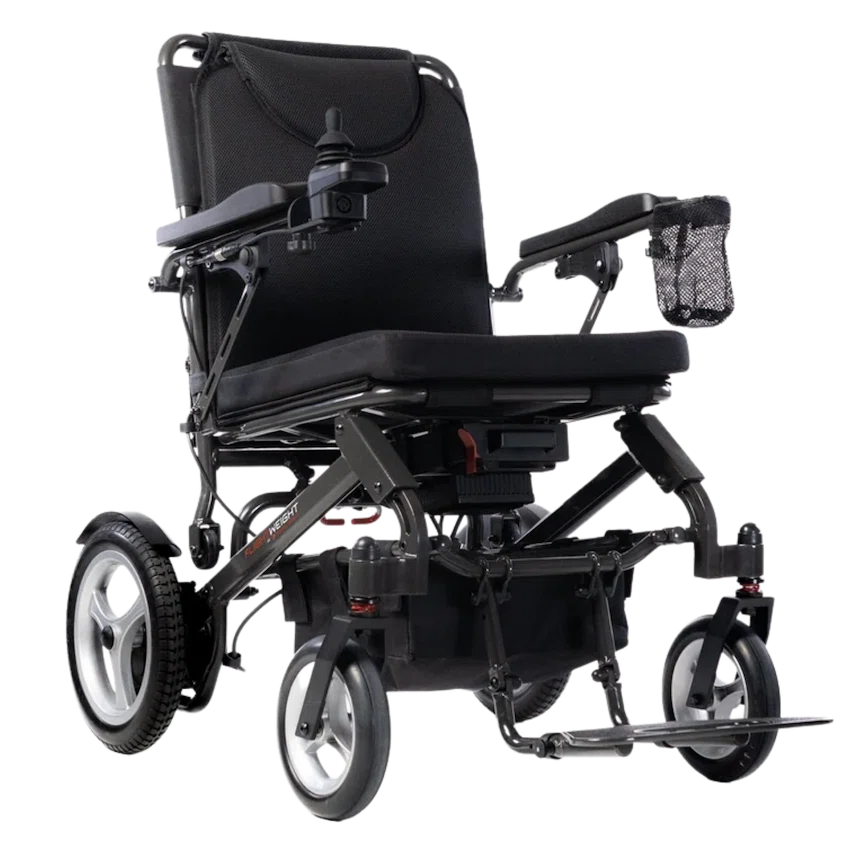
A folding powerchair. Seat width: 17.5". Turning radius: 24.00".
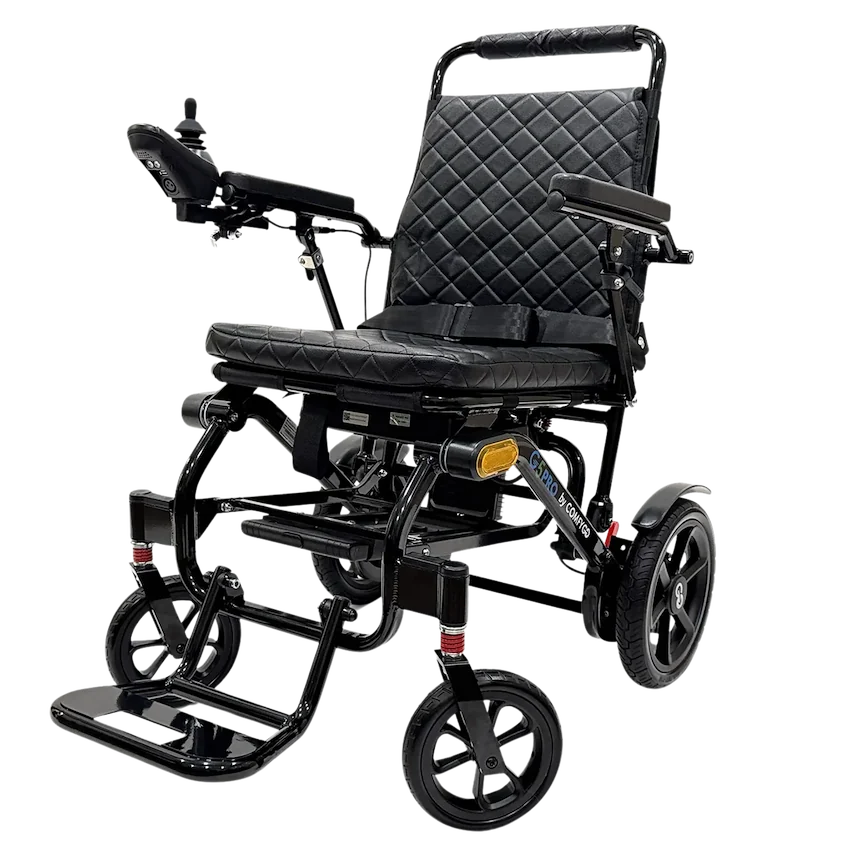
A folding powerchair. Seat width: 18.5".
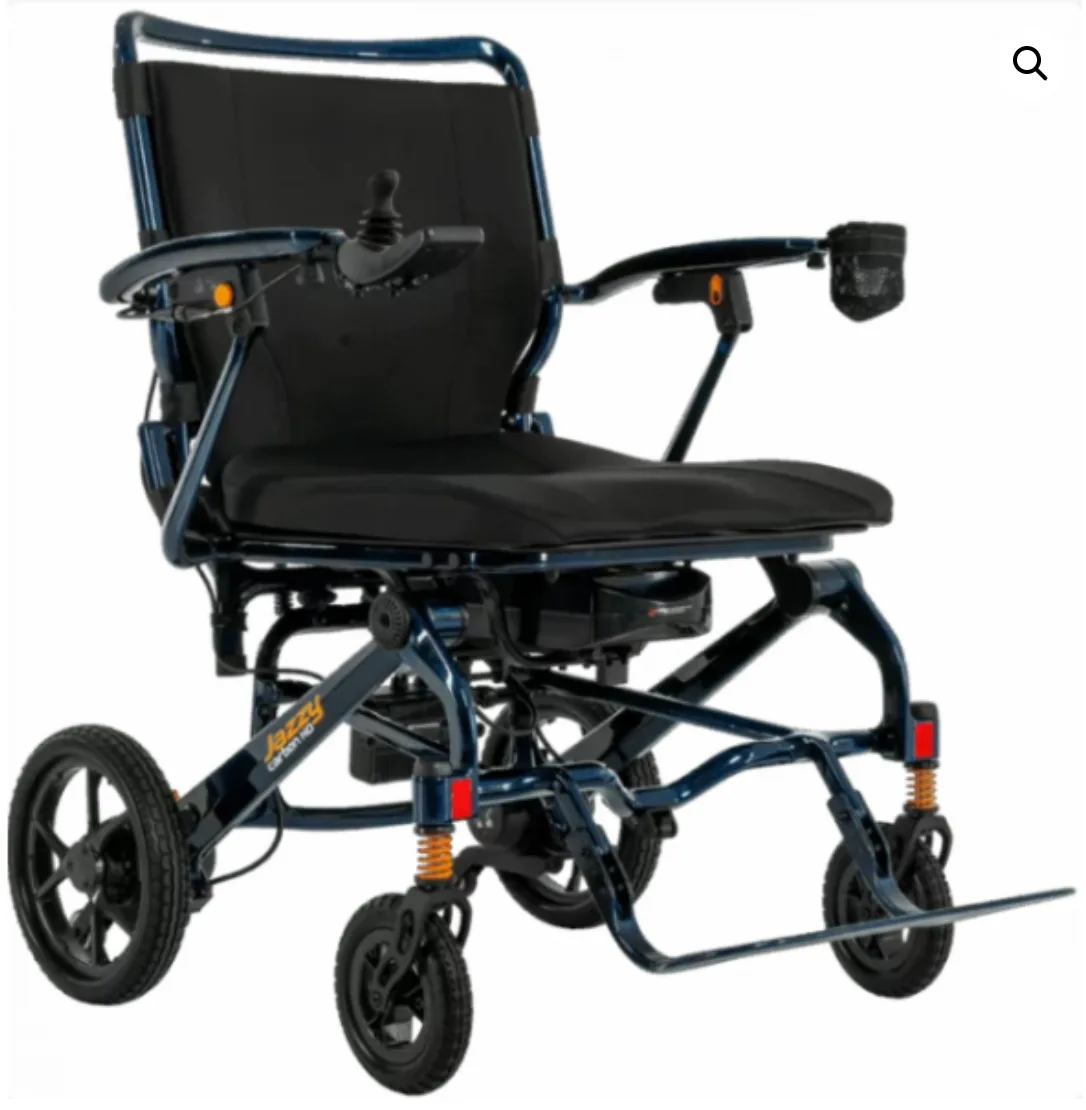
A wider-seat carbon-fibre option with a higher capacity.
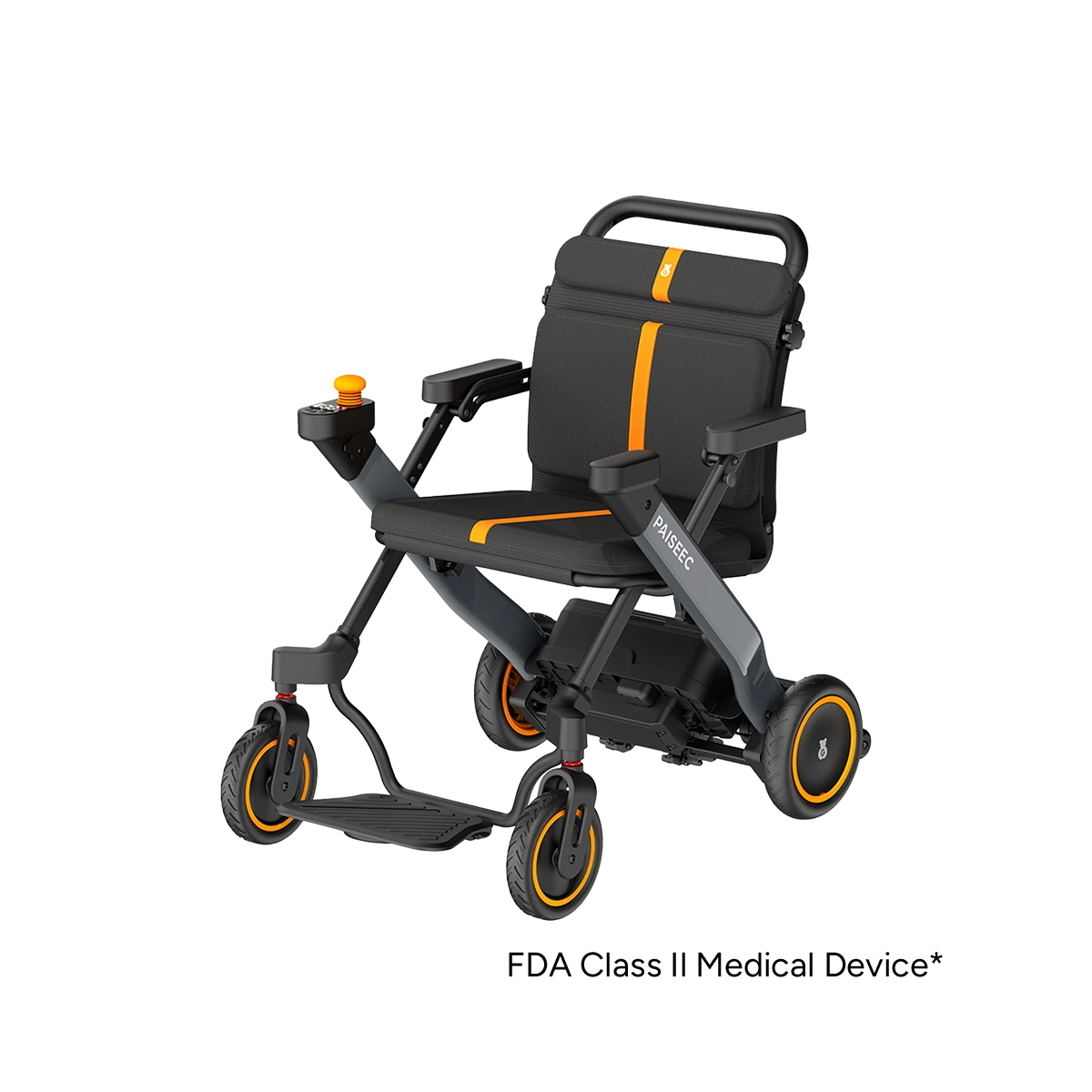
An aluminium folding model with a 12 Ah battery configuration.
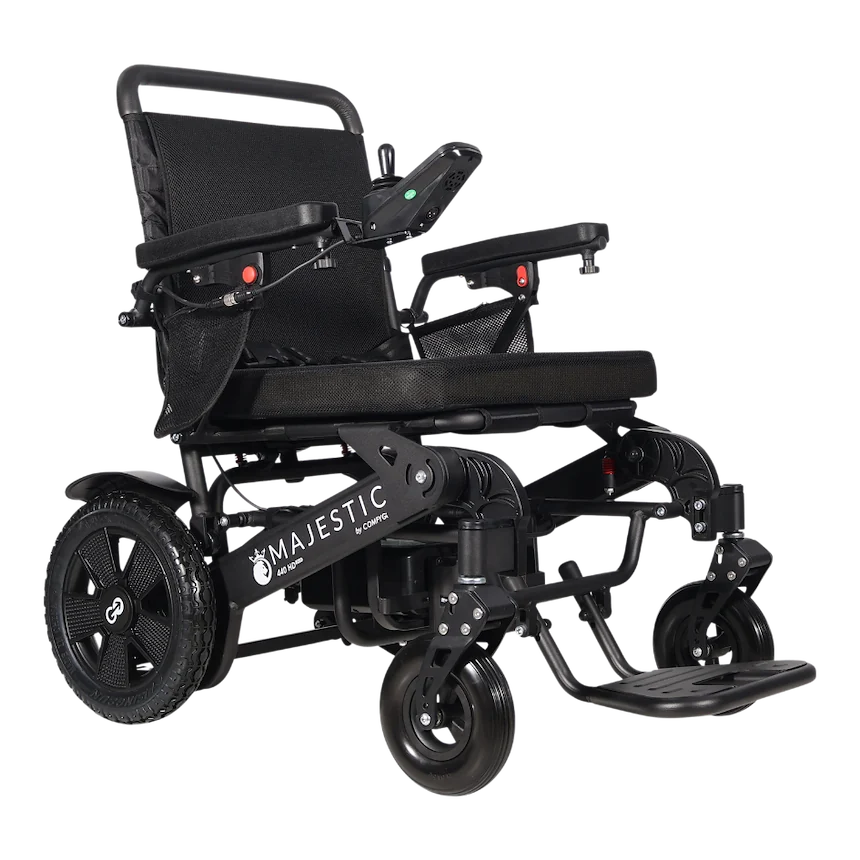
A folding powerchair. Seat width: 20". Turning radius: 62.5".
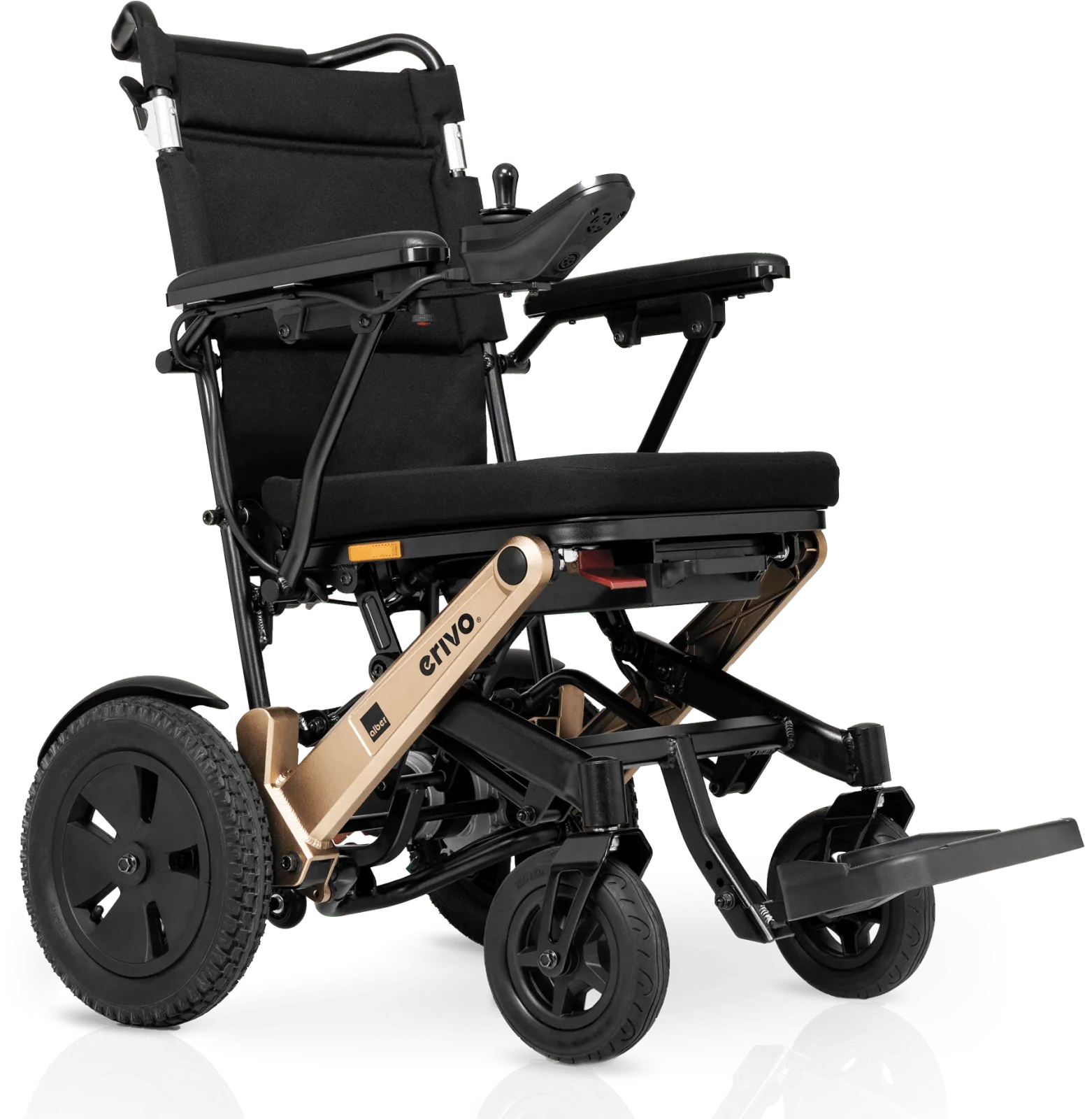
An aluminium folding powerchair with an 11 Ah battery.
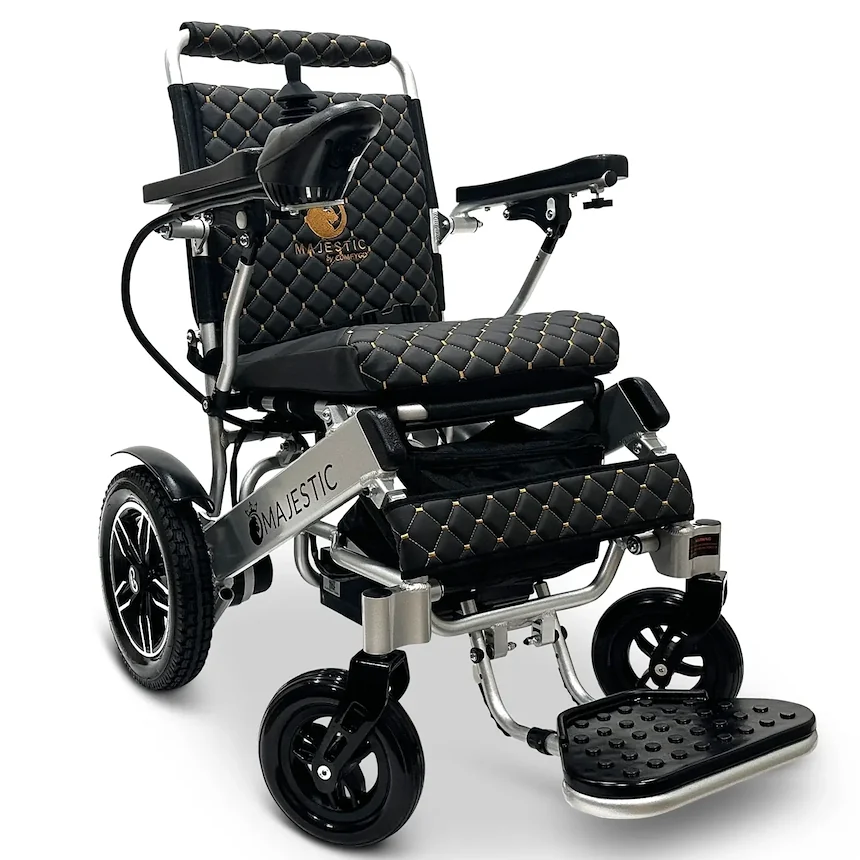
A folding powerchair. Seat width: 17.5" / 20". Turning radius: 47.00".
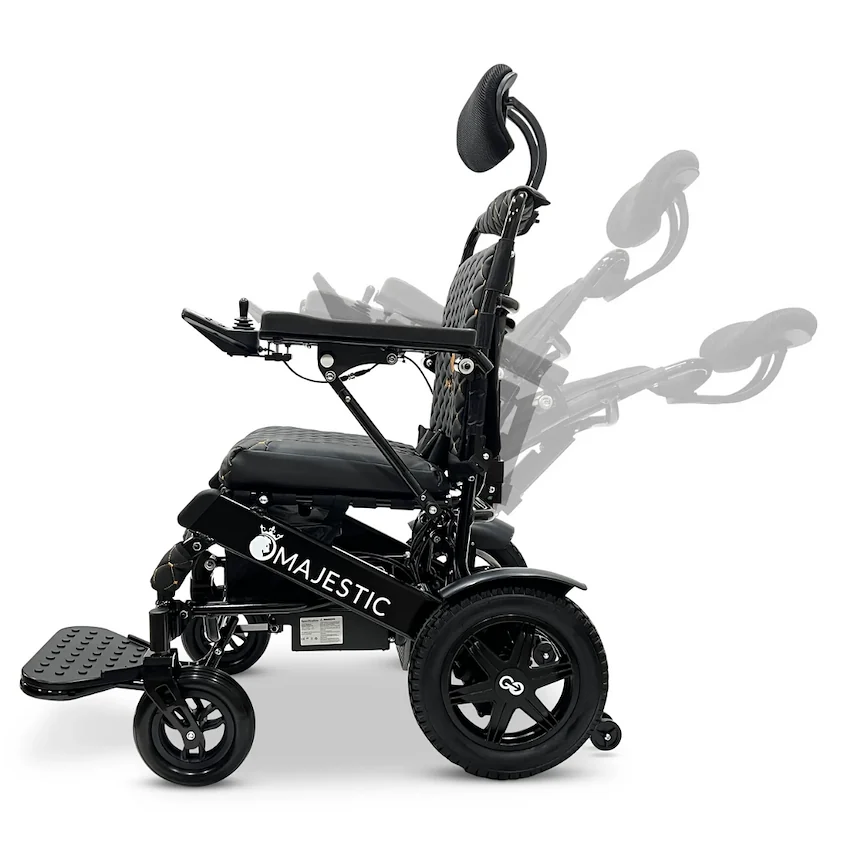
A folding powerchair. Seat width: 17.5" / 20". Turning radius: 47.00".
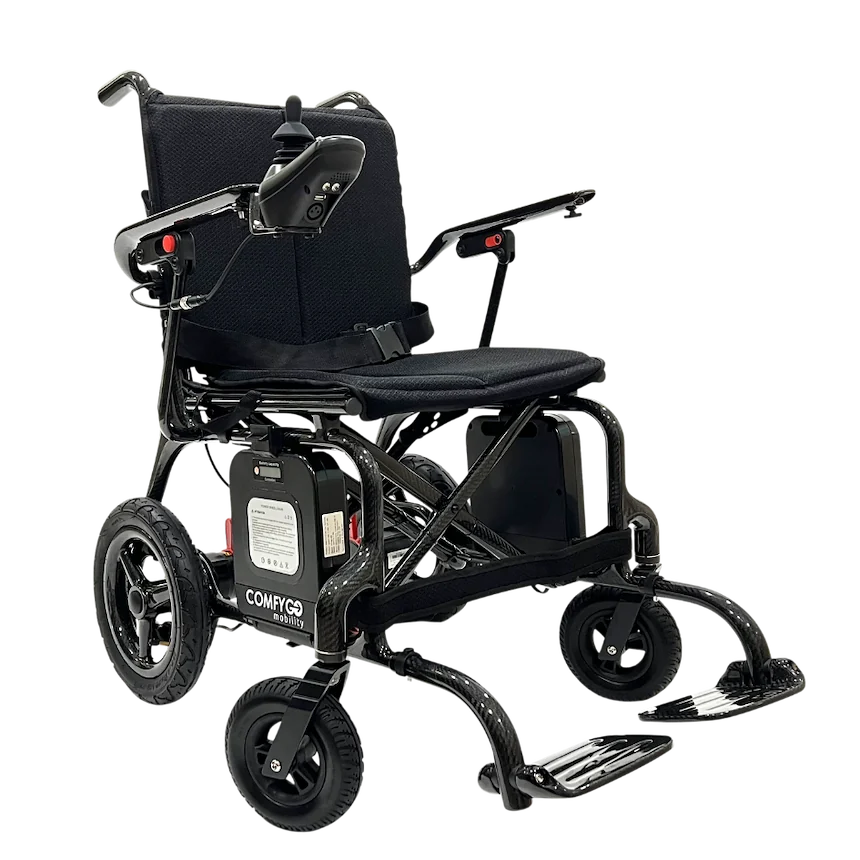
A folding powerchair. Seat width: 17.5".
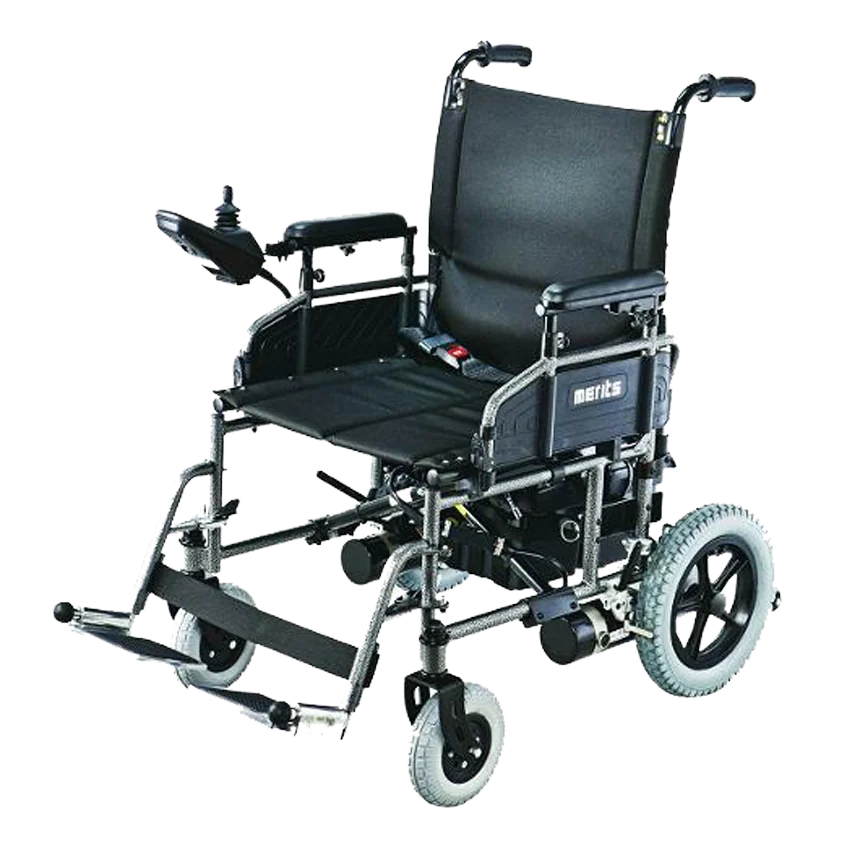
A folding powerchair. Compare the seating configurations and transport dimensions below.
Explore specifications and compare configurations. Request current local specifications and pricing from a supplier.
Understand what each feature is intended to do, and what to ask before relying on it.
Read the guideA closer look at assisted movement, and what to try in the spaces you use every day.
Read moreHow does an alert reach someone you trust? A few useful things to understand before choosing a chair.
Read more