Based on the linked source; automatically prepared and checked against the original report.
Personal Autonomy
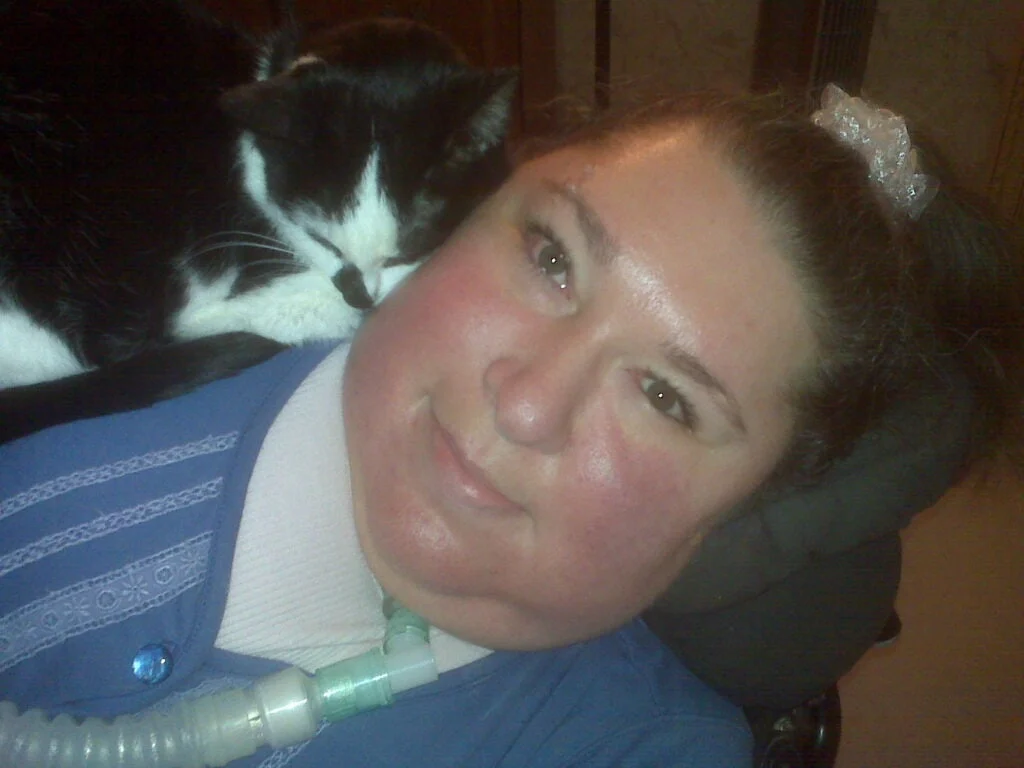
Maria Matzik, a disability-rights advocate in Fairborn, Ohio, says using a ventilator, tracheostomy and wheelchair does not diminish her adulthood, autonomy or responsibilities. She owns her home and works at a Center for Independent Living, where she advocates for disabled people and has focused on self-directed care for more than a decade.
Why Flexibility Matters
Matzik argues that self-direction lets Medicaid-eligible people needing home health care hire trusted caregivers, including relatives, friends or neighbors. She contrasts that flexibility with traditional waiver procedures: a caregiver arriving 15 minutes late can trigger reporting and coordination requirements, while self-direction allows practical adjustments that preserve pay and save time.
Oversight and Choice
She says accountability remains necessary, but oversight should not turn beneficiaries into political pawns or make daily life harder. Fiscal intermediaries such as PPL, she notes, can verify services, enforce requirements, manage payroll and timesheets, and protect taxpayer funds. Her recommendation to lawmakers is to preserve both public accountability and personal control.