Based on the linked source; automatically prepared and checked against the original report.
A cautious research update
Matthew Rodreick, U2FP’s executive director, frames this update through his son’s long-term C5 SCI and a weather-damaged wheelchair ramp. He says research has advanced since the original ramp but remains far from making ramps unnecessary. Rodreick rejects predictions about imminent breakthroughs and emphasizes meaningful promise for people with chronic injuries.
Stimulation’s expanding role
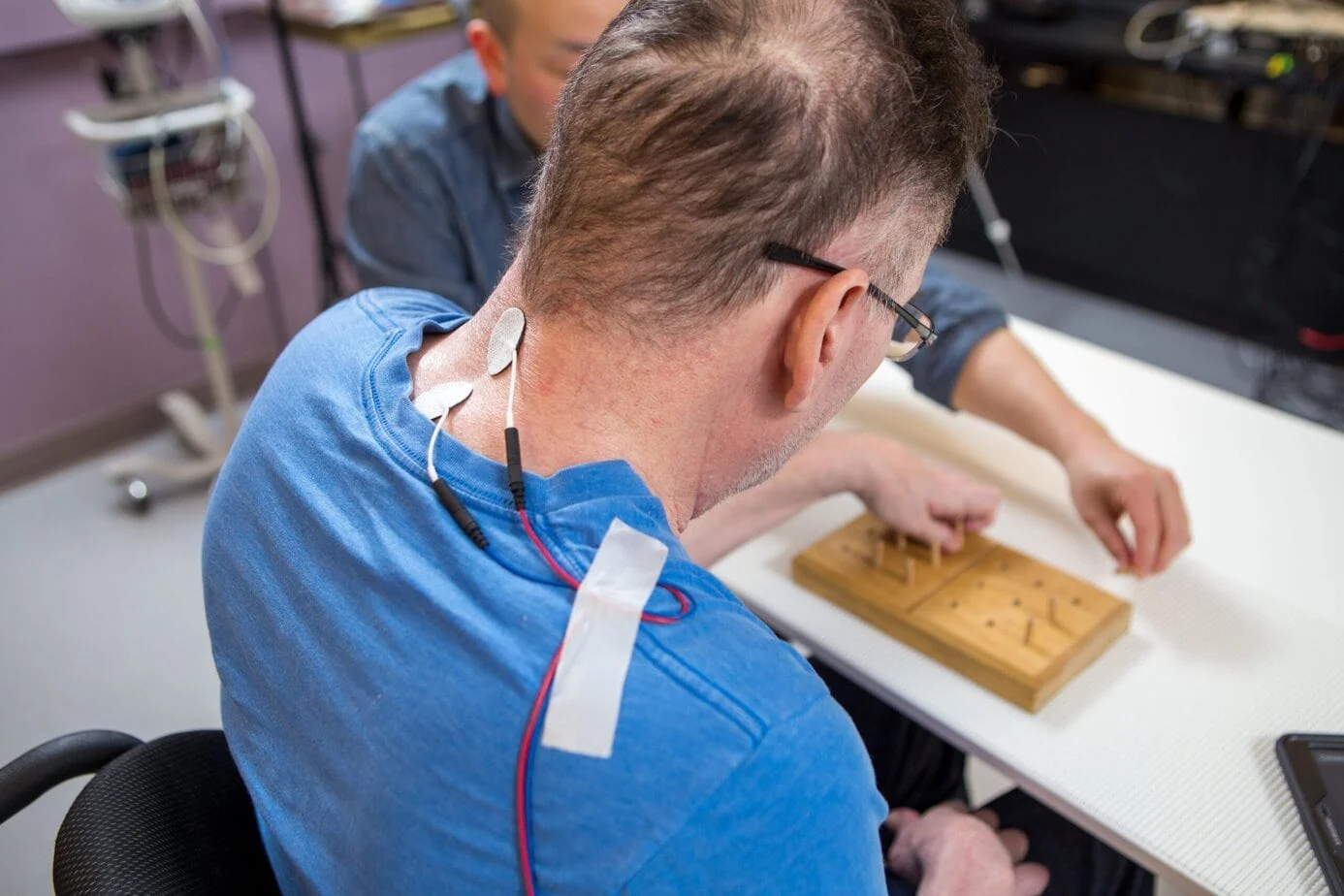
Spinal stimulation has progressed from an incompletely understood approach to a therapy paired with rehabilitation in clinics and homes. The source reports transcutaneous stimulation helping some people with quadriplegia regain hand function, while implanted stimulators have been associated with reduced neuropathic pain and spasticity and, in some cases, improved sexual function. Protocols and recovery limits remain unsettled.
Combination therapies and participation
Drug interventions are moving toward late-stage trials, while stem-cell strategies remain constrained by challenges including cell type, safety, survival and connectivity. Rodreick argues that combinations with rehabilitation may produce the most meaningful recovery, although regulators typically approve single therapies. He also calls for stronger SCI-community input into research priorities, risks, outcomes and accountability, including a proposed National Plan for SCI.