Based on the linked source; automatically prepared and checked against the original report.
Daily convenience
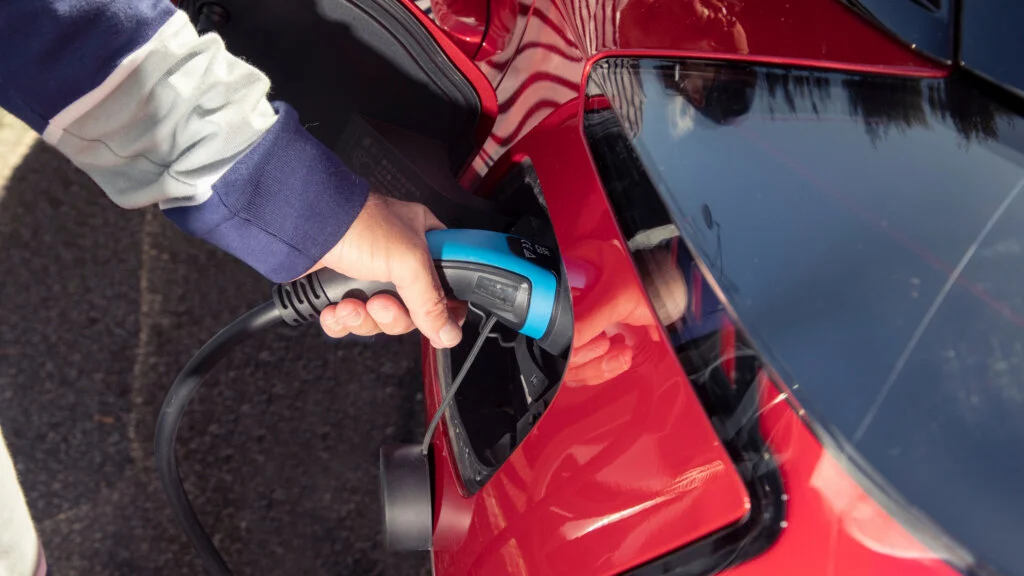
A tethered charger has a cable permanently attached, making it straightforward at home because there is no separate cable to lift from the boot. The attached cable can be wrapped around the unit or placed in a holder after charging. The Scheme says this may be especially convenient in cold or wet weather, although replacing the whole charger may be necessary if the fixed cable is damaged.
Flexibility and handling
An untethered, or socketed, charger has no attached cable. You connect and remove your own cable, then store it when charging is finished. This can suit households with multiple electric vehicles because vehicles using Type 1 or Type 2 ports can use the same charger. However, the cable should match your strength and dexterity; lightweight cables should be kept clean and dry and not dragged across the ground.
Installation and future vehicles
The Scheme says untethered home chargepoints are lighter and smaller, while tethered models may take slightly longer to install. Both installation types are described as taking two to five hours. An untethered cable can continue working with a replacement vehicle using a Type 1 or Type 2 port. With a tethered unit, compatibility should be checked with the dealer before changing vehicles.