Based on the linked source; automatically prepared and checked against the original report.
Positioning and securing
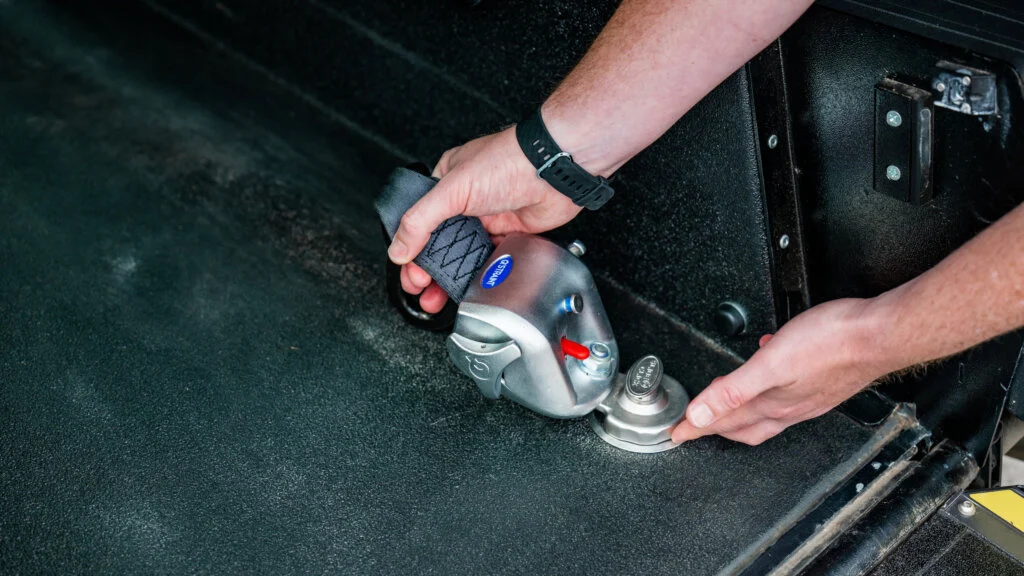
Wheelchair-accessible vehicles (WAVs) commonly use a ramp or lift before the wheelchair is secured inside. First check that the wheelchair is positioned correctly, then attach the tie-downs according to the vehicle demonstration or user guide. Rear tie-downs help hold the wheelchair in place, so check they are fitted correctly before each journey. The person using the wheelchair should also have their passenger restraint fitted; this is separate from the tie-down system.
Practising with a supplier
Every WAV may be different, so users should follow guidance from their supplier. During the demonstration, the supplier explains the ramp or lift and shows how the tie-downs operate. The video recommends practising while the supplier is present, allowing questions about the system. Anyone who regularly travels with the wheelchair user or helps secure it can practise too, so each person understands what to do.
Checks before travel
Tie-downs should be checked before every journey to confirm they are clean, easy to use and not twisted. If anything appears incorrect, users should speak to their WAV supplier before travelling. Suppliers can bring a vehicle to a customer’s home for a demonstration, helping users try its features, check the space and understand the tie-downs. WAVs come in different sizes and layouts, including smaller options for up to four people and larger vehicles with more space for passengers or mobility equipment.