The change began with a new route to assessment
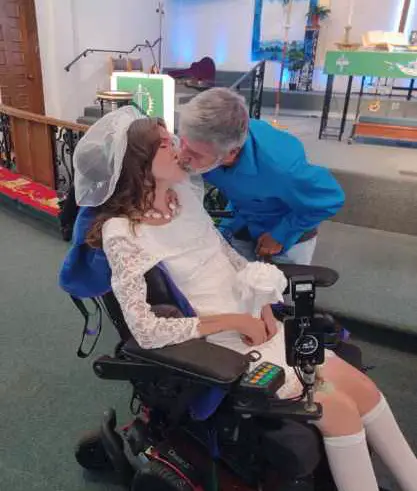
The writer of a May Live Quickie account had lost practical access to a dependable powerchair and was using a manual chair with assistance. A connection through a neighbour led to Florida’s Vocational Rehabilitation programme. The account describes qualifying for equipment through that process; it does not establish eligibility for other readers or other regions.
Training made the alternative control usable
During an assessment with Custom Mobility, the writer tried a Bluetooth headset responsive to head movement. The story describes several weeks of learning before using the chair more confidently around the facility and neighbourhood. Visits to local shops and church then became part of daily life again.
The useful detail is the sequence from assessment to training to community use. A sensor’s ability to detect movement is only one part of a workable control system. The complete arrangement also involves seating, settings, instruction and follow-up.
The sequence in the personal account
- ConnectionA neighbour introduced the writer to someone who knew the rehabilitation programme.
- AssessmentA provider explored an alternative to hand-operated controls.
- PracticeThe writer learned to manoeuvre using head movements.
- Community useConfidence developed through ordinary local journeys.