Based on the linked source; automatically prepared and checked against the original report.
ARC-IM Study Addresses Hypotension
ONWARD Medical’s ARC-IM uses a 16-electrode lead in the epidural space over blood-pressure neurons in the lower thoracic spinal cord. A preliminary study of 14 people with spinal cord injury found that activation immediately raised blood pressure and reduced the frequency and severity of hypotensive symptoms. The newsletter describes a latest FDA-approved trial related to the implant.
Walk Me Draws Both Interest and Criticism
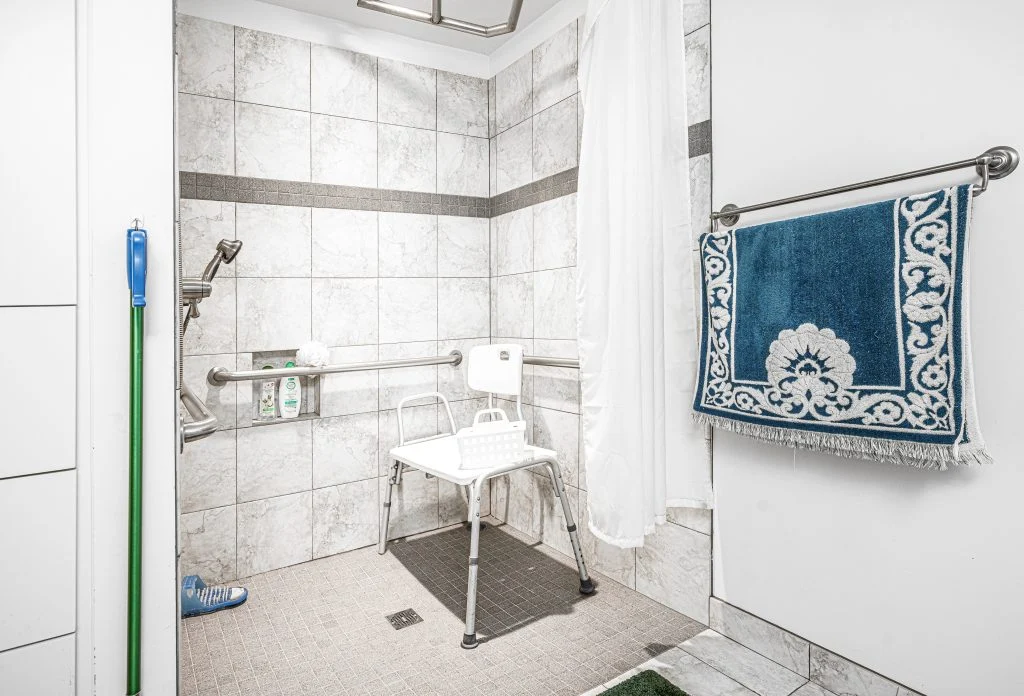
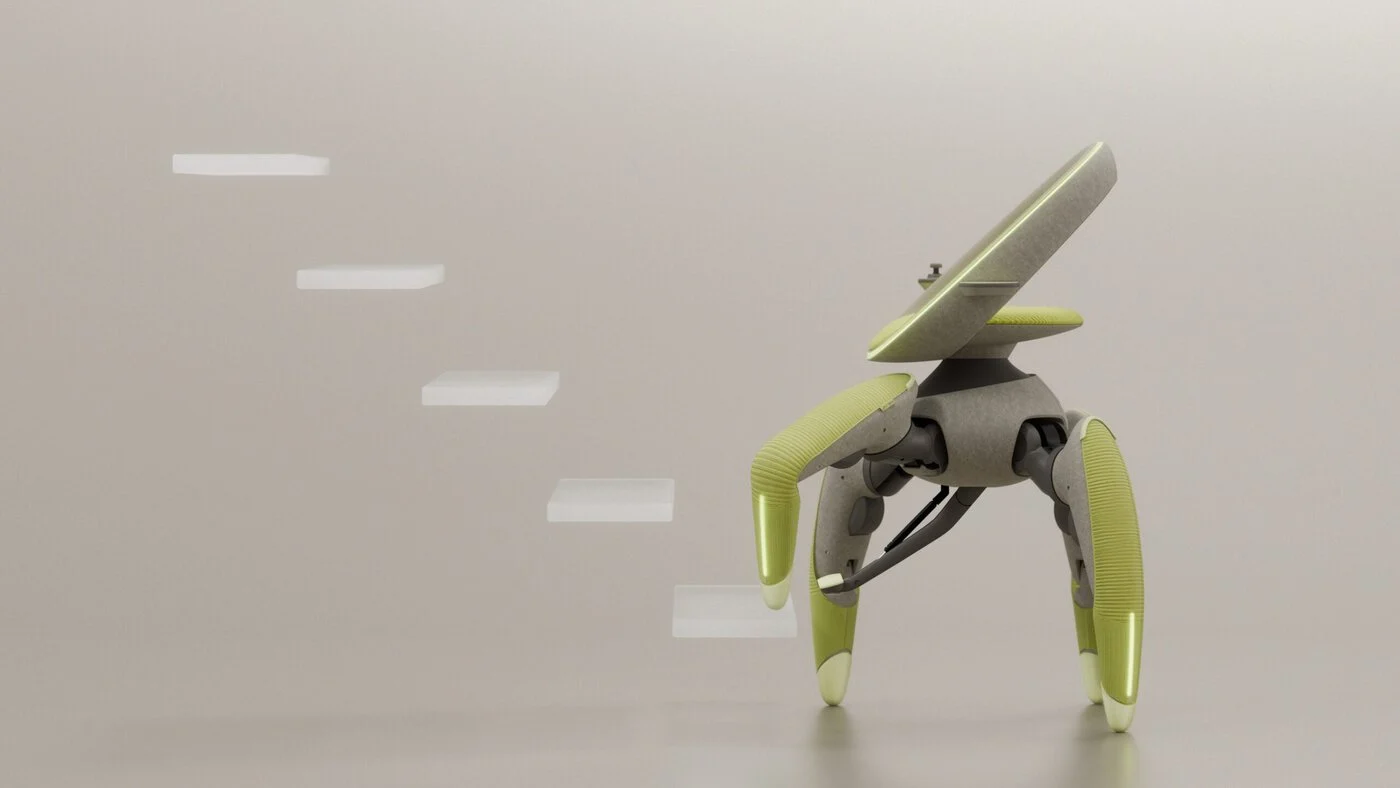
Toyota’s Walk Me concept replaces wheels with four articulating legs, combining lidar and radar to interpret terrain and carry a rider upstairs. Ian Ruder, a C5 quadriplegic, says he would use it immediately. However, he criticizes such sleek, expensive, attention-generating prototypes as inspiration-focused engineering, arguing they can draw design talent and corporate funding away from practical priorities. He names indoor-outdoor power chairs and shower chairs suitable for step-in showers as examples.
Self-Direction Simplifies Care Adjustments
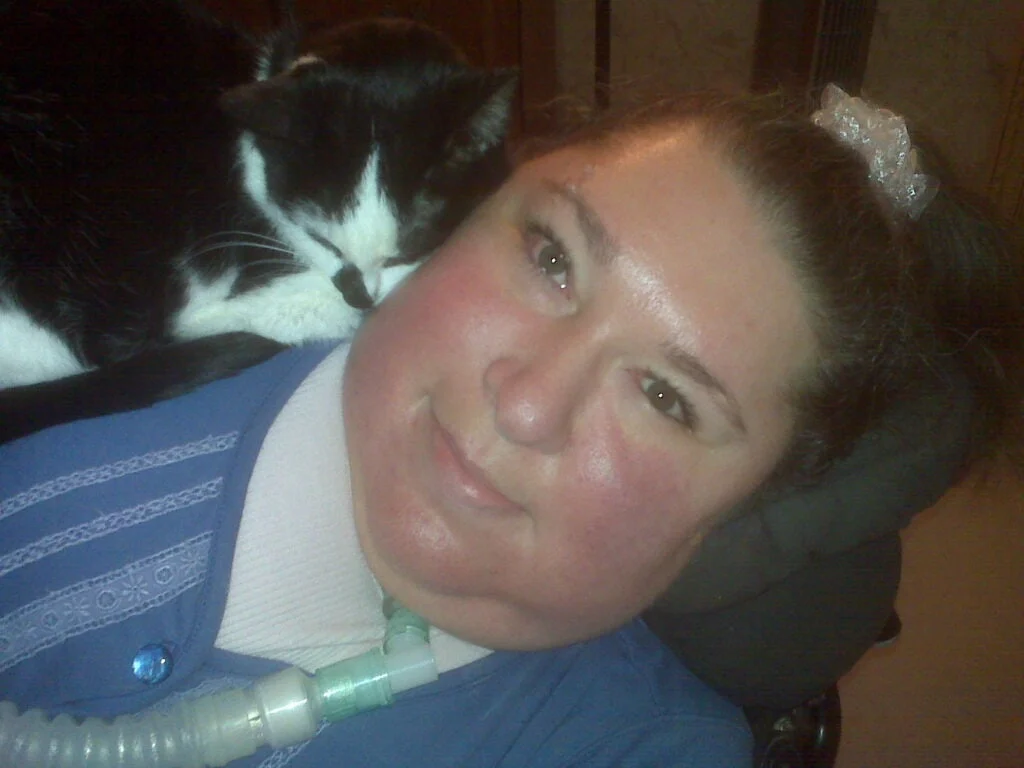
New Mobility also profiles Maria Matzik, a longtime disability advocate who uses both traditional Medicaid waivers and self-direction. In the traditional system, a caregiver arriving late can trigger reports and administrative steps involving a care coordinator. Under self-direction, Matzik and her caregiver can resolve the scheduling issue themselves. Her account argues that Medicaid should preserve both accountability and independence rather than forcing a choice between them.