Based on the linked source; automatically prepared and checked against the original report.
Different routes, different rules
Government guidance distinguishes cycle lanes painted on the carriageway from cycle tracks physically separated from the road. Class 2 and Class 3 mobility scooters may use cycle tracks, but neither class is permitted in an on-road cycle lane, even when it is empty. The distinction is increasingly important as towns and cities expand cycling infrastructure that can appear accessible to scooter users.
Class requirements
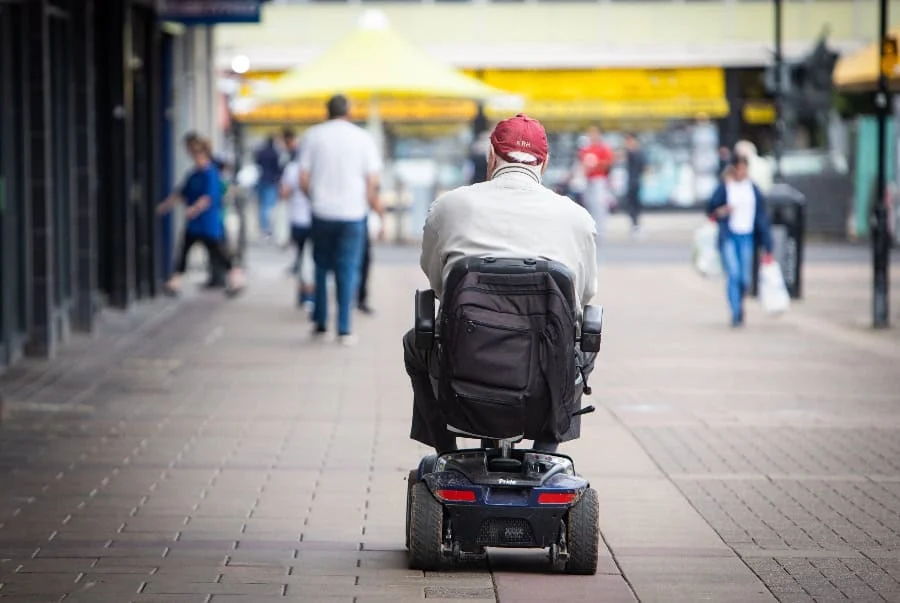
Class 2 scooters have a maximum speed of 4mph and are primarily intended for pavement use. Class 3 scooters can travel at up to 8mph and may use roads subject to relevant requirements. Both classes can use pavements, pedestrian areas and cycle tracks, while users must follow applicable speed limits and give pedestrians priority.
Checking unfamiliar routes
Lee Cartwright, owner of Mobility Solutions Direct, says users should not treat every cyclist-marked route as suitable for a mobility scooter. He advises checking signs and relevant guidance before travelling, particularly in unfamiliar locations. Choosing an impermissible lane could create conflict with cyclists and other road users, while understanding the distinction may help users preserve independence and make informed journey choices. Further information is available in government guidance on mobility scooters and powered wheelchairs.