Based on the linked source; automatically prepared and checked against the original report.
Awareness outpaces understanding
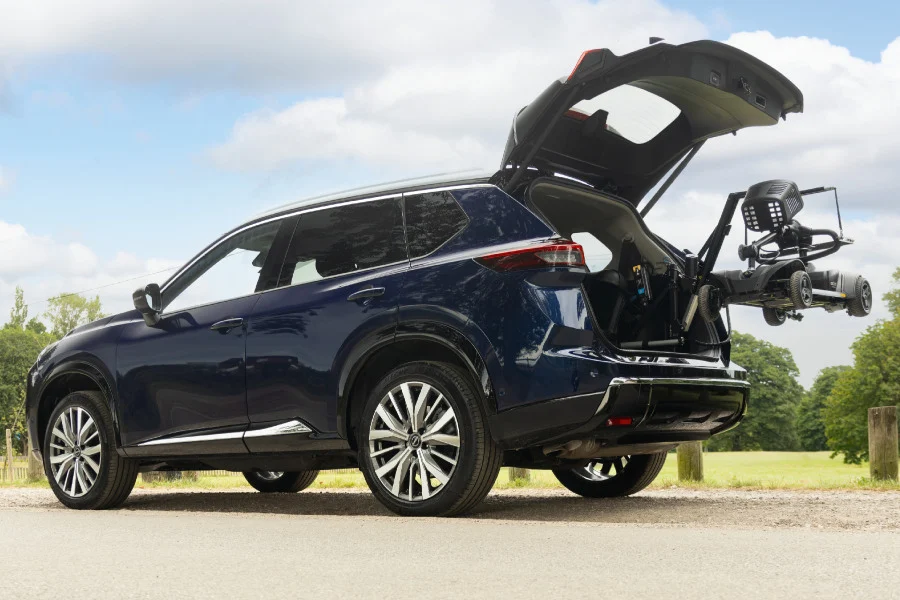
A survey of 224 disabled people, carers and supporters found that 82% knew adaptations could help people drive or travel by car. Nearly nine in 10 understood that suitable adaptations could support returning to driving or continuing to drive. Awareness of hand controls, wheelchair-accessible vehicles, steering aids and swivel seats ranged from 75% to 84%.
Funding uncertainty and consequences
Only 21% said they understood which support they might qualify for. A further 38% knew support existed but were unsure of their eligibility, while 23% did not know whether support was available and 14% assumed they were ineligible. Additionally, 62% lacked confidence about available funding, and 47% had delayed seeking advice because they did not know where to begin.
Independence and new options
Among respondents who had reduced or stopped driving, 67% reported reduced independence, 58% increased isolation and 51% greater reliance on family or friends. Mobility in Motion said clearer information could encourage 68% to continue, resume or explore driving. The company has launched Adapt & Drive, offering adapted vehicle purchases, assessments, payment options and possible VAT relief for eligible customers.