Based on the linked original report. This article summarises its key points; it is not an independent product test.
The concept
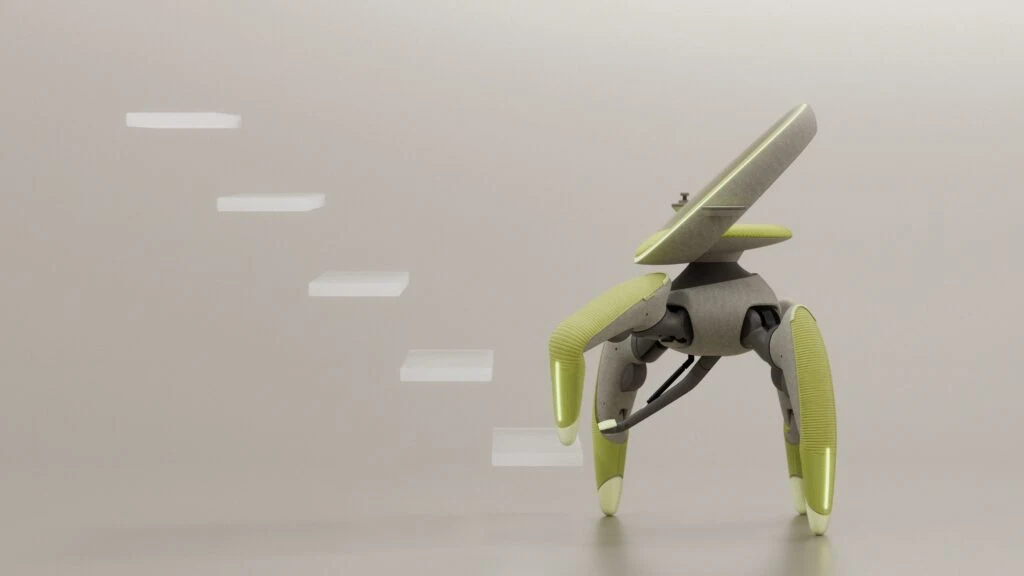
Toyota’s Walk me uses four independently moving legs in place of wheels. In his September 2026 commentary for New Mobility, Ian Ruder describes a prototype intended to negotiate uneven ground and stairs with sensors helping it understand its surroundings. This is a concept demonstration, not an available powerchair recommendation.
Practical priorities
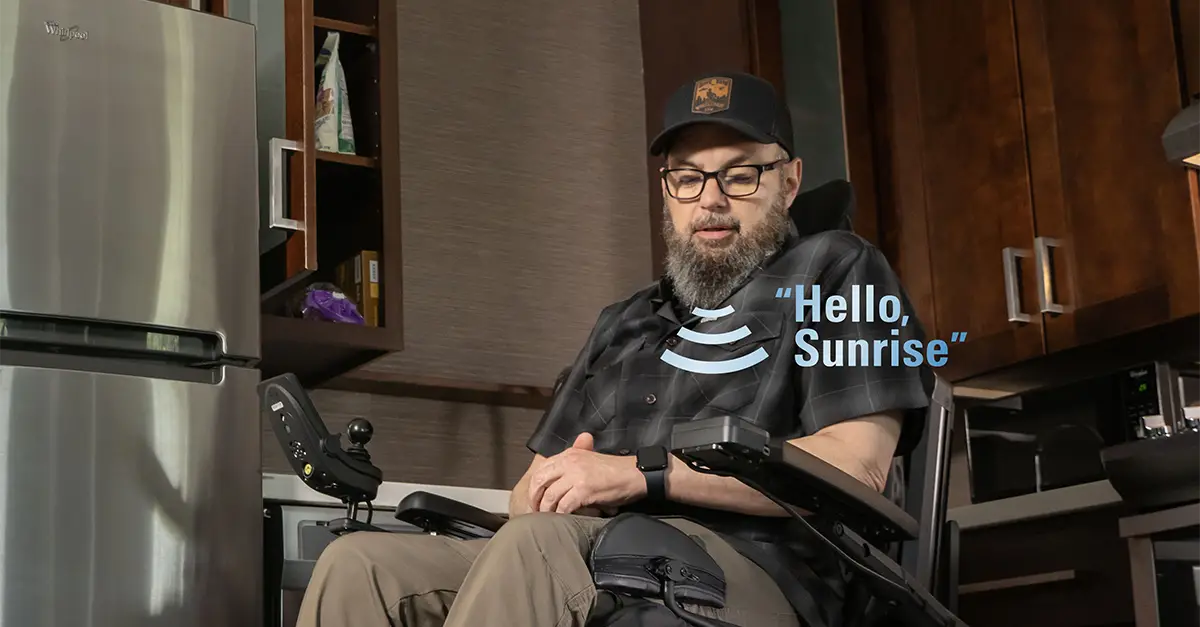
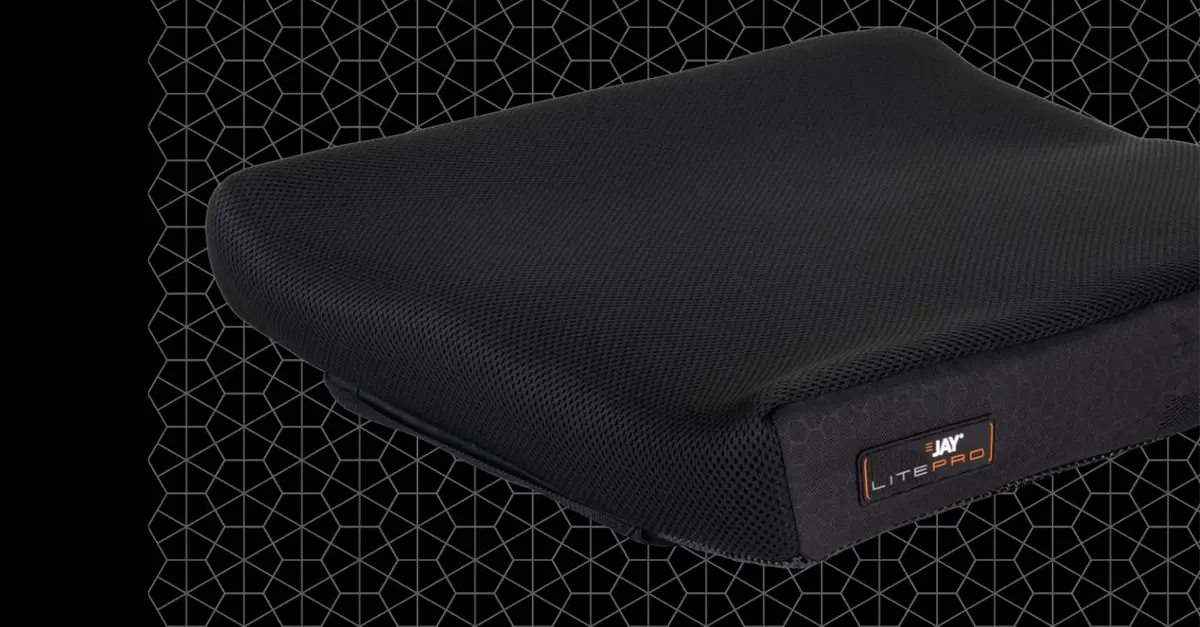
Ruder’s concern is where design effort goes. He argues that attention and investment in striking prototypes could also help improve the equipment people already depend on. His examples include adaptable powerchair seating and more useful bathing equipment. These are the author’s priorities and opinions, rather than findings from a comparative product test. He welcomes interest in disability design, while asking that practical needs guide the work.
The takeaway
For anyone comparing mobility technology, the distinction matters: a demonstration shows an idea, while daily use depends on fit, practicality and availability. Ruder calls for designers to spend more time listening to wheelchair users. Read his original commentary for the full argument and context.