Based on the linked source; automatically prepared and checked against the original report.
Design and technology
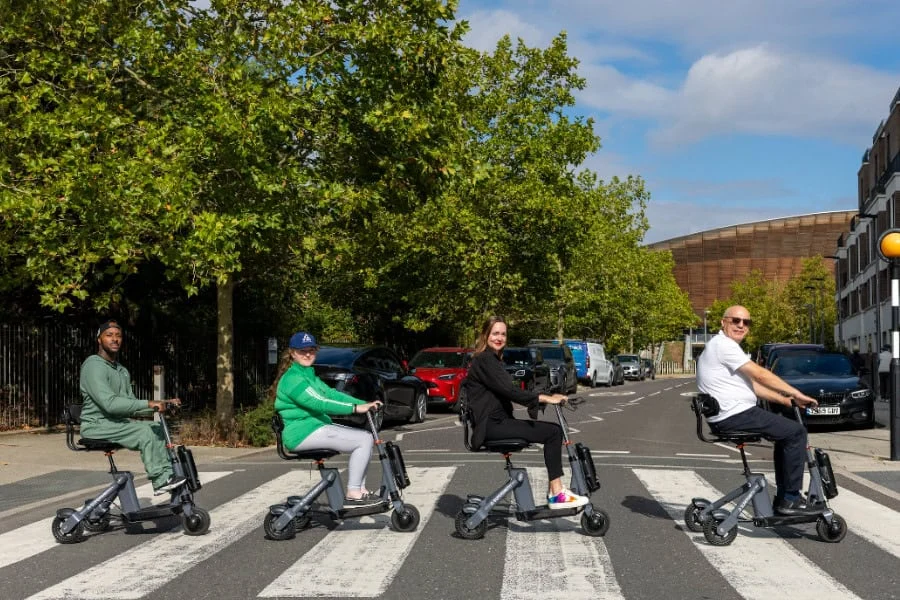
The 3Scooter places riders at approximately eye level rather than in the low position associated with conventional mobility scooters. Supersmith says its intelligent active suspension and robotic control system are designed to manage stability while travelling and cornering. The concept draws on technology associated with Formula 1, drones and e-bikes, while entrepreneur Tom Morgan says his sister’s experiences with existing products, including tipping risks, helped shape the project.
Testing and intended use
Supersmith tested the vehicle at London’s Queen Elizabeth Olympic Park on 23 September, showcasing its performance on hills, corners and curbs at the site’s facilities. The company presents the 3Scooter as a way for users to participate in galleries, concerts, sporting events, restaurants and social activities. It also plans to position the product beyond the traditional mobility-aid market, including potential department-store stocking and use at major London attractions.
Stigma and market ambition
Supersmith-commissioned research found that 81% of mobility-aid users believe mobility scooters carry stigma, increasing to 91% in Greater London. The research reported that 57% felt people looked down on them, 45% experienced isolation, and 48% believed a scooter could improve quality of life but would not use one because of stigma. The company and ambassador Victoria Jenkins argue that mobility products should combine practical function with design people may aspire to own.