US NPS page states summer-season availability; UK council page describes one local free loan scheme. Availability differs beach by beach - confirm with the local authority before travelling.
What Kind of Beach Wheelchair Do You Need?
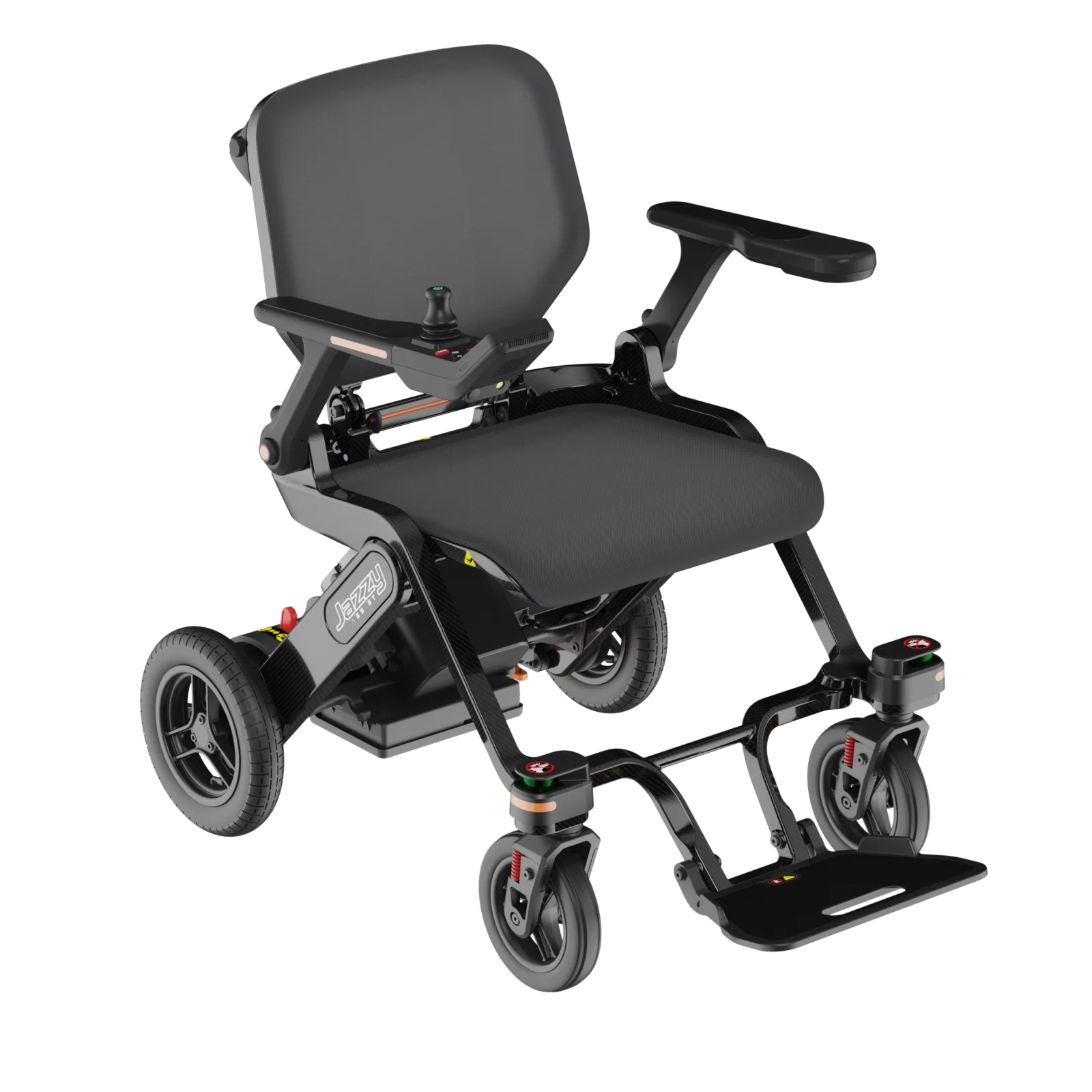
A standard everyday wheelchair is a poor fit for loose sand: narrow tyres sink, bearings clog, and powered chairs risk sand damage to motors and electronics. Purpose-built beach wheelchairs solve this in three main ways, and knowing which type a beach offers helps you plan.
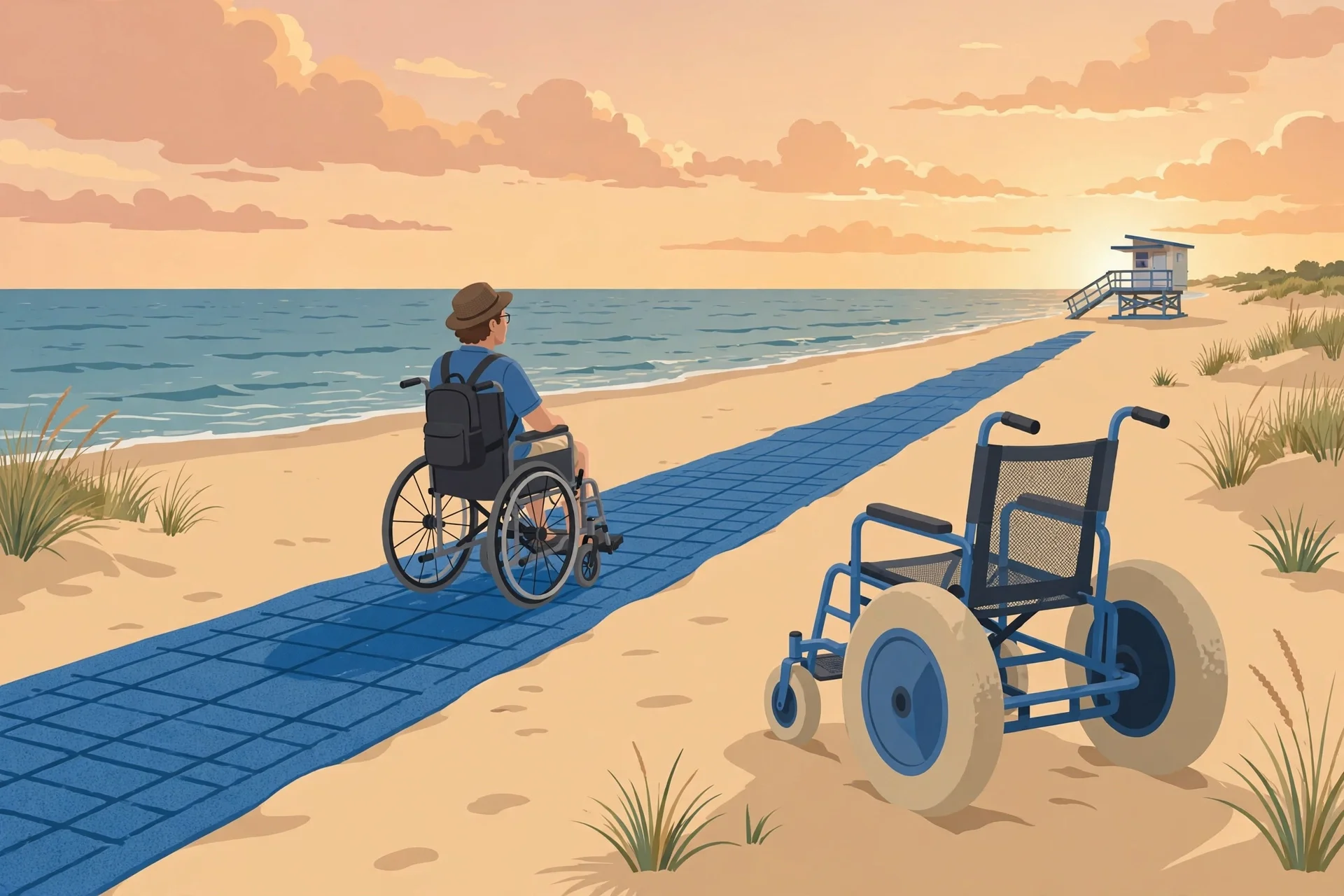
The most common type is the manual balloon-tyre chair. It uses wide, low-pressure tyres that spread the rider's weight over soft sand, and it is pushed by a companion like an ordinary manual chair. These are the chairs most often stocked by free loan schemes at public beaches, because they are simple, rugged, and easy to maintain. A second type is the floating or amphibious chair, which adds flotation materials so the chair can enter shallow water. These are only suitable where water entry is permitted and supervised — never take any wheelchair into surf alone, and always follow the local lifeguard guidance. The third type is the powered beach wheelchair: battery-driven chairs with wide tyres that let the rider drive themselves across sand. They are heavier, need charging, and are much less commonly available for hire, so most visitors will rely on a manual balloon-tyre chair and a helper.
Whichever type you use, treat the transfer between your own chair and the beach chair as part of the plan. Many beaches with loan schemes place accessible changing facilities, such as Changing Places toilets with hoists, near the loan point — for example, the Changing Places facility on the promenade at Bridlington in East Riding, which sits close to the council-run beach wheelchair hire point. If your beach does not have one, ask the loan scheme staff where the nearest accessible changing space is before you travel. Keep your own chair locked somewhere dry and shaded while you are on the sand, and never leave powered-chair batteries or cushions sitting in direct sun on hot days.
Beach Matting and the Route to the Shoreline
Even the best beach wheelchair struggles across deep, soft sand, which is why many accessible beaches lay out firm matting. Mobi-style mats are roll-out paths, usually in blue or natural tones, that create a rigid, non-slip surface from the promenade or car park down toward the water's edge. They are firm enough for wheelchair tyres, pushchairs, and walking frames, and they are typically installed seasonally — removed in autumn and re-laid in late spring — so a mat you saw last year may not be down in the off season.
The U.S. National Park Service's Cape Cod National Seashore describes this seasonal pattern clearly on its Guide to Beaches page (last updated September 2, 2026): where feasible, a Mobi Mat is placed down during the summer months to provide a firm surface helpful for strollers and wheelchairs. The same page notes that beach wheelchairs are typically available to borrow during the summer at Coast Guard, Nauset Light, Head of the Meadow, Race Point, and Herring Cove beaches — and that Marconi Beach does not have a beach wheelchair. That contrast is the point: availability varies beach by beach, even within one managed coastline, so you cannot assume every named beach in a park has chairs or matting.
Beyond mats, check the wider route. Is there a paved or boardwalked path from the car park to the top of the beach? Are the accessible parking bays actually near the access point, or at the far end of the promenade? Are toilets, drinking water, and shaded rest areas wheelchair-accessible, and are they open in the season you plan to visit? A quick call to the beach operator or lifeguard service the day before your trip can confirm which of these are in place — the accessibility page you read online may describe summer-season provision that is not yet installed if you visit early in the year.
Hiring, Reserving, and Planning the Trip
Many public beaches now run free beach wheelchair loan schemes, often through councils or local leisure operators, and some require advance booking while others lend on a first-come, first-served basis. Arun District Council's Accessible Beach Huts page describes a typical arrangement: a free beach wheelchair loan scheme launched at The West Green in Littlehampton, next to the water play area, delivered in partnership with Freedom Leisure. The scheme started with one adult beach wheelchair, with a children's chair expected later, and the council notes it is exploring bringing chairs to Bognor Regis in future. One chair per site is normal for small schemes — so arrive early in the day or, where the scheme allows, book your slot in advance through the operator's booking link.
Timing matters on the day itself. Plan your visit around low or mid tide: the firm, compacted sand near the waterline is the easiest surface for any wheelchair, but never position yourself where an incoming tide can cut you off. Check the beach's tide times timetable in advance — several UK beaches publish one specifically for access planning. Bring sun protection, drinking water, and a way to keep cushions and medical supplies dry, because beach chairs are usually bare frames with mesh seating.
Finally, confirm the essentials directly with the local authority or lifeguard service before you travel: whether beach wheelchairs and matting are currently available at that specific beach, whether they need booking, and where the nearest accessible toilet and changing facility is. Provision changes season to season, and only the operator can tell you what is in place today.