Homerton NHS checked 4 November 2026: virtual amount definition, 5 years adults / 3 years children, three options, ownership and repair rules. West Suffolk NHS checked same day via browser open: top-up VAT 20% unless exempt, third-party VAT exemption certificate, same-category rule, support plan, 5-year adult / 3-year child typical periods.
What a personal wheelchair budget is
The budget is not cash in hand. It is a virtual amount based on the cost to the NHS Wheelchair Service of providing a wheelchair that meets your assessed needs, and it is designed to give you more choice than a single prescribed model. You become eligible after an assessment of your mobility and clinical needs, and the wheelchair service develops a personal wheelchair support plan with you, covering what matters to you and what the chair must do. Your budget is unique to you: it reflects your prescription, not a standard allowance, and it cannot be used retrospectively for a chair you have already bought, or for a chair of a different category from the one prescribed. A budget for a manual wheelchair, for example, can only be used for a manual wheelchair.
The three options, compared
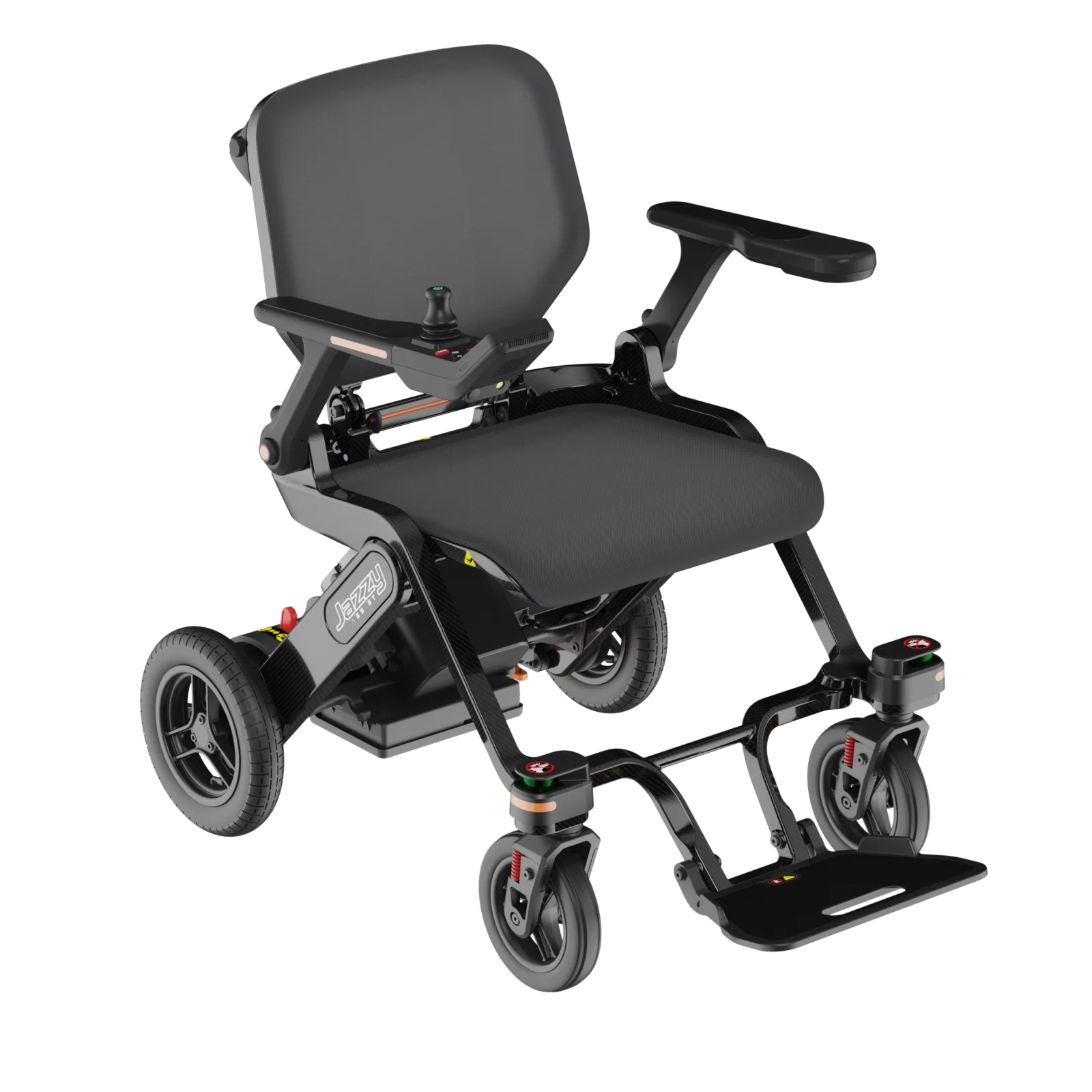
Option one, the notional budget, means accepting the NHS wheelchair prescribed for you at no cost. The chair remains NHS property and is repaired and maintained by the NHS, through its approved repair service. Option two, the notional budget with a top-up, means accepting the NHS wheelchair and paying a contribution for an upgrade or extra features, such as a seat riser on a powered chair. The chair remains NHS property, repairs on the basic equipment stay free, but repairs on the extras you added are your cost, and VAT at 20% may apply to the additional features unless you are VAT exempt and complete the exemption form. Option three, the third-party budget, means taking the budget value to an independent supplier outside the NHS. The budget is paid directly to the supplier, you pay any difference, the chair becomes yours, and you are responsible for its upkeep, repair, maintenance and insurance. Under the third-party option you are exempt from paying VAT to the supplier, but you must complete an exemption certificate.
Three options compared: notional budget, NHS owns the chair, NHS pays repairs, no cost to you; notional with top-up, NHS owns the chair, NHS pays repairs on basic equipment only, you pay the difference plus possible 20% VAT on extras; third-party budget, you own the chair, you pay repairs and insurance, budget paid directly to the supplier, VAT exemption certificate required.
What the budget does not cover
A personal wheelchair budget cannot be used for a chair of a different category from the one prescribed: a budget for a manual wheelchair can only be used for a manual wheelchair, and the same rule applies in the other direction. It also cannot be used retrospectively, since the budget is set at your assessment for a chair that meets your assessed clinical needs, and the support plan is drawn up before and at that assessment. Supplier rules also vary by service: under the third-party option you become independent of the wheelchair service during the voucher period, so West Suffolk advises choosing a supplier that can cover assessment, delivery, after-sales and repairs. Ask your own service for its authorised supplier arrangements and for its own list of options before committing, since some services offer a fourth local option and the details that bind you are your own service's rules, not another trust's leaflet.
How to decide between the three options
Choose the notional option if you want no cost and no maintenance responsibility, and you are happy with the prescribed chair. Choose the top-up if the prescribed chair is nearly right and one or two extras would make it work, and you can afford both the contribution and the future repair cost of those extras. Choose the third-party option if you want a specific model outside the NHS range and you are prepared to own the chair, arrange its maintenance and carry the insurance. In every case, discuss the choice with your wheelchair therapist before committing: the therapist confirms that the chair meets your assessed needs, and a chair that does not meet the prescription cannot be funded through the budget, whichever option you pick.