Pressure figures and maintenance intervals verified 2026-10-07 against the Model Systems Knowledge Translation Center wheelchair maintenance guide and Pride Mobility Jazzy owner-manual excerpts (35 psi / 2.4 bar for pneumatic drive tyres). Always follow your own chair's manual for exact pressures.
Why tyre pressure matters more than you think
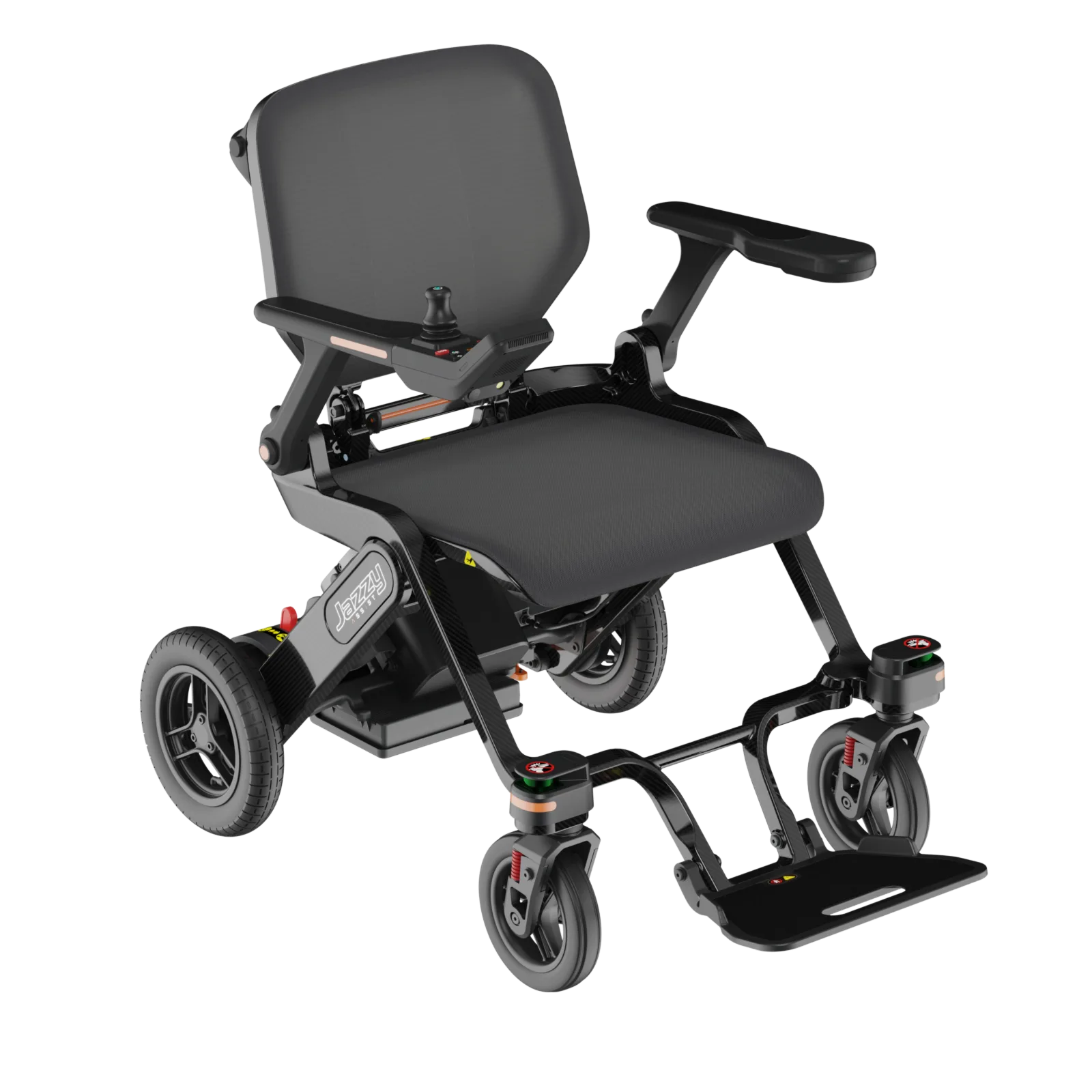
Most power wheelchair tyres are solid, but many chairs — including popular models from Pride Mobility — use pneumatic drive tyres, and those need air. The owner's manual for the Pride Jazzy range specifies 35 psi (2.4 bar) and warns plainly: do not underinflate or overinflate. Low pressure makes the chair harder to control and less stable, increases rolling resistance (which drains the battery faster), and causes uneven wear that shortens tyre life. Overinflation is not a fix — overinflated tyres can burst, and the manuals warn against using a high-pressure hose to inflate them. The correct pressure for your chair is printed on the tyre sidewall and in your owner's manual; use that figure, not a generic number from the internet. If your chair has solid tyres, pressure checks do not apply — but the wear inspection below still does.
The weekly and monthly routine
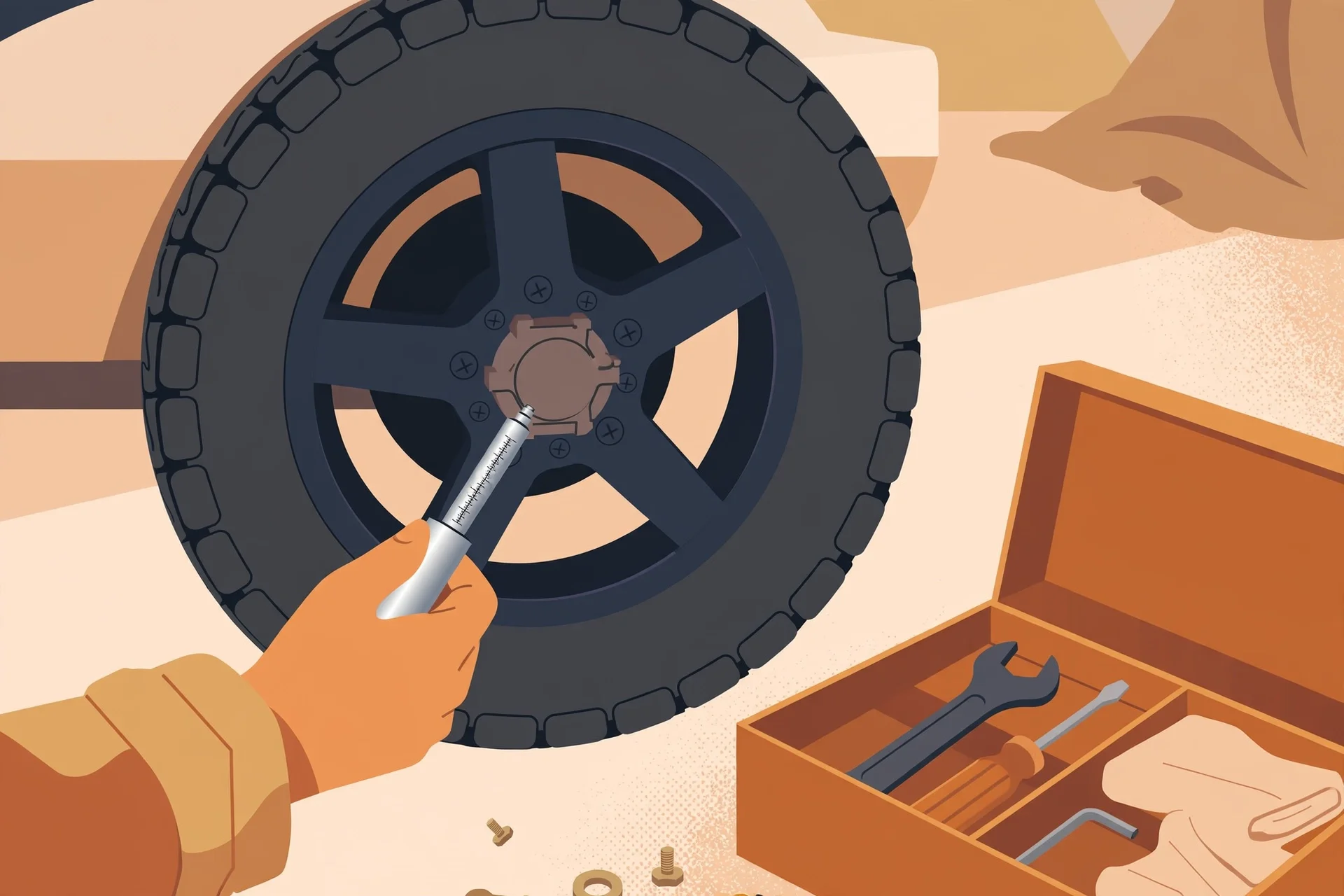
Weekly, if your tyres are pneumatic: check the pressure. Press down firmly on the tyre with your thumb — if you can depress it more than about 5 mm, it needs air — then confirm with a gauge and inflate with a bike pump to the manual's figure. Rehabilitation maintenance guidance recommends this thumb-and-gauge check every week. Monthly: inspect all tyres — drive tyres and castors — for wear, cracks, bulges, looseness, damage and flat spots. Tread worn smooth lengthens braking distance and hurts manoeuvrability; sidewalls bulging under pressure signal internal damage. Check the castor wheels too: look for flutter (a rapid shimmy at speed), which can pull the chair off line, and clear hair and lint from the axles and bearings, which otherwise cause premature wear. Listen for clicking or grinding from the bearings — both mean replacement is due. Keep a simple log: date, pressures, and anything you noticed. It takes five minutes and it is the record a service technician will ask for.
When to inflate, when to replace, when to call a dealer
Inflate when pressure is low but the tyre is otherwise sound — no cracks, no bulges, even tread. Replace when the tread is worn smooth, the sidewall is cracked or bulging, or the tyre has flat spots that thump as you roll; tyre replacement is a job for a maintenance expert, not a DIY project, because seating and alignment are affected. Call your dealer or authorised provider when you find anything you are unsure about — inconsistent handling, a castor that will not stop fluttering, or damage you cannot explain. Two things never to do: never use a rubber conditioner on the tread area (it makes tyres slippery and can cause skidding — sidewalls only), and never ignore a slow puncture in the hope it seals itself. And remember the temperature note from the manuals: extreme heat or cold affects both batteries and tyres, so store and charge the chair between −8 °C and 50 °C where possible.