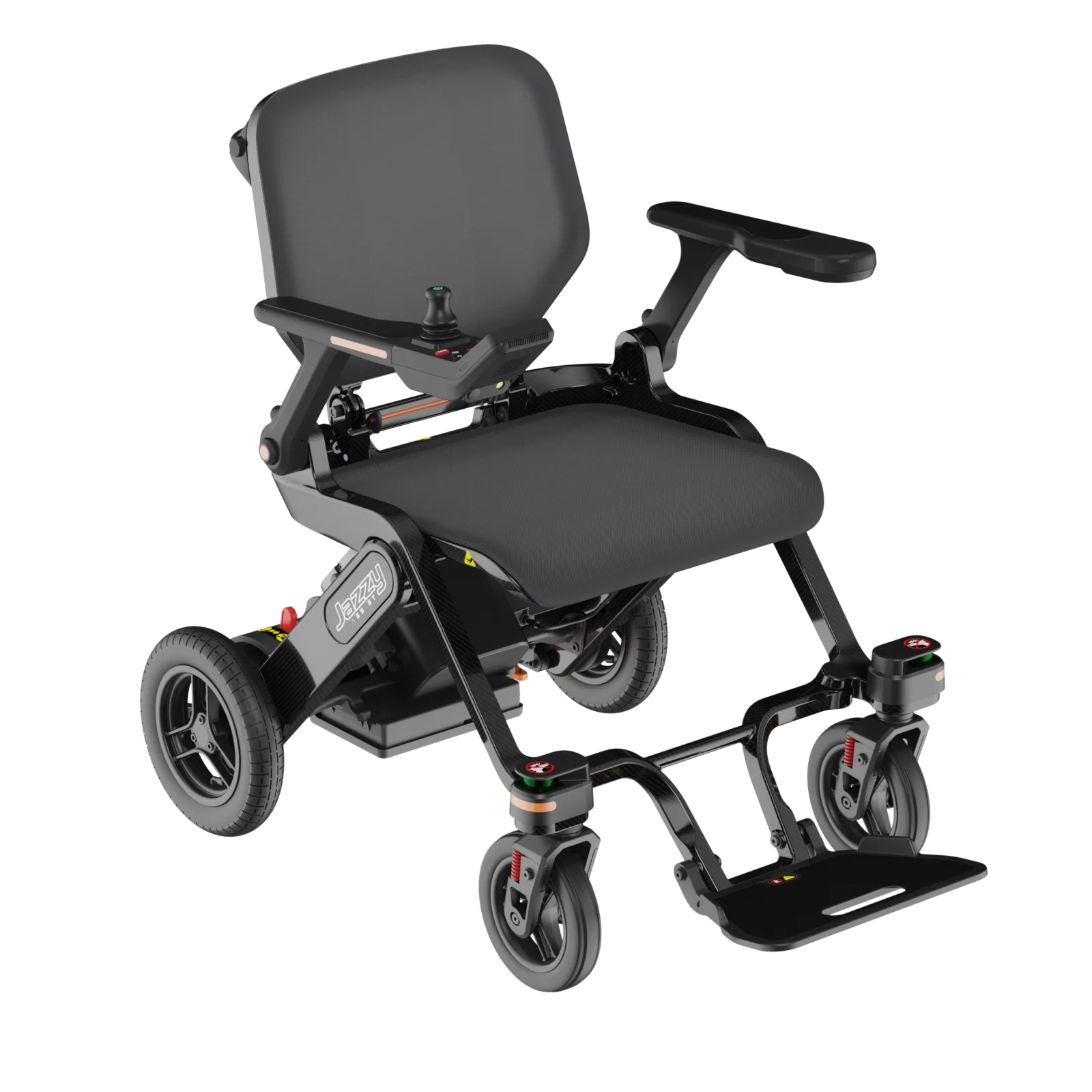
Clinical process description based on Physiopedia's Wheelchair Assessment (WHO 2023 guidelines framework) and Northwestern Medicine pressure mapping. Individual assessments vary.
Why the assessment matters more than the catalogue
The World Health Organization's wheelchair service model runs Select, Fit, Train and Follow-Up — and assessment sits underneath all of it. Its 2023 Wheelchair Provision Guidelines treat comprehensive, individualised assessment as the foundation for every later decision about wheelchair selection, fitting and training. The stakes are concrete: inadequate assessment is associated with pressure injuries, postural deformities, pain, reduced function and less community participation, while systematic assessment is linked to improved quality of life.
In practice this means the appointment is not a formality before a prescription — it is the prescription. A good assessor is trying to answer three questions: what your body needs, what your life demands, and what equipment bridges the two safely. The process has three components: an assessment interview, a physical assessment, and body measurements. Knowing what each involves helps you give better answers and spot a rushed job.
Part one: the interview
The interview should feel like a collaborative conversation, not an interrogation. WHO guidance stresses it must be a partnership between you and trained personnel — you are the primary source of information, addressed directly even if a carer or family member is present. Good clinicians use open-ended questions: 'Tell me about a typical day,' 'What does your wheelchair need to help you do?' They deliberately avoid leading you toward an expected answer.
Four areas are covered. Your information and goals — what you need the chair to help you do, now and over the next few years, because provision should anticipate change, not just today's needs. Your physical condition — diagnoses, pain, fatigue, skin integrity and pressure injury history, sensation, and how posture or energy change across the day. Your lifestyle and environment — where the chair will be used (home, work, school, transport), how far you travel, how you transfer, and positioning when you are out of the chair; photos of your home on your phone can be genuinely useful. And your existing wheelchair — what it does badly, what has changed, whether a repair or adjustment could fix it instead of a new chair. Assessment starts the moment you arrive: a good clinician is already observing how you navigate, how you sit, and signs of discomfort or fatigue.
Part two: the physical and postural assessment
The hands-on part usually begins with an explanation — including that you will be asked to transfer out of your current chair — and then works through several elements. Skin checks come first where there is any pressure-injury risk: inspection of load-bearing areas, ideally in supine or side-lying so the clinician can see the tissue that bears weight in sitting, looking for wounds, scars or skin changes consistent with pressure from bony prominences.
Next, propulsion method is recorded (both arms, one arm, legs, attendant-pushed) because it affects chair selection and configuration. Sitting balance is assessed in stages — observing unsupported sitting, screening pelvis and hip posture, and using hand simulation — to determine what postural support you need; the goal is the most upright posture you can safely and comfortably maintain without losing function, not a textbook upright that you cannot hold. A musculoskeletal examination covers range of motion, joint flexibility, muscle length and skeletal alignment, plus neurological factors such as muscle tone and spasticity patterns. Posture is assessed in your existing wheelchair, lying supine, and in supported sitting on a firm surface, because each reveals something different.
Part three: measurements and pressure mapping
Accurate measurements require you out of your current device on a firm, supported surface — a height-adjustable mat table is ideal. Clinicians are explicit about this: it is better to reschedule than to take inaccurate measurements that produce a poorly fitted chair. Seat width, depth, back height and other dimensions are taken here, and trial or demonstration equipment is often available to try.
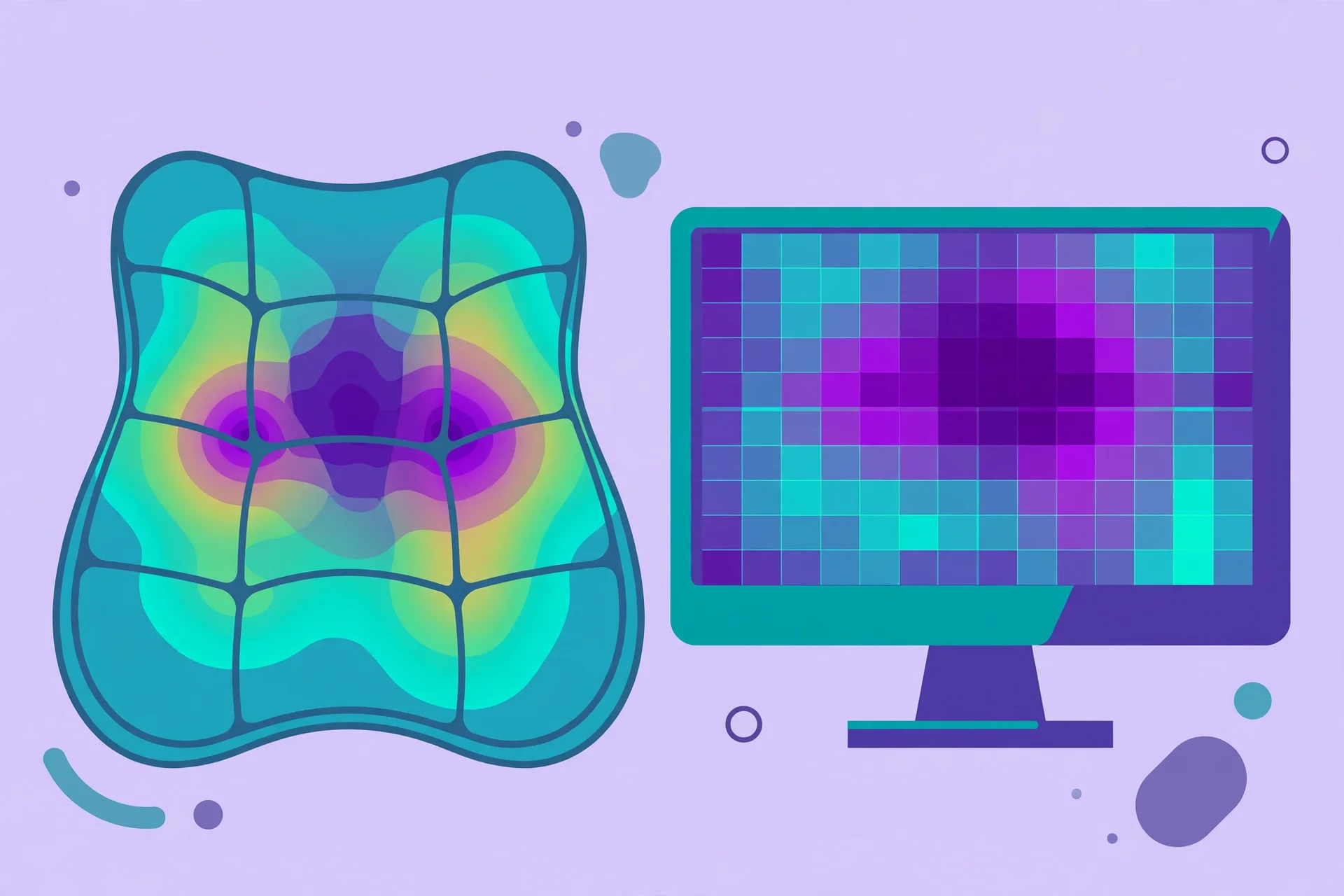
Pressure mapping is the technology people ask about most. A sensor mat is placed between you and the seating surface being tested; a monitor shows you and your care team, live, where pressure is distributed and how it changes as you move. The standard protocol maps you on your own surface first, then on a small number of alternative cushions, recording each for five to eight minutes of sitting. The clinician ranks the maps by pressure distribution — even spread, good femoral loading, no extreme hotspots — and combines that with your comfort, transfers, posture and stability to choose a cushion. It is also used as biofeedback, showing you which tilt or recline positions genuinely off-load pressure. One honest limitation: pressure mapping does not show shear forces, which also cause skin breakdown — so it is one tool in clinical decision-making, never the whole decision.
How to prepare and what happens after
Prepare like the appointment decides your next five years, because it might. Bring: a list of what your current chair does badly; photos or rough measurements of your doorways, bathroom and car; notes on a typical day's distances and surfaces; any history of pressure injuries or skin problems; and questions — the Spinal Injuries Association specifically recommends bringing them. Be realistic rather than aspirational about your lifestyle; the chair has to work on your worst days, not your best.
After assessment comes selection, fitting, training and follow-up — the rest of the WHO model. You should be told what was decided and why, get time in the recommended equipment before it is finalised, and be trained in its use, pressure relief and basic maintenance. And the process does not end at handover: if your condition, weight, home or daily life changes, ask for reassessment. A chair that fitted two years ago may not fit now, and the service exists for exactly that.