Based on the linked source; automatically prepared and checked against the original report.
Temporary changes, significant needs
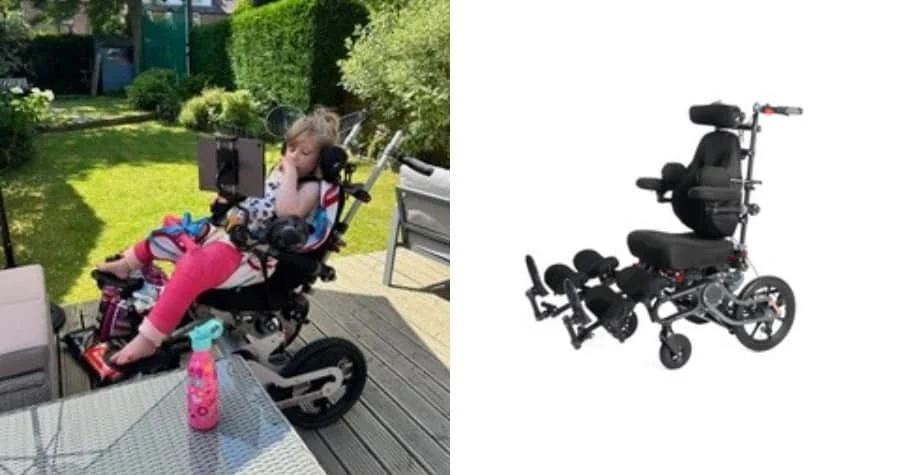
Chunc argues that temporary changes in mobility after surgery, spinal correction or trauma can leave children needing specialist seating for weeks or months. Existing equipment may become unsuitable, while routine activities such as meals, appointments, family life and school become difficult without support.
Assessing the wider rehabilitation journey
Transitional seating should be assessed against posture, function and environment, according to the source. Appropriate provision may help maintain alignment, pressure management, comfort and therapeutic goals, while enabling participation at home, school and in the community. It may also reduce physical demands on parents and carers and help clinicians bridge discharge, rehabilitation and longer-term seating.
Consequences of inadequate support
The source warns that inadequate support can increase fatigue or discomfort, restrict education and everyday activities, and increase reliance on carers for positioning and transfers. It describes a case in which LJ, after intensive care and complex spinal surgery, had improved oxygen saturation after positioning, allowing rehabilitation to continue during the move home. Chunc says it will explore the topic in a 30-minute seminar at OTAC Cardiff and OTAC London.