Chemistry is only one part of compatibility
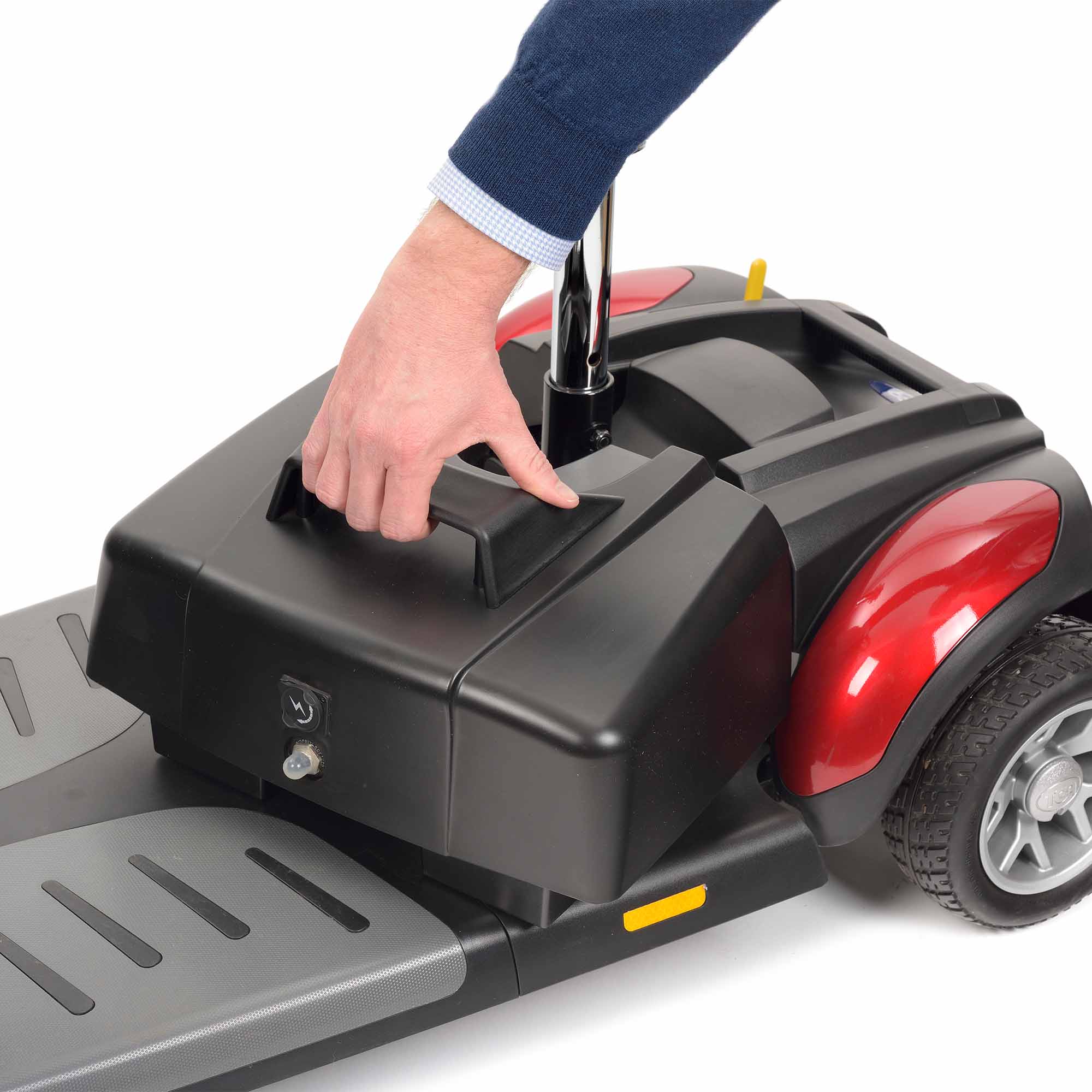
Battery descriptions may mention lithium-ion, lead-acid or a more specific chemistry. That label does not establish that two packs are interchangeable. The chair’s approved system also involves voltage, connections, charging and protective electronics. Use the replacement specification supplied for the exact model.
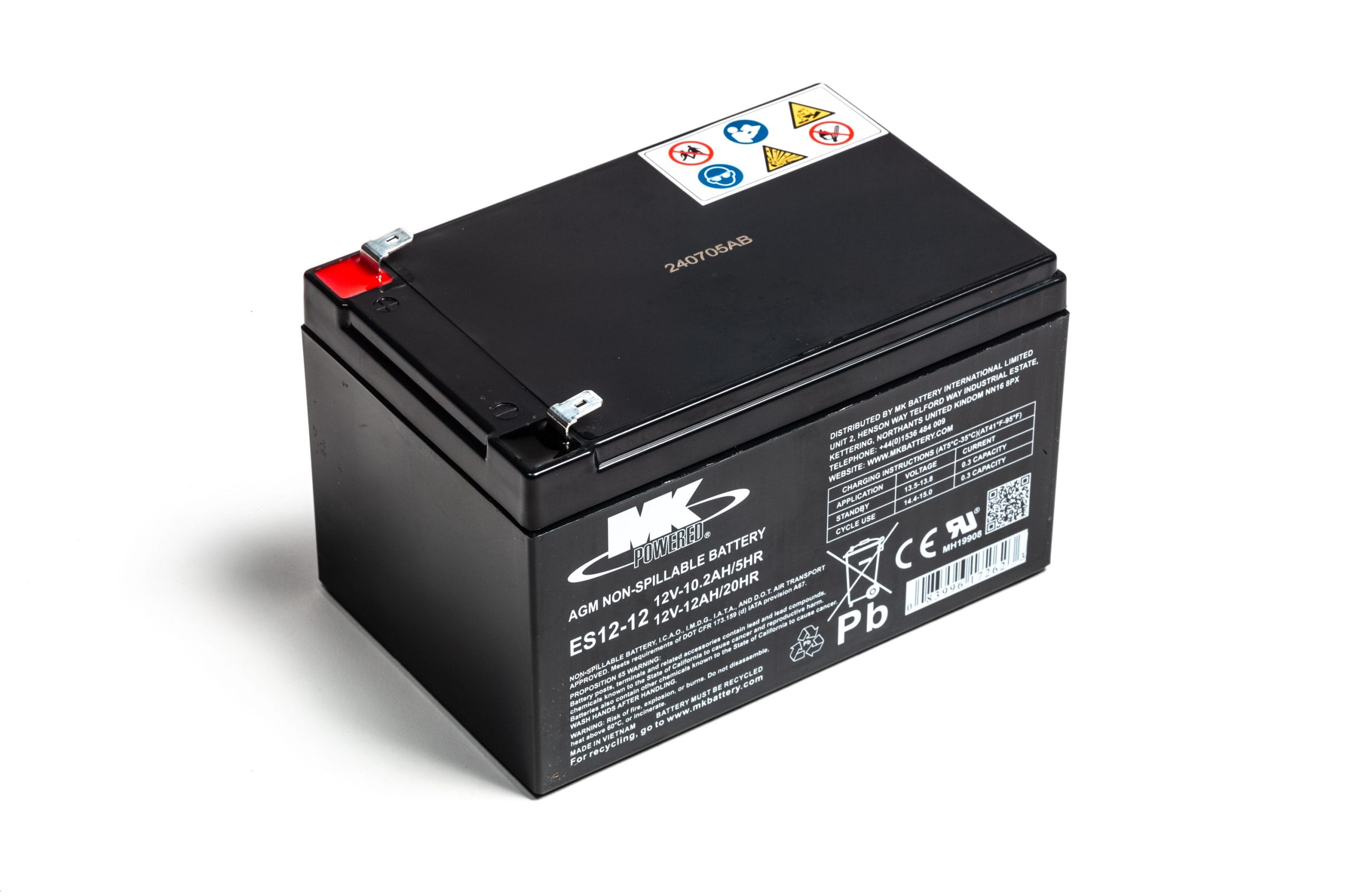
Read the label as a set of fields
| Field | What it helps establish |
|---|---|
| Part number | The specific pack, not just its chemistry. |
| Voltage | The electrical system it is intended for. |
| Capacity and energy | The stated Ah and Wh, on a consistent basis. |
| Approved charger | The charging equipment specified for that pack. |
Amp-hours need a voltage to become comparable
Amp-hours alone can mislead when packs operate at different voltages. Nominal watt-hours can be calculated as volts multiplied by amp-hours. As an arithmetic example, 24 V × 10 Ah is 240 Wh, while 36 V × 10 Ah is 360 Wh. These example packs are not interchangeable, and the calculation does not predict a chair’s real-world range.
When a product lists a range figure, look for its test conditions and configuration. Terrain, load and use can change the result. A larger nominal energy figure should not be converted directly into a promised distance.
Keep the charger with the approved system
A connector that fits is not proof that a charger is suitable. Confirm the charger reference when ordering a battery and follow the charging and storage instructions for that system. If the battery has been damaged or behaves unusually, stop using it and seek appropriate service advice.
Keep travel documentation with the pack
For travel, keep the manufacturer’s battery documentation with the equipment details. Carrier acceptance is a separate check; a chemistry label alone is not a complete travel approval.