Cushion type comparisons and care intervals cross-checked across SpinLife, Mobility Shop Direct and AgingCare guides
In brief
- Match cushion type to daily sitting hours and skin risk: foam for short stints, gel or air-cell for all-day use.
- Air-cell cushions give the strongest pressure redistribution but need weekly pressure checks; foam needs monthly compression checks.
- No cushion replaces repositioning every 15-30 minutes and daily skin checks.
Why cushion choice matters
Pressure injuries develop where bone presses skin against a seat for long periods without relief, most often around the sitting bones, tailbone and hips. A good pressure-redistributing cushion spreads that load over a wider area, but no cushion replaces movement: try to shift your weight every 15 to 30 minutes with forward or side leans, or pressure-relief lifts if you have the upper-body strength. Check your skin daily for red spots that do not fade, and ask your clinician about a professional seating assessment if you sit all day or have had skin problems before.
The four types, compared
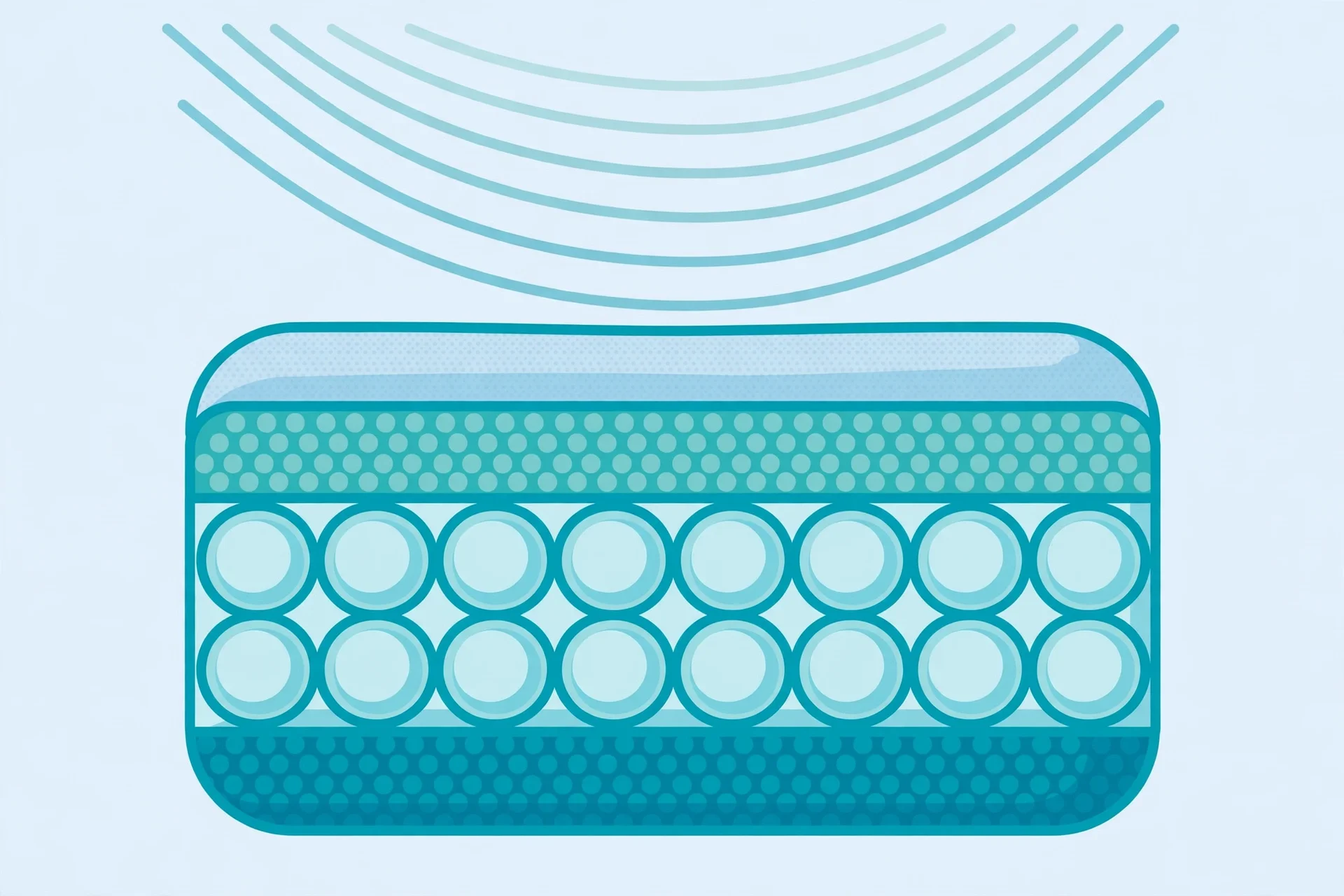
Foam cushions are lightweight, affordable and easy to handle, and high-density or contoured foam gives decent support — but foam compresses over time and offers the least pressure relief, so it suits shorter or occasional sitting. Gel cushions use gel inserts that flow to conform around your body, distributing pressure more evenly with a cooler seating surface; they are heavier, and the gel can shift and need redistributing. Air-cell cushions use interconnected air pockets that adjust to your shape and provide the strongest pressure redistribution of the passive types, which is why they are the usual choice for high-risk users such as those with spinal cord injuries — the trade-off is weekly air-pressure checks and puncture risk. Honeycomb cushions use a flexible cellular structure that ventilates well while spreading load; they are durable and easy to clean but typically cost more than basic foam.
How to choose — and how to look after it
Match the cushion to your day. An hour or two of sitting: a flat foam cushion is usually enough. Four to eight hours: step up to a shaped or contoured foam, or a gel-foam combination. Eight to twelve hours or a history of skin issues: talk to your clinician about gel or air-cell options. Whatever you choose, the cushion must match both your wheelchair's seat size and your body — a cushion that is too small or too large creates new pressure points instead of removing them. Care is type-specific: check foam for compression monthly and replace it if it stays more than a quarter compressed; massage gel weekly to redistribute it and inspect the cover for leaks; check air-cell pressure weekly with the hand method and watch for punctures. Replace any cushion on the manufacturer's schedule, not when it visibly fails.