Separate the purchase from the recurring bills
The chair price is only one line in an ownership budget. Delivery, an assessment, accessories and a vehicle-loading solution may be separate purchases. Recurring costs can include servicing, replacement batteries, tyres and repair call-outs. Put included services beside the quotation so that two packages can be compared on the same basis.
A quote comparison that catches omissions
| Cost | Record alongside the amount |
|---|---|
| Delivery and setup | What happens at handover and whether adjustments are included. |
| Routine service | Interval, location and travel or collection charges. |
| Battery replacement | Compatible part, installation and delivery. |
| Breakdown support | Call-out coverage, exclusions and temporary equipment arrangements. |
Estimate charging from energy, not charger wattage alone
A charger’s printed power rating does not tell you exactly how much electricity a charging session consumes. A suitable energy meter can record consumption at the socket; use it only with equipment and sockets appropriate for the charger. Multiply recorded kilowatt-hours by your electricity tariff.
For illustration, a session using 0.5 kWh at £0.25 per kWh costs £0.125. Three such sessions each week would cost about £19.50 over 52 weeks. These are example inputs, not a measured wheelchair result or a current tariff. Different use and charging losses change the total.
Keep an irregular-expense reserve
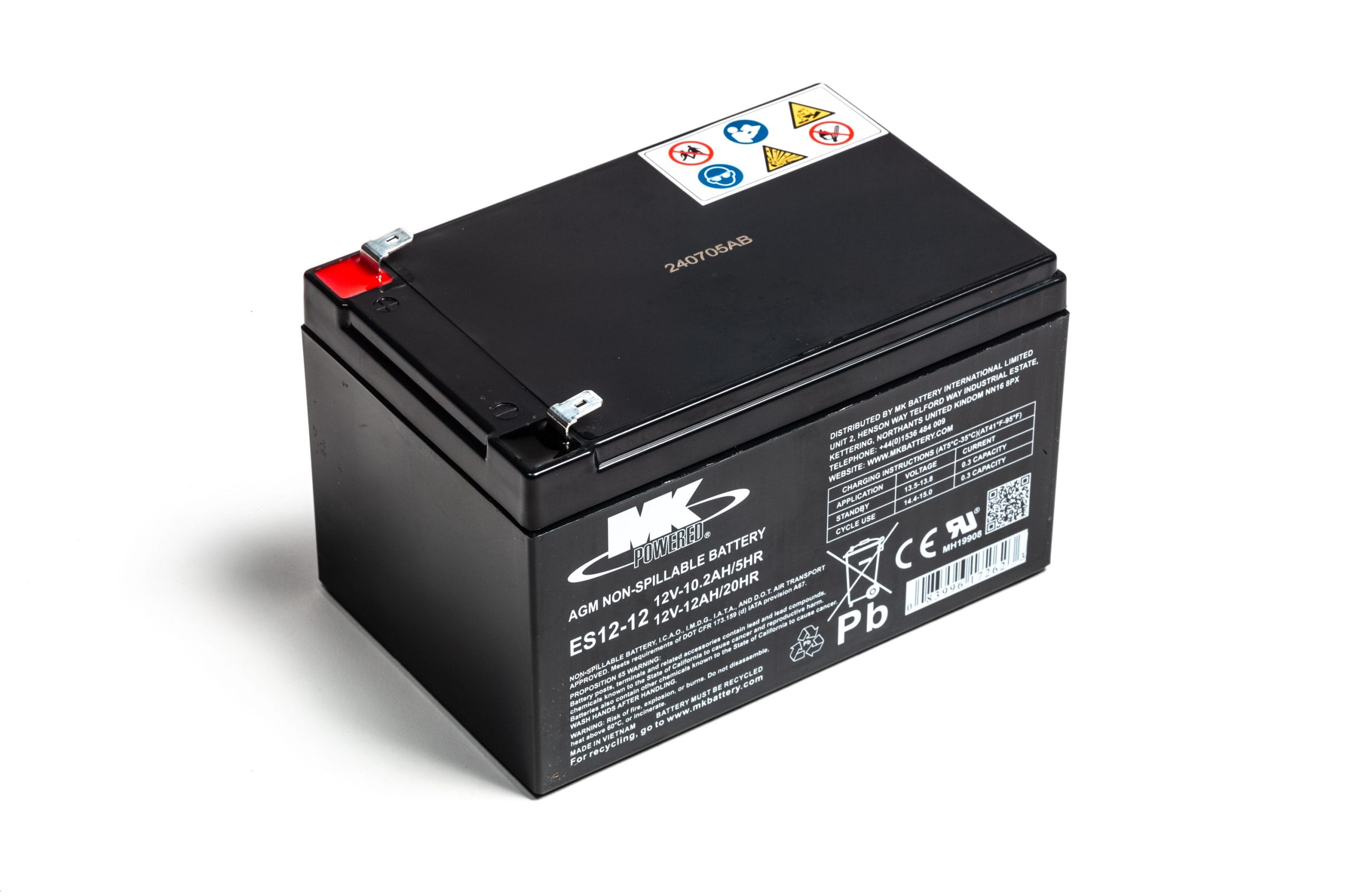
A battery replacement is not usually a monthly purchase, but excluding it makes the budget look artificially small. Ask for the price of the correct replacement pack and whether labour or delivery is additional. Record the quote date rather than treating it as a permanent price.
The most useful budget shows what is known, what is included and what is still an estimate. That makes a lower purchase price easier to assess against the support package you will actually need.