In brief
- Up to 18 chairs in Changi’s transit areas.
- Airport staff coordinate the service; travellers can request support.
The announcement
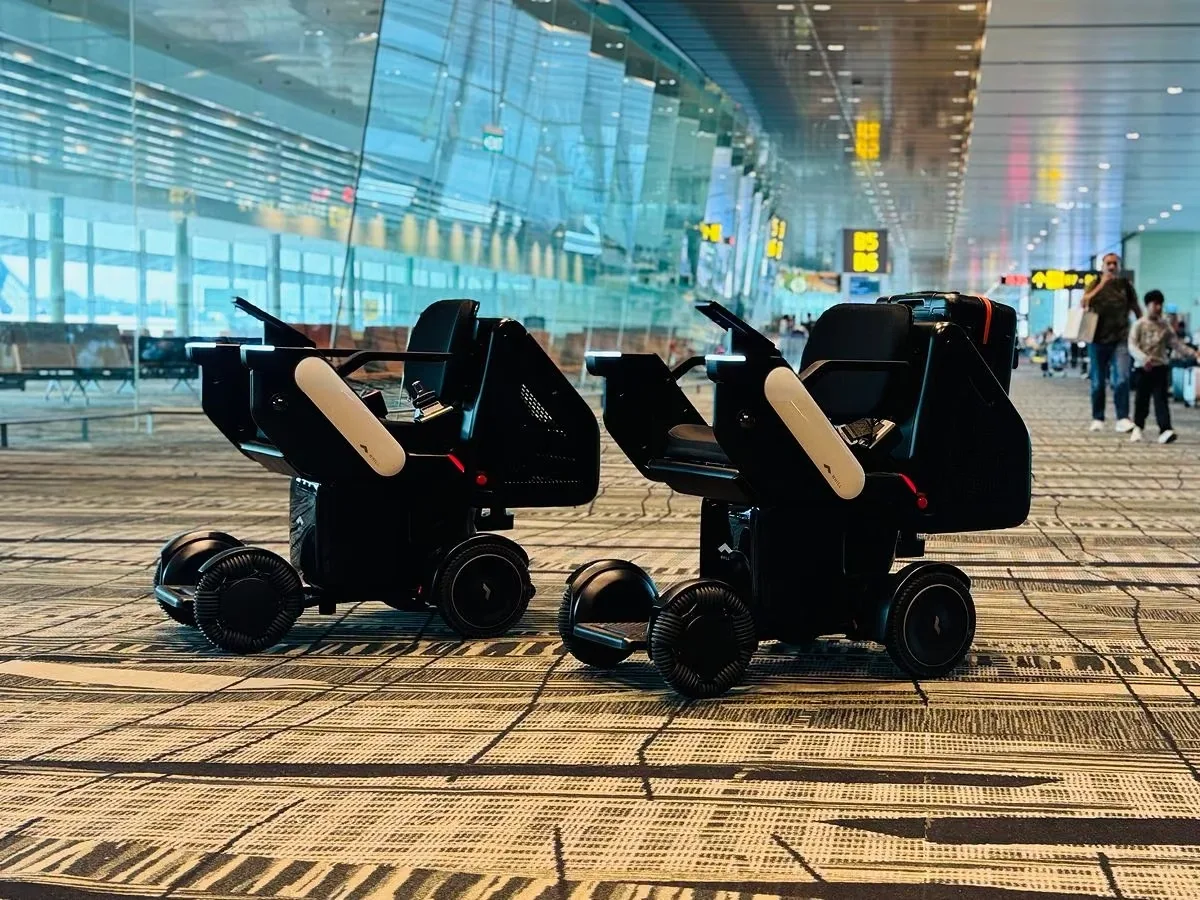
WHILL says its Changi service will progressively deploy up to 18 chairs in the transit areas of Terminals 2 and 3. The announcement follows a trial that began in March 2025.
How it works
Airport staff dispatch the chairs to arrival gates. The service carries passengers to a special assistance lounge and can provide onward transport to connecting gates. Staff assistance remains available on request.
What it means for your journey
This is an airport-operated service, not a self-driving upgrade for a personal folding chair. Confirm assistance arrangements with your airline and airport before travelling; coverage is specific to the terminal and journey.
A service handover worth planning
For a traveller, the important question is whether each part of the journey joins up. A ride through a terminal is only one part of the trip: reaching the assistance desk, transferring if needed, boarding and collecting a personal chair all deserve attention.
When you discuss a connection, describe the help you need in practical terms. Explain whether you can transfer, whether you are travelling with another person and whether your own chair will remain with you. Keep the confirmation accessible without relying on airport Wi-Fi.
Our perspective: autonomy should include choice
A useful way to assess any assisted service is to ask what happens when the planned journey changes. Can you ask to stop? How do you summon a member of staff? Where will you wait if a gate changes? These are questions to put to the operator, not capabilities to assume from the word autonomous.
For people comparing personal powerchairs, airport automation also illustrates why individual features need clear names. A reversing camera, steering assistance and an airport navigation service do different jobs. Choose according to the task you need help with.