US rules under 14 CFR 382.65, effective October 2, 2026; phase-in dates through October 2, 2031. Passenger assistance rights from the US Department of Transportation's official page, verified 2026-10-09. Applies to US and foreign airlines operating to/from the United States only.
What the new standards change
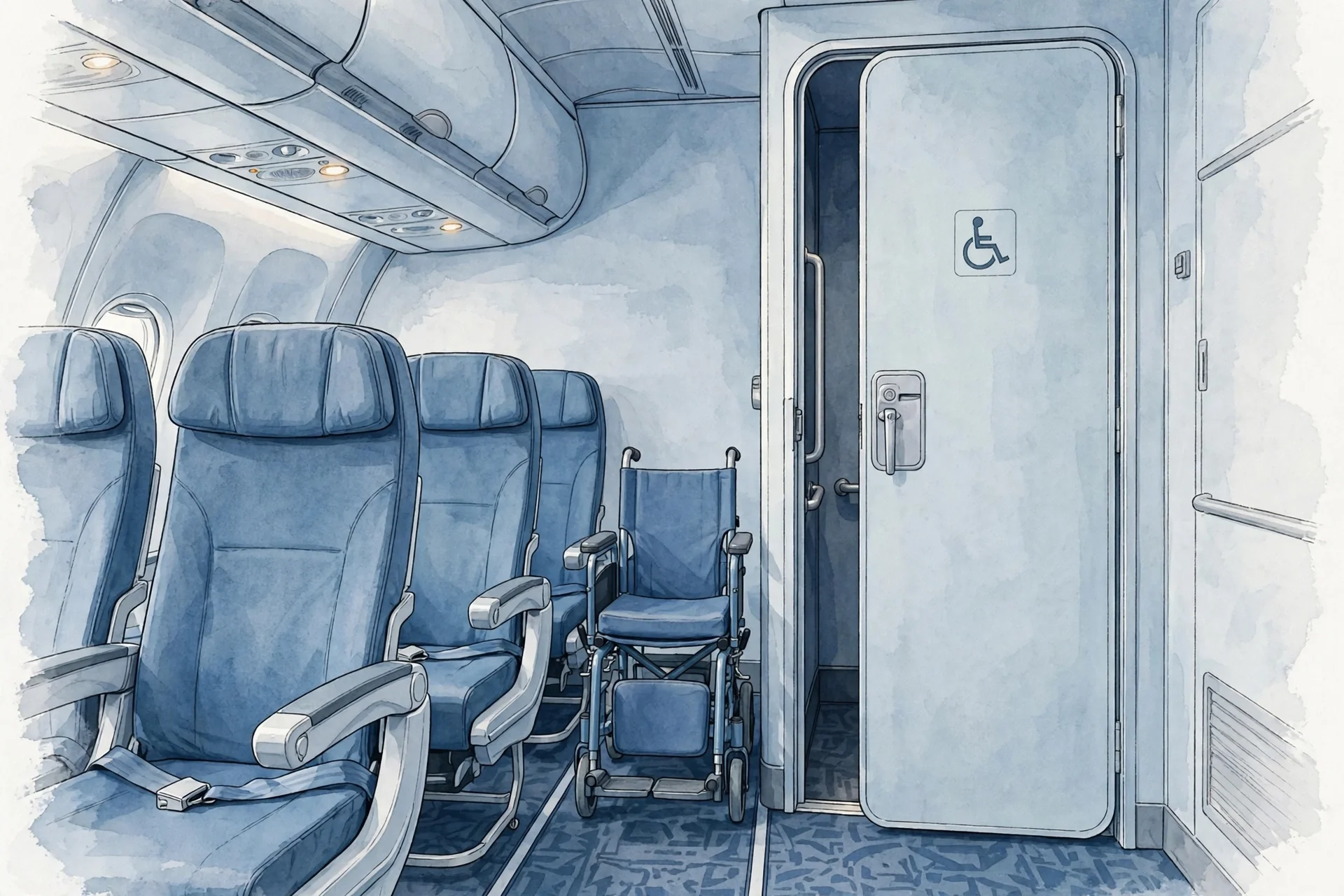
The requirements sit under 14 CFR 382.65, part of the US Air Carrier Access Act, and they apply to both US and foreign airlines operating flights to or from the United States. From October 2, 2026, any new single-aisle aircraft with an FAA-certified maximum seating capacity of at least 125 seats, delivered with lavatories, must carry an onboard wheelchair built to enhanced standards. The new chairs must be manoeuvrable forward and backwards through the aisle by an attendant, have a seat height that eases transfers, lockable wheels, a padded seat and backrest, proper restraints and repositionable arm and foot supports — and crucially, they must be able to manoeuvre into an accessible aircraft lavatory so a passenger can transfer to the toilet with the door closed. The rollout is staged: from October 2, 2026 any replacement onboard wheelchair on aircraft with 125 or more seats must meet the standards; newly acquired chairs for aircraft with more than 60 seats must comply where compliant equipment is available; and by October 2, 2031 every onboard wheelchair on aircraft with more than 60 seats must meet the enhanced standards.
What you can ask for on every flight, right now
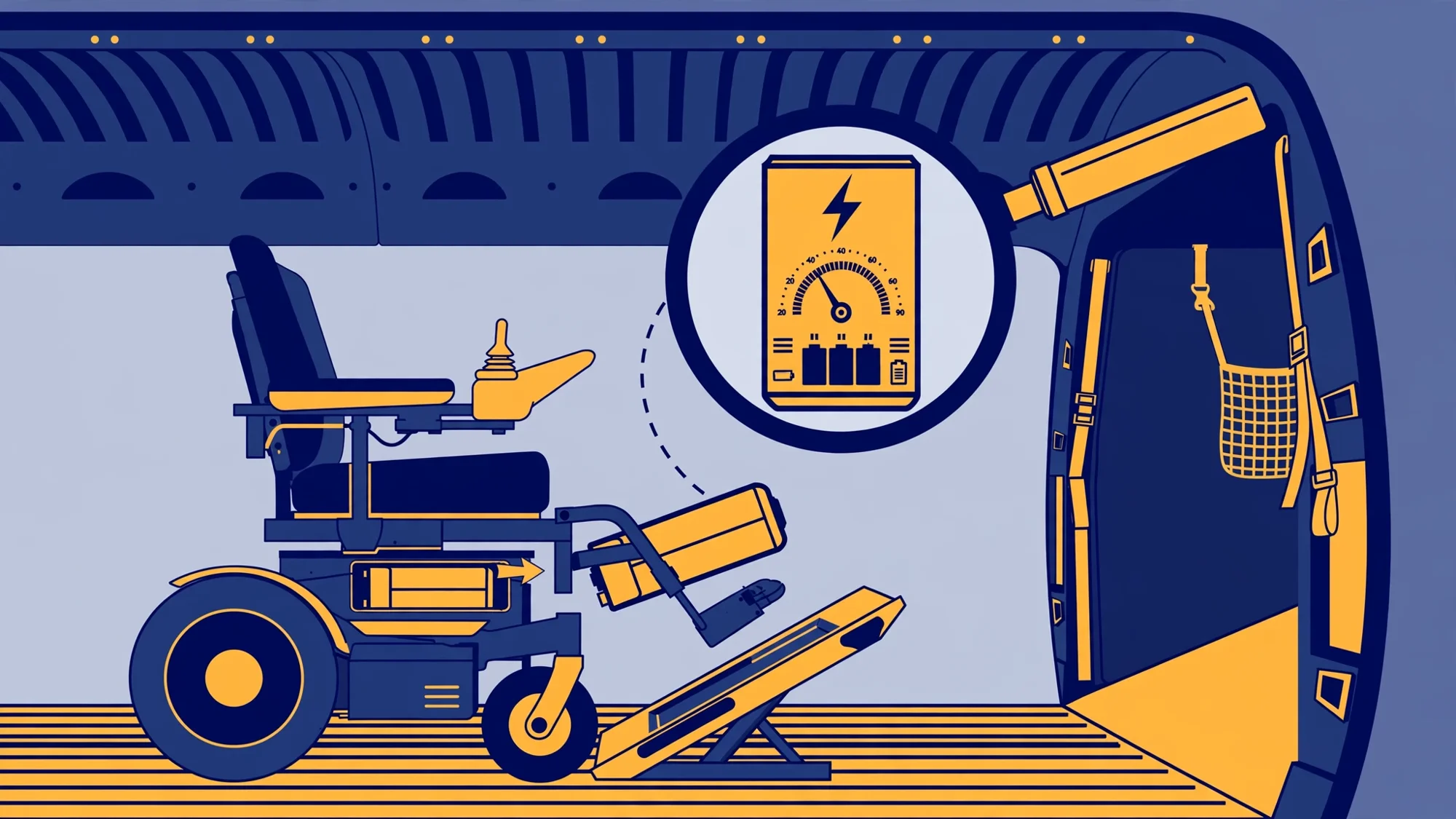
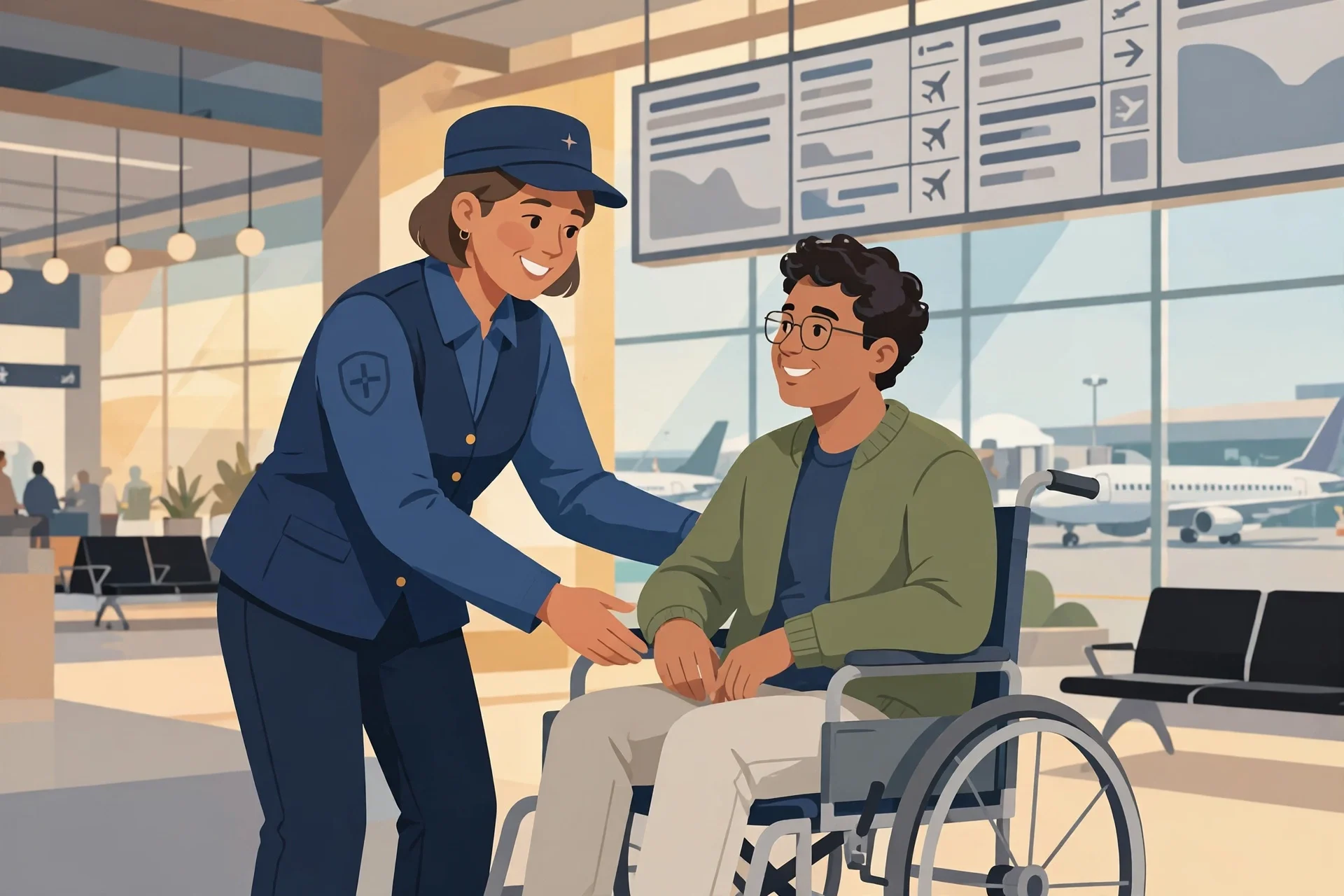
The equipment upgrades phase in over years, but your assistance rights apply today. Airlines must promptly provide wheelchair assistance through the whole airport journey — from terminal entrance to gate, through security, onto the aircraft to your seat, and in reverse on arrival, including to connecting flights and baggage claim. Practical points worth knowing: you must self-identify to airline staff at the airport as the passenger who needs assistance, even if your booking is notated — staff cannot match a request to a silent traveller. You are entitled to board before other passengers if you need extra time. If you travel with a battery-powered wheelchair, arrive one hour before the normal check-in time. You can stay in your own wheelchair until the gate, where it will be taken and returned to you at the gate on arrival; if you cannot walk, you are moved to your seat in an aisle chair. And if you are not independently mobile, the airline must not leave you unattended for more than 30 minutes — even if someone is travelling with you, unless you explicitly agree otherwise.
If something goes wrong: complaints and what is changing next
If you believe your rights have been violated, ask to speak with the airline's Complaints Resolution Official (CRO) — every airline must make one available to you, in person at the airport or by telephone while operating, at no cost. The CRO is the airline's expert on disability accommodation issues, and asking for one is the fastest way to escalate a problem on the spot rather than writing letters afterwards. Looking ahead, the industry is still catching up: onboard-wheelchair manufacturer Airchair has launched a free two-to-three-minute online assessment so airlines can check which of the new requirements apply to their fleets — a sign that some operators were still unaware of the October deadline. Passengers should not need to audit their airline, but knowing the rule exists gives you standing when you ask for the aisle chair or an accessible lavatory. And a reminder on the bigger picture: these US rules apply to flights to and from the US only. If you are flying within Europe or from the UK, different regulations — such as the retained EU rules on assistance — apply instead.