UK driving. Assessment arrangements and licence coding as described by nidirect and driving instructor guidance checked 2026-10-25; individual medical fitness decisions rest with the licensing authority.
In brief
- Book an assessment before buying a car or adaptations
- Hand controls usually pair with an automatic gearbox
- Licence codes follow the controls you test in
Start with a driving assessment, not a car purchase
A driving assessment looks at whether you can drive safely, which controls you can operate, and what adaptations would help. Assessment centres are staffed by healthcare professionals, usually occupational therapists, working with approved driving instructors, and they can advise people learning for the first time, returning after illness or injury, or checking fitness at licence renewal. An assessment typically explores whether a standard manual car, an automatic, or adapted controls suit you, and it can include practical driving once you hold a provisional licence. Centres with off-road facilities may be able to offer some practical assessment before a licence is issued, but the full in-car assessment normally needs a provisional licence first. Book the assessment before committing to a car or expensive adaptations.
Hand controls and other common adaptations
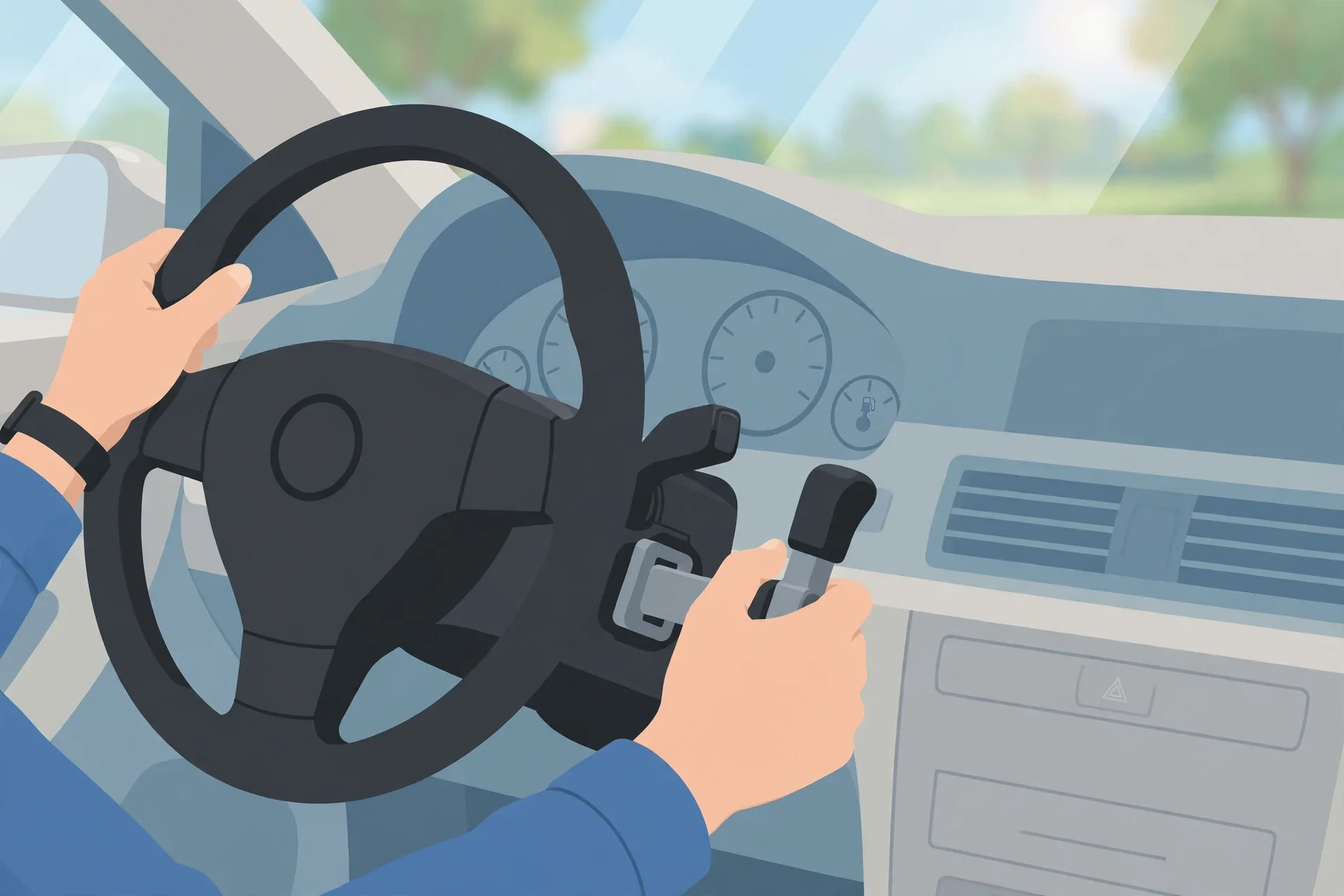
Hand controls work the accelerator and brake from a lever, and they are usually paired with an automatic gearbox. Other adaptations that assessors commonly consider include a steering wheel knob for one-handed steering, a left-foot accelerator, extended or relocated indicators and horn controls, and a handbrake moved within reach. For getting in and out of the car, options range from swivel seats and transfer plates to wheelchair hoists and tail lifts. The right combination depends on your strength, range of movement, and the car itself, which is why trying adaptations in an assessment vehicle matters more than reading a catalogue. If you pass your test in an automatic car, your licence will restrict you to automatics, and if adapted controls are required, your first full licence will be coded for those controls.
Finding a specialist instructor and a tuition car
Ask the assessment centre to recommend specialist driving instructors in your area, and check whether the instructor has a tuition car fitted with the adaptations you need. Many instructors have only basic adaptations in their cars, so if your needs are more complex you may need to learn in your own adapted car or a Motability vehicle. Ask about lesson costs, waiting times, and whether the instructor can take you to test in the adapted vehicle. Tell your insurer and the licensing authority about adaptations fitted to a car you own, and keep the assessment report, because it supports both your licence application and any funding application.
Paying for adaptations and getting support
Adaptations can be costly, and funding routes depend on your circumstances. Motability is often mentioned as a source of help with financing adaptations, and the assessment centre can explain which options apply to you. Keep quotes for each adaptation, and ask whether the supplier offers training on the fitted controls, because a new control layout takes practice. Training matters most for adaptations such as a left-foot accelerator, where old habits can interfere with safe use. If your condition changes, go back for reassessment rather than struggling with controls that no longer fit.
A realistic first-steps checklist
First, check the medical fitness standards for driving and talk to your GP if you are unsure. Second, contact your nearest assessment centre for advice before applying for a provisional licence, and ask what a pre-driving assessment can and cannot tell you. Third, get the assessment, try the adaptations, and only then choose a car and instructor. Fourth, learn and test in the vehicle and control layout you will actually drive. This order saves money and avoids the common mistake of buying a car first and discovering it cannot be adapted for you.