Outdoor access was also a question of identity
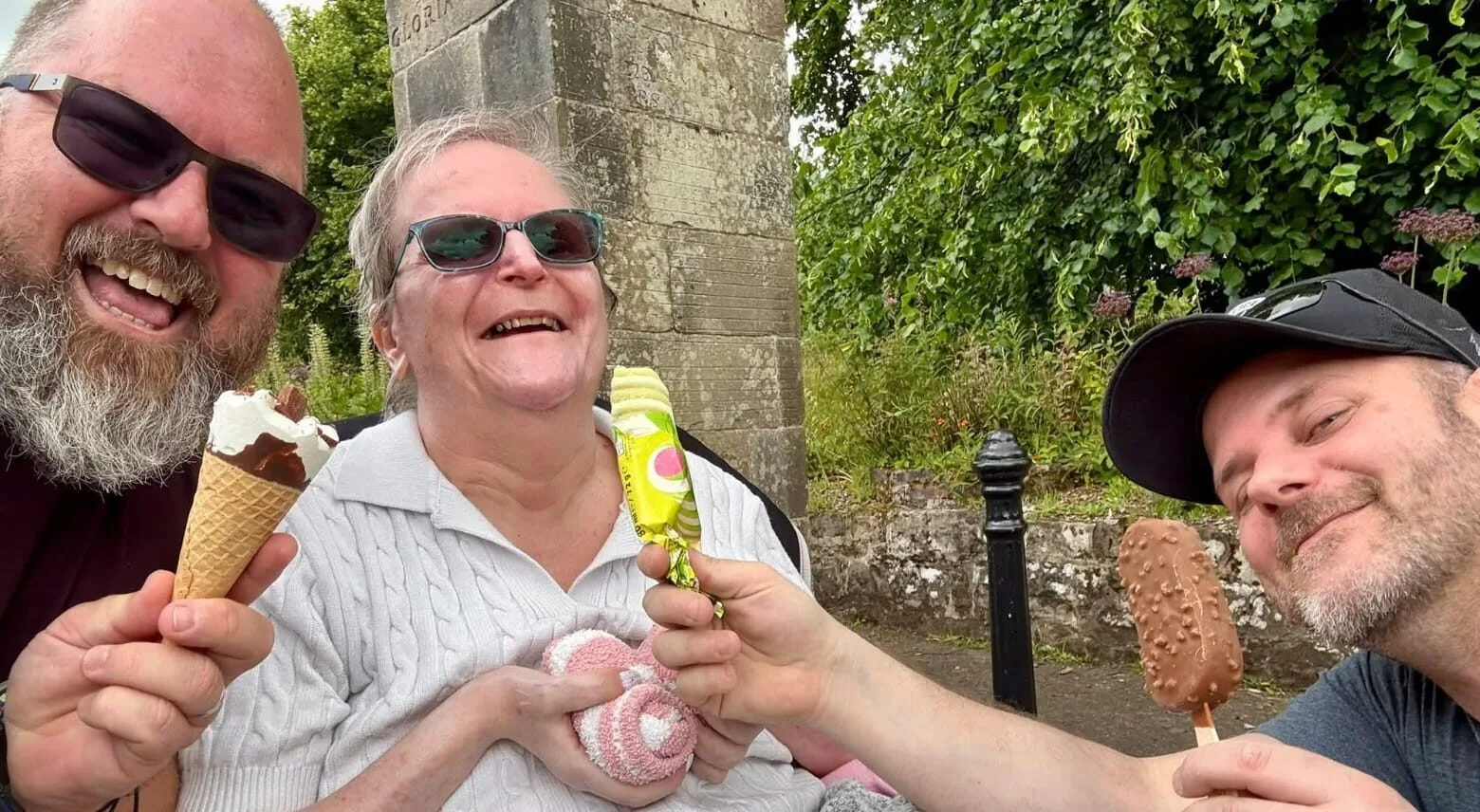
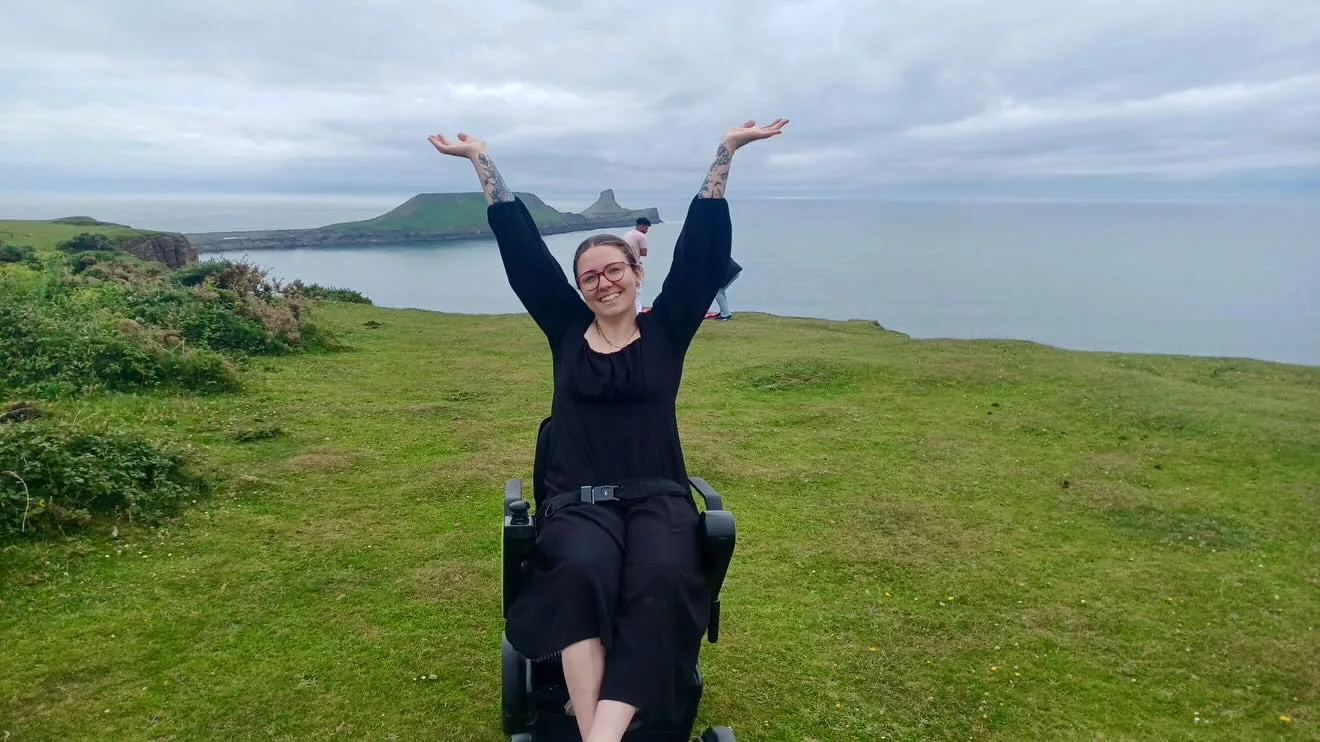
Grace True had enjoyed long hikes before her mobility changed. In her July account for TGA, the difficulty was not only reaching a path: she describes losing access to an activity that had been part of who she was, and to experiences she had imagined sharing with her children.
A different way to share the landscape
The account reframes an outdoor visit around exploration and family time rather than reproducing a previous hiking distance. That distinction is useful when choosing a route. A shorter circuit with somewhere to stop together may meet the real goal better than a technically passable trail that leaves little energy for the rest of the day.
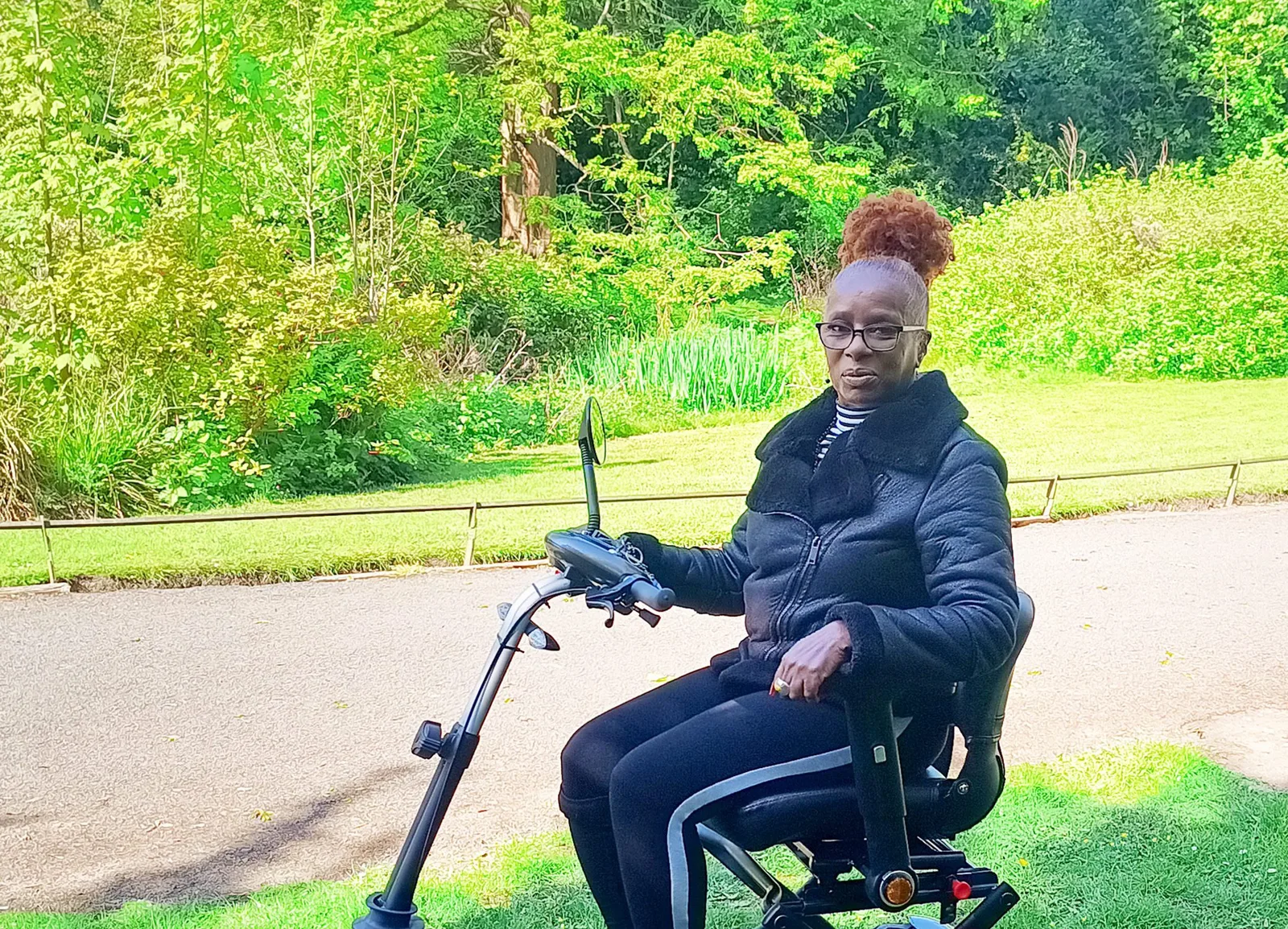
A route description should therefore include the destination within the outing—a picnic area, a view or a place to watch children play—as well as distance and surface. Access to the car park alone does not answer whether the family can spend time together where they want to be.
A more useful way to describe an outing
- Shared activity
- Where will everyone spend time together?
- Route constraint
- Which gate, surface or slope determines whether the chair can get there?
- Time outside
- How long is comfortable, including pauses?
- Return option
- Where can the route be shortened without an awkward diversion?