Accessible ticket types, companion rules and proof requirements vary by event and venue; confirm them on the event page before paying.
In brief
- Over 60% of disabled music fans have skipped events for lack of online access information (Attitude is Everything)
- Ticketmaster may request proof within 72 hours; tickets may be cancelled if documents are not provided within 3 weeks
- Add the companion ticket at booking time - it cannot always be added later
Before you book: demand the access facts
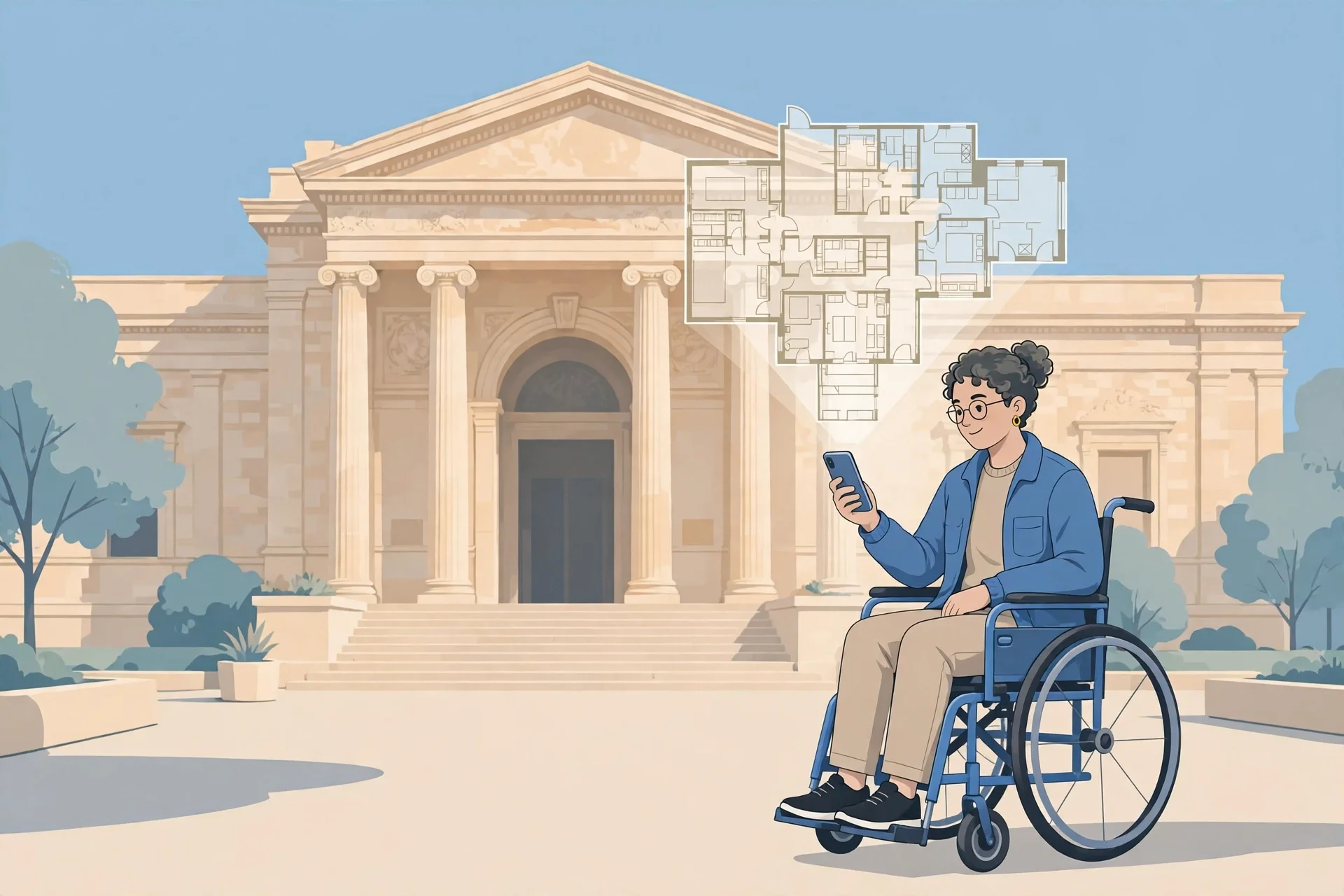
Attitude is Everything, the charity behind the live music Charter of Best Practice, advises venues to publish facts and photos rather than vague assurances: whether there is step-free access to the performance space, how many steps there are if there is not, whether there is a handrail, whether there is an accessible toilet or where the nearest one is, and a contact email for questions. Over 160 venues and festivals are members of its Charter, which covers all aspects of live music accessibility in Bronze, Silver and Gold tiers. For a wheelchair user, the facts that matter most are the viewing area and the route to it: is there a designated accessible seated viewing area with a view of the stage, is it a raised platform or a floor-level area, and can a companion sit beside you? The charity also advises venues to offer a quiet space away from the main gig area, free tickets for personal assistants, and captioning of lyrics where possible. If a venue's page gives you none of this, email the access contact before buying; a venue that cannot describe its viewing area is telling you something.
Booking on Ticketmaster: ticket types and the companion trap
Ticketmaster's accessibility help page lists the ticket types you may see: Wheelchair Accessible, for wheelchair users or those unable to climb stairs, located near accessible entrances, exits and toilets; Mobility Accessible, designed to reduce distances and ease access to amenities; Blind and Low Vision Accessible, areas closer to the stage; Deaf and Hard of Hearing Accessible, near captioning or British Sign Language interpretation; and a Companion Ticket, a reserved space for a caregiver, friend or family member, which may be free with an eligible access card or companion scheme, or may require purchase. To see them, select the Accessible Tickets button or the wheelchair icon, then filter to accessible tickets on the seat map; if the map shows none, they may only be available through the venue box office. The trap is timing: companion tickets must be added at the time of booking for many events, and Ticketmaster may request supporting documentation within 72 hours of booking, accepting documents such as Personal Independence Payment, Disability Living Allowance, Carer's Allowance, a Blue Badge, or a UK Access Card with the +1 symbol. If documentation is not provided within three weeks, tickets may be cancelled. Book the companion at the same time, and have the document ready before you pay.
On the night: platforms, toilets and the quiet space
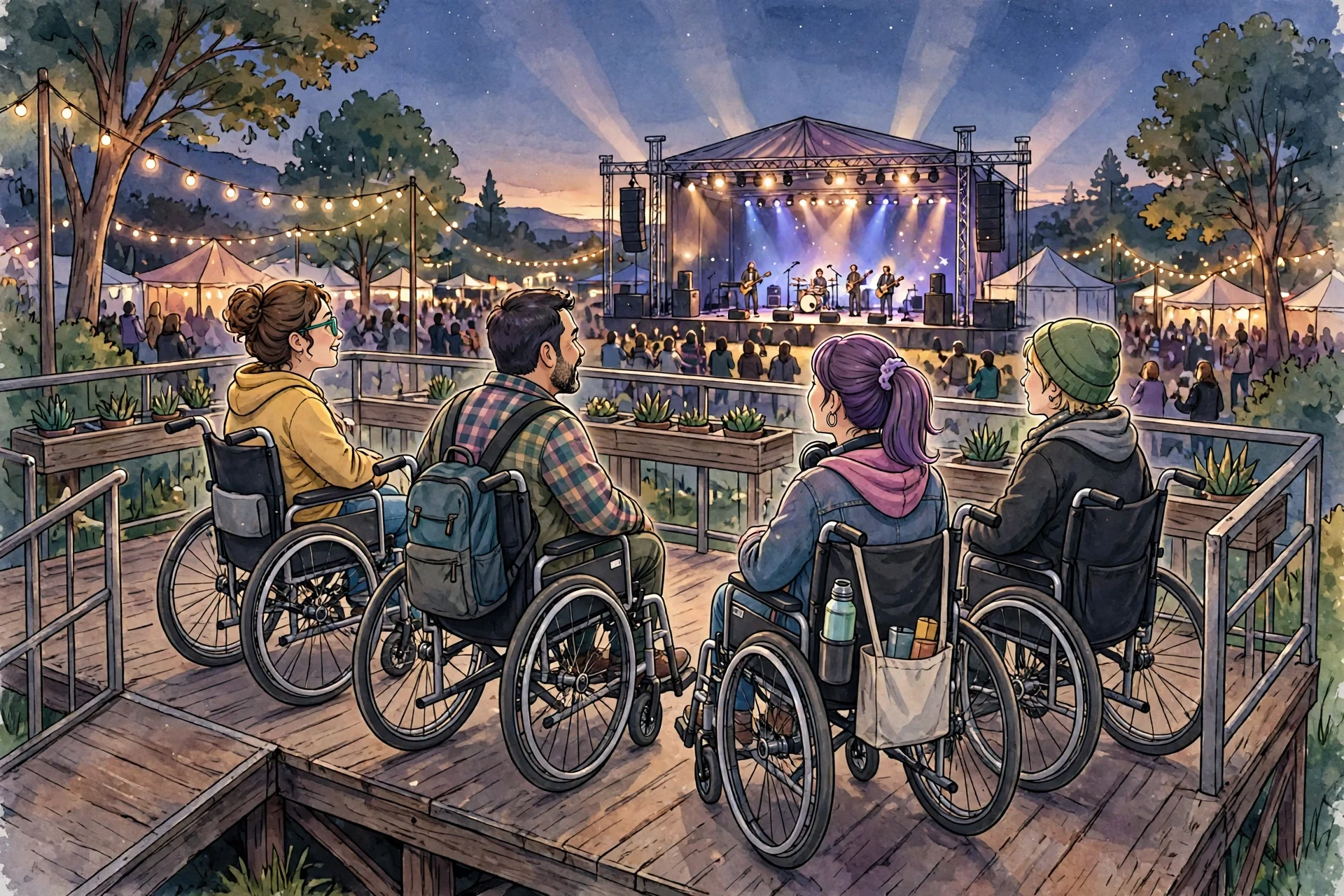
On arrival, the viewing platform is the main thing to confirm: where it is, how you reach it step-free, whether it is covered, and whether there is an accessible toilet within the platform area or nearby. Some outdoor events describe a platform with limited availability on a first come, first served basis, so arrive early if the platform is not reserved to your ticket. Check the hearing loop, audio description headsets, BSL interpretation and relaxed performance options for your event, since these vary by venue and are marked on the event page where offered. And know where the quiet space is before the music starts; Attitude is Everything recommends it for anyone who experiences sensory overload, and finding it during a loud set is much harder than finding it beforehand. A concert that is booked with the right ticket type, a companion added at the same time, documents ready, and a platform and quiet space located in advance is a concert you can actually enjoy, rather than endure.
Ticket types at a glance
| Ticket type | Who it is for | Where it sits | | Wheelchair Accessible | Wheelchair users or those unable to climb stairs | Near accessible entrances, exits and toilets | | Mobility Accessible | People needing reduced distances and easier amenities | Seated area with limited stairs access; not for wheelchair users | | Blind and Low Vision Accessible | Fans with visual impairments | Areas closer to the stage or central event space | | Deaf and Hard of Hearing Accessible | Fans needing captioning or BSL | Near captioning or BSL interpretation facilities | | Companion Ticket | A caregiver, friend or family member | Reserved space beside the ticket holder; free with an eligible access card at many events, otherwise purchased |