Applies to car driving tests in Great Britain; arrangements are decided case by case by DVSA, so confirm your own adjustments when booking.
The one step that unlocks everything: declare it at booking
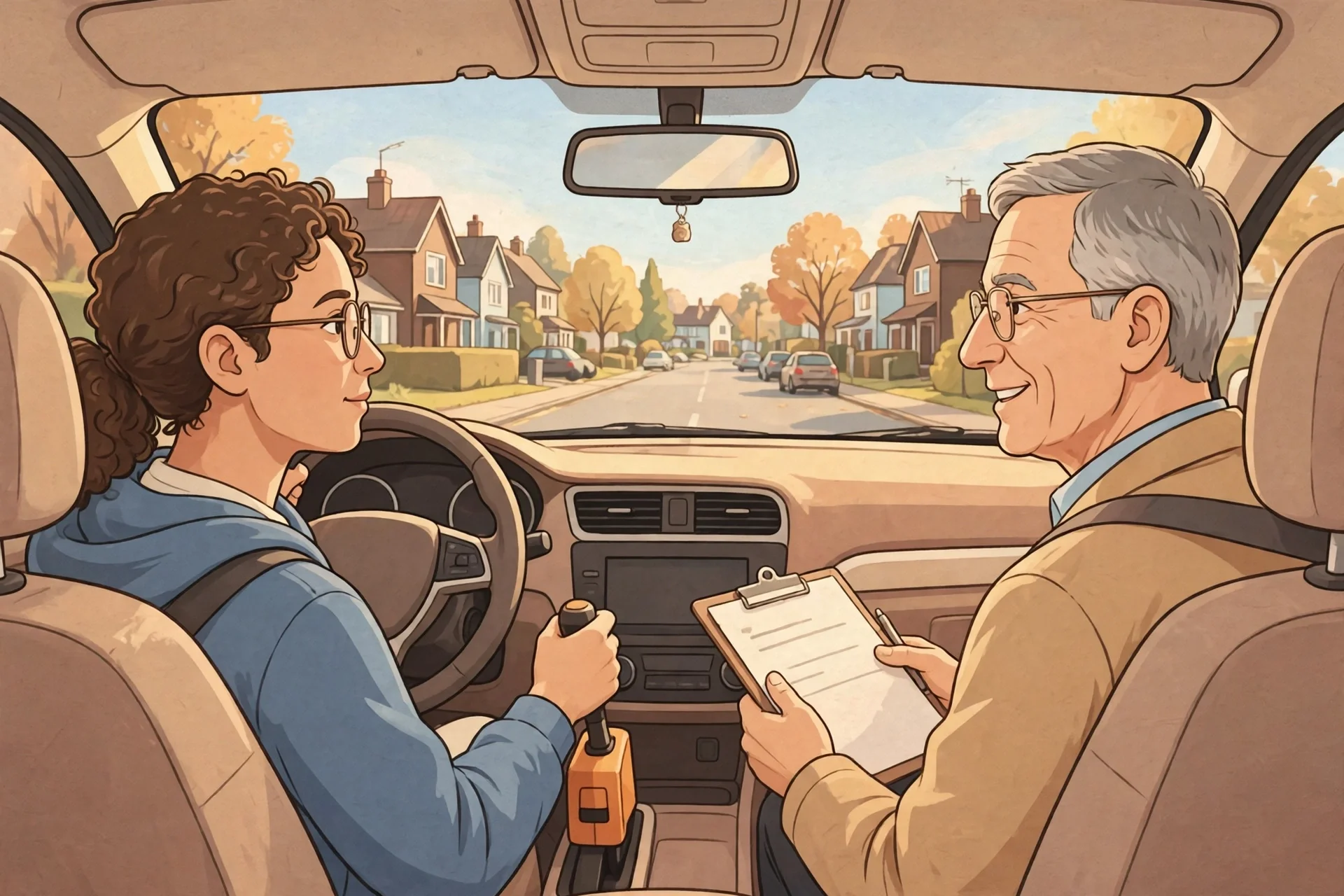
GOV.UK's driving test guidance is direct: when you book your driving test, say if you have a disability, a health condition or a learning difficulty. You will still have to drive to the same standard to pass, but the examiner can make adjustments for your situation. For a candidate with a disability, the test begins with time with the examiner to talk about the disability and any adaptations fitted to the car, and the examiner might agree more time for instructions and directions during the test. That conversation cannot happen properly if the examiner first learns about your needs in the car park, so declaring at booking is not bureaucracy - it is the mechanism that makes the rest of the adjustments possible.
Theory test: access, desks and equipment
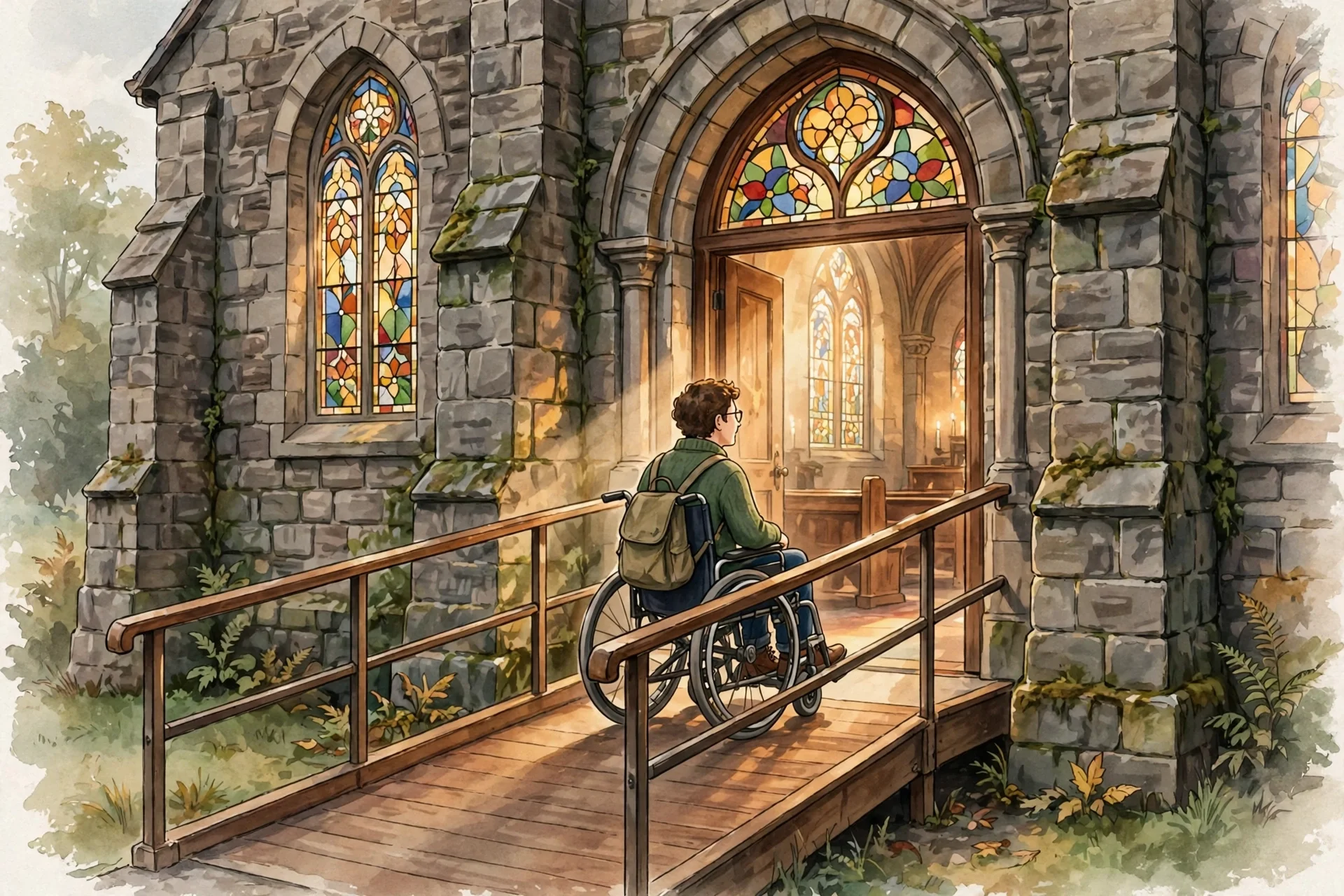
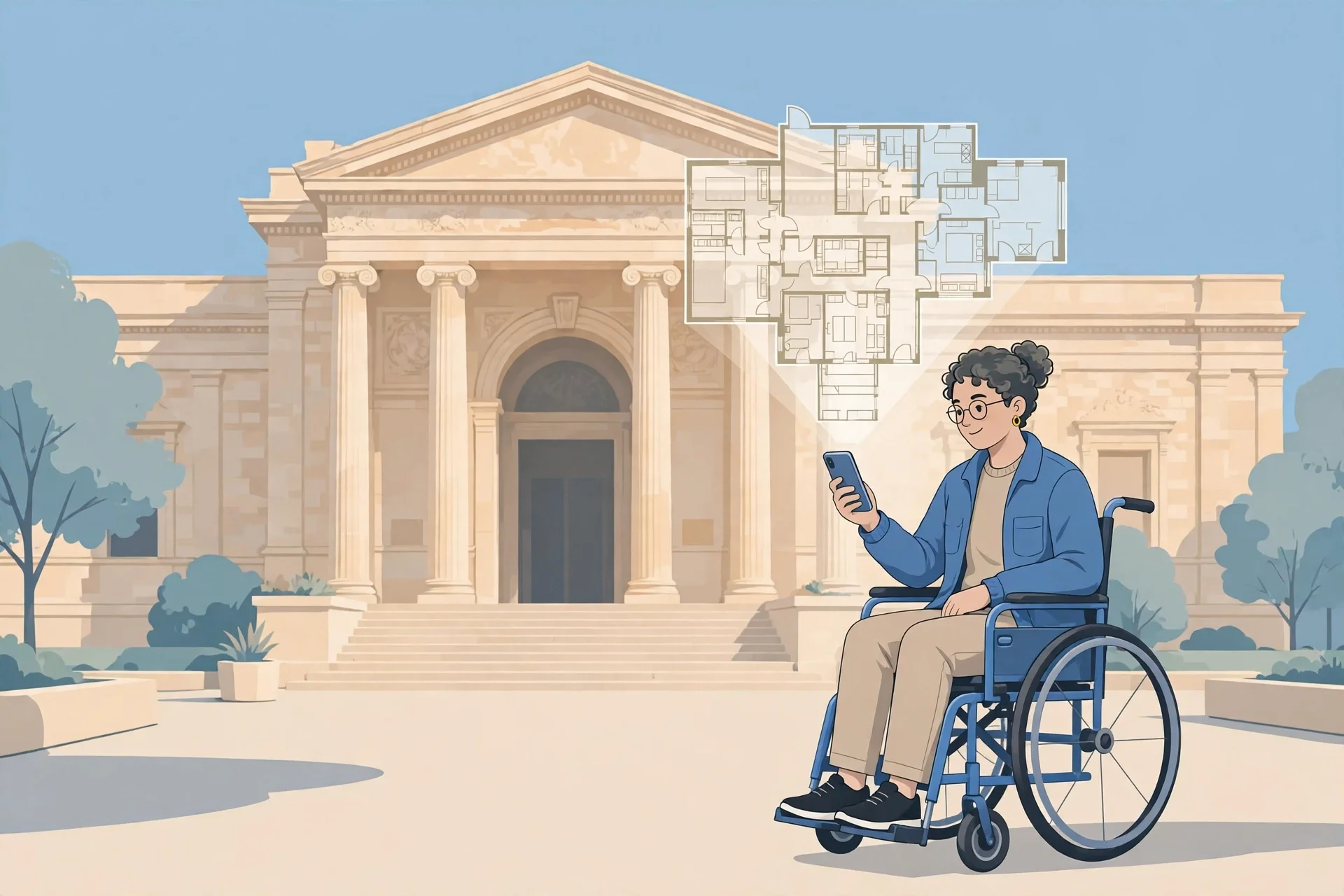
Theory test centres should all be wheelchair accessible, but the practical detail matters: specialist guidance for driving instructors notes that staff may need advance notice to put out a temporary ramp or open side doors, so booking in advance and stating the need is essential rather than optional. Height-adjustable desks are available on request, and bespoke computer equipment may be available for specific needs. Support for reading or learning difficulties follows a similar pattern - some help needs no proof but must be requested when booking, while other help needs evidence uploaded during booking. The DVSA theory customer services address for questions is theorycustomerservices@dvsa.gov.uk. Arrive early, confirm the access arrangement at reception, and check the desk height and mouse or keyboard setup before the test clock starts.
Practical test: adaptations, extra time and communication
For the practical test, special needs notification should be made on the application so DVSA can plan reasonable adjustments, and the instructor should confirm the requirements at the test centre before the test date. DVSA may decide extra time is needed - sometimes called a double slot - which gives the examiner time to discuss how a medical condition affects driving and which adaptations or aids are used; the extra time does not make the drive itself longer, and no extra charge is made for a special needs test. GOV.UK also describes adjustments for other needs that show how individual the process is: deaf or hard-of-hearing candidates get written notes at the start, lip-reading positioning and hand signals explained beforehand, and may bring a British Sign Language interpreter aged at least 16, arranging and paying for the interpreter themselves and claiming the cost back afterwards. Candidates with reading difficulties may write down the number plate at the eyesight check instead of reading it aloud, and those with learning difficulties may be offered adjustments to the independent driving part, such as following traffic signs instead of sat nav directions.
Theory or practical: what differs
The theory test is a centre-based computer test, so the adjustments are about the room: step-free entry, a desk at the right height and equipment that fits your needs, all of which need advance notice to be ready. The practical test is a driving assessment, so the adjustments are about the conversation and the drive: time to discuss adaptations, directions given in a usable form, and possibly a longer appointment slot. Both share the same rule - declare early, confirm before the day, and discuss the details with the examiner before the test starts. Keep a note of what was agreed, and if anything on the day does not match it, raise it with the examiner at the start rather than after the result.