Practice facilities vary by site even within one group; check the specific surgery's access page.
In brief
- Register your communication needs and ask for the Reasonable Adjustment Digital Flag
- Measure the consulting room door, not just the front door - a Healthwatch patient was seen in a corridor
- Ask for loops, large print, a quiet room and a Health Passport review at the appointment
Before you register or book
Tell the practice about your communication needs when you register, not when you arrive for an appointment. The Accessible Information Standard requires NHS organisations, including GP practices, to give people with a disability, impairment or sensory loss information in a format they can easily read or understand, and support to communicate, such as a sign language interpreter or an advocate. Ask for the Reasonable Adjustment Digital Flag to be added to your record: NHS England built it into the NHS Spine so health and care professionals can record, share and view your adjustments wherever you are treated. Guildowns Group Practice also welcomes Health Passports, communication passports and picture-based communication aids: bring yours, and the team will review it before carrying out assessments or interventions and keep it with you throughout your time in the practice, with easy-read information guides available at reception.
The building check
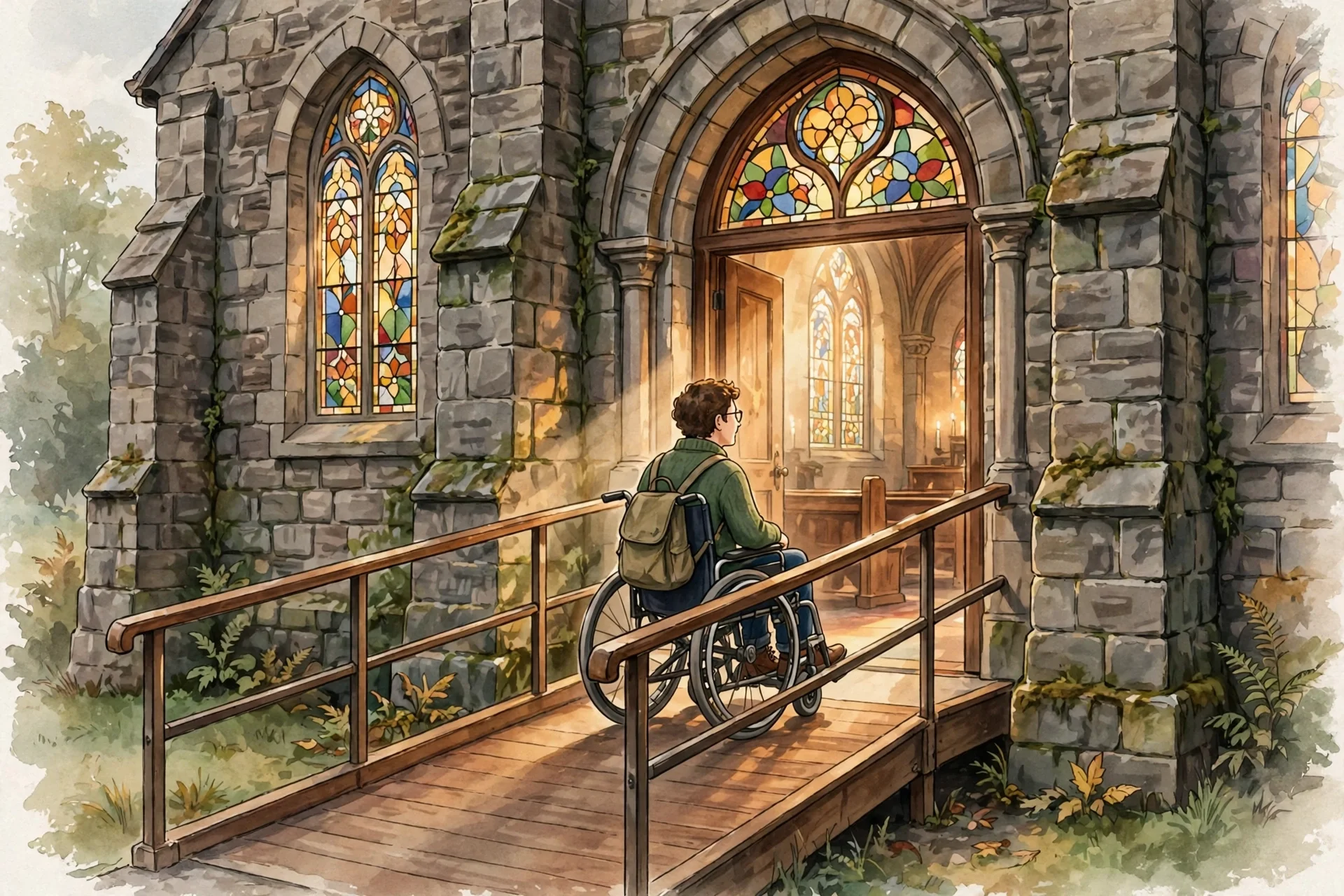
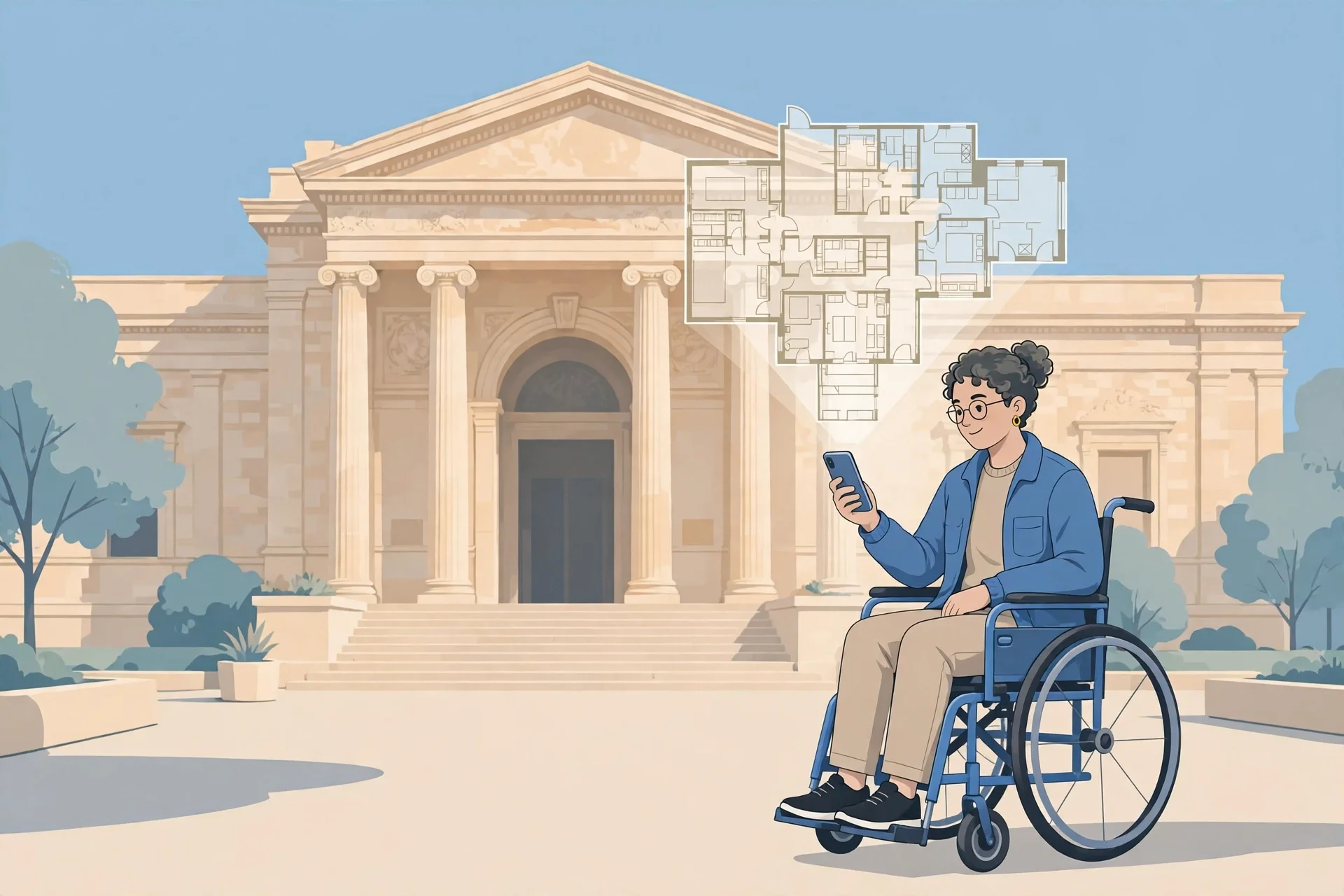
Guildowns states that all of its sites have access without steps, with automatic doors at its Wodeland Avenue, Stoughton Road and Oaks surgeries, and allocated disabled parking spaces in those three car parks, though there is no patient parking at its University Student Health Centre. If you need assistance, the practice asks you to inform the receptionist. Healthwatch Bradford's checklist adds the questions to ask about any surgery: is there disabled parking, enough space to exit a car safely, an accessible path to the surgery, handrails on both sides of slopes, and an obstacle-free route from the entrance? Inside, check toilet signs at eye level, leg space under the sink, lever taps, a caution sign for very hot water, and dispensers and hand dryers at a suitable height, plus a procedure for when someone falls. Seating should come in a choice of heights, fire exits must be accessible by wheelchair, and the entrance itself must be a suitable size. The Slough patient story in the checklist is the warning: the consulting room door, not the front door, is the one to measure.
Inside the appointment
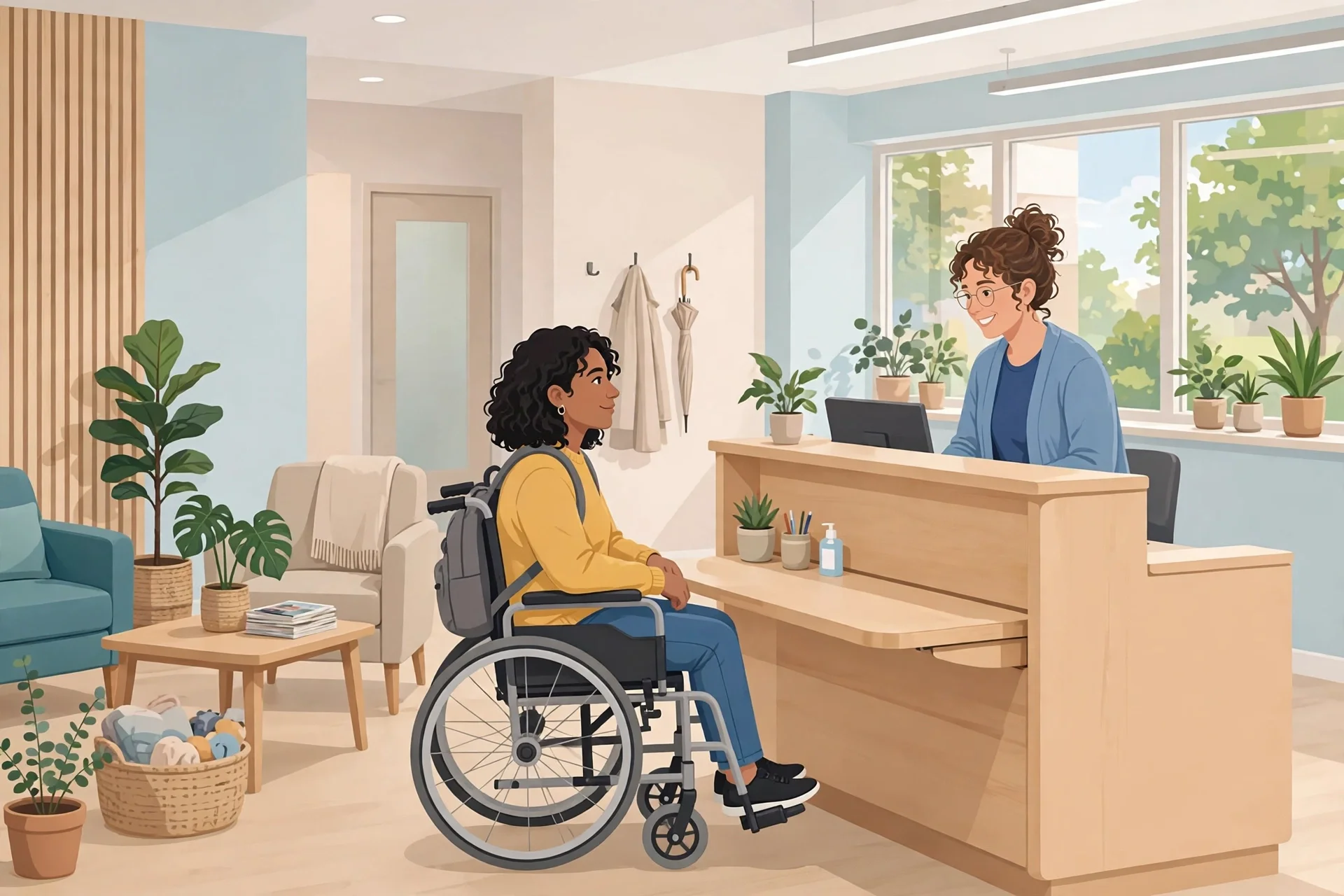
At Guildowns, receptions have loop induction systems and portable hearing loops are available in consultations, large print practice leaflets are available on request, and guide and assistance dogs are welcome, with a note to be aware of other patients who may have an allergy or fear of dogs. If you struggle with sensory issues or need a quiet place, the practice will do its best to accommodate you if rooms are available that day, so ask on the day and ask the practice to publicise that a quiet space can be given on request, as the Healthwatch checklist recommends. Check the counter height, ask whether information is available in different formats such as large print or braille, and check whether new patients are asked about communication needs at registration. If barriers persist after you have asked, contact your local Healthwatch: that is what it is for. And remember that sites differ even within one practice group, so check the access page for the specific surgery you will visit, not just the group's headline.