London arrangements are for 8 November 2026 as published by GOV.UK; local service details vary by town and year - confirm with the local organiser before travelling.
The national service in London: what is arranged
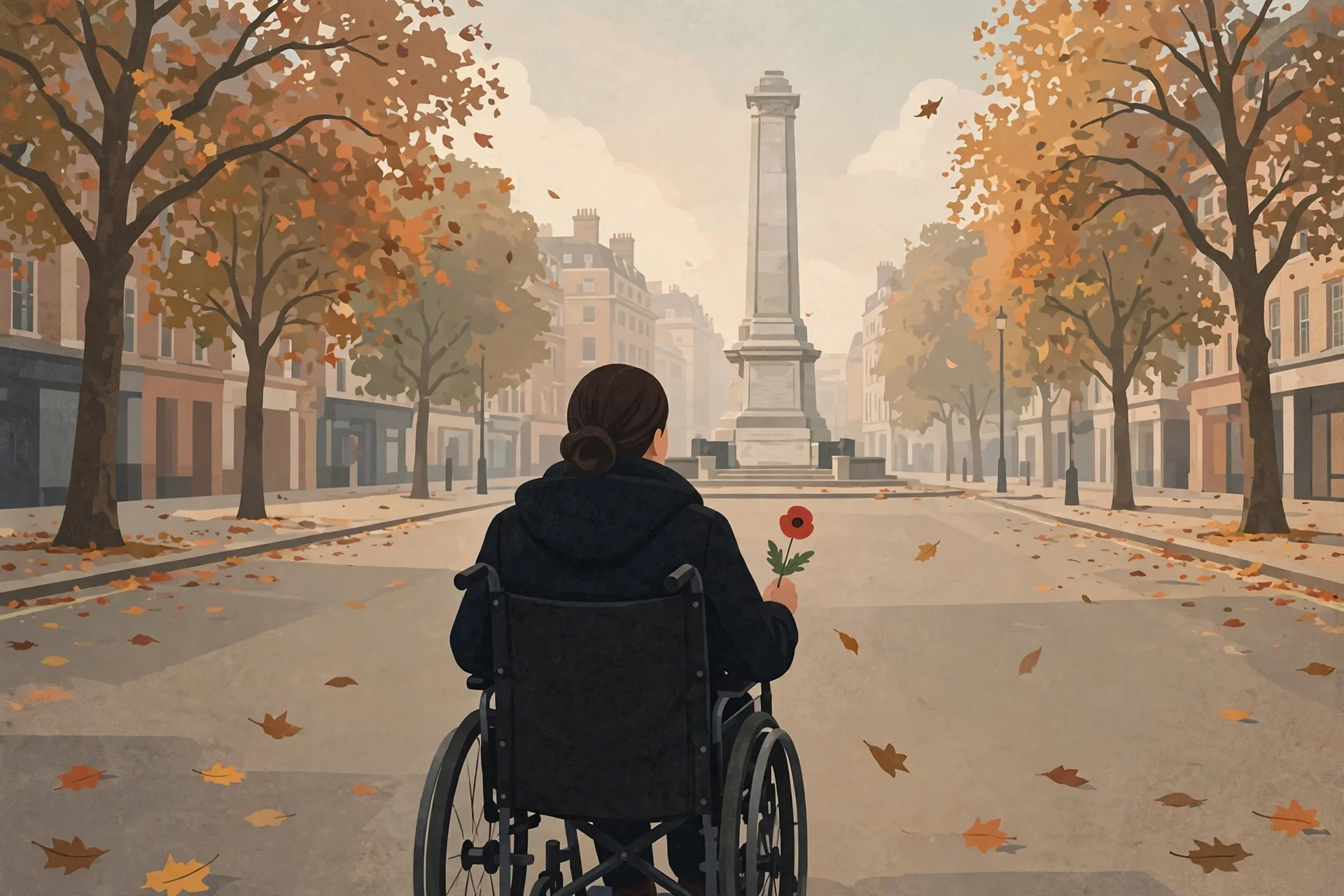
Whitehall opens to the public at 8am on Remembrance Sunday, and the service itself runs from 11am to about 11:25am, with the two-minute silence marked by guns from King's Troop on Horse Guards Parade. The Department for Digital, Culture, Media and Sport, which coordinates the event, states that no tickets or passes are needed, but entry may be limited if the area becomes full, so arriving early matters. Space for wheelchair users and other spectators who might find it difficult to view from the general public areas is on the west side of Parliament Street, close to the junction with King Charles Street. One carer or guest per person is admitted to that enclosure, and a toilet for people with accessibility needs is nearby. Video screens are placed north of the Cenotaph, in the lay-by outside Dover House and at the corner of King Charles Street, which helps if you cannot get a front position.
Getting there, security and facilities
Plan for a busy journey: stations near Whitehall will be crowded before and after the service, and the official guidance points visitors to Transport for London and National Rail Enquiries for live travel information. Great George Street is closed to the public on the day, with access between Victoria Street and St James's Park via Storey's Gate. Allow plenty of time for police security checks, do not bring large bags, and note that unauthorised drones are prohibited at all times. Temporary public toilets are in Whitehall Place, first aid from St John Ambulance is available at various points along Whitehall, and photography is permitted except during the two-minute silence, when shutter noise can cause offence. If you would rather not travel, the service is televised on the BBC, Sky and ITV.
Local services: the same ceremony, a different layout
Most towns hold their own observance, and the details vary street by street, which is why checking the local organiser's page is worth the effort. One example published on 28 October 2026 by the Pudsey and Farsley branch of the Royal British Legion shows the pattern: Pudsey's civic observance and parade take place on Sunday 8 November 2026, with the Act of Remembrance at the Cenotaph at 11am, and an area of the car park reserved for the wheelchairs and buggies of veterans from local care homes, with visitors asked to keep it clear. The car park at the top of South Parade closes during the morning for setup. Farsley holds an afternoon service at its Cenotaph from 1:30pm, gathering from around 1:20pm, and a short Armistice Day service follows at Pudsey Cenotaph on Wednesday 11 November at 10:55am, arriving by 10:45am. The lesson generalises: local services are smaller, closer and often easier to reach, but their accessible viewing areas are arranged locally, not to a national template.
London or local: a quick comparison
London offers the national ceremony, screens and a published accessible enclosure, but it also means crowds, security queues and an 8am start to secure a place. A local service offers a shorter journey, a smaller crowd and a familiar street layout, but you must confirm where wheelchair users are expected to stand, since that decision sits with the local organiser. If you are a veteran marching with an association, queries about the march past go to the Royal British Legion at cenotaph@britishlegion.org.uk, and separate arrangements such as free taxi services for veterans operate on the day. Whichever you choose, the practical checklist is the same: confirm the viewing area, arrive well before 11am, travel light, and have a wet-weather and toilet plan before you set out.