UK polling stations, council guidance checked 2026-10-25. Arrangements can vary by local authority, so confirm details with your own electoral services team.
In brief
- Check your polling station location and access before polling day
- Wheelchair-level booths, large print ballots and staff help should be available
- A companion over 18 or the presiding officer can help you mark your ballot
Before polling day: registration, photo ID and your poll card
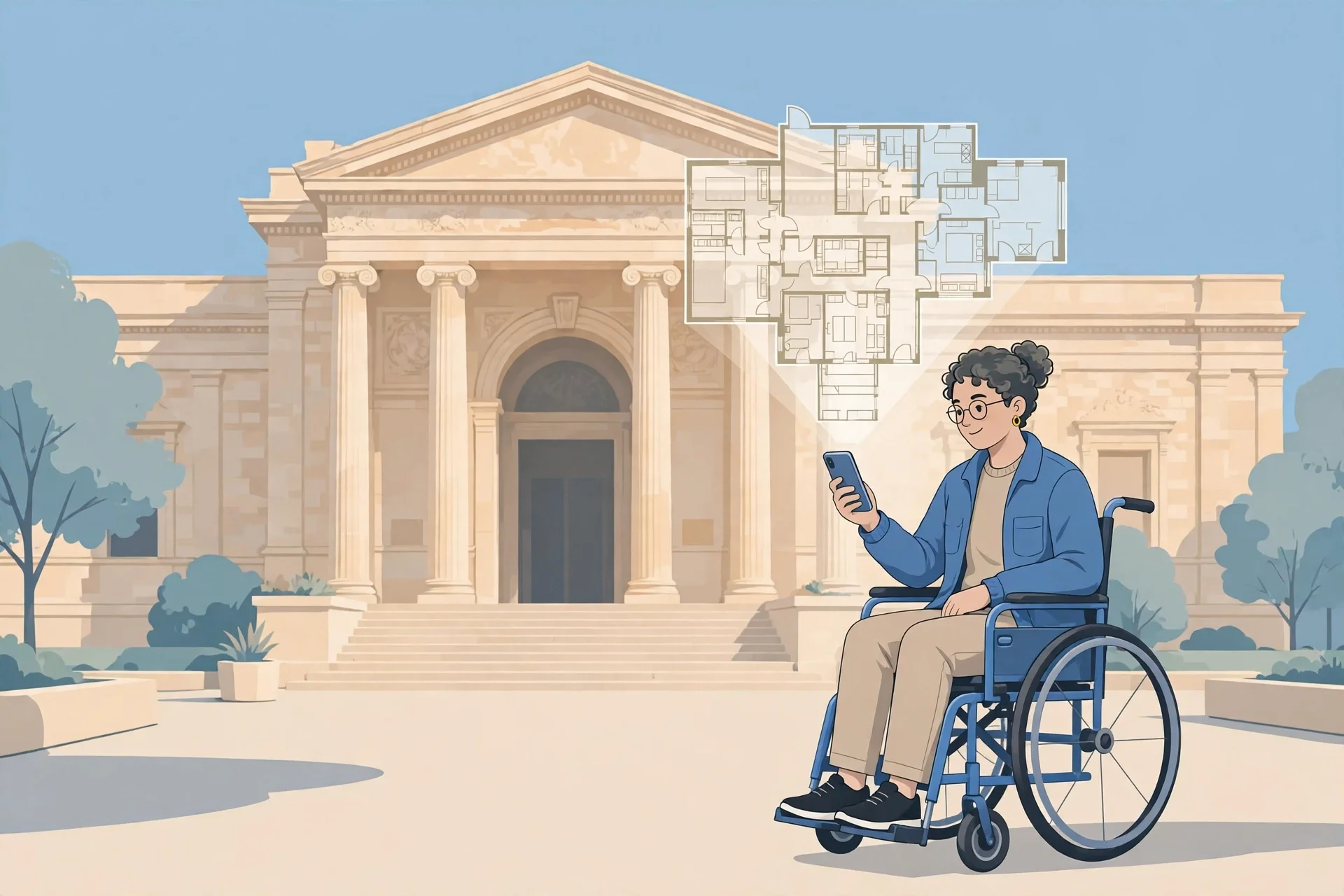
To vote in person you must be on the electoral register, and you must bring a suitable form of photo ID to the polling station. Your poll card, sent about five weeks before an election, confirms your chosen voting method and tells you your polling station. Check the polling station location in advance: is it step-free, is there accessible parking, and how far is it from the entrance to the booth? If you are unsure, contact your local electoral services team before polling day and ask what support they can arrange. If you realise you cannot attend on the day, you may be able to apply for a postal vote or an emergency proxy vote in certain circumstances, such as medical or employment reasons, but deadlines apply, so do not leave it to polling day.
Inside the polling station: booths, equipment and staff help
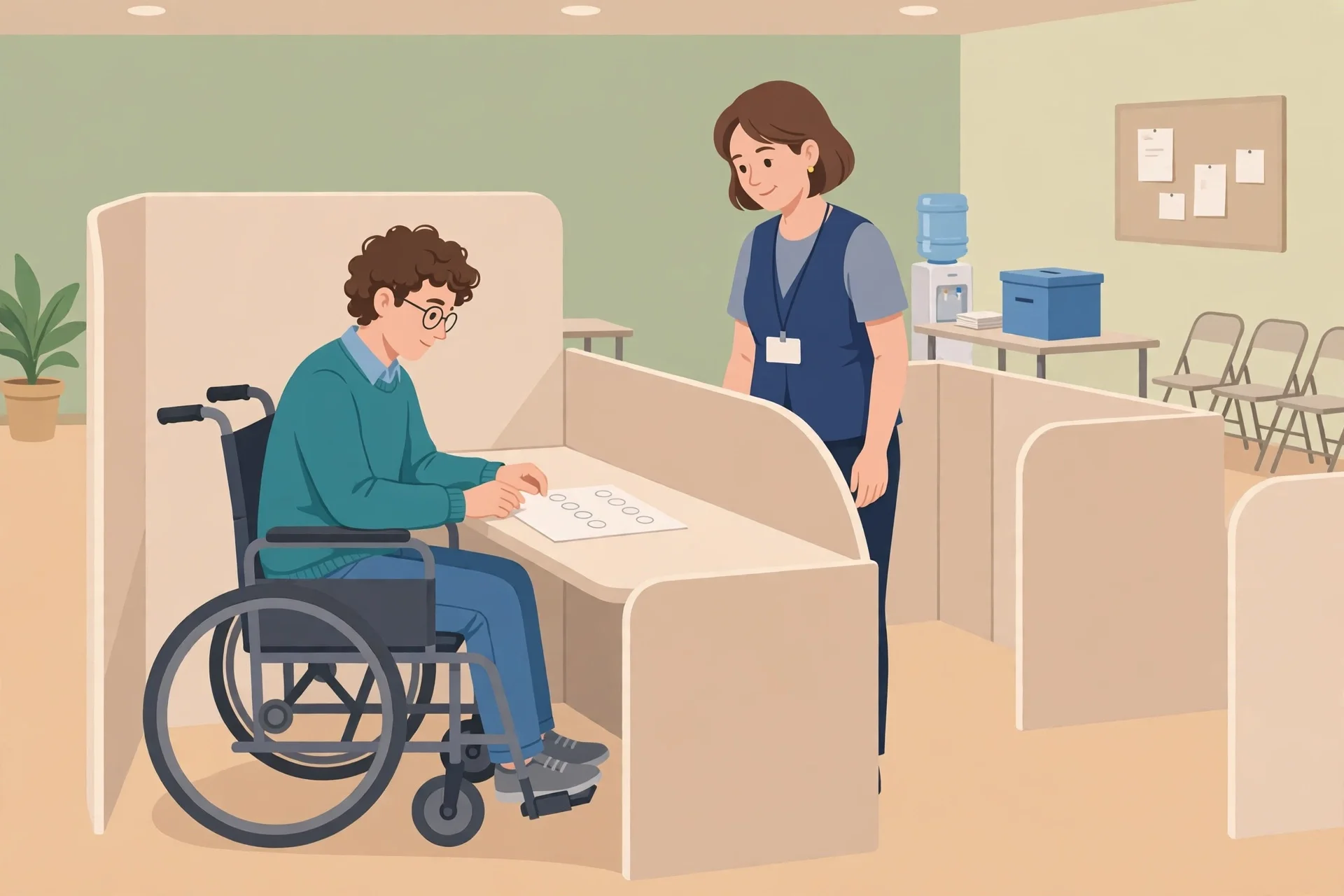
Every polling station should have equipment and support in place for disabled voters. Council guidance describes a polling booth at wheelchair level so wheelchair users can reach a lower writing surface and cast their vote in secret, large print versions of ballot papers that can be taken into the booth, magnifiers, pencil grips for voters with dexterity impairments, chairs for voters who cannot stand for long, and badges identifying polling station staff. You can also take a carer, friend or relative to help you; they do not need to be eligible to vote and do not need photo ID, but they must be over 18. The presiding officer can also help you cast your vote. Staff should also allow you to use text-to-speech apps, a torch or a magnifier on your phone to read your ballot paper.
If you cannot get in, or need more help
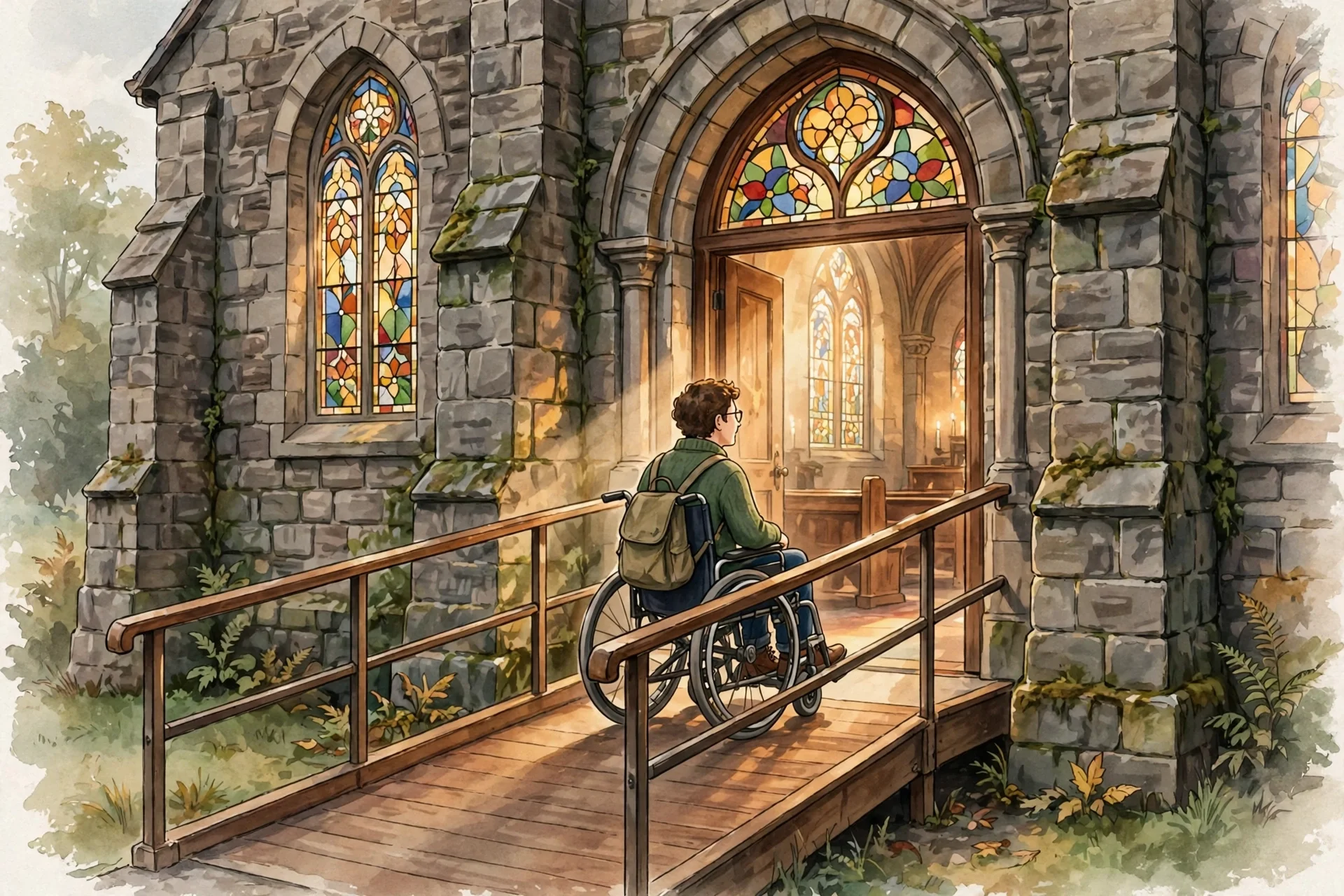
If you are unable to enter the polling station because of limited disabled access, some councils say the presiding officer can bring the ballot paper outside to you so you can vote. Ask staff directly if this applies at your station. You can also ask for help moving around the station, for candidates names and parties to be read out in order, for explanations of the voting options, and for someone to mark the ballot paper with your decision if you permit them to do so. Nobody can stop you voting because you have a disability, decide for you who to vote for, or mark your ballot against your wishes. If you experience a problem, note the station, the time, and the names of staff involved, and raise it with your local electoral services team after polling day.