Volunteer roles and expenses change; confirm current details with the charity before applying.
In brief
- Skills sessions need flexible term-time mornings or afternoons; trustees meet two to three times a year
- Whizz Kidz reimburses travel up to 30 pounds a day and requires an enhanced DBS check
- Confirm meeting-room access separately - a charity's activity base and meeting venue may differ
Door one: wheelchair skills sessions
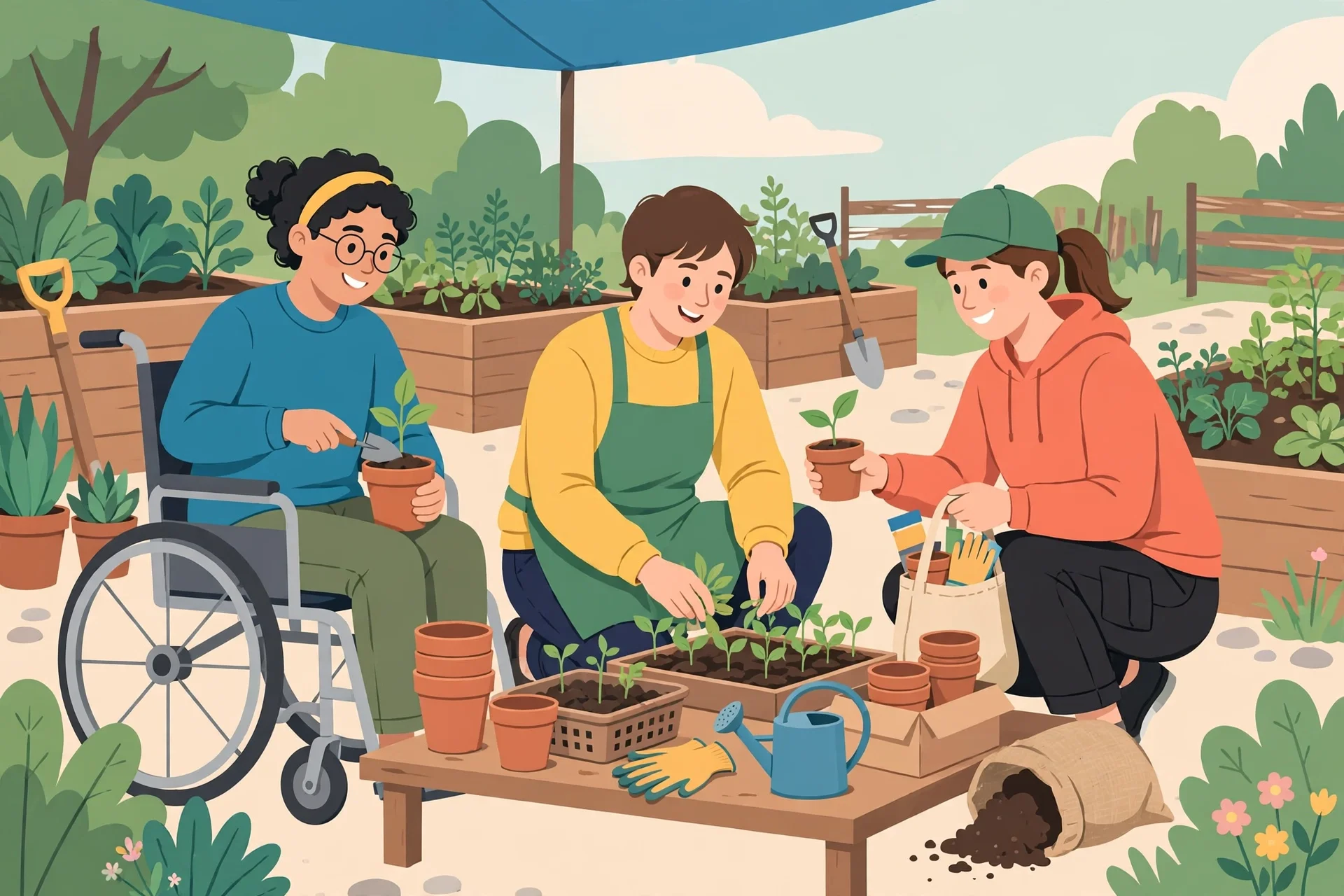
Whizz Kidz runs wheelchair skills training sessions in England, Scotland and Wales, aiming to promote independence in young wheelchair users, build their confidence in using their chairs, teach skills for everyday life, give them the confidence to ask for support, and reduce social isolation. As a volunteer you may help the session leader set up activities, support young wheelchair users' participation, or help collect feedback. The time commitment is flexible, though weekday mornings or afternoons during term time would be ideal. Experience of working with young people is an advantage but not essential, and lived experience of using a wheelchair is an advantage but not essential either. The charity notes that more than 75,000 young people in the UK need a wheelchair to be mobile, and the benefits it lists include working alongside an expert delivery team, developing coaching skills that enhance your CV, and volunteering in a supportive, inclusive environment that values diversity and promotes disability awareness.
Door two: the trustee board
Testwood Lakes Sailability is a friendly, RYA-affiliated sailing centre providing fully accessible sailing for disabled people on Testwood Lakes in Totton, welcoming individuals as well as groups from day centres, care homes, schools and community organisations. Sailing sessions run every Monday, excluding bank holidays, and Thursday from April to October, and its base at the Aquativity Centre offers accessible toilets, comfortable seating, disabled parking, and a wheelchair-accessible pontoon equipped with hoists to help sailors safely into and out of boats. The charity is volunteer-led, and its board of trustees handles strategy, oversight, governance and financial stewardship, typically meeting two to three times a year in Totton. The chairperson role it advertises means acting as spokesperson and ambassador, chairing meetings, setting agendas, supporting the treasurer, raising the charity's profile across South Hampshire, handling complaints with fairness and sensitivity, attending local events, and ensuring data protection and safeguarding policies are followed. The role is open to volunteers aged 18 and over, and availability is described as very flexible.
Access, expenses and checks, honestly
Whizz Kidz provides a full induction and appropriate training, plus ongoing support, and says volunteers should not be out of pocket: reasonable travel expenses are reimbursed, with a maximum budget of 30 pounds per day for volunteers attending services. The role is subject to an enhanced DBS check or equivalent. Sailability lists reasonable expenses reimbursed, training provided, volunteers covered by insurance, and a written role description, and notes that all active volunteers have enhanced DBS checks, while the chair role itself does not require that level of checking. The access contrast is instructive: Sailability states its pontoon hoists and accessible facilities plainly, while for any role you should still confirm meeting-room access, parking and toilet arrangements before committing, because a charity's sailing base and its meeting venue are not always the same place.
How to start
Whizz Kidz sets out three steps: register your interest via its Volunteer Zone, complete the volunteer application form, and wait to hear back for a chat. For any role, use that first conversation to ask the questions that decide whether it works: where exactly will I be, what hours, what travel is involved, what expenses are covered, what training is given, and what checks are needed? Start with one taster session or one meeting rather than a long commitment, and keep a note of what worked, because it helps the next volunteer too. The two doors above are not the only ones, but they show the range: hands-on sessions with young people, or governance work that shapes a charity. Pick the one that fits your time, your energy and your chair, and let the charity know what access you need to do it well.