Warmth and accessory points from Millercare winter comfort guide; battery and tyre points from Aspire2 winter maintenance guide, both checked 1 November 2026. Follow your chair manufacturer manual where it differs.
Layer like a seated person, not a standing one
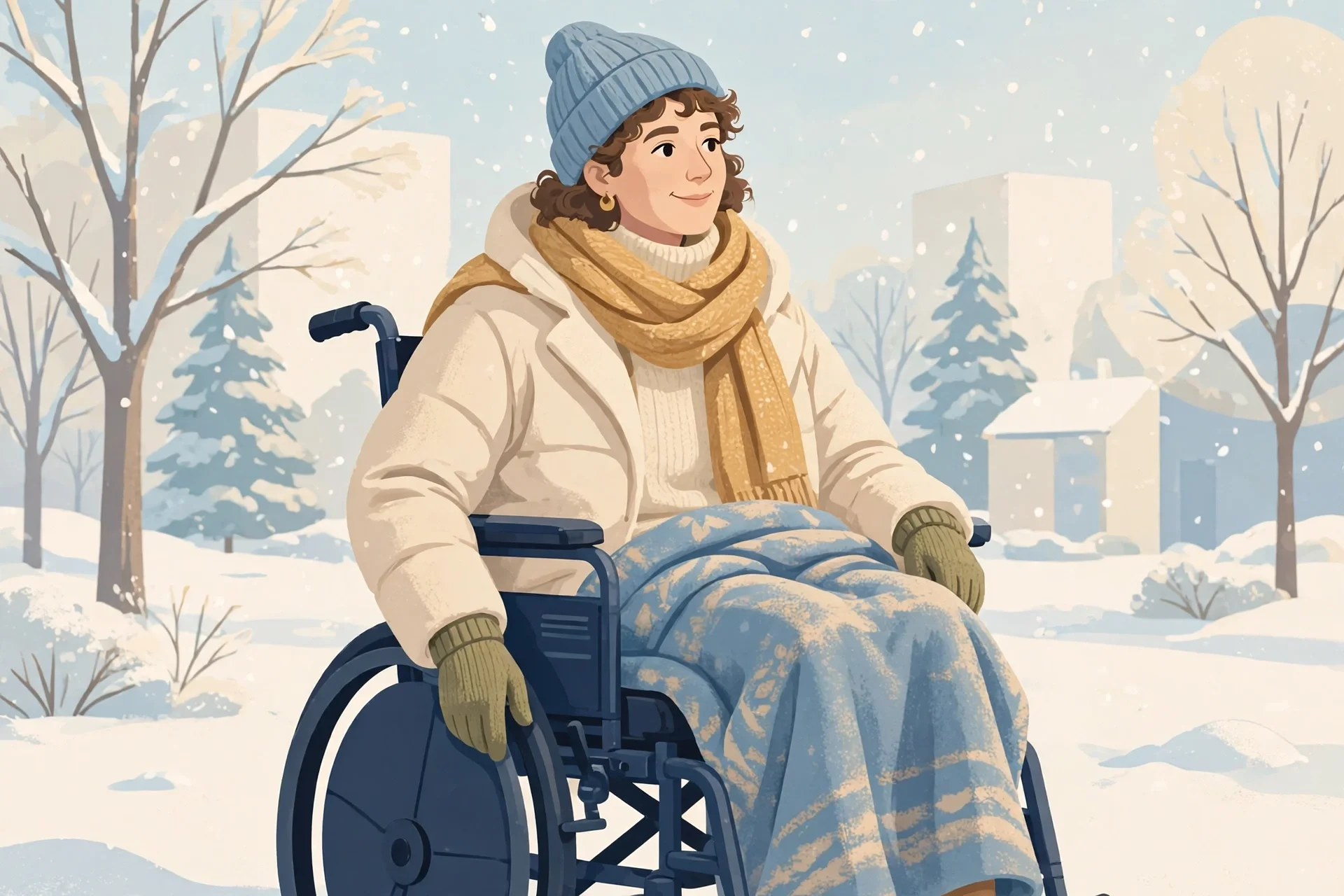
Start with a moisture-wicking base layer in merino wool or synthetics to trap heat and keep you dry, add an insulating mid-layer such as a fleece or gilet for warmth without restricting movement, and finish with a windproof and waterproof coat, ideally with adjustable cuffs or magnetic fastenings for easier dressing in a wheelchair. A long coat that bunches behind your knees is a nuisance in a chair; a shorter coat plus a separate leg cover works better, because it keeps your core warm without restricting your arms or catching in the wheels. For hands, insulated grippy gloves keep traction on push rims while keeping fingers warm, and fingerless gloves preserve dexterity for joystick control on milder days. For feet, merino wool socks are a winter staple, warm, breathable and moisture-wicking, and lined waterproof boots complete the set. A hat and scarf matter more than they seem, because heat escapes fastest from the head, hands and feet.
Chair-specific accessories that do the heavy lifting
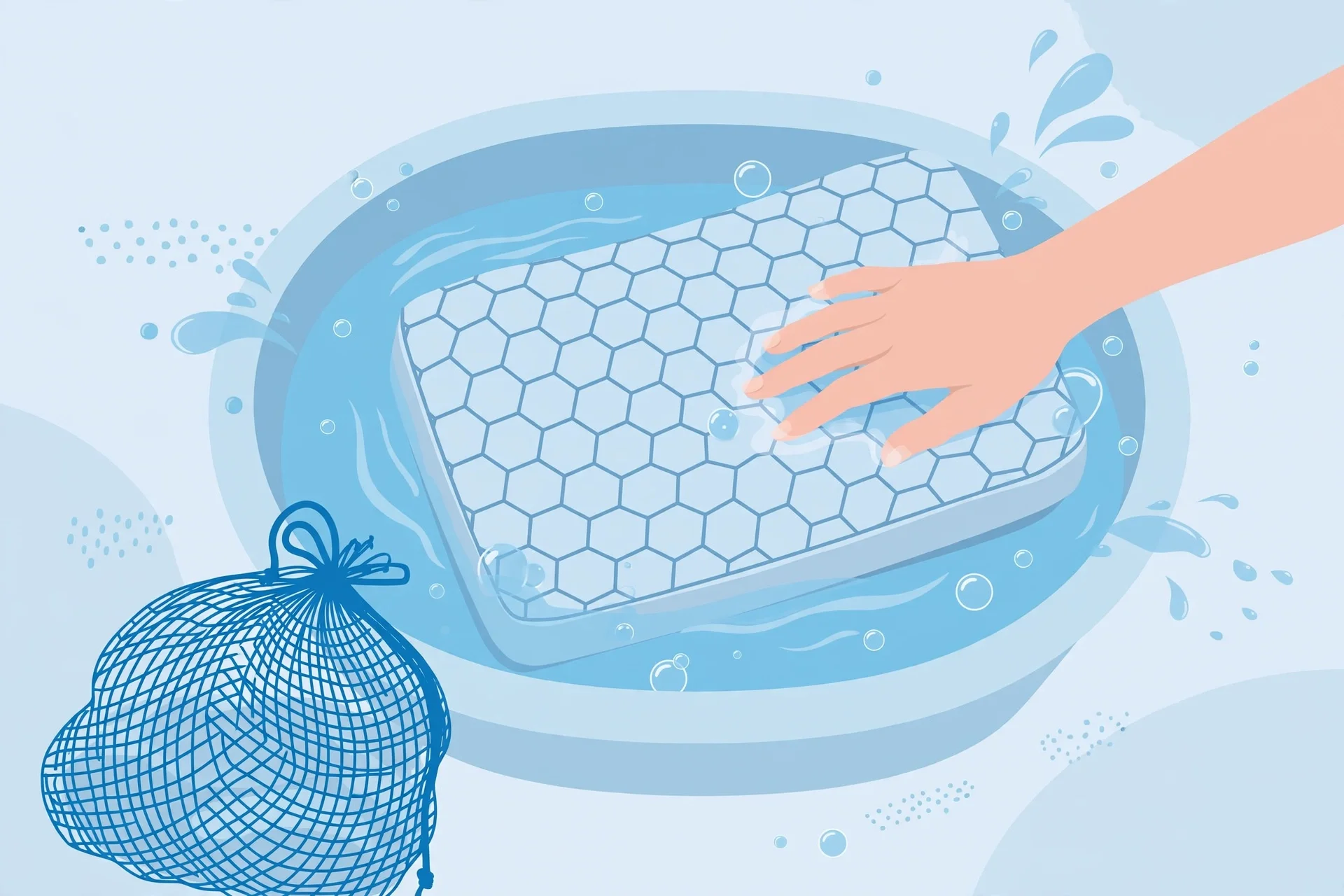
A wheelchair cosy, like a sleeping bag for your chair, zips up over your body to keep you cosy and dry all day, and fleece-lined or weighted wheelchair blankets trap body heat, with weighted versions adding gentle pressure that some people find calming on longer sits. A wheelchair poncho or mac, such as the Able2 Splash Sleeved Mac, shields both you and your chair from sudden downpours, and a waterproof seat cover stops moisture and ice from seeping into the cushion. Heated gear fills the gaps layers cannot: heated gloves for manual wheelchair users who need grip and warmth, rechargeable hand warmers for pockets, and heated socks and wheelchair seat pads to prevent cold feet and ease aches in the back and legs. If you use heated products and have reduced sensation, check your skin regularly for redness, and do not use electric blankets if you cannot operate the controls independently.
Do not forget the chair itself in the cold
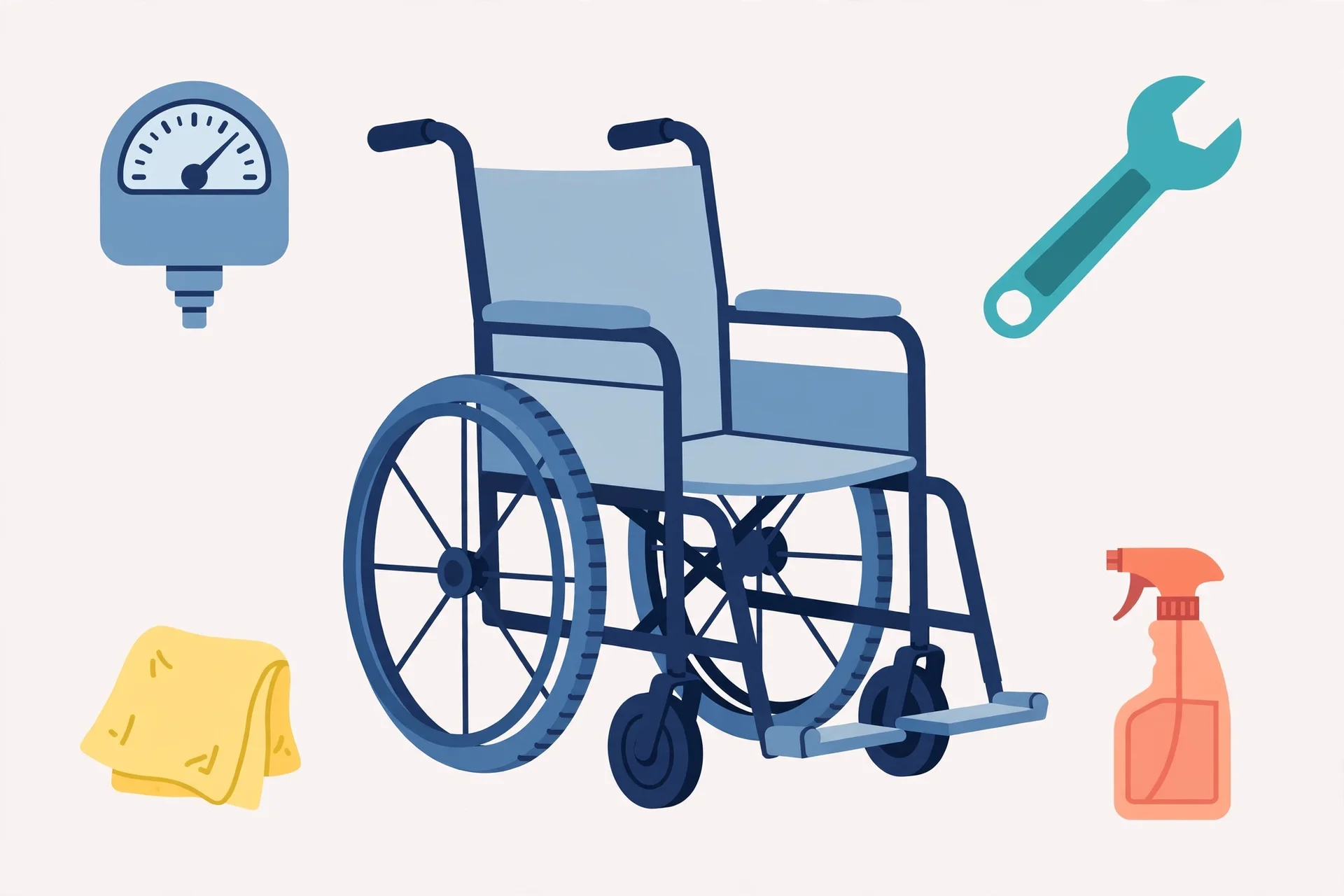
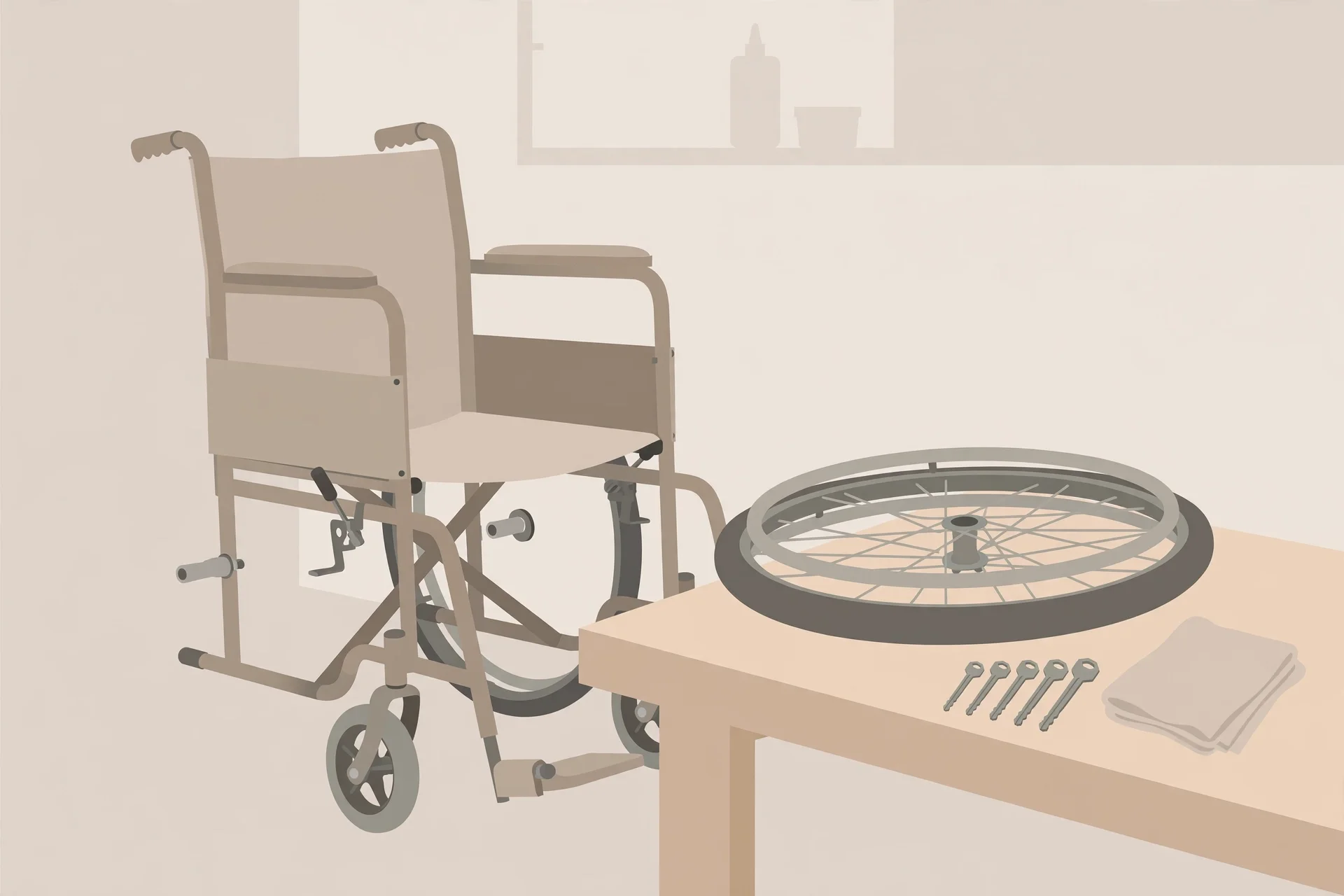
Cold hits the chair as well as the rider. Aspire2 notes that when temperatures get down to 0 degrees Celsius, batteries lose about 30 percent of their performance power, enough for a chair to fail when turning on, and that the colder it is, the less charge a battery can hold, so expect less than the usual range. The fix is simple: store the battery in a warm place, since most scooter and powerchair batteries can be detached and kept indoors, and if yours cannot be detached, keep the whole chair inside. Keep charging regularly through winter without overcharging, and check tyre pressure often, because colder weather reduces pressure and therefore grip, and worn treads are a real problem on wet or icy ground. After a rainy journey, dry the chair before storing it, and keep it somewhere it cannot get wet, because cold moisture can freeze components and cause irreversible damage. A short pre-outing check, battery warm and charged, tyres firm with good tread, rain cover packed, blanket on the chair, turns a cold day from a risk into an ordinary trip.