
Service details are based on Changi Airport's official accessibility pages, checked on 2026-10-03. Procedures and availability can change; confirm with your airline and Changi Airport before you travel.
Two different services, two different bookings
The first thing to understand is that 'wheelchair assistance at Changi' can mean two separate things. Changi Airport itself provides complimentary self-assist wheelchairs that anyone can borrow inside the airport. Separately, every airline offers wheelchair service for its own passengers, which is staffed by the airline's ground team and covers you from check-in to the aircraft door. The airport loan chairs are for getting around the terminal on your own; the airline service is for passengers who need staff assistance through the whole journey. Booking the wrong one - or assuming one covers the other - is the most common mistake travellers make.
The airport's complimentary self-assist wheelchairs
Changi provides complimentary self-assist wheelchairs across all four terminals. You can borrow one from the information counters in each terminal's departure hall, transit area, and arrival hall, and they are also available at the concierge counters at Jewel Changi Airport. The chairs are free, for airport use only, and are loaned on a first-come, first-served basis. If you want to be sure one is waiting, Changi lets you book a complimentary wheelchair ahead of your arrival through its website. If the counter is out of chairs when you arrive, staff or the virtual agent at the counter can help arrange one for you.
Booking wheelchair service with your airline
If you need staff assistance - being pushed, guided through security, or helped to board - that service comes from your airline, not the airport. Changi's guidance is to book wheelchair service with your airline or travel agent when you book your flight, at least 48 hours before departure. For requests made less than 48 hours out, contact your airline directly. When you book, the airline's special assistance staff will typically ask about your mobility level, such as whether you can walk short distances, to match the right level of support to your needs. Expect some waiting time during peak periods, and note that additional charges may apply depending on the airline - check your carrier's own policy before you travel.
Travelling with your own mobility equipment
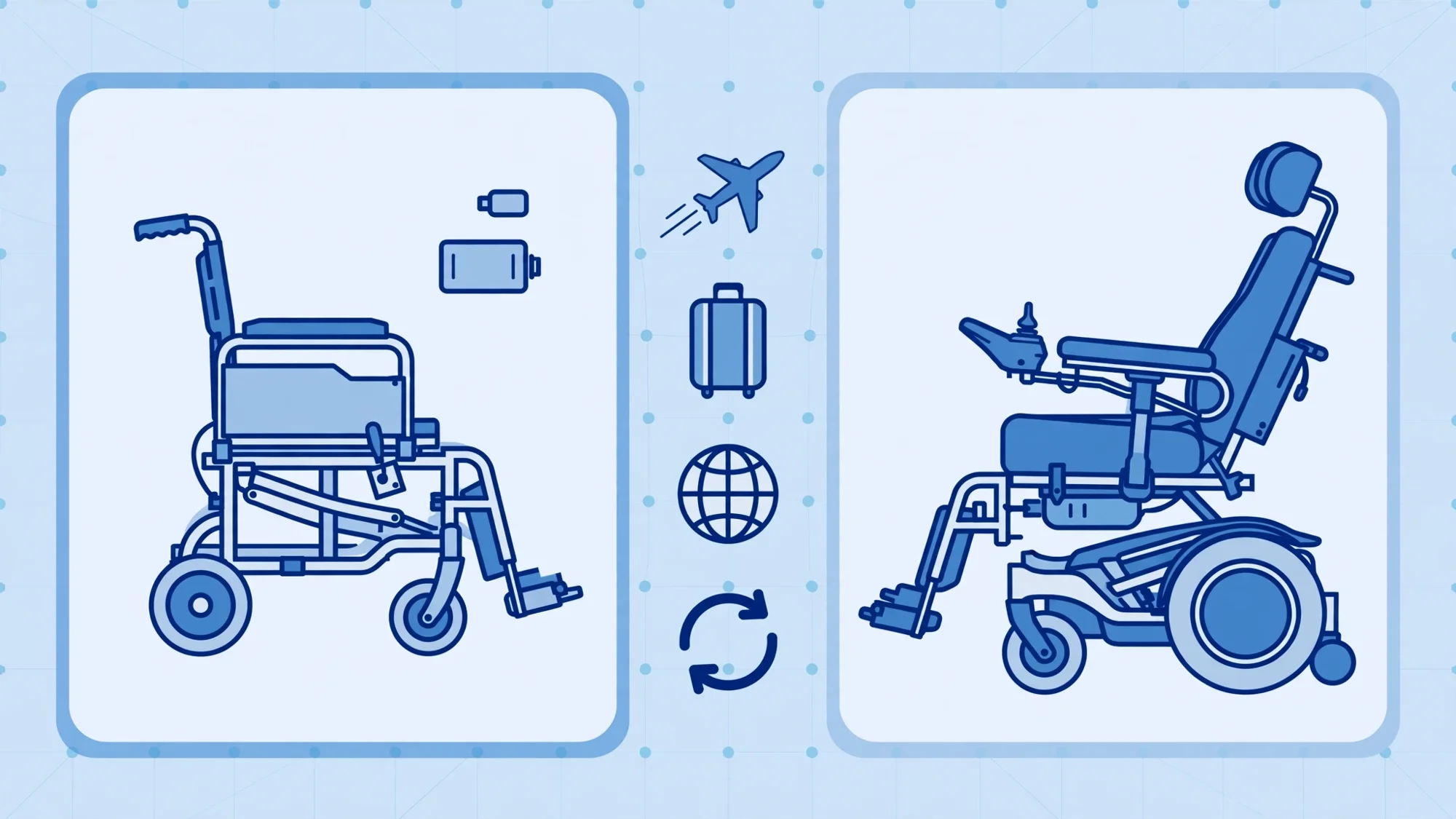
If you travel with your own wheelchair, scooter, or other mobility device, contact your airline in advance so it can make the necessary arrangements. Your airline will advise which personal mobility equipment is accepted on different aircraft, what to prepare when checking in your device, and when you should be present for check-in if you plan to use your equipment as far as the boarding gate. Labelling your device with your name and having your battery specifications ready - especially for powered wheelchairs - speeds up the conversation at the counter.
Other accessibility touches worth knowing
Beyond wheelchairs, Changi's reduced-mobility pages point to a few facilities travellers often miss. Accessible changing rooms with adult diaper-changing facilities are available in the public areas of Terminal 2 (Level 2, beside the Wonderfall) and Terminal 3 (Basement 2, near the Raffles Medical Clinic), with height-adjustable nursing benches and sensor-operated toilets. Changi also runs a Hidden Disabilities Sunflower programme for passengers whose support needs are not obvious - we covered that separately in our guide to the airport's invisible-disability support. If your needs go beyond mobility, it is worth reading the airport's full special-assistance pages a few days before you fly.