
Scope: battery limits reflect FAA PackSafe guidance current as of 2026-10-12; individual airlines may impose stricter limits. This guide gives general buying criteria only — for the 2027 IATA battery rule changes, see our companion article iata-2027-battery-rule-changes-mobility-aids-guide, which covers that topic separately.
In brief
- Folded dimensions and total weight are the first filters — measure them against your car boot, not the brochure.
- Removed lithium batteries are limited to 300 Wh and must ride in the cabin; know the Wh rating and how fast the battery comes out.
- Call the airline's special-assistance desk before booking — carrier rules can be stricter than the FAA baseline.
Folded Size and Weight Come First
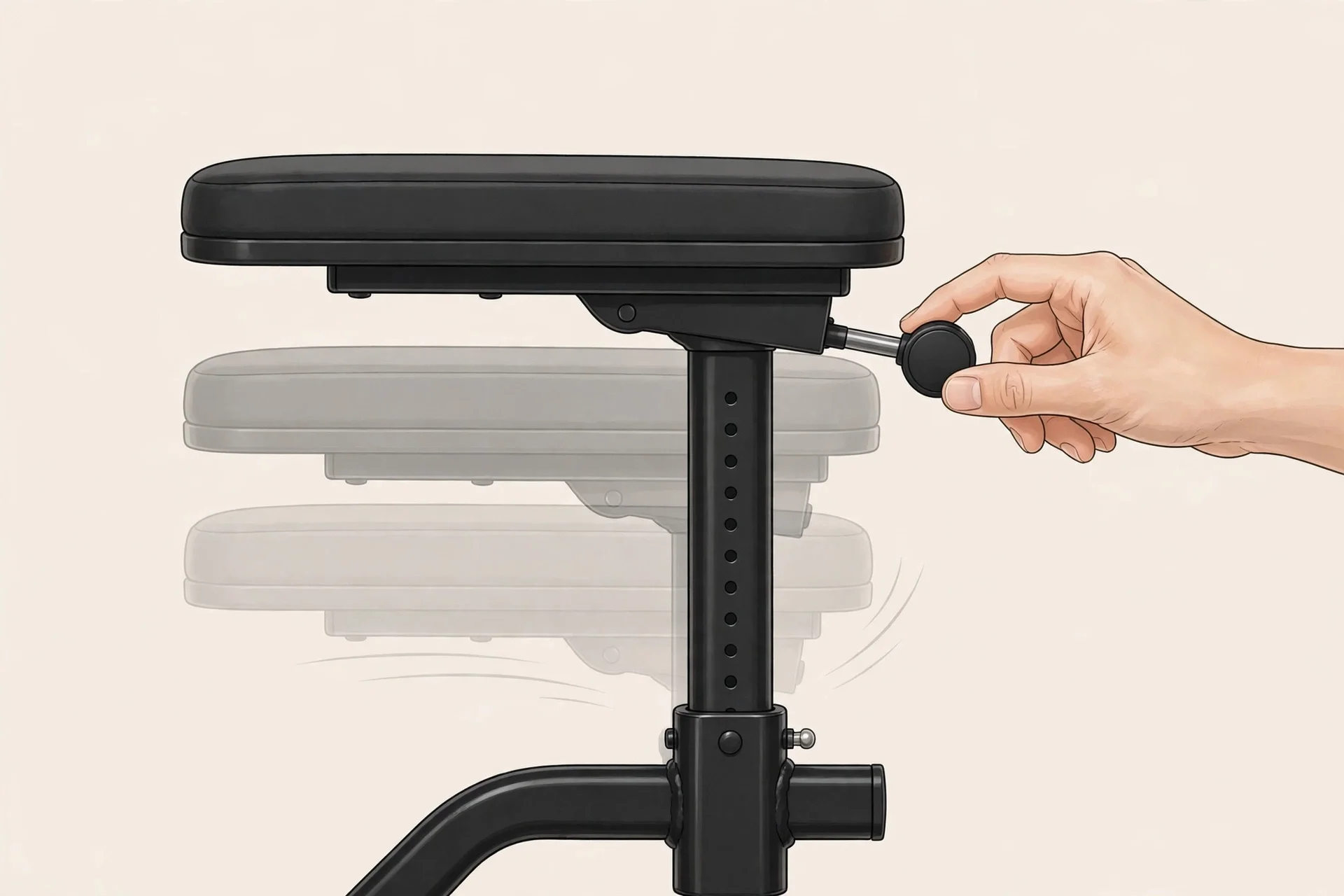
Forget the spec sheet for a minute and start with your car. The two numbers that decide whether a folding power wheelchair is actually travel-friendly are folded dimensions and total weight — and both should be checked against the spaces you will actually use: the boot of your car, a hotel lift, an aircraft door. Pride's travel line shows what the light end of the market looks like: the Jazzy Ultra Light weighs 33 pounds and folds in seconds, while the Jazzy Carbon models use a carbon fiber frame to stay foldable without giving up a full-size feel, and the Go Chair splits into five pieces for transport. Ask the dealer for the folded length, width, and height with the seat and armrests in their smallest position — not the open dimensions — and ask who will be doing the lifting. If you travel alone, 33 pounds is a very different proposition from 60. Weight also matters at the check-in counter, where heavy, non-folding chairs need special handling. Get these two numbers right and the rest of the buying decision becomes much easier.
Battery Capacity and Removability: The Airline Gatekeeper
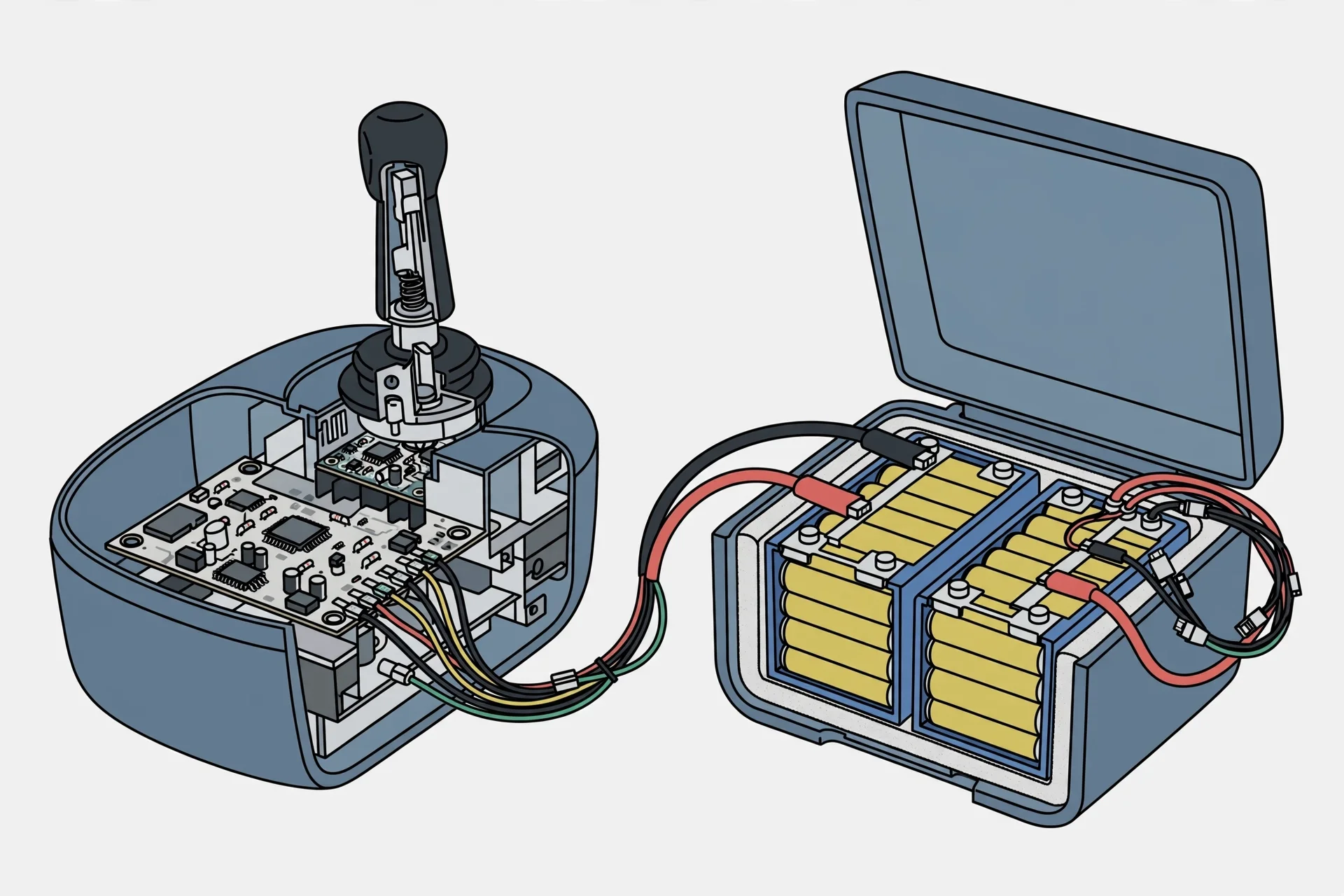
This is the spec that decides whether your chair actually gets on the plane, so treat it as a gatekeeper, not a detail. The FAA's PackSafe guidance for wheelchair and mobility-device batteries lays out the rule: if a lithium battery is removed from the device — the typical case for folding travel chairs — it is limited to 300 watt hours, must be carried in carry-on baggage, and the passenger must tell the airline where the battery is. Where the battery stays installed and is protected by the chair's design, the chair travels as checked baggage, not in the cabin. Spares are limited too: at most one spare up to 300 Wh, or two spares up to 160 Wh each, all carry-on only — and lithium metal batteries are forbidden outright. When you are comparing chairs, ask for the battery's watt-hour rating and whether it removes in seconds without tools; a chair whose battery cannot be removed quickly will slow you down at every airport. One note on scope: this is general buying guidance under current rules. For the deeper changes to battery rules arriving in 2027, see our companion guide on the IATA 2027 battery rule changes, which covers that topic separately.
The Comfort Trade-Offs of a Travel Chair
Folding travel chairs are built to disappear into a car boot, and that portability is paid for somewhere — usually in the seat. Expect thinner cushions, narrower seat widths, smaller wheels, and less suspension than a full-time power chair, plus shorter driving range from the smaller batteries airlines prefer. None of that makes a travel chair bad; it makes fit critical. Sit in the chair with your shoes on, check that your thighs are supported without pressure on the edges, that the armrests clear your hips, and that the joystick sits within comfortable reach at your natural arm angle. Ask for the seat width and depth, the cushion type, and the real-world driving range — not just the brochure number — and compare those against how long you will actually spend in the chair between charges on a travel day. If you already own a full-size power chair, think of the folding model as a specialist travel tool rather than a replacement. The right question is not which chair is the best, but which is the best chair for the travel days, and that answer is different for everyone.
Before You Book: Confirm the Details With Your Airline
Spec sheets do not fly the chair — airline staff do, so confirm everything directly before you book. The FAA notes that airline and international rules can be stricter than the baseline, which means your chair's compliance with the 300 Wh guidance is necessary but not always sufficient: some carriers add their own limits. Contact the airline's special-assistance desk and be ready to provide the chair's weight, its folded dimensions, the battery type and watt-hour rating, and whether the battery removes. Ask specifically whether they want the battery removed or installed, and what paperwork they expect at check-in. Airline guidance also recommends arriving with written instructions for the chair and being prepared to remove and pack fragile or protruding parts separately as carry-on. Build in extra check-in time — assisted-mobility check-in routinely takes longer — and keep a printed copy of the battery spec in your carry-on in case the gate team asks. A ten-minute call a week before departure prevents most of the airport stories people tell about travel wheelchairs.