GOV.UK checked 4 November 2026: 1 July 2026 start, £1 billion by 2030, £77.05 per week, WAV exclusion, core package. Disability Rights UK / Motability Foundation Q&A checked same day: ~£400 average advance payment rise, 40-50 no-advance-payment vehicles, £59.3 million grants 2024/25, 82,000 adaptation customers.
What changed on 1 July 2026
The changes were announced in the November 2025 Budget and took effect on 1 July 2026. Under the new rules, VAT applies to advance payments, the optional one-off payment made when a customer chooses a more expensive vehicle, and Insurance Premium Tax applies to new leases. The Department for Work and Pensions says the reforms will save taxpayers £1 billion by 2030. The same announcement confirms that eligibility for the scheme has not changed, that people on the enhanced mobility rate continue to receive £77.05 per week, and that vehicles with no advance payment remain available, so a car can still be accessed using the benefit alone.
The WAV exemption, in plain terms
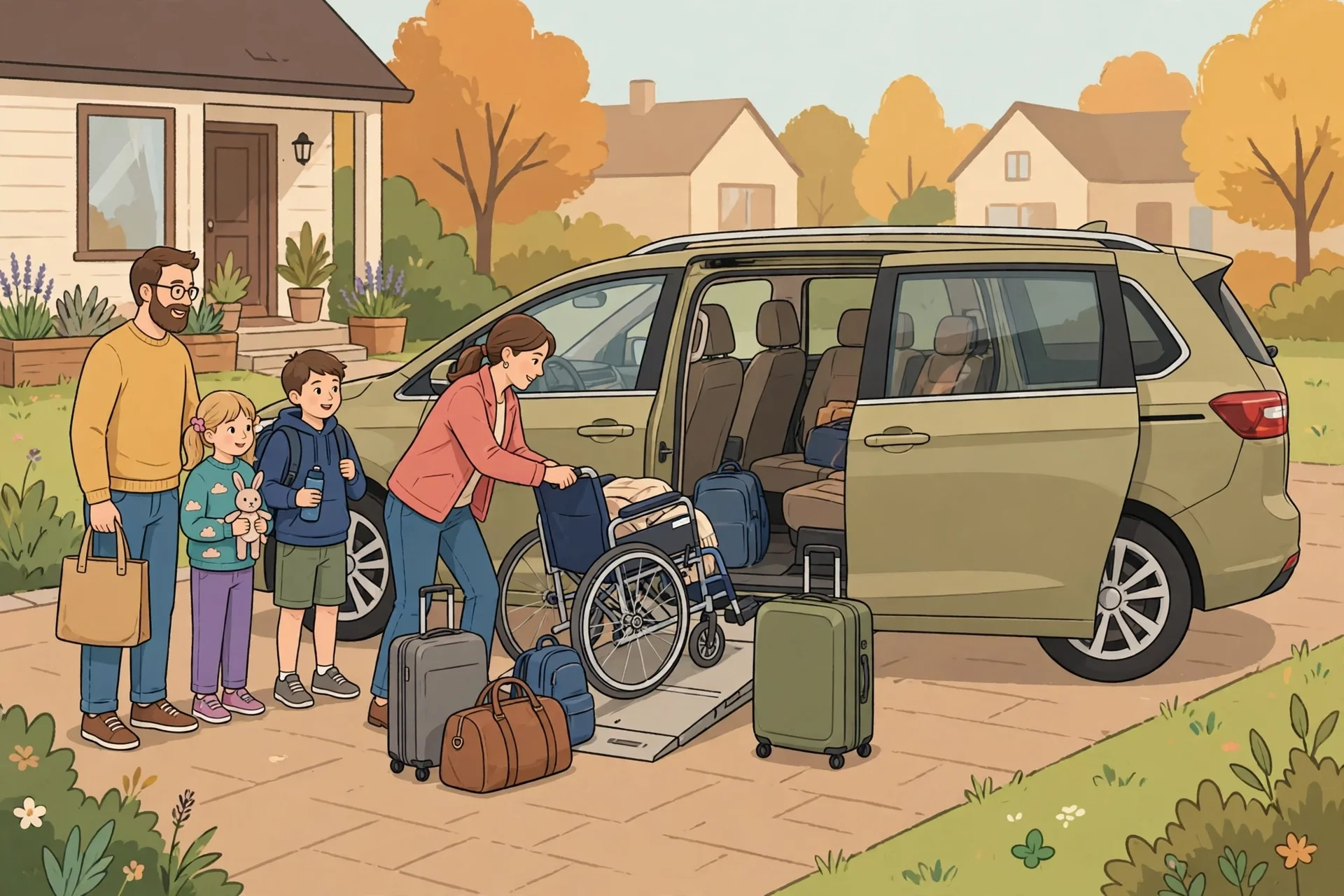
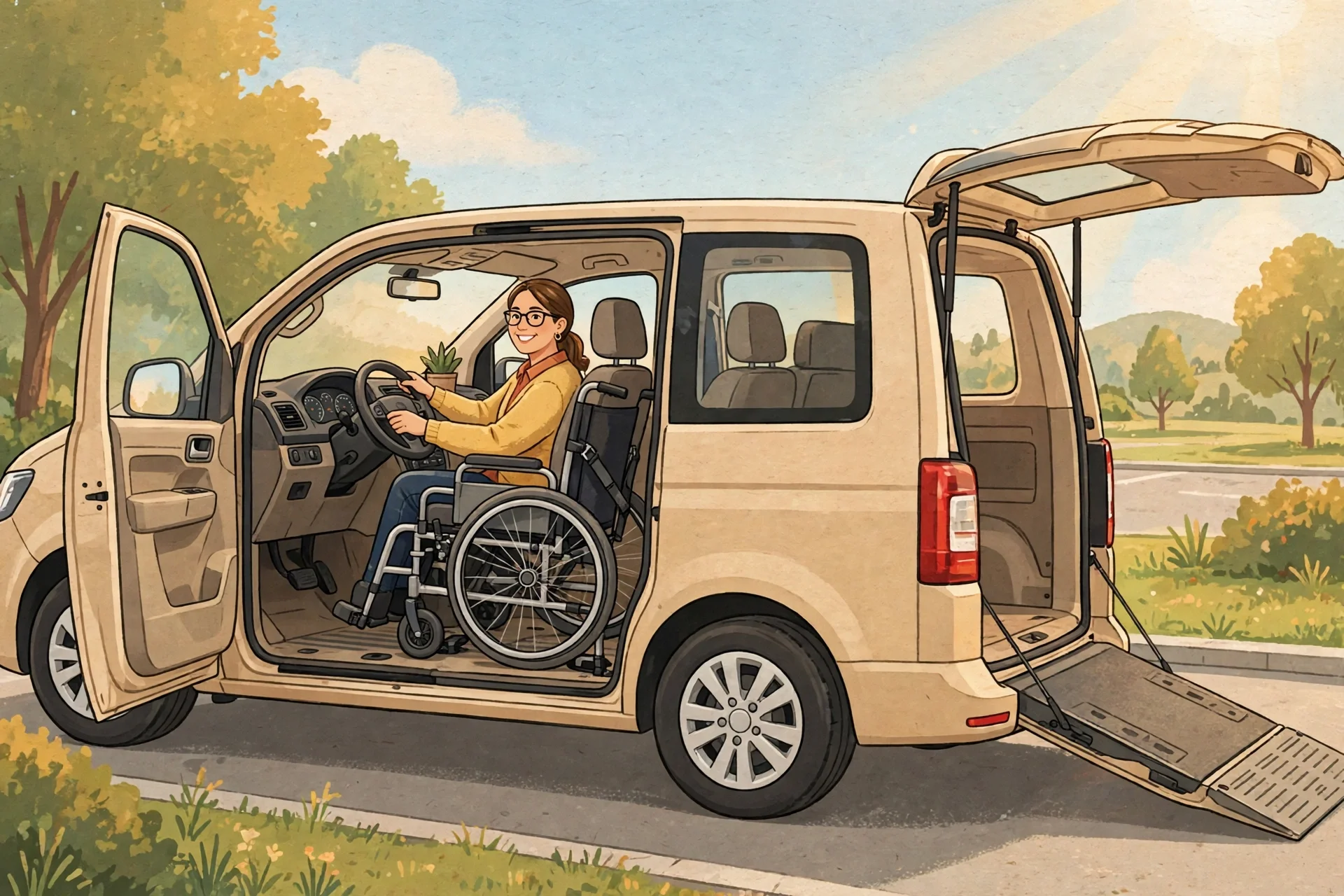
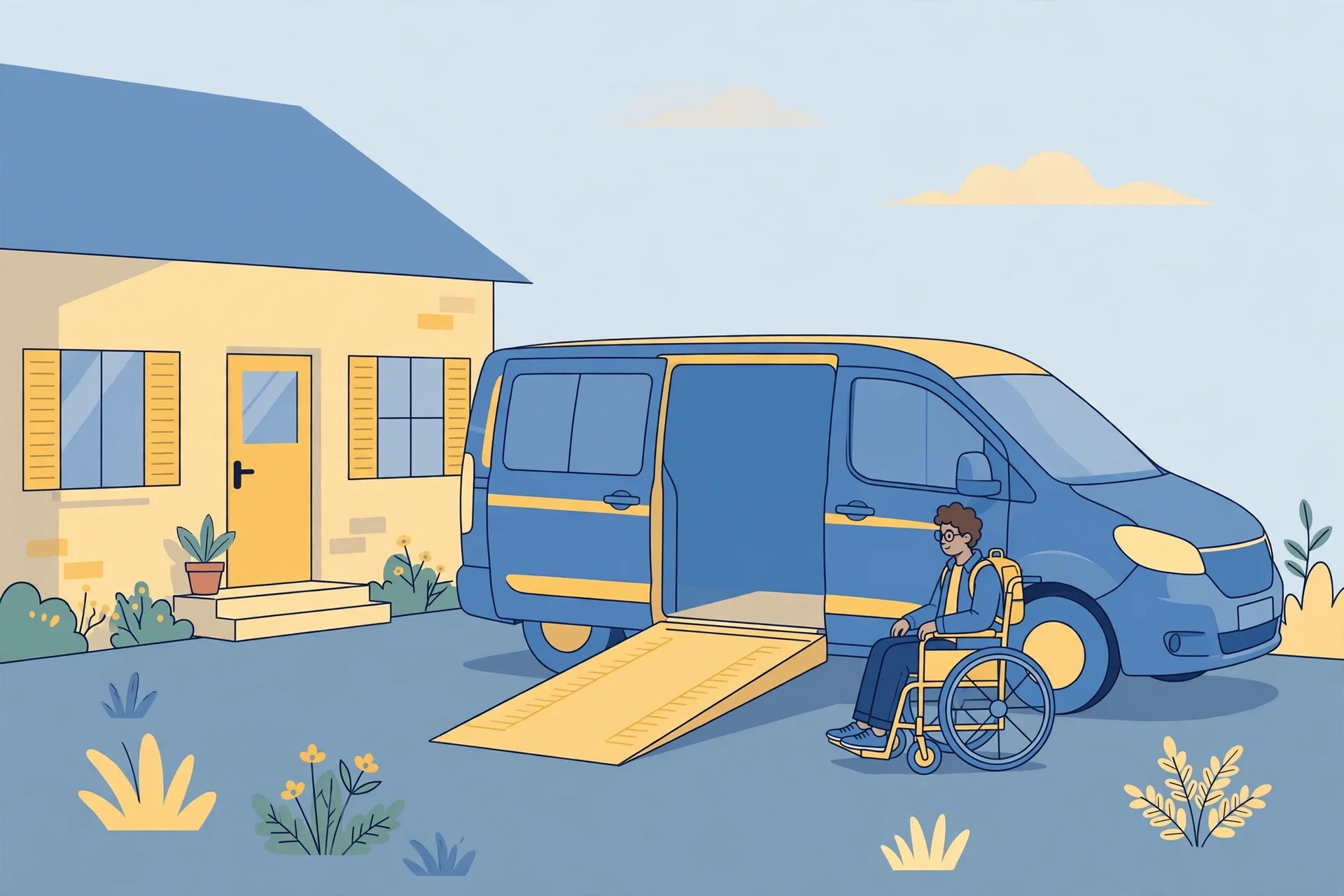
The exemption is specific. GOV.UK states that the tax changes do not apply to wheelchair accessible vehicles, and the Motability Foundation's published answers confirm that tax changes will not apply to vehicles designed for, or substantially and permanently adapted for, wheelchair or stretcher users. For those vehicles, the Foundation says it remains committed to subsidising and grant-funding WAVs, supporting the cost of adaptations, and keeping the vehicles as affordable as possible. The Foundation also funds adaptations for more than 82,000 customers and awarded £59.3 million in grants in 2024/25 to more than 10,000 customers. None of that changes the exemption itself, but it is the reason WAV customers are told to expect stability rather than a price rise.
What does not change for anyone
Three protections apply across the scheme. First, current leases are unaffected; the changes apply only to new leases taken out after the rules took effect. Second, the core package remains: a vehicle, scooter or powered wheelchair with insurance for up to three drivers, UK breakdown cover and maintenance. Third, the Foundation continues to offer means-tested grants for people who would otherwise struggle to afford an advance payment, adaptations or a WAV. Premium-brand vehicles were separately removed from the scheme on 24 November 2025, which is a different decision from the tax changes and is not reversed by the WAV exemption.
What to check before you order
If you are ordering a WAV, confirm with your dealer that the vehicle is recorded as a WAV or as substantially and permanently adapted for wheelchair use, since that is the wording the exemption turns on. If you are ordering a standard car, ask for the advance payment in writing and check whether a no-advance-payment vehicle would meet your needs instead: the scheme continues to offer around 40 to 50 vehicles with no advance payment. And if your current lease still has time to run, there is no tax reason to end it early, because the changes do not touch existing leases.