Compare the control task, not just the vehicle outline
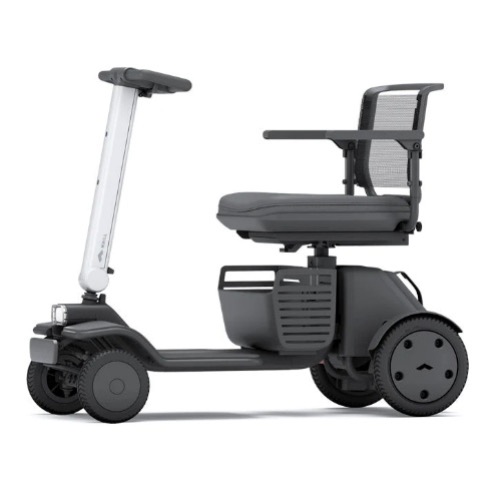
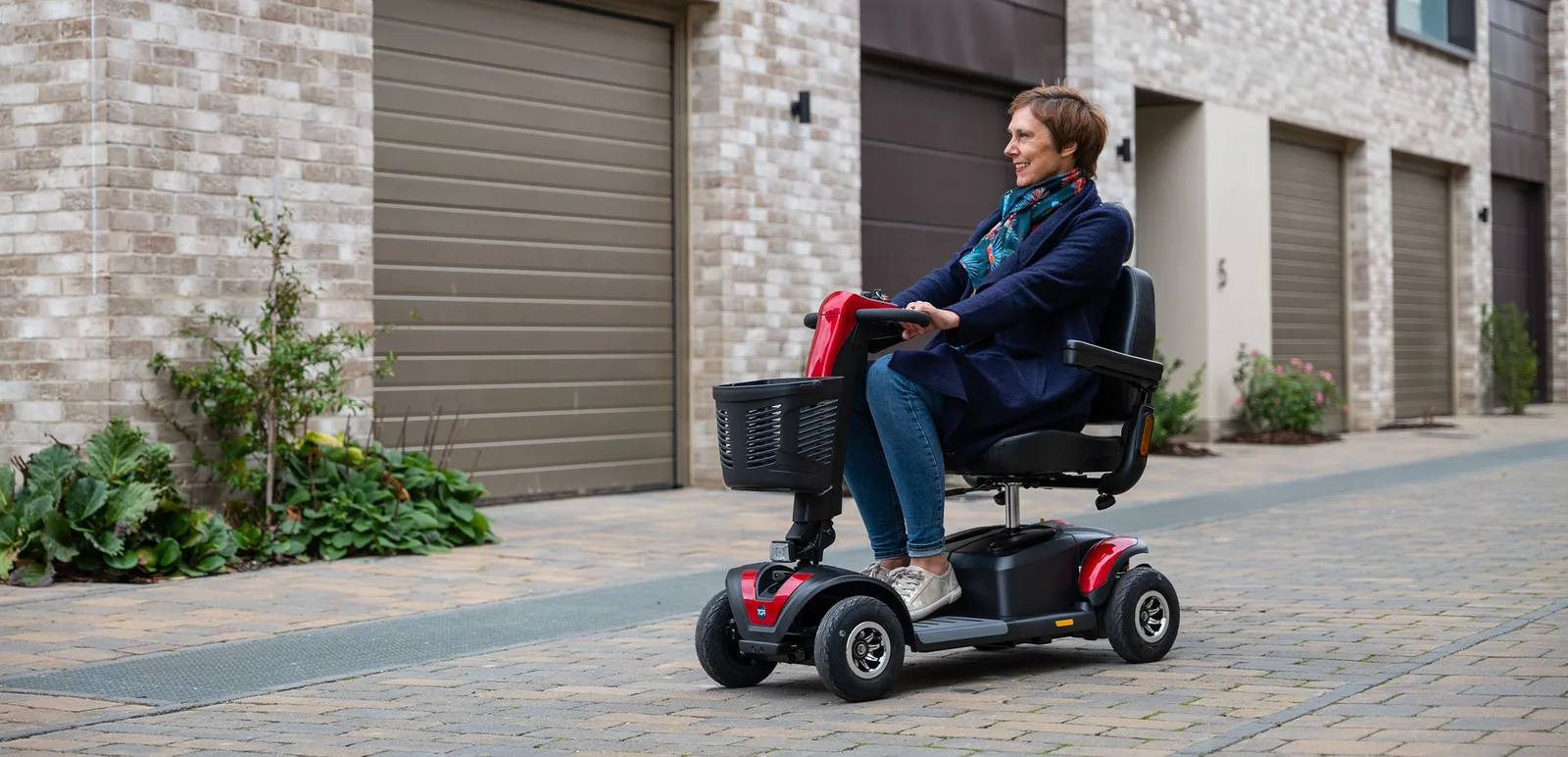
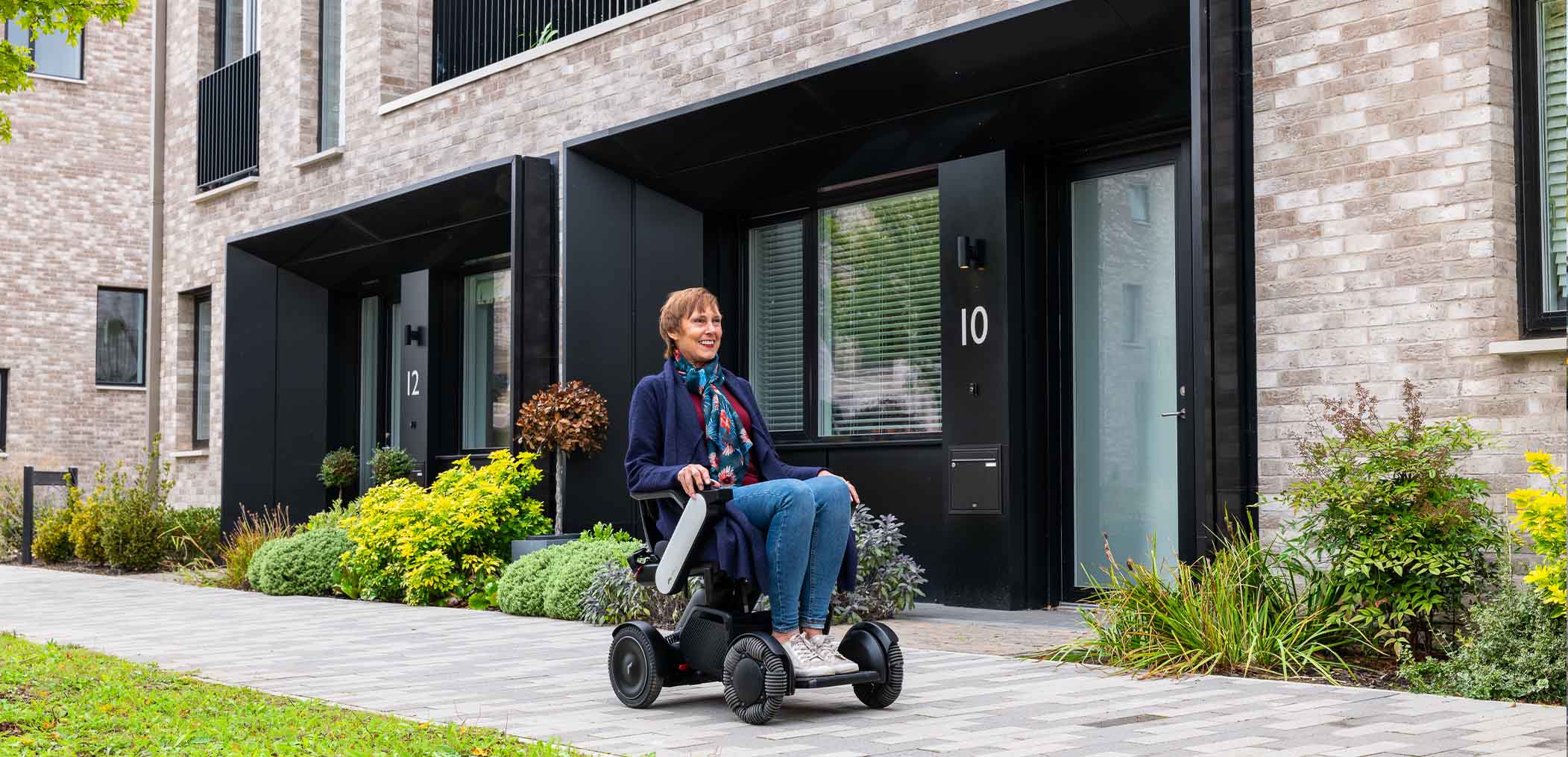
A scooter commonly uses a tiller, while many powerchairs use a joystick. These arrangements ask different things of the driver’s reach, posture and hand movement. The useful comparison is whether you can make small corrections comfortably and consistently in the situations that matter to you. A short straight run in a showroom is only one part of that question.
Repeat the same indoor journey on both
Choose a route that resembles a normal task: approach a table, turn away, pass a doorway and stop beside a seat. Repeat it slowly on each suitable model. Notice whether the control is still easy to reach while turning and whether the equipment can finish in the position you need.
Overall width does not describe the entire manoeuvre. Foot supports, front overhang and the space swept during a turn can determine whether the approach works. Avoid choosing solely from a turning-radius figure when an actual trial is available.
Use the same tasks for a fair trial
| Task | Observe |
|---|---|
| Approach a table | Final position, foot clearance and room to leave again. |
| Pass a doorway | Small steering corrections and clearance around the frame. |
| Stop beside a seat | Control reach and space for the transfer. |
| Turn in a corridor | The full swept area, including foot supports. |
Include getting on and getting off
An otherwise comfortable drive can hide an awkward transfer. Check the access to the seat and the position of armrests, foot supports and controls during your normal transfer method. If assistance is needed, include that person in the assessment.
Record which tasks each model completes well instead of declaring one category universally easier. The outcome may depend as much on the control setup and seating arrangement as on whether the product is called a scooter or a powerchair.