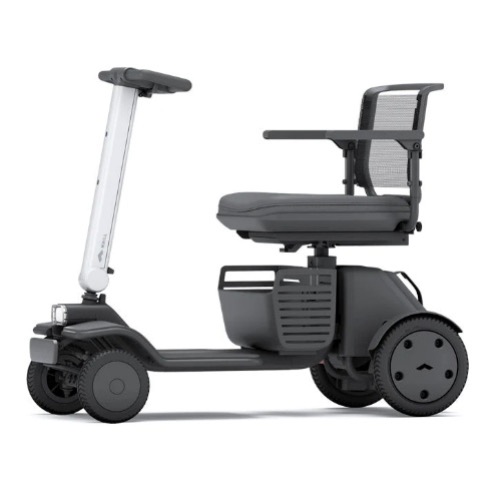

Standing device definition and reported effects from RESNA position paper coverage (RehabPub) and clinical standing literature; individual suitability always requires clinical evaluation
In brief
- A standing power wheelchair moves you from sitting to standing via the joystick, with no transfer to a separate frame.
- Clinical literature associates regular standing with pressure, circulation, bone, digestive and psychosocial benefits — discuss a program with your clinician.
- Trial before buying, and check home space, weight capacity, battery range and funding before committing.
What a standing power wheelchair is
The Rehabilitation Engineering and Assistive Technology Society of North America (RESNA) defines a wheelchair standing device as a standing feature integrated into a wheelchair base: a mechanical or electromechanical system, operated through levers or the chair's own controller, moves the seat from horizontal into a vertical or forward-sloping position while the leg rests and backrest stay vertical, extending the hip and knee joints. In practice, you drive the transition yourself with the joystick — no transfer to a separate standing frame, no caregiver lifting you. That integration is the key difference from standalone standers: standing becomes something you can do several times a day, on your own schedule, rather than a scheduled therapy activity.
What clinical literature reports about regular standing
Clinical papers and the RESNA position paper on standing systems associate regular supported standing with a range of effects: alternating sitting and standing redistributes pressure and supports skin integrity; weight-bearing is associated with better circulation, joint range of motion and bone loading; standing is reported to support digestion and bladder and bowel function; and being upright at eye level is consistently linked to psychosocial benefits — easier conversation, greater participation and reduced reliance on others. Be aware that evidence strength varies by outcome, and reported benefits are associations from clinical literature, not guarantees for any individual. Standing programs should be set up with a clinician, who will consider factors like bone density, blood pressure responses and joint status before you start.
Who should consider one — and what to check first
Sources in rehabilitation literature most often discuss standing wheelchairs for people with spinal cord injuries, multiple sclerosis, stroke recovery, muscular dystrophy and cerebral palsy — but the decision always follows an individual clinical evaluation, never a diagnosis alone. Before committing, work through the practical questions: how many times a day would you realistically stand, and is that worth the cost and complexity over a standard power chair? Does your home have the floor space to maneuver and stand safely? What weight capacity, battery range and seating support do you need for all-day use? And how will you fund it — standing systems add significantly to the price, so check what your insurer, health service or grant schemes cover. Wherever possible, trial a standing chair for at least a few days before buying; standing is a very personal experience, and only your body can tell you if the feature earns its keep.