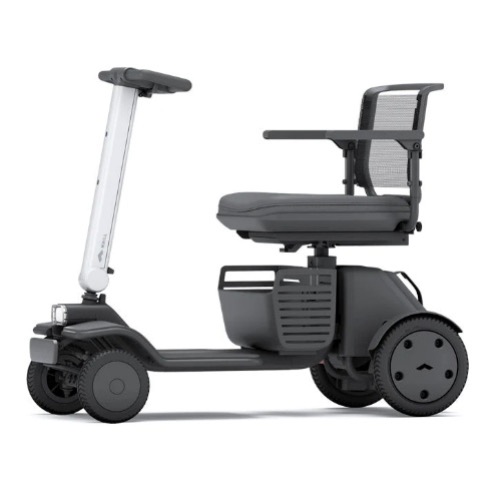
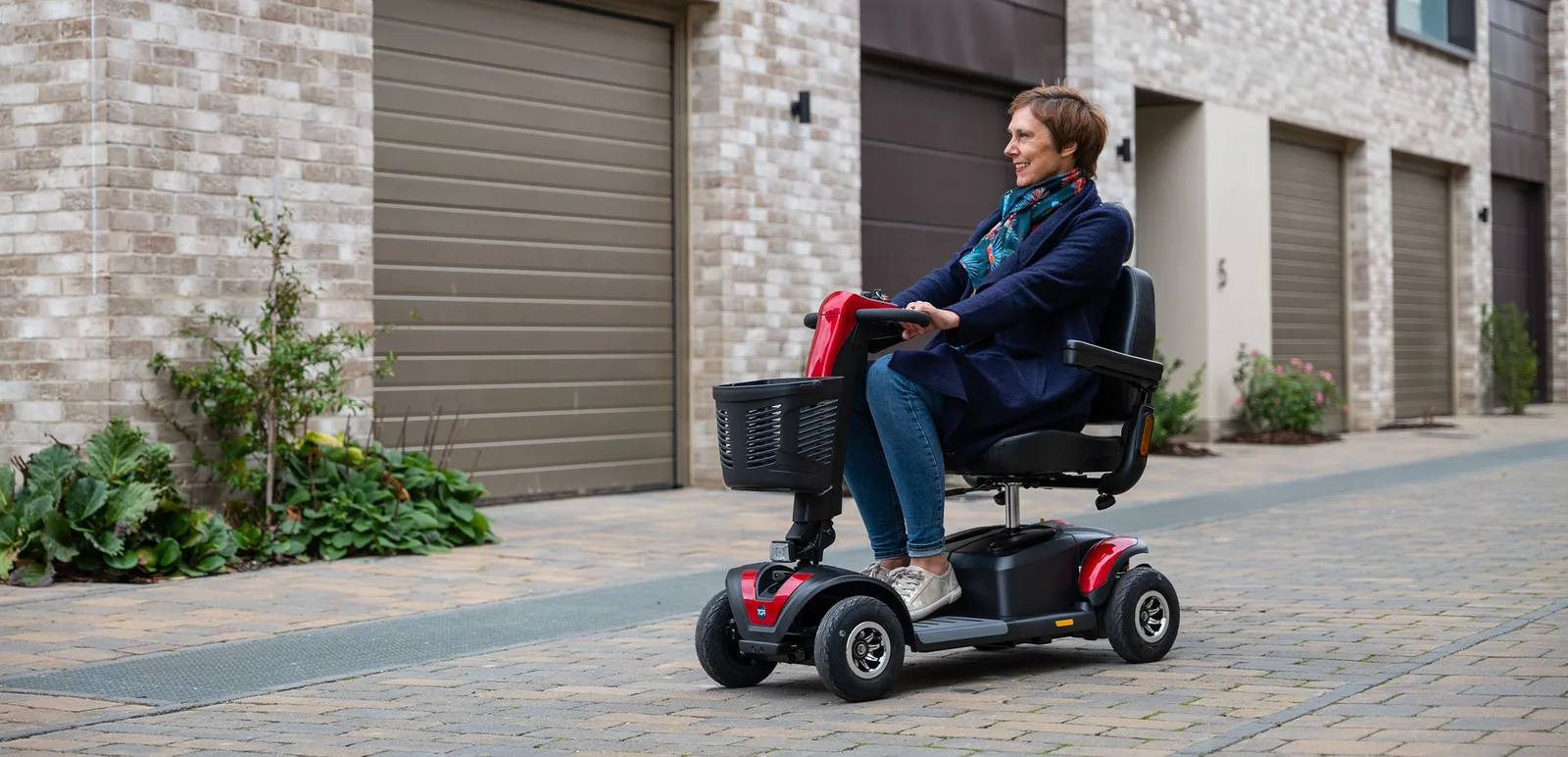
Identify the equipment before judging the bargain
Ask for the model, serial number, approximate age and service history. Photographs should include the identification label and the charger label as well as the overall chair. A familiar-looking frame does not establish the battery specification or the availability of replacement parts.
Evidence to request
| Item | Useful evidence |
|---|---|
| Identity | Readable model and serial-number labels. |
| Maintenance | Dated service records and details of recent repairs. |
| Battery and charger | Part references, age where known and available test results. |
| Included equipment | Written list of cushions, controls, accessories and documentation. |
Inspect what a listing photograph cannot show
Look at the frame, mounting points, wheels, upholstery and controls in person where possible. Ask a qualified service provider to assess damage or an unexplained modification. A cosmetic mark and a structural problem are different questions; an attractive photograph cannot resolve either.
Arrange a suitable functional demonstration. Include starting, stopping and the adjustments you need, following the manufacturer’s instructions. An illuminated battery display is not evidence of full usable capacity. Request maintenance or test records where available rather than accepting a range estimate based on memory.
Price the missing pieces before agreeing
An absent compatible charger, worn cushion or unavailable replacement part can change the value of a used chair. Record the cost and availability of essentials before comparing the total with another option. Fit and safe use still require attention even when the equipment is inexpensive.
Keep the seller’s description, the serial number and written details of what is included. If the chair cannot be inspected or demonstrated, treat those unanswered questions as unresolved rather than filling them in from a similar model online.