One booking can cover several train companies
National Rail says any train company can organise Passenger Assist for the whole journey, including travel with other operators. This is useful on an itinerary with connections: describe the complete journey when arranging help, rather than assuming separate requests will automatically join up. Assistance can include ramps, help navigating a station and support reaching a connecting service.
A request still needs a confirmation
National Rail allows requests up to two hours before departure. Its guidance distinguishes submitting a request from receiving confirmation after the arrangements have been checked. Keep the confirmation and read it against the actual itinerary. A ticket is still required.
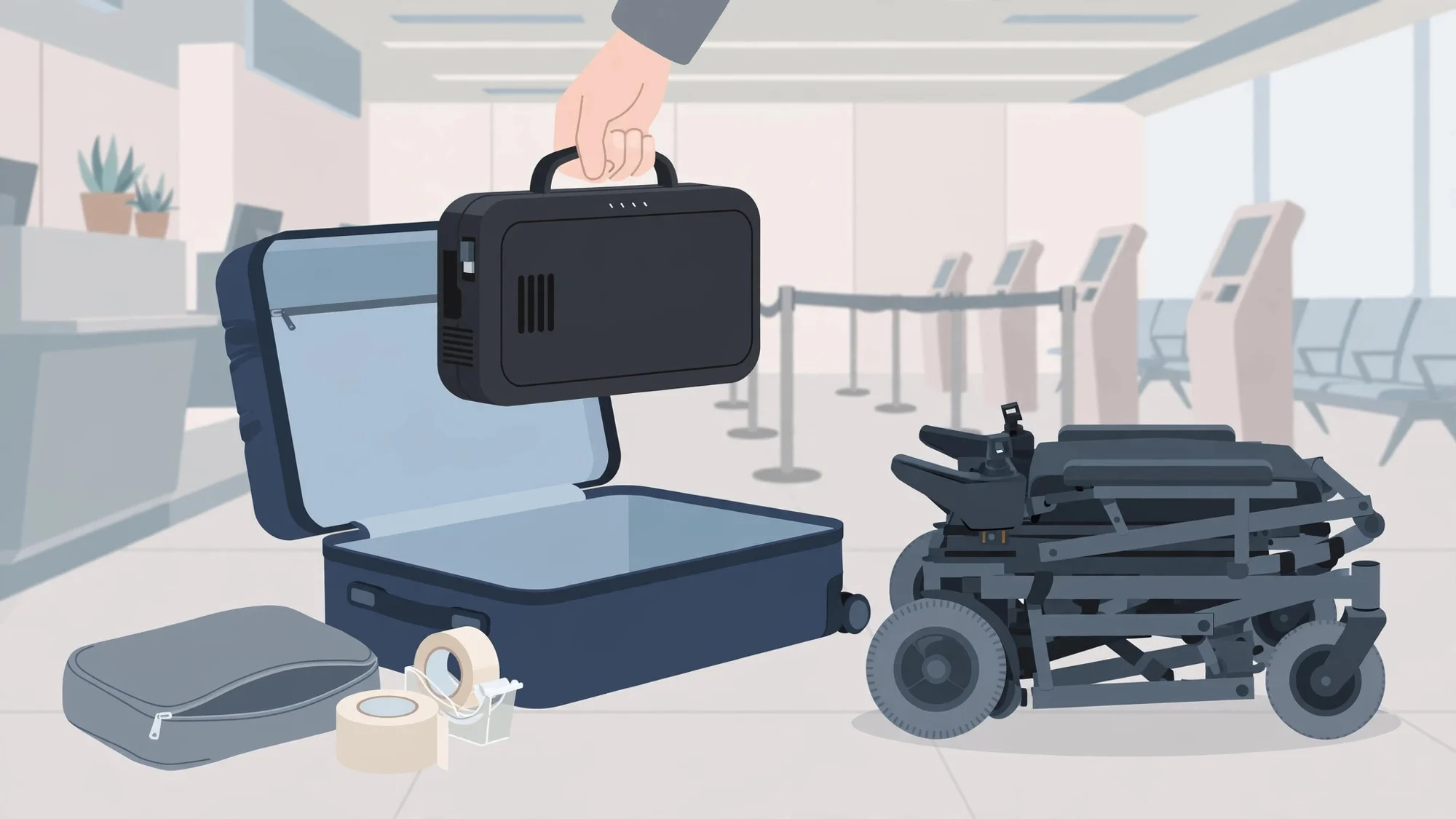
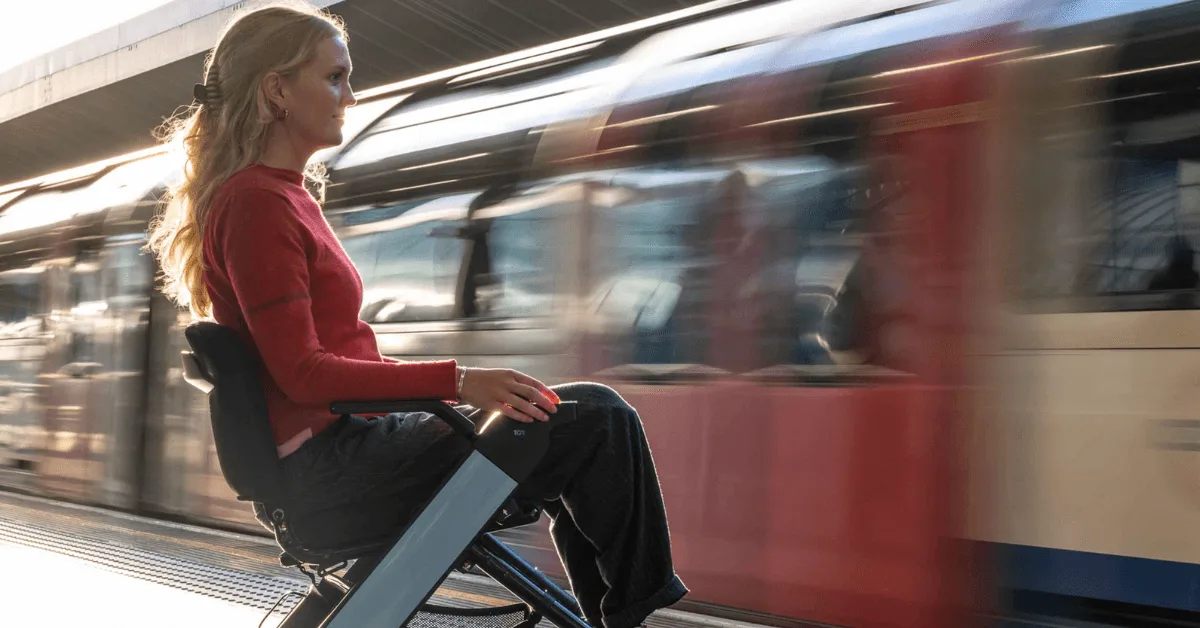
For a scooter, also check the operator’s equipment policy. Assistance booking does not by itself resolve a scooter’s acceptance, permitted configuration or dimensions.
Read the confirmation against the trip
| Part of journey | Check |
|---|---|
| Departure | Meeting point and when to present yourself. |
| Interchange | Who meets the arriving train and how you reach the connection. |
| Arrival | Where assistance ends and how you continue beyond the station. |
Build the connection around the slowest step
A connection includes leaving the first train, reaching another platform and boarding again. Write down where the handover happens, especially if lifts or an interchange between stations are involved. National Rail also describes turn-up-and-go assistance, although arranging help on arrival may take extra time.
If a train changes or is delayed, tell staff that you have assistance on the next leg. Keep the updated connection together with the assistance arrangements so that a replacement train does not become a disconnected journey.