Airport list and deployment details from TravelPirates' 2026 roundup; Anchorage launch details from WHILL and NMS announcements. Checked 29 September 2026.
In brief
- LAX and Miami run full commercial autonomous wheelchair services; Seattle, Detroit and Anchorage run pilots as of 2026.
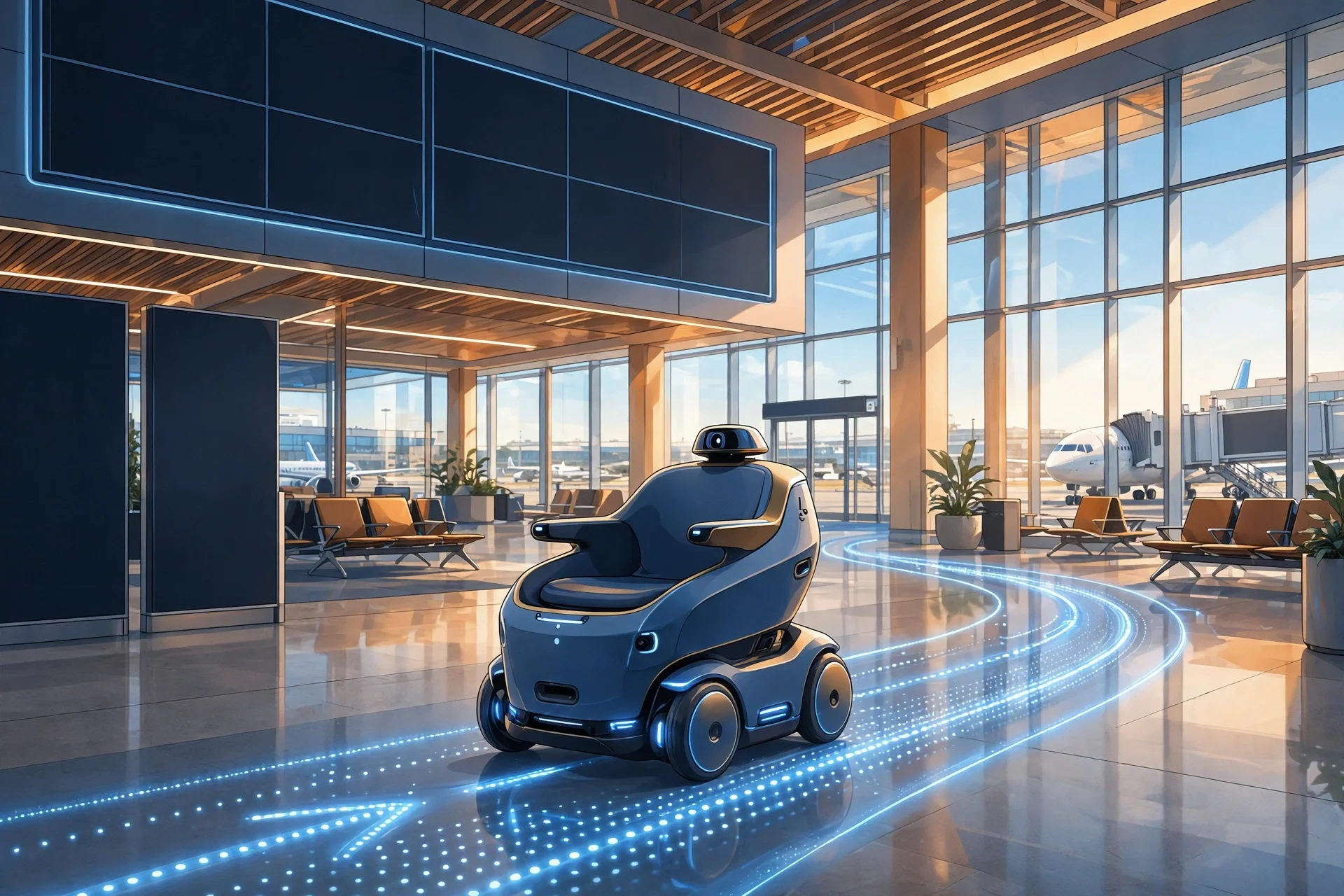
- Eligible passengers pick a destination and ride independently — the gain is flexibility, not speed.
- Coverage is airline-specific, so keep your standard assistance booking as the primary plan.
Where the chairs are running in 2026
Los Angeles International (LAX) operates a full commercial WHILL deployment through American Airlines, serving Terminal 4 and connections to the Tom Bradley International Terminal. Miami International (MIA) was first out of the gate with ten chairs — soon carrying around 120 passengers a day — and now runs a full commercial WHILL service through American Airlines and Envoy Air in Concourses D and E. Both airports had been quietly testing the technology since 2022 before moving to commercial service. Seattle-Tacoma (SEA) runs a WHILL pilot with Alaska Airlines in the C and D concourses, Detroit Metro (DTW) hosts a WHILL pilot at the McNamara Terminal, and Ted Stevens Anchorage International (ANC) is the newest addition, launching its WHILL service with Alaska Airlines on 31 March 2026. San José Mineta (SJC) offers Blueberry's BBGo chairs on a limited, rotating basis rather than a permanent schedule.
How the service works — and who it suits
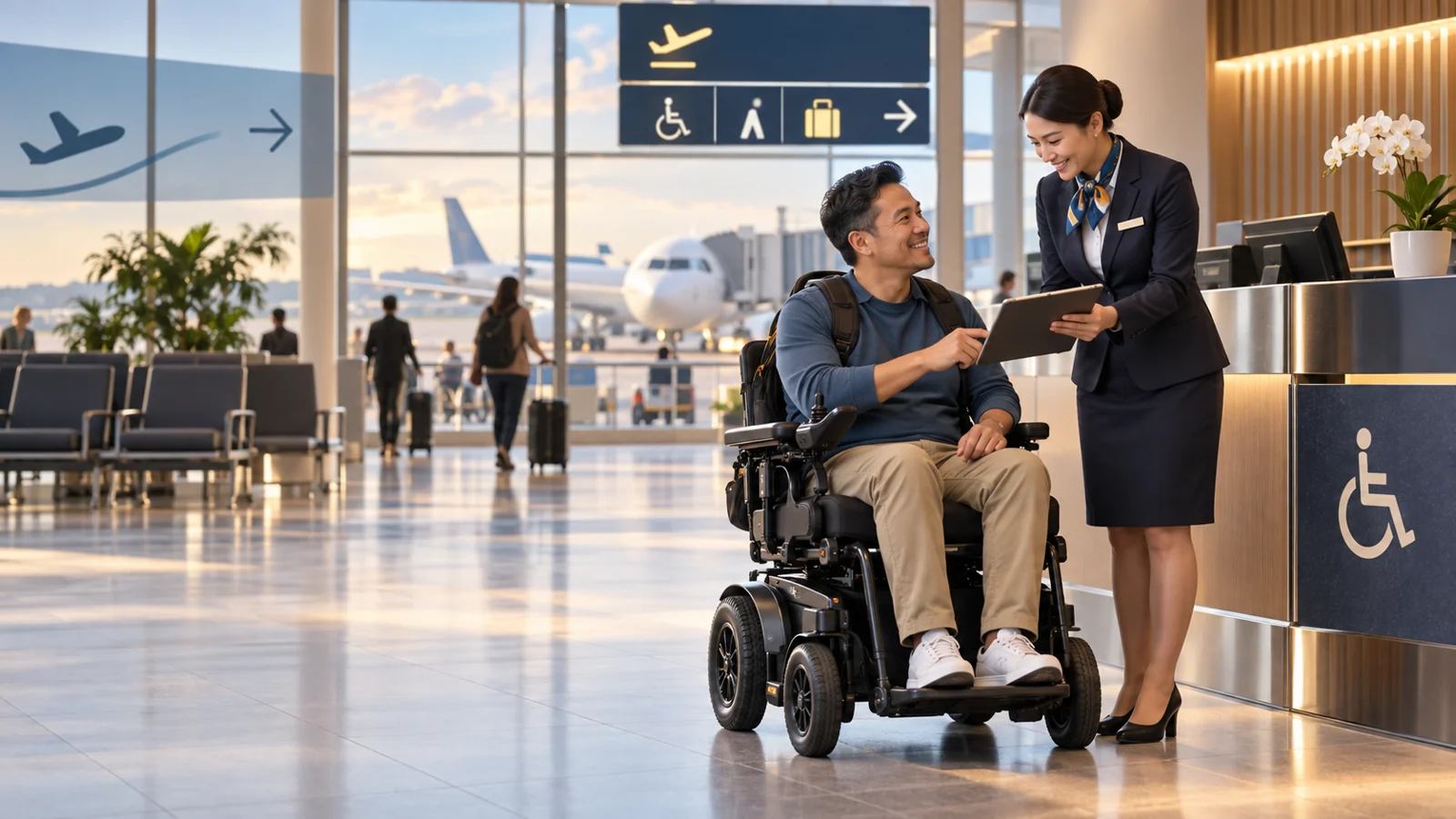
Eligible passengers select a destination on the chair and travel through the terminal independently, without an assistant needing to be present. The biggest change is independence rather than speed: during busy periods, conventional wheelchair assistance can mean extra waiting for a staff member, while an autonomous chair lets travellers comfortable with the technology move on their own timing. The chairs do not replace the people who help with transfers, bags or more hands-on support — instead they free staff to focus on passengers who need higher levels of care. At Anchorage, operator NMS says the programme strengthens service reliability during peak travel periods and addresses staffing challenges when passenger volumes surge.
What to know before you count on one
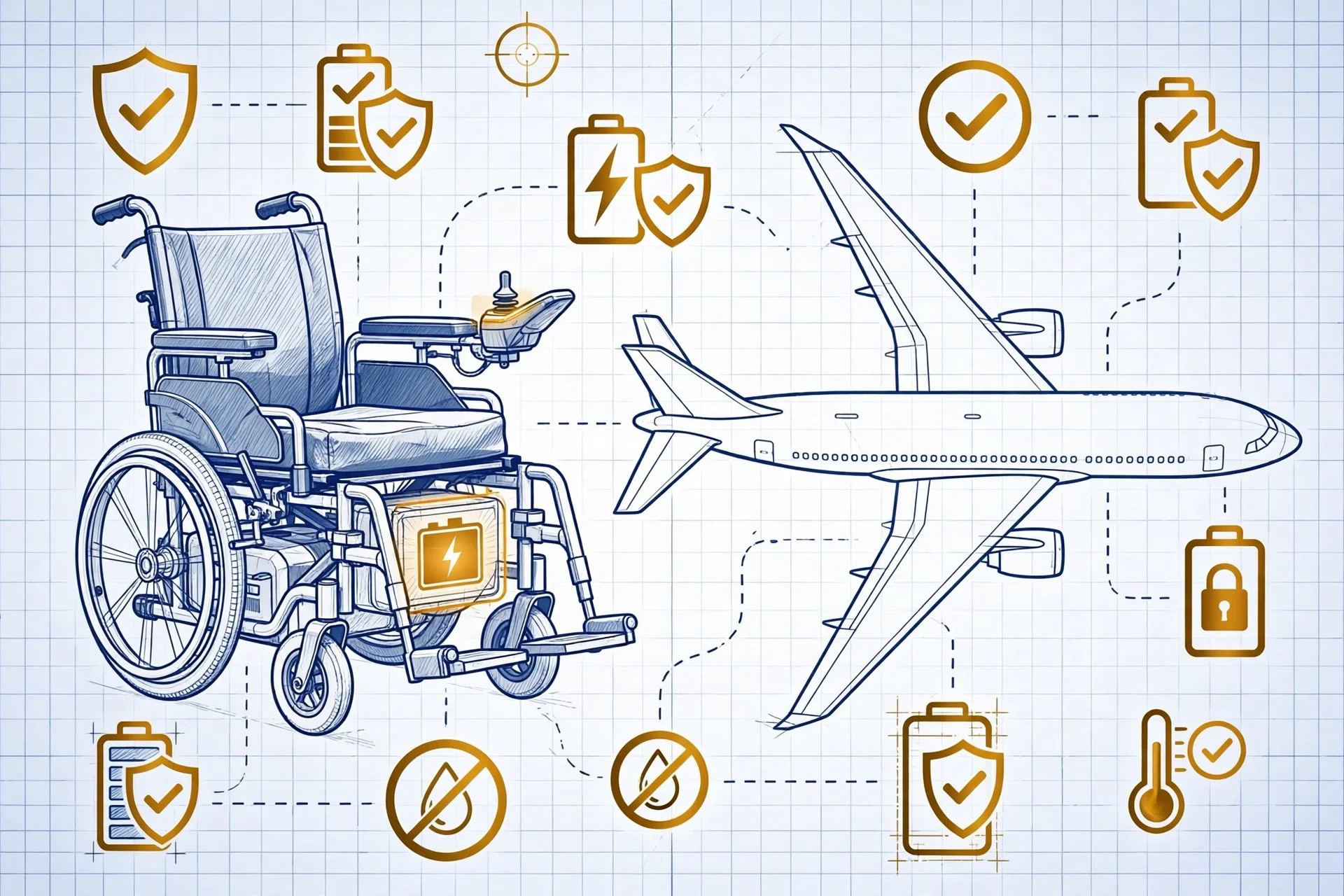
Coverage is airline-specific, not airport-wide: at LAX and MIA the service runs through American Airlines, at SEA and ANC through Alaska Airlines, so check that your carrier participates before you plan around it. Pilots and limited deployments can change or pause, so treat the autonomous option as a complement to a standard assistance booking, not a replacement — keep your airline's wheelchair request in place as the primary plan. If you need lifting, help with transfers, or handling of a personal power wheelchair, you still need staffed assistance. And as with any airport mobility service, build in buffer time: the technology is impressive, but the airport is still the airport.