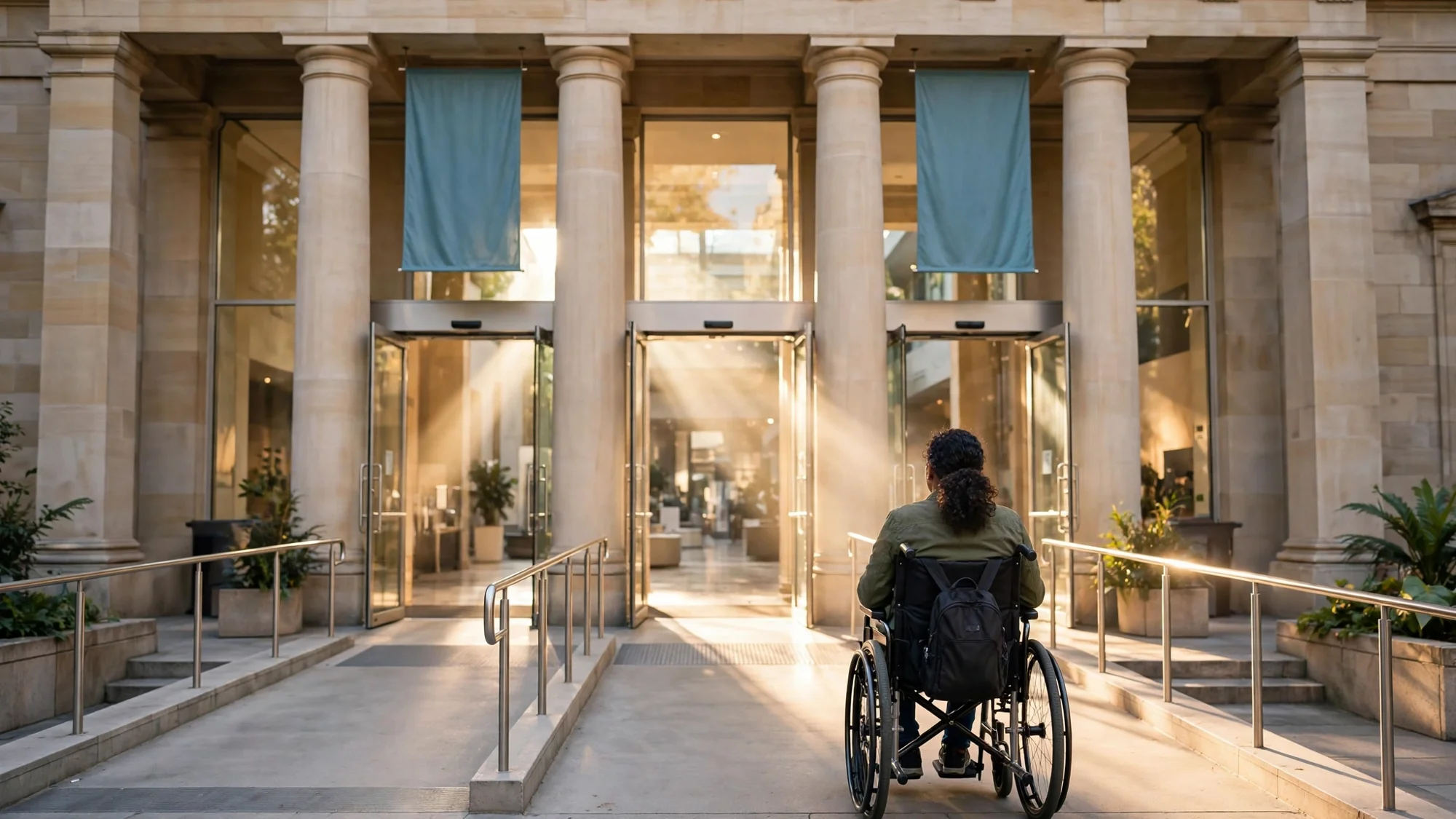
Stadium access varies sharply by club; the club's Level Playing Field page is the reliable source.
In brief
- Derby County lists 203 home wheelchair spaces; Cambridge United lists 19, so book early
- UEFA requires unobstructed, numbered spaces with a companion seat beside each one
- Check entry gates, RADAR-key toilets and companion seating before buying
How wheelchair spaces actually work
Level Playing Field records the number of wheelchair user spaces per club, and the spread is wide. Derby County lists 203 home wheelchair spaces across all four stands, with both pitchside areas and elevated platforms, and personal assistant or essential companion tickets allocated alongside the space. Sheffield Wednesday lists 92 home spaces, split between the North Stand, West Lower Stand and Kop, plus 360 easy-access and amenity seats, and notes that some home wheelchair users sit in the West Lower Stand with away supporters because demand is high. Cambridge United lists just 19 home spaces and 16 away spaces, advises non-season-ticket holders to book at least 48 hours ahead, and requires wheelchair users to be accompanied by a personal assistant. The lesson is to check your club's page, not the league average, and to book early at smaller grounds.
The rules behind the spaces
UEFA's stadium infrastructure rules require dedicated facilities and fully accessible access, entry and exit routes, drop-off points, parking, walkways, ticket booths, seats and facilities for disabled spectators and their companions, with all accessible seats offering an unobstructed view of the field, clearly numbered, and each wheelchair space marked with the international disability sign on the floor and next to a fixed seat for a companion or personal assistant. The recommended proportion of wheelchair spaces for home supporters is 0.5 percent of UEFA spectator capacity, with a minimum of 0.1 percent, and minimum numbers for visiting supporters rise with capacity, from two spaces at the smallest grounds to twenty at grounds above 40,000. If a club's allocation looks short, the club's disability access officer, named on its Level Playing Field page, is the person to contact.
Matchday planning checklist
Before you buy, confirm: how many wheelchair spaces your club has and where they are, pitchside or elevated; whether a companion ticket is free or charged, and whether it sits alongside or behind you; how to enter, since many grounds offer a separate accessible gate away from the turnstiles; where the accessible toilets are and whether a RADAR key is needed; and whether in-seat food and drink service exists, as Derby County offers on two platforms. Arrive early, because accessible entrances still queue, and check the club's disabled supporters association, which often holds the practical knowledge that official pages miss, such as which platform has the best view when it rains.