WAV types and buying advice cross-checked across Stroke Association, Ransome Mobility and Automotive Group guides
In brief
- Passenger WAVs carry you in your chair; drive-from-wheelchair WAVs let you drive using hand controls and need side entry.
- Rear-entry with a ramp is the simplest and most affordable setup; side-entry with a lift suits curbside access and driving.
- Always test the ramp angle in person and verify wheelchair restraints and occupant belts before buying.
The two families: passenger WAVs and drive-from-wheelchair WAVs
WAVs fall into two broad groups. In a passenger WAV you travel in your wheelchair as a passenger, either in the rear of the vehicle or in an up-front position next to the driver, with the chair secured by wheelchair restraints and you wearing a dedicated occupant belt. In a drive-from-wheelchair WAV you drive the vehicle directly from your chair using adapted hand controls — this always requires side entry and a more extensive conversion. Most first-time buyers are looking at passenger WAVs, which cover the widest range of needs from family cars to minibuses.
Rear-entry vs side-entry, ramp vs lift
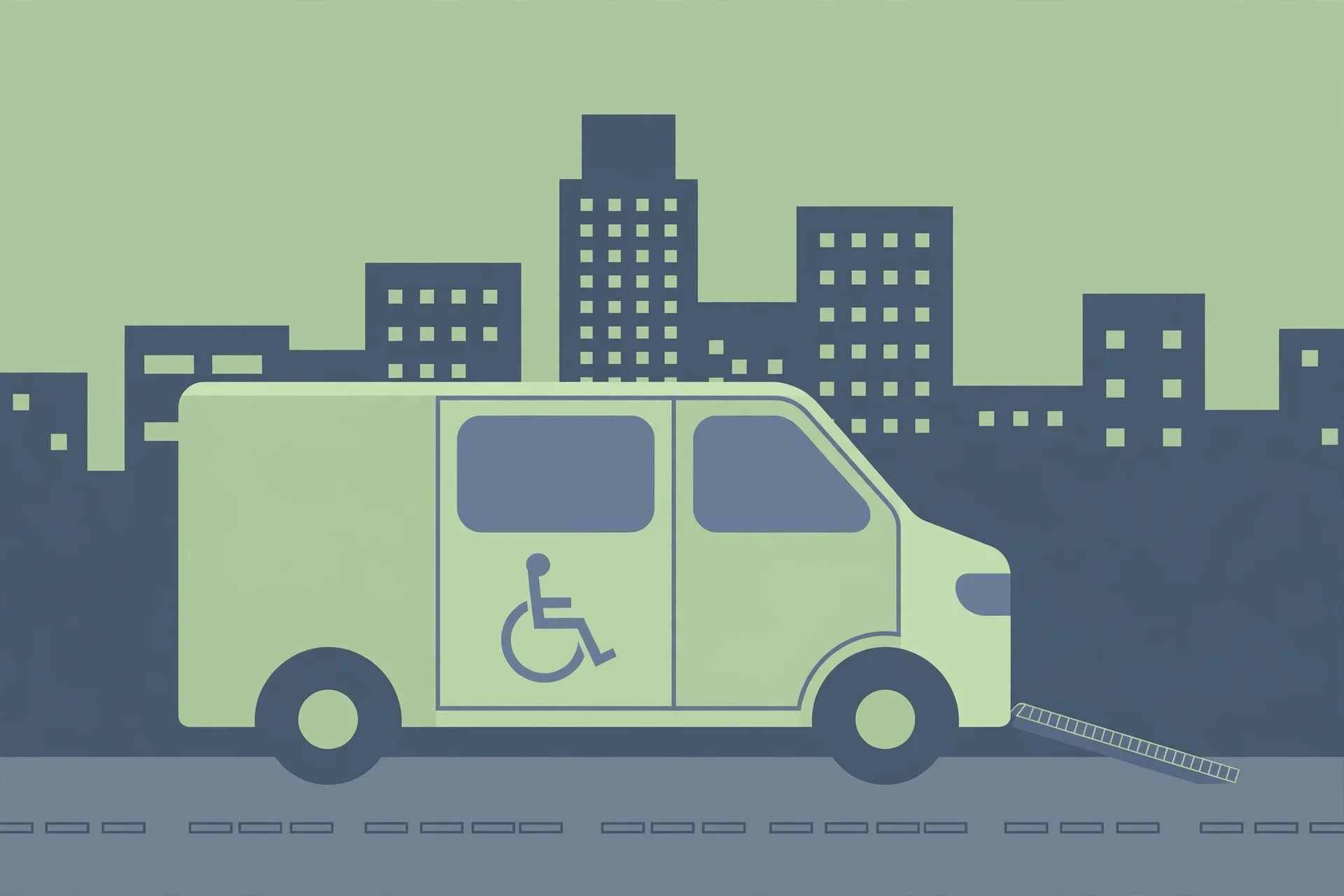
Entry method matters as much as size. Rear-entry WAVs use a wide rear door and usually a ramp: the entry point is wider and safer, conversions cost less, and the rear of the vehicle handles heavier loads well — the trade-off is needing clear space behind the car to deploy the ramp. Side-entry WAVs use a sliding side door, suit curbside access and tight parking, and are the only option for drive-from conversions, but they usually need a powered lift and cost more. On ramps versus lifts: manual ramps are cheaper but you may need help to deploy them and propel yourself up the slope; powered ramps and lifts are easier but add cost and maintenance. A powered winch is a useful middle ground, pulling the chair up a manual ramp. Shallower ramp angles are always easier and safer — some conversions achieve this with longer ramps or kneeling rear suspension.
What to check before buying
Start with size and your real life: small WAVs seat a wheelchair user plus a few passengers and park easily, while large ones carry bigger chairs and more people but hate multi-storey car parks, so check the vehicle height against any height restrictions you use. Always try the ramp yourself, ideally with the person who will assist you, on a slope — if it feels steep in the showroom it will feel worse in the rain. Check the safety hardware: proper wheelchair tie-downs plus a separate shoulder and lap belt for the occupant, tested to recognized standards. Sit in your travel position and check your view out of the windows and your headroom, which varies between conversions. Finally, decide on automatic or manual transmission early — automatics are easier to adapt for drive-from conversions — and get servicing and warranty terms in writing.