A shopping centre trip works when you can get a chair or scooter, park close to the entrance, and find an accessible toilet without a trek. Shopmobility schemes lend wheelchairs and scooters at centres and town centres across the UK, and big centres add their own hire desks, quiet hours and Changing Places toilets. This guide explains how Shopmobility works and what to check before you go.
Most public pools can work for wheelchair users, but only if three things line up: a way into the water, a changing room you can actually use, and staff who know the equipment. This guide explains the hoist and platform options, what to ask before you go, and how to tell a genuinely accessible pool from one that only lists a ramp at the door.
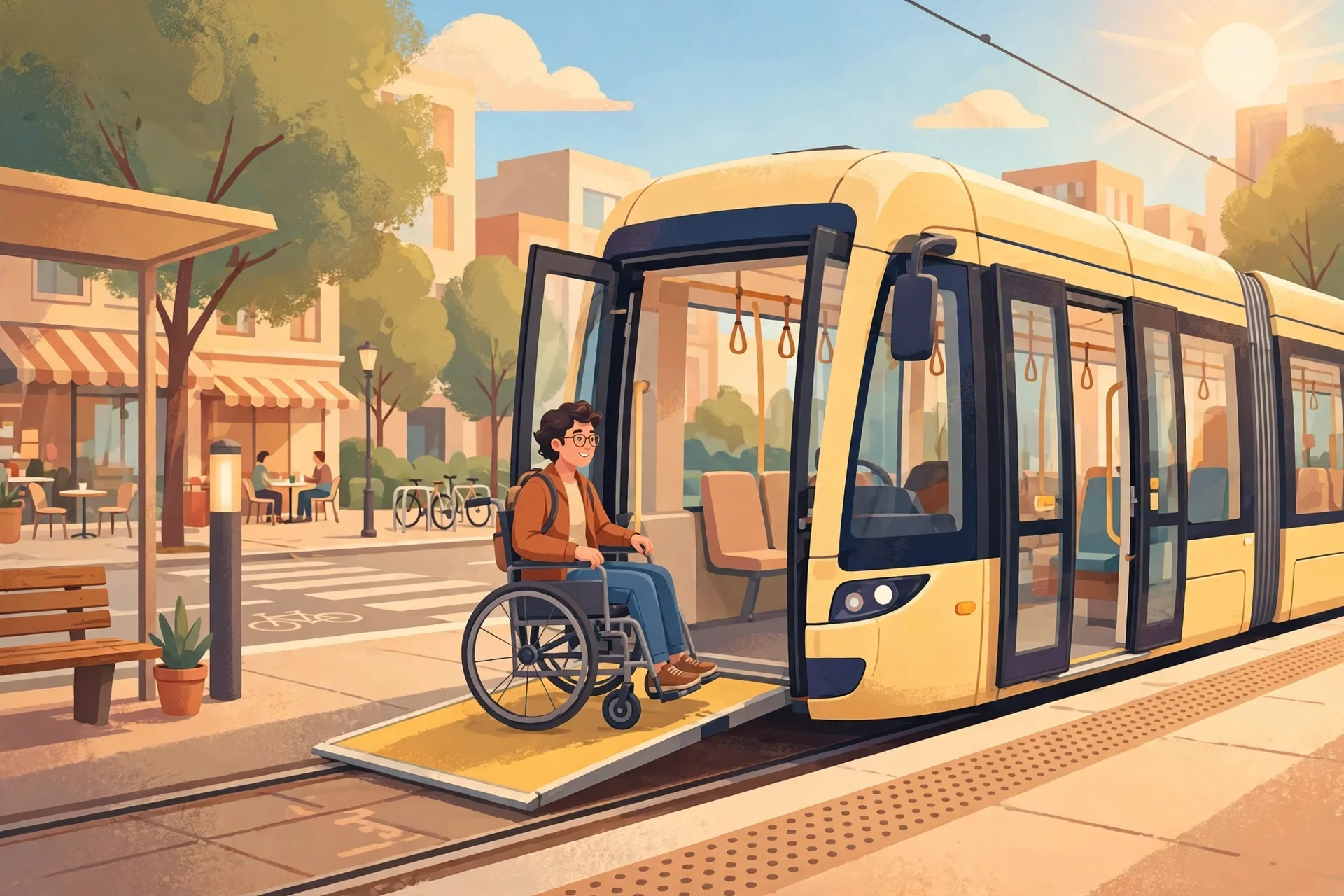
Trams are among the easiest city transport for wheelchair users, because the vehicles are low-floor and the platforms are level. Manchester Metrolink and Edinburgh Trams both offer step-free boarding and dedicated wheelchair spaces, but the boarding points, scooter rules and help arrangements differ between networks. This guide covers both so you can ride either without surprises.
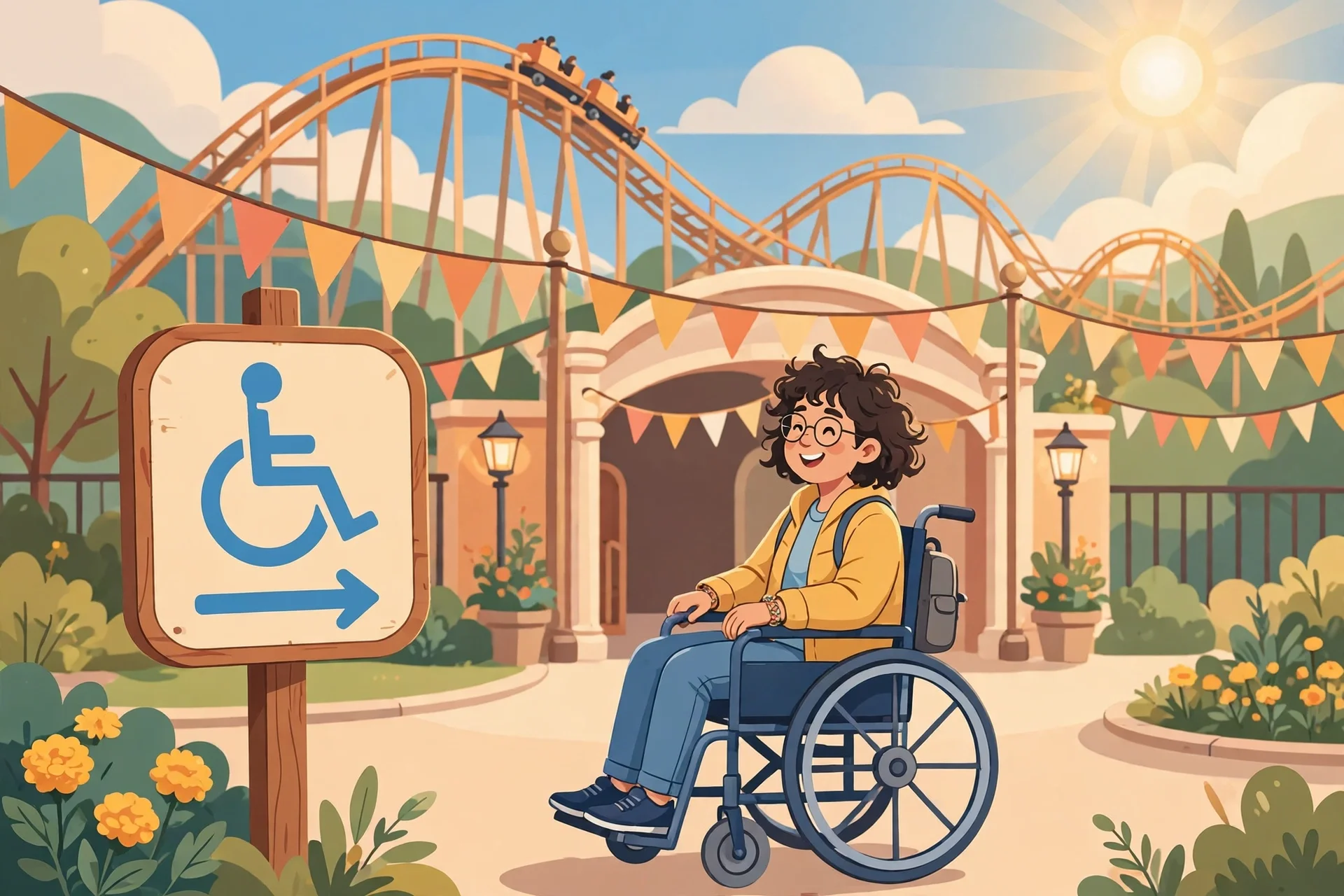
A theme park day works for wheelchair users when the queueing system, the ride restrictions and the park layout are sorted before arrival. Alton Towers runs a Ride Access Pass with virtual queuing, free helper tickets and wheelchair hire, but the pass must be arranged in advance and not every ride suits every visitor. This guide explains how the system works and what to check at any UK park.
A zoo day out can mean miles of paths, steep bridges and a long walk back to the car, so the right checks before you book matter more than the ticket price. Chester Zoo and London Zoo both publish detailed access information, and the pattern is the same: most of the site is step-free, a few named spots are steep or lifted, and hire chairs must be booked early. This guide turns those access pages into a planning checklist.
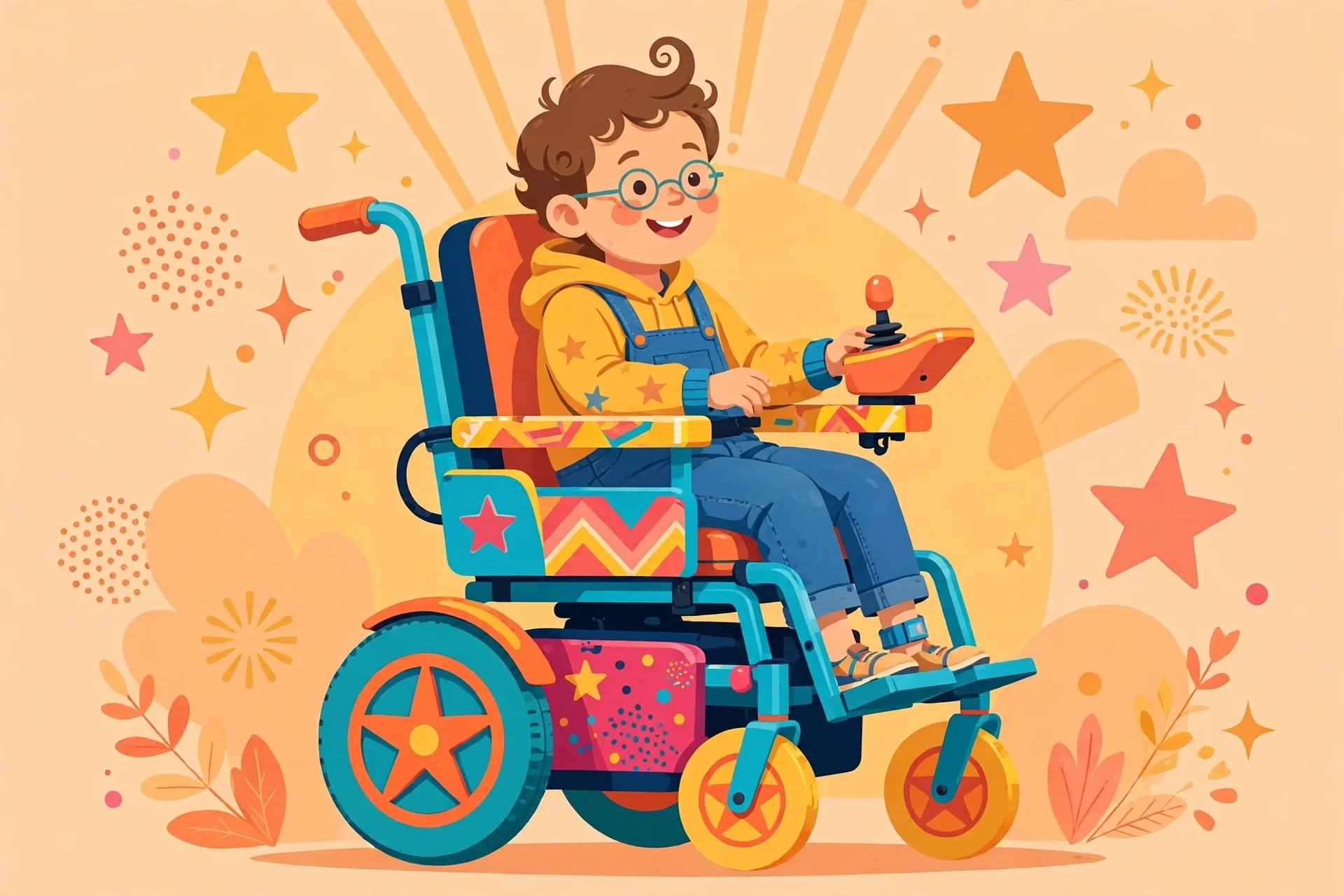
More than 75,000 young people in the UK need a wheelchair to get around, and most do not have one that truly fits. Children's wheelchairs are not scaled-down adult chairs — they must grow with the child, survive school life, and support play as well as posture. This guide covers what makes paediatric chairs different, what to look for, and the NHS, charity and loan routes to getting one.
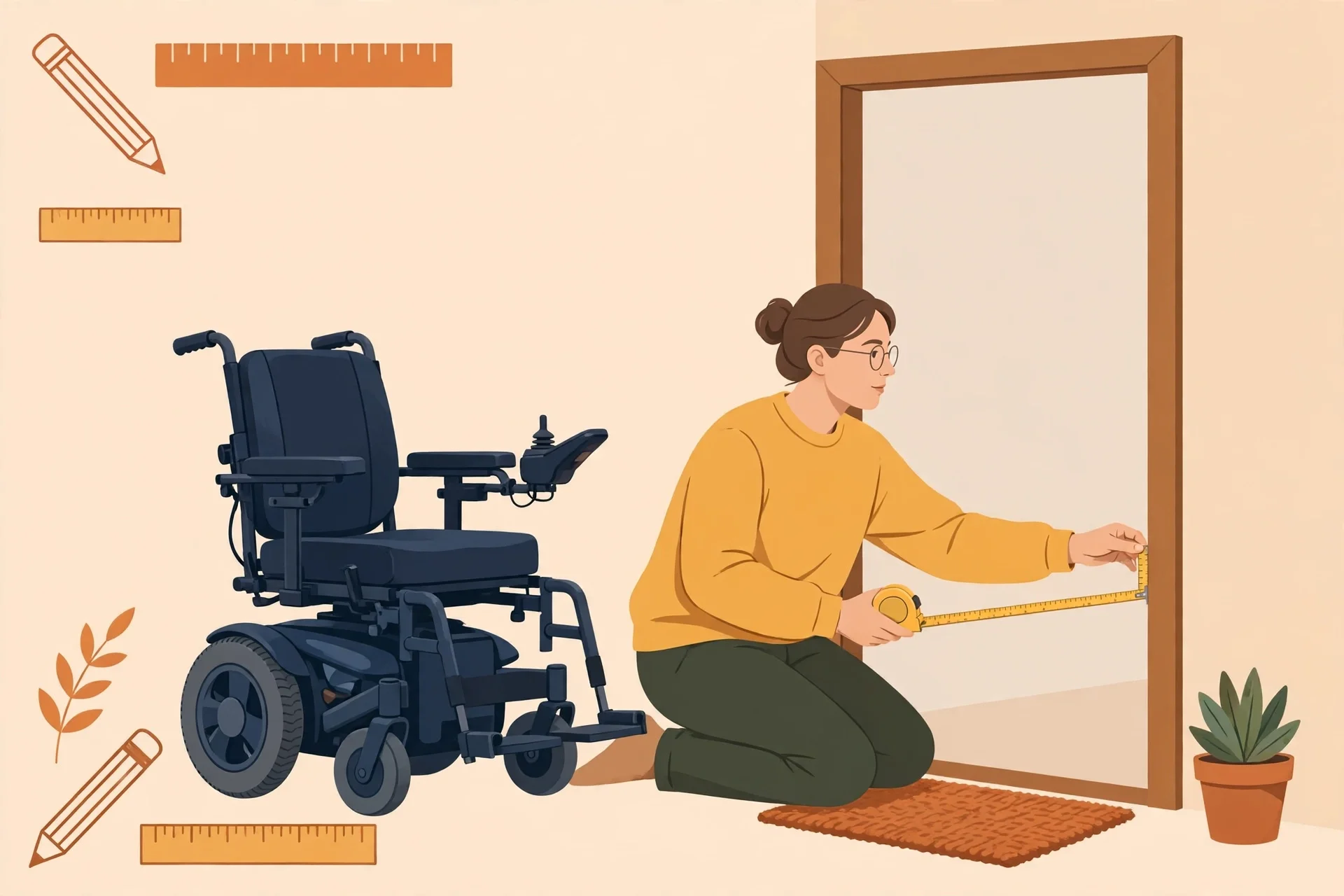
The number that matters is not the size printed on the door — it is the clear opening when the door stands open at 90 degrees. US accessibility standards set that minimum at 32 inches (815 mm), and most power wheelchairs need every millimetre of it. Measure your doorways and your chair before you buy, and you will avoid the most common — and most expensive — fitting mistake in home wheelchair use.
If a US airline damages your wheelchair, the Department of Transportation's final rule effective January 16, 2025 puts the airline on the hook: there is a rebuttable presumption that the airline mishandled it, the airline must repair or replace the device at its own cost, provide and pay for a loaner wheelchair while you wait, and reimburse you for accessible ground transport you had to arrange. Here is how the rule works in practice and the exact steps to claim what you are owed.
Ask how an alert is triggered, who receives it, which connection it needs and how delivery is confirmed. An SOS label alone does not establish a monitored emergency service.
Allow optional first-party analytics to understand page visits, clicks and approximate visitor countries. We do not collect search text, form entries or precise location. Privacy and choices