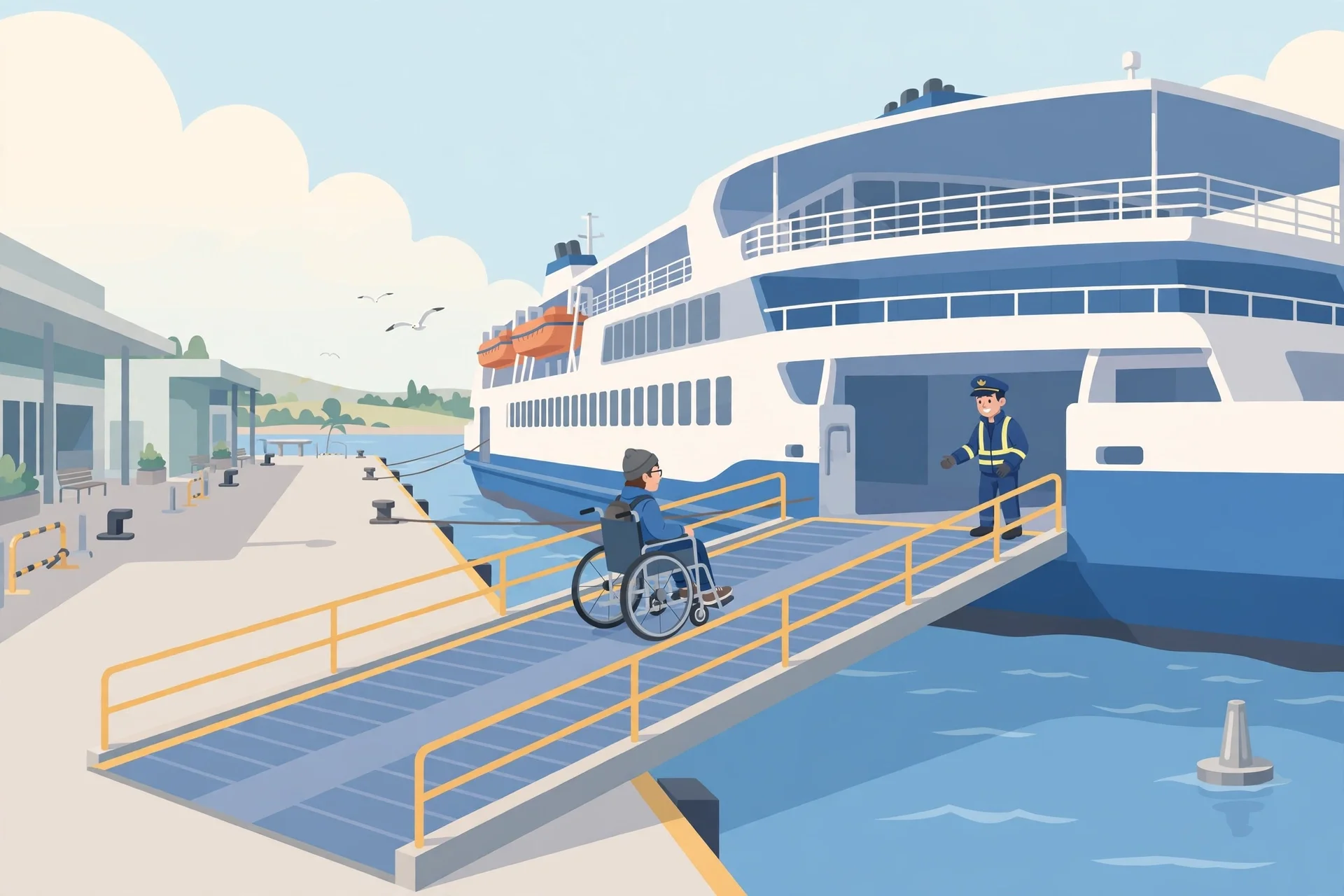
Ferry travel can be one of the most relaxed ways to cross the sea in a wheelchair, but only if assistance is booked properly. Most UK ferry operators ask for at least 48 hours notice, and the help available at the port and on board varies by route and vessel. This guide explains what to arrange before you sail, what happens at check-in and boarding, and what to do if something goes wrong.
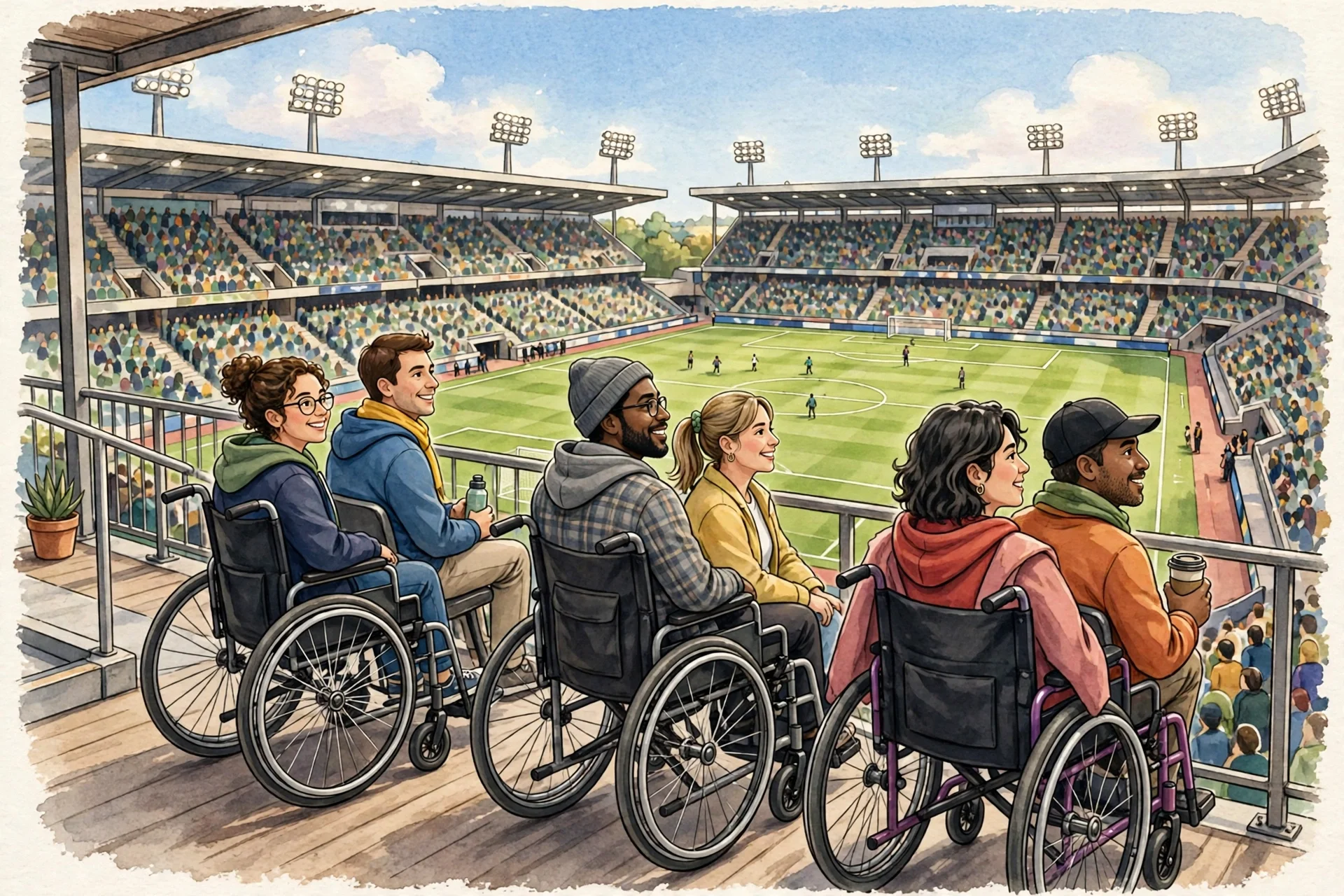
Watching football live in a wheelchair means more than finding a space: you need a view that is not blocked, a companion seat beside you, a way in that avoids turnstile queues, and a toilet you can reach at half-time. Level Playing Field, the charity that records access at English clubs, publishes per-club details that make those checks possible, and the pattern across clubs is worth knowing before you buy a ticket.
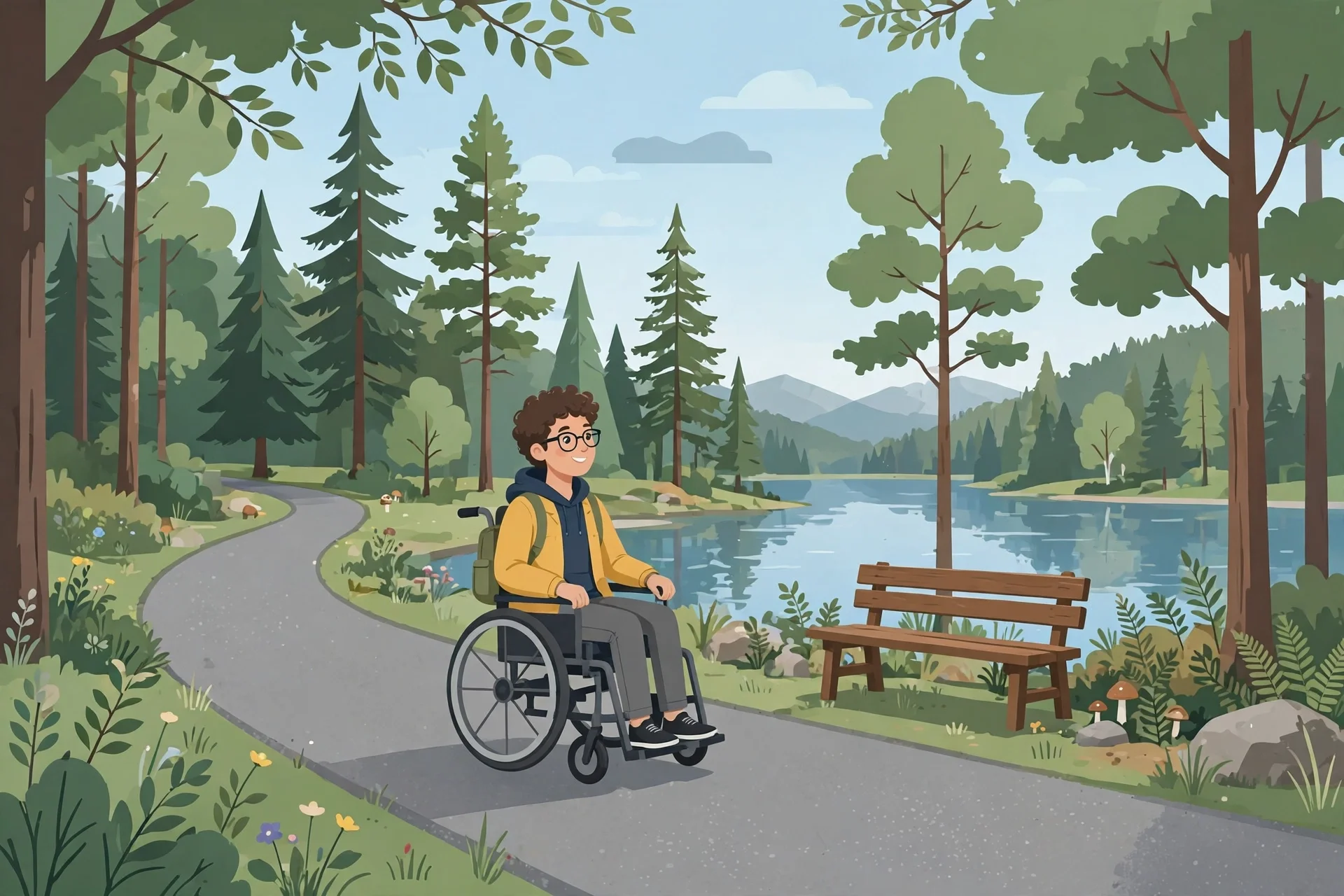
A trail labelled accessible can still mean a steep slope, a muddy stretch, or a car park far from the path. The best way to choose is to check the surface, the distance between resting places, and the facilities at the start, before you set out. This guide uses Forestry England sites as worked examples and gives you a checklist that works anywhere.
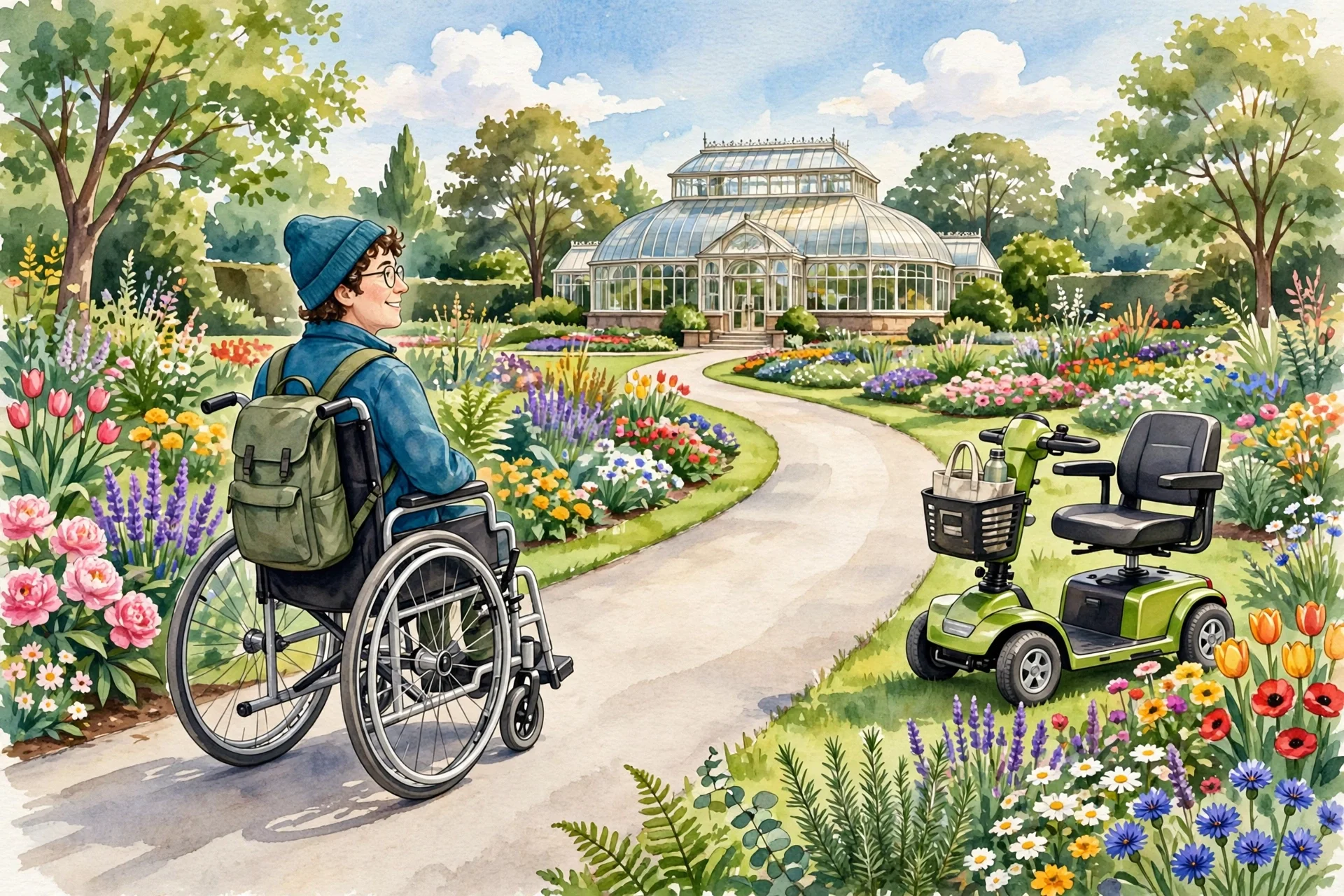
Gardens look gentle from the gate, but gravel, slopes and glasshouse steps can turn a relaxing day into hard work. Kew Gardens and the Royal Horticultural Society gardens both publish per-site access guides, and they agree on the essentials: borrow or book a mobility aid, follow the accessible route map, and check which glasshouses or garden areas restrict scooters. This guide shows how to use those guides well.
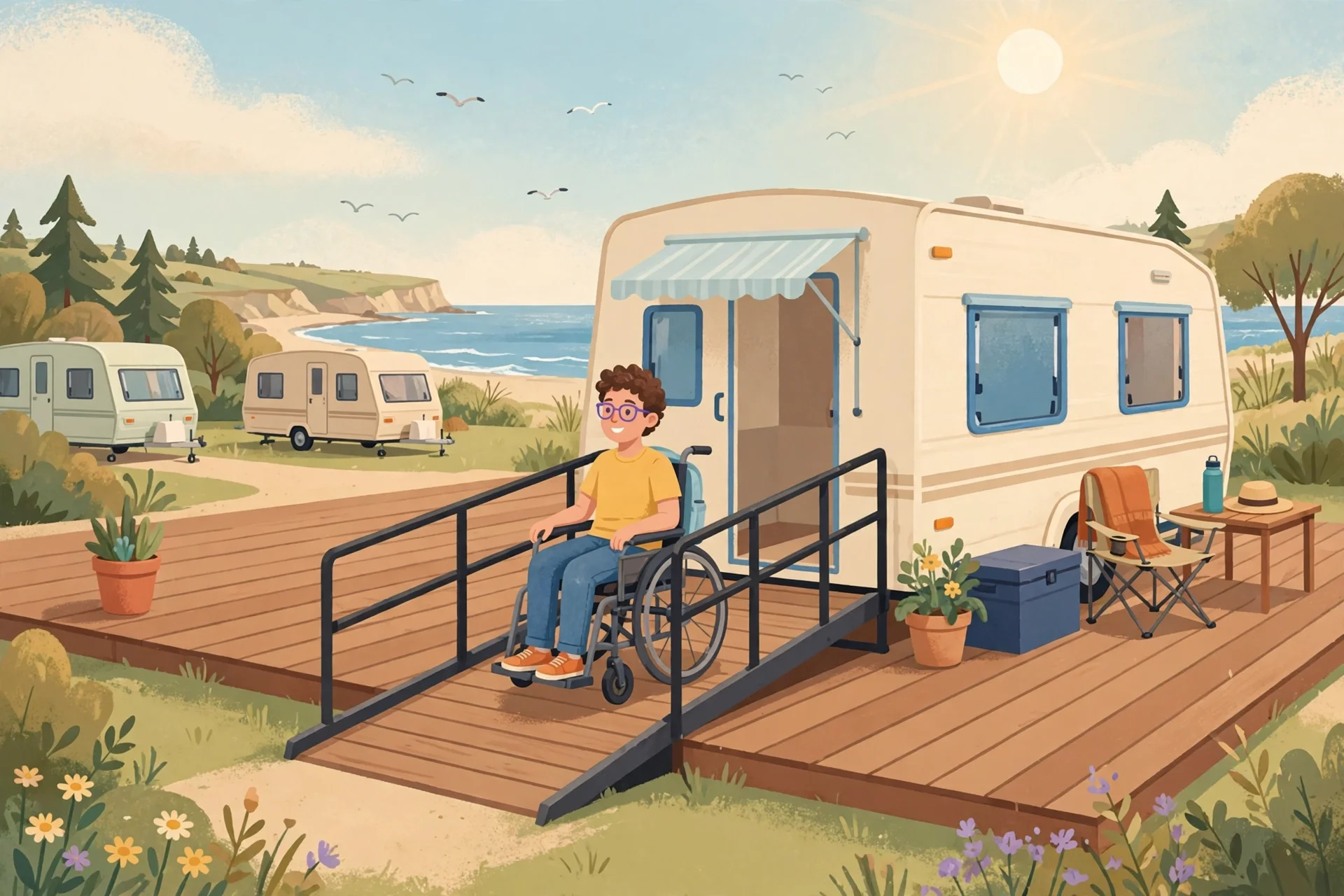
Holiday parks look accessible in the brochure, but the word accessible covers everything from a ramp at the door to a fully adapted wet room. Haven grades its adapted caravans into two types, Parkdean offers adapted caravans at most of its parks, and the details that matter are bed heights, bathroom fittings and parking next to the caravan. This guide explains the grades and the questions that prevent a disappointing arrival.
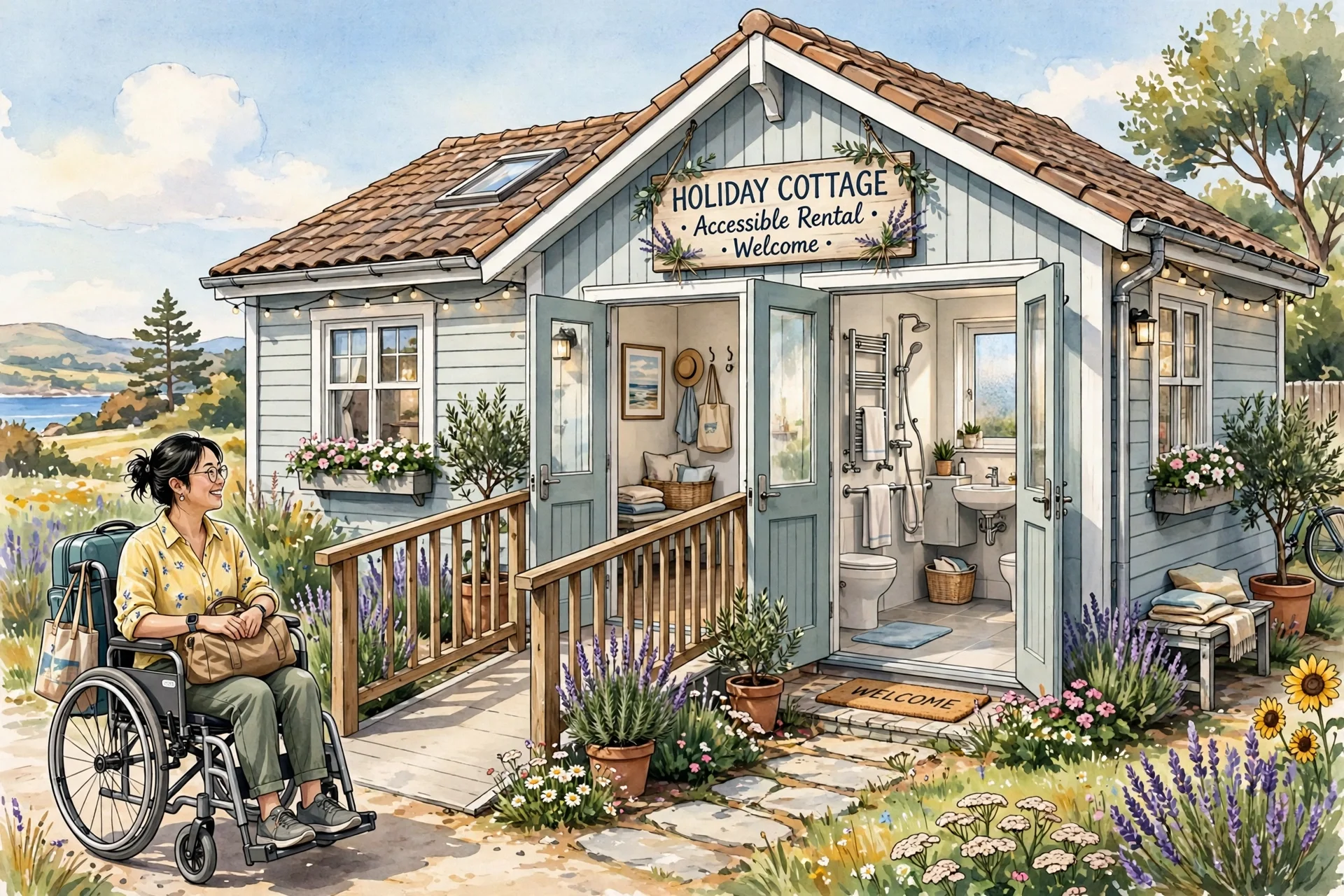
Finding a genuinely wheelchair-accessible holiday rental takes more than ticking an “accessible” filter. Airbnb offers 13 accessibility search filters plus an Adapted Category of homes with verified step-free access, but filters depend on hosts describing their homes accurately. This checklist walks through which filters to use, what to verify in photos, and the questions to message the host before you book.
Two of London's best-known festive rinks welcome wheelchair users onto the ice this winter, but they do it in different ways: Somerset House runs dedicated wheelchair sessions alongside its standard programme, while Hampton Court welcomes wheelchair users on the ice provided they are accompanied by a companion. Both rinks run from November into January, both are outdoors, and both reward booking ahead. Here is how they compare, and what to check before you go.
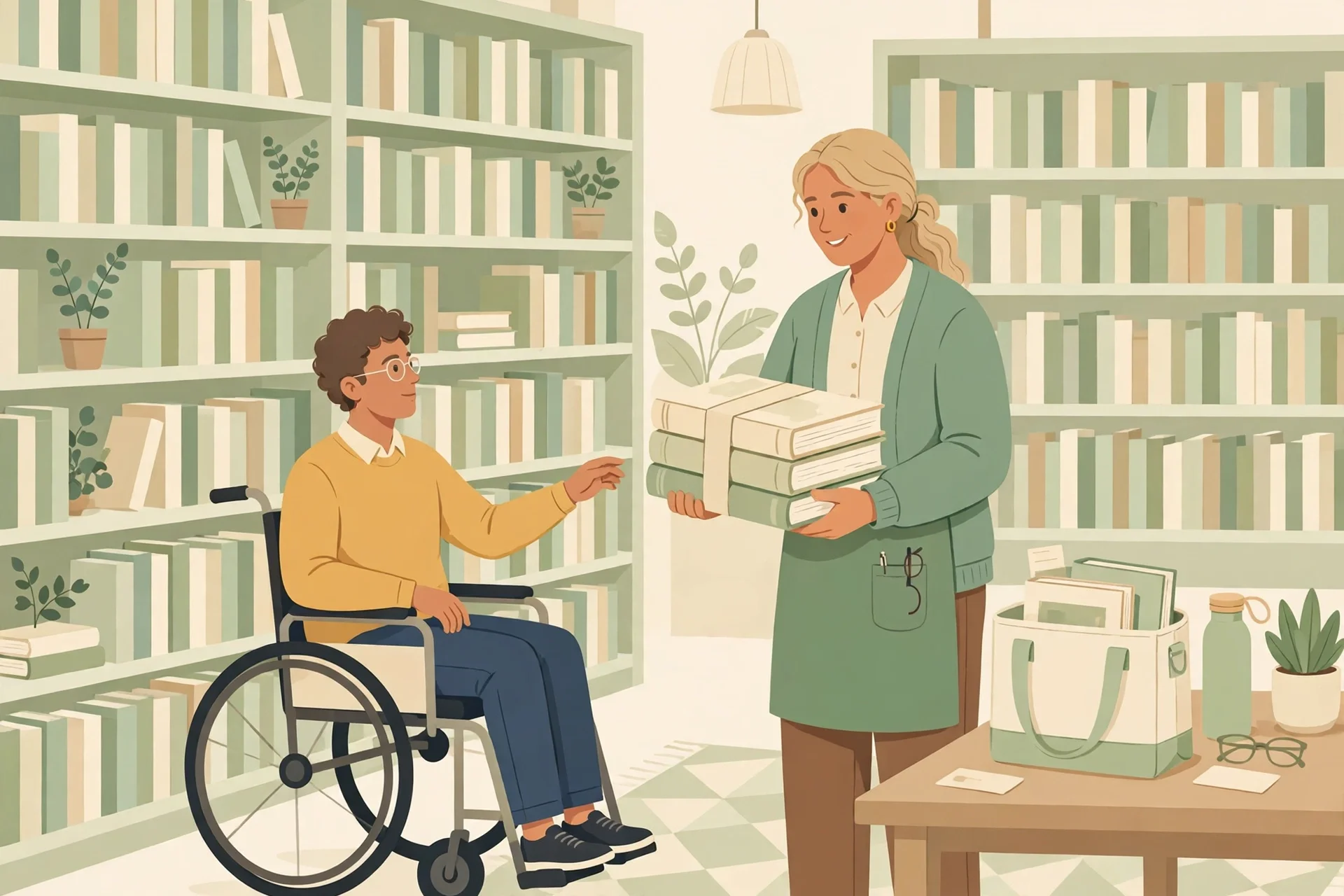
Libraries are one of the most accessible public services in the UK, and they offer far more than step-free shelves. Every Brighton and Hove library is wheelchair accessible, Bristol libraries all carry large print books and accessibility software, and both cities run free home delivery for residents who cannot get to a branch. This guide explains what to expect in the building, what you can use from home, and how to set up delivery if visiting in person is difficult.
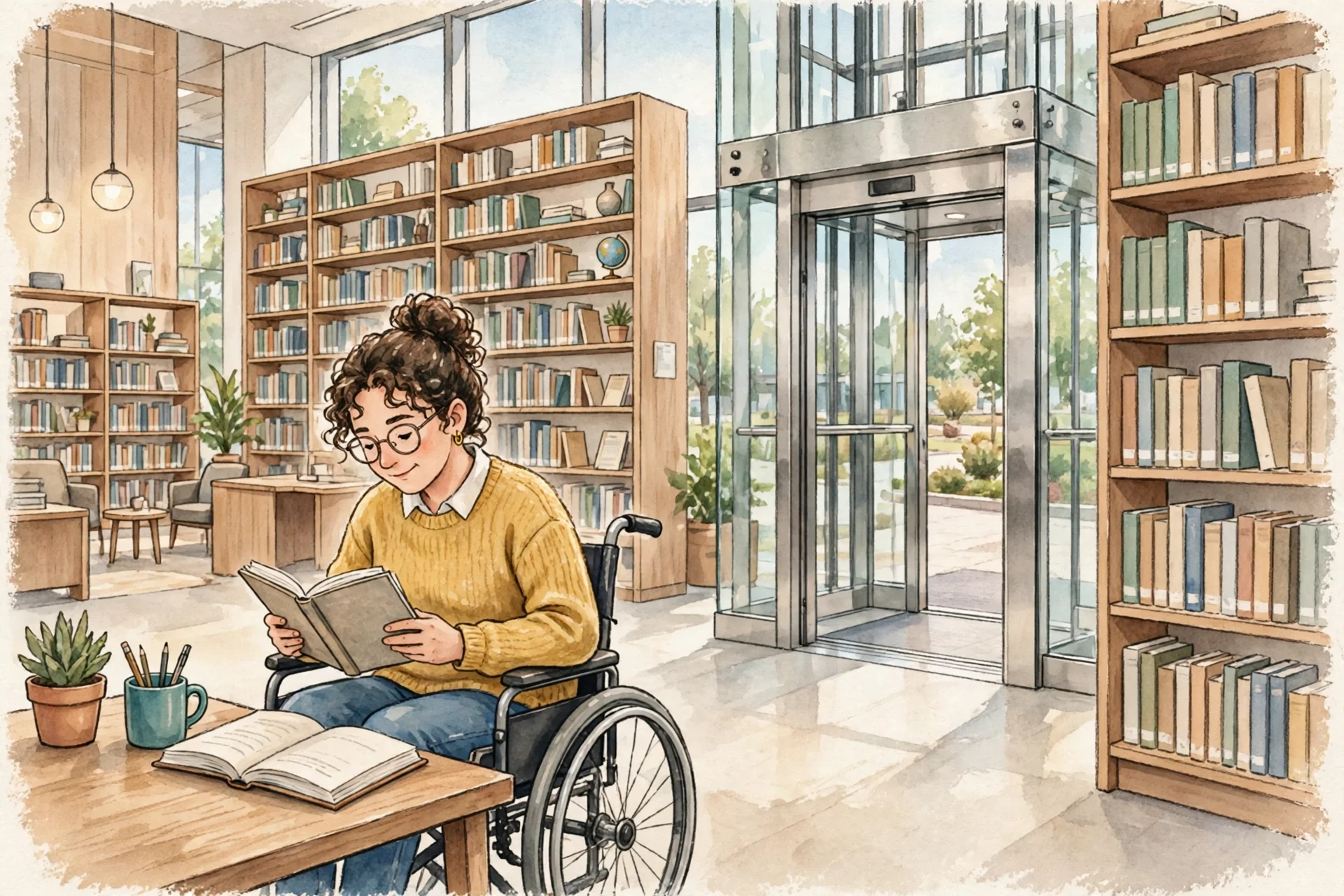
Libraries are free, warm and step-free more often than almost any other public building, but reading rooms have their own rules: membership, security checks, locker requirements and book retrieval can all surprise a first-time visitor. This guide uses the British Library and the UK's detailed access guides to show what to check before a library day out.
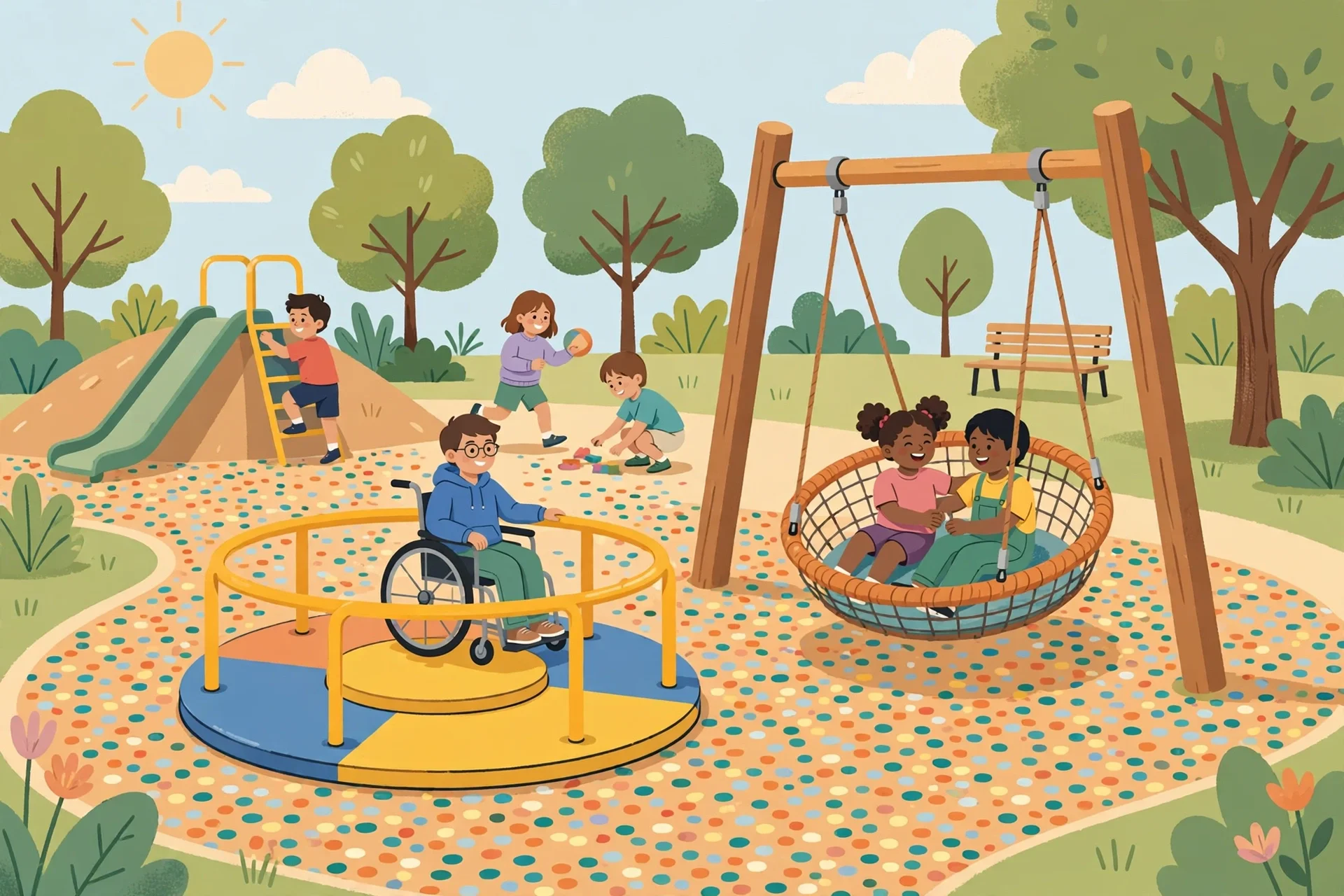
An inclusive playground is not one with a wheelchair symbol at the gate. It is one where a wheelchair user can actually play alongside other children: flush roundabouts you can roll onto, swings with harness seats, low-level play panels, and surfacing firm enough to cross. Councils publish the details unevenly, so this guide shows how to read their equipment lists, and which five checks matter before a family trip.
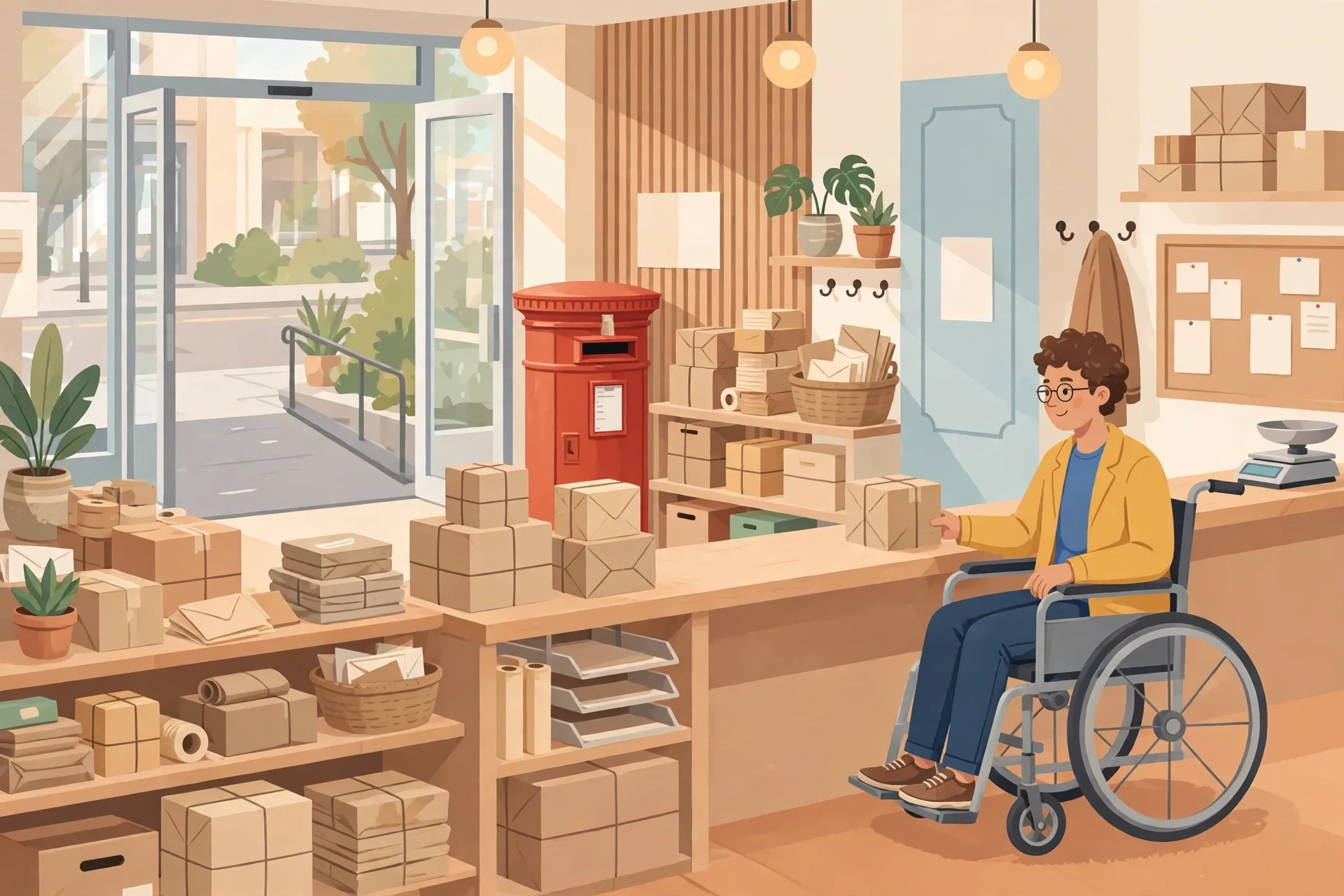
Post offices remain one of the most visited high street services, with 17 million visits a week, and disabled people use them more often than non-disabled people. But branch accessibility is inconsistent: most converted branches are step-free and aisle-wide, while some older or franchised branches still fail on ramps, hearing loops or counter heights. This guide shows how to check a branch before you travel, and what alternatives exist when the branch fails.
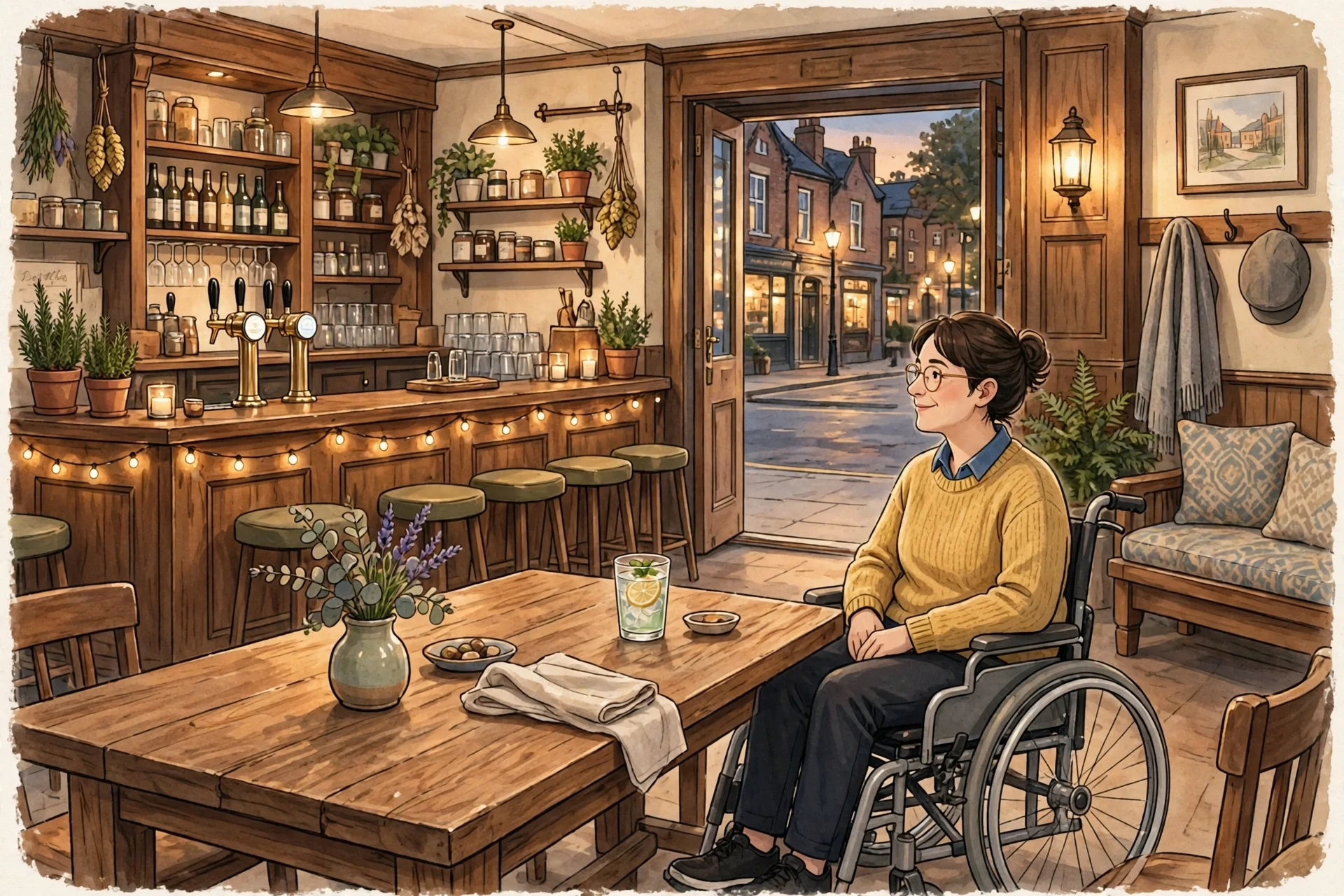
A pub is only accessible if you can get in, reach the bar or a table, and use the toilet, and many pubs pass one of those tests and fail another. Reviewers on Euan's Guide and the pub industry's own accessibility guide agree on the same checklist: step-free entrance, level circulation, a reachable bar or table service, and an accessible toilet that is actually unlocked. This guide turns that checklist into questions to ask before you go.
Ask how an alert is triggered, who receives it, which connection it needs and how delivery is confirmed. An SOS label alone does not establish a monitored emergency service.
Allow optional first-party analytics to understand page visits, clicks and approximate visitor countries. We do not collect search text, form entries or precise location. Privacy and choices