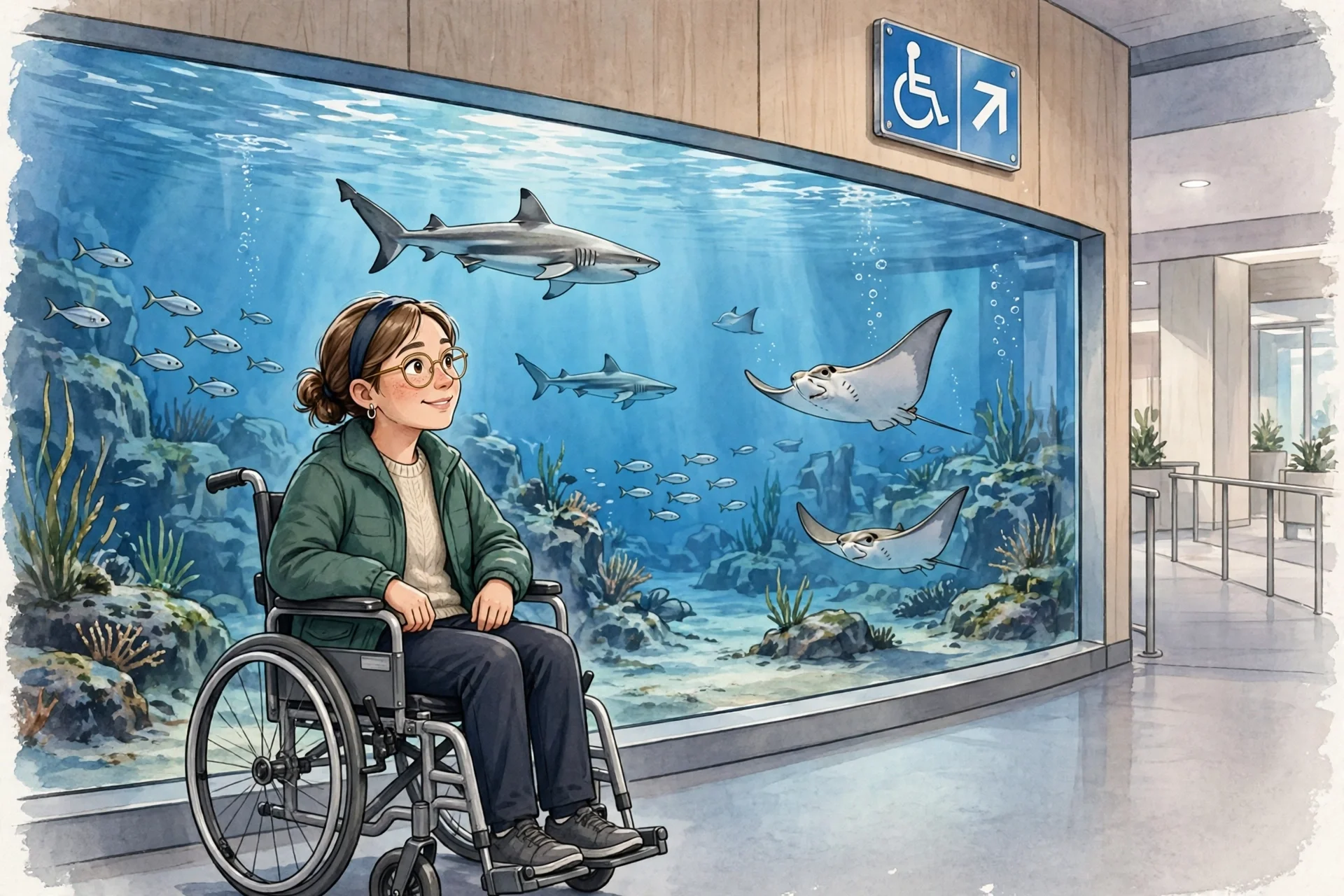
Aquariums are among the most reliably step-free days out in the UK, because their routes are indoors, lift-served and level. Even so, the two big examples in this guide differ in one important way: SEA LIFE London caps the number of wheelchair users inside at any one time, while Plymouth's National Marine Aquarium is laid out over three lift-served levels. Here is what to check before you book either.
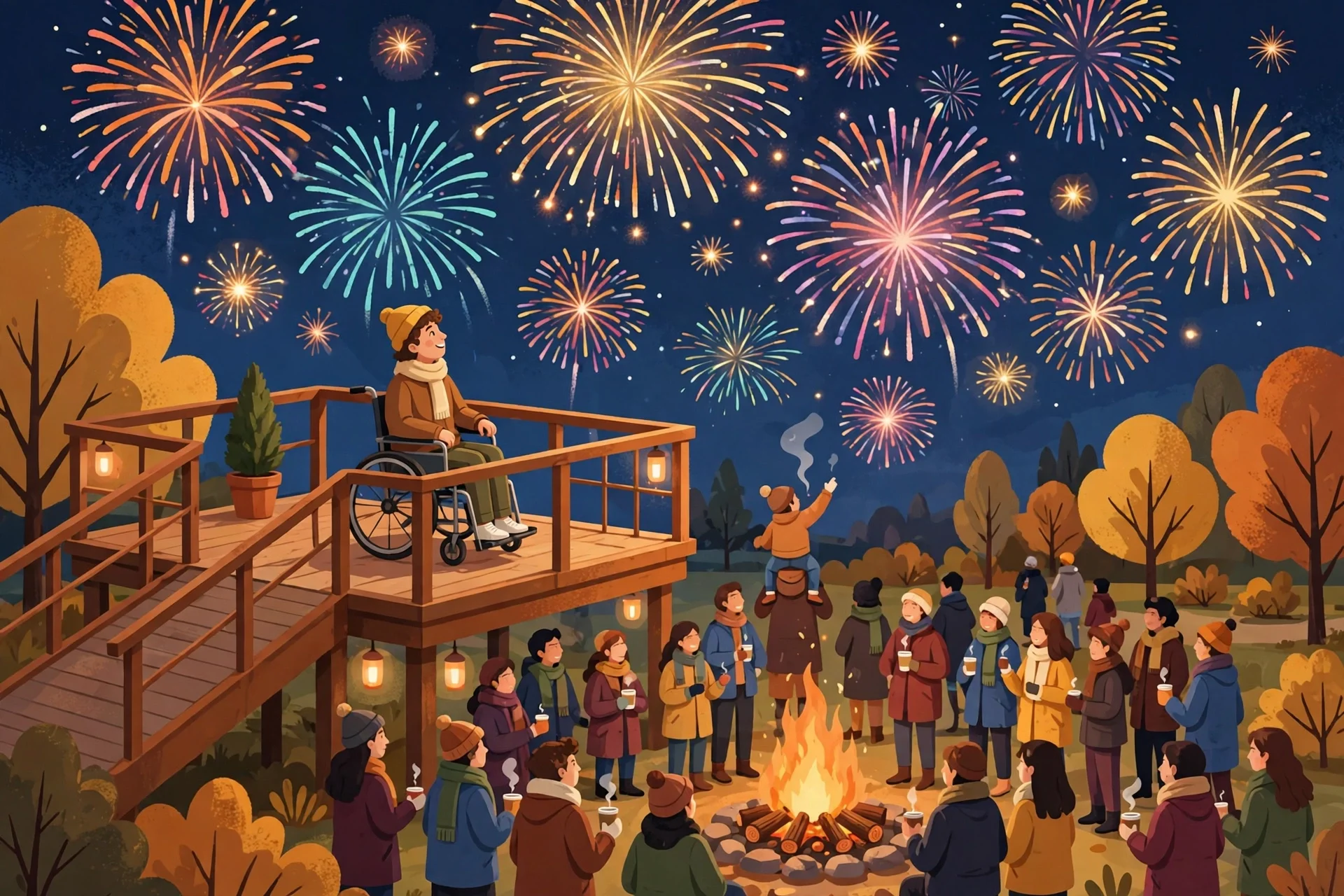
Bonfire Night works for wheelchair users when three things are booked before you travel: a reserved viewing platform or area, Blue Badge parking or a step-free route in, and a companion ticket if you need one. Battersea Park Fireworks runs on 7 and 8 November 2026 with a reserved accessible platform, while smaller events like Beckenham's charity display offer two disabled viewing areas. This guide shows what to reserve, and where quieter displays fit in.
A bowling alley can be step-free at the door and awkward at the lane, so the measured guides matter: ramped lanes, an aide for wheelchair users, and toilet doors that actually fit a chair. Center Parcs' Leisure Bowl and an AccessAble survey of a Barnsley alley give those measurements. This guide turns them into a booking checklist.
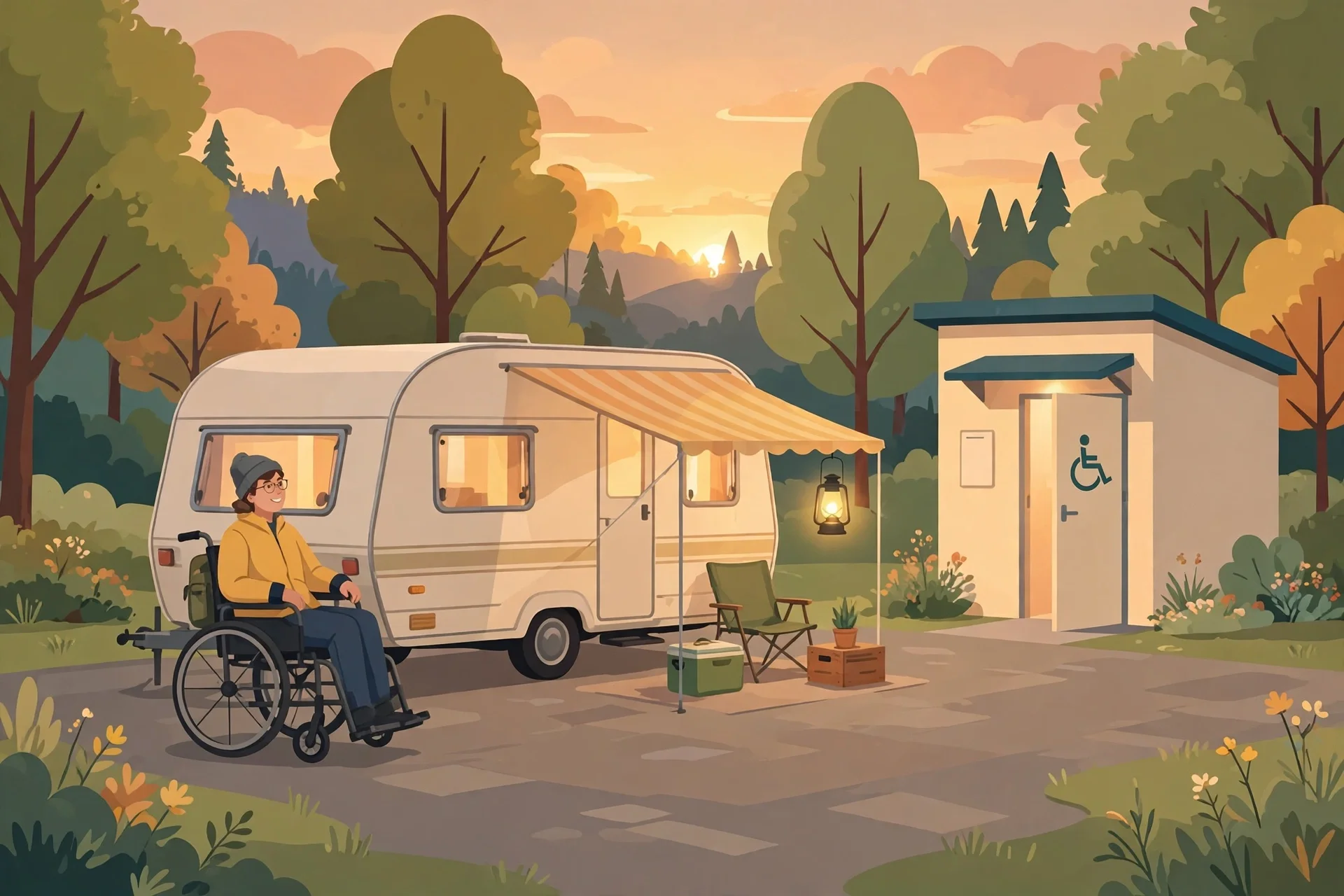
A wheelchair-friendly campsite comes down to four things: a hardstanding pitch near the washroom block, an accessible bathroom you can actually use, a site access statement with real measurements, and staff who will hold a suitable pitch when you book. The Caravan and Motorhome Club runs 150 UK Club sites, each with its own access statement, and now trials dedicated accessible pitches at three sites. This guide turns those facts into a booking routine.
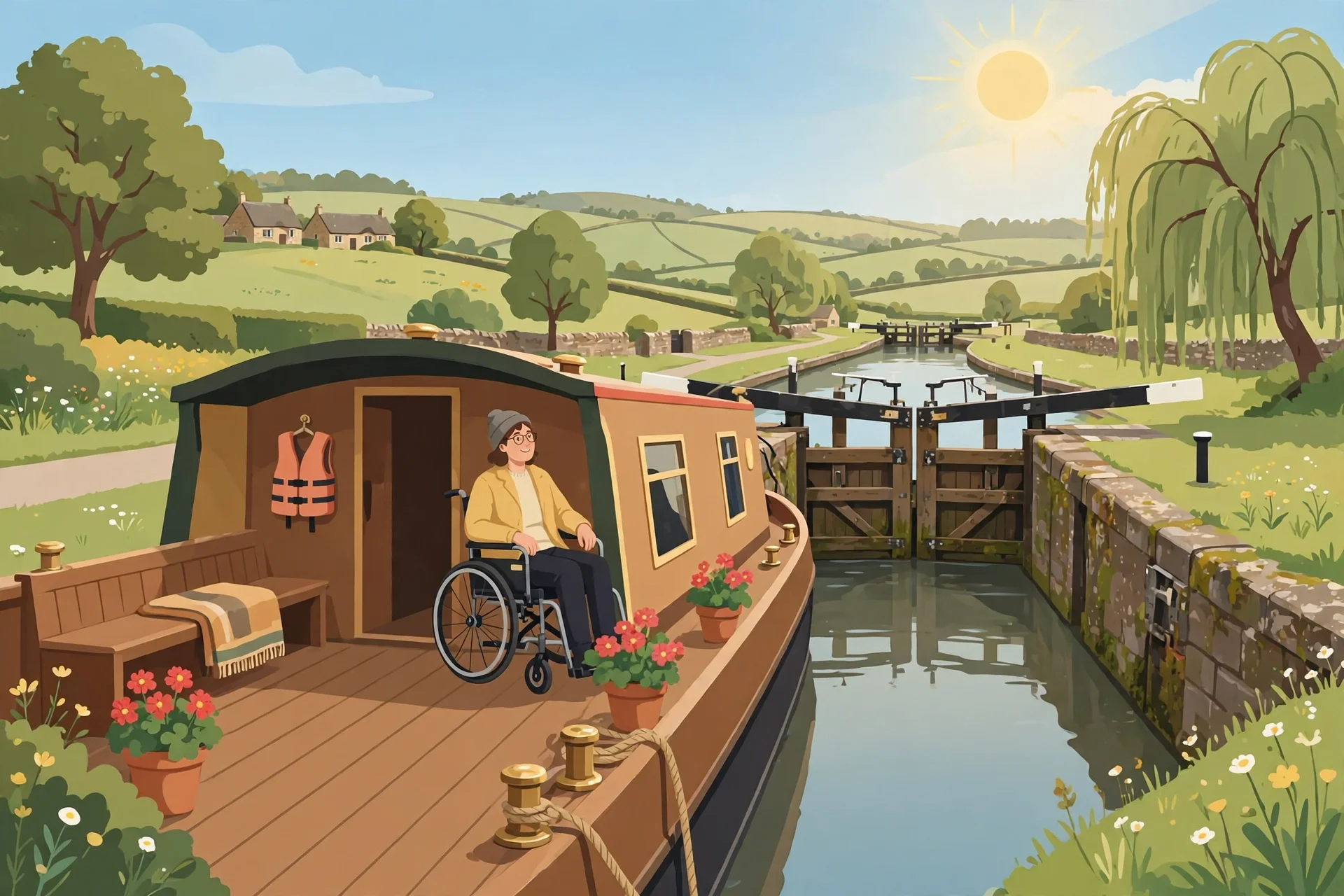
A canal boat holiday can be one of the most relaxing wheelchair-friendly breaks in the UK, because the pace is slow, the scenery comes to you, and adapted boats are built around level decks and accessible cabins. The catch is that only some boats are genuinely adapted, and they book through small charities and trusts rather than big holiday firms. This guide explains the boat types, the training and the booking questions.
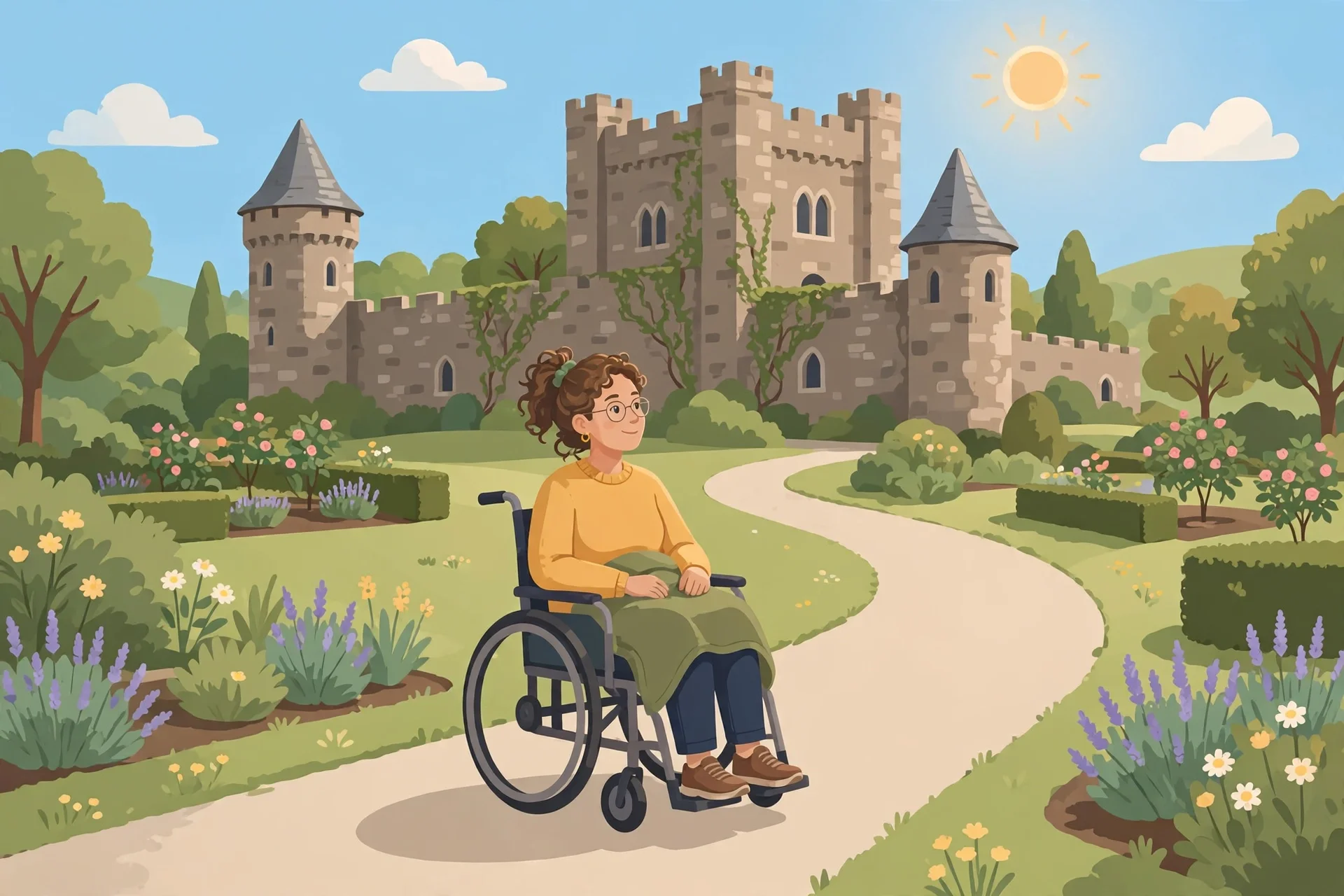
Historic castles and houses are the hardest days out to judge from a brochure, because the same site can offer a level garden, a ground floor you can use, and upper floors you cannot reach at all. English Heritage and the National Trust publish detailed per-site access pages, and the honest picture is partial access done well. This guide shows how to read those pages and plan a visit that works.
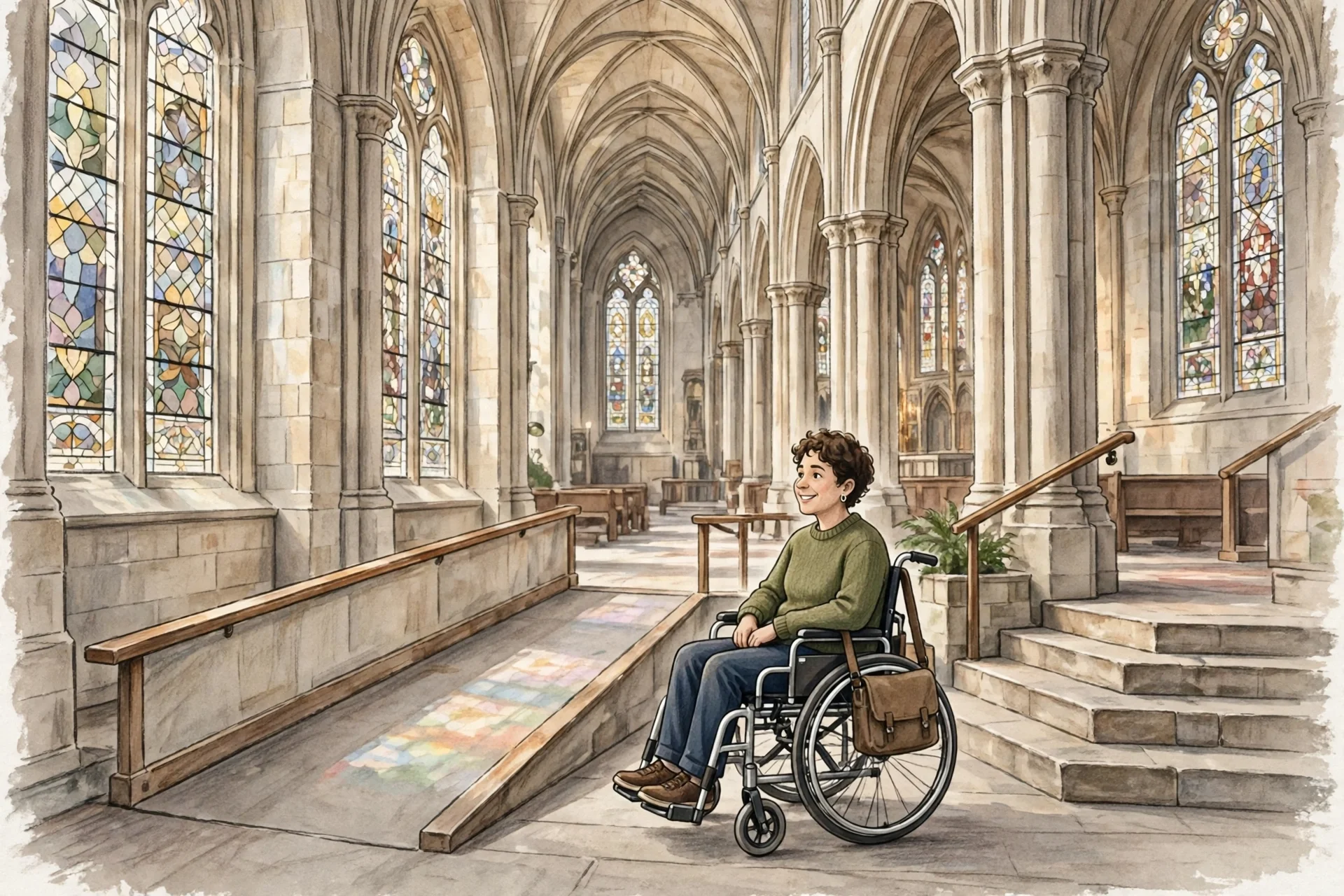
Cathedrals and large churches are working places of worship as well as visitor attractions, and their access is honestly partial: the main floor is usually level, while towers, crypts and raised sanctuaries often are not. York Minster's published access guide is a good model of that honesty, and it shows exactly which questions to ask before visiting any historic church.
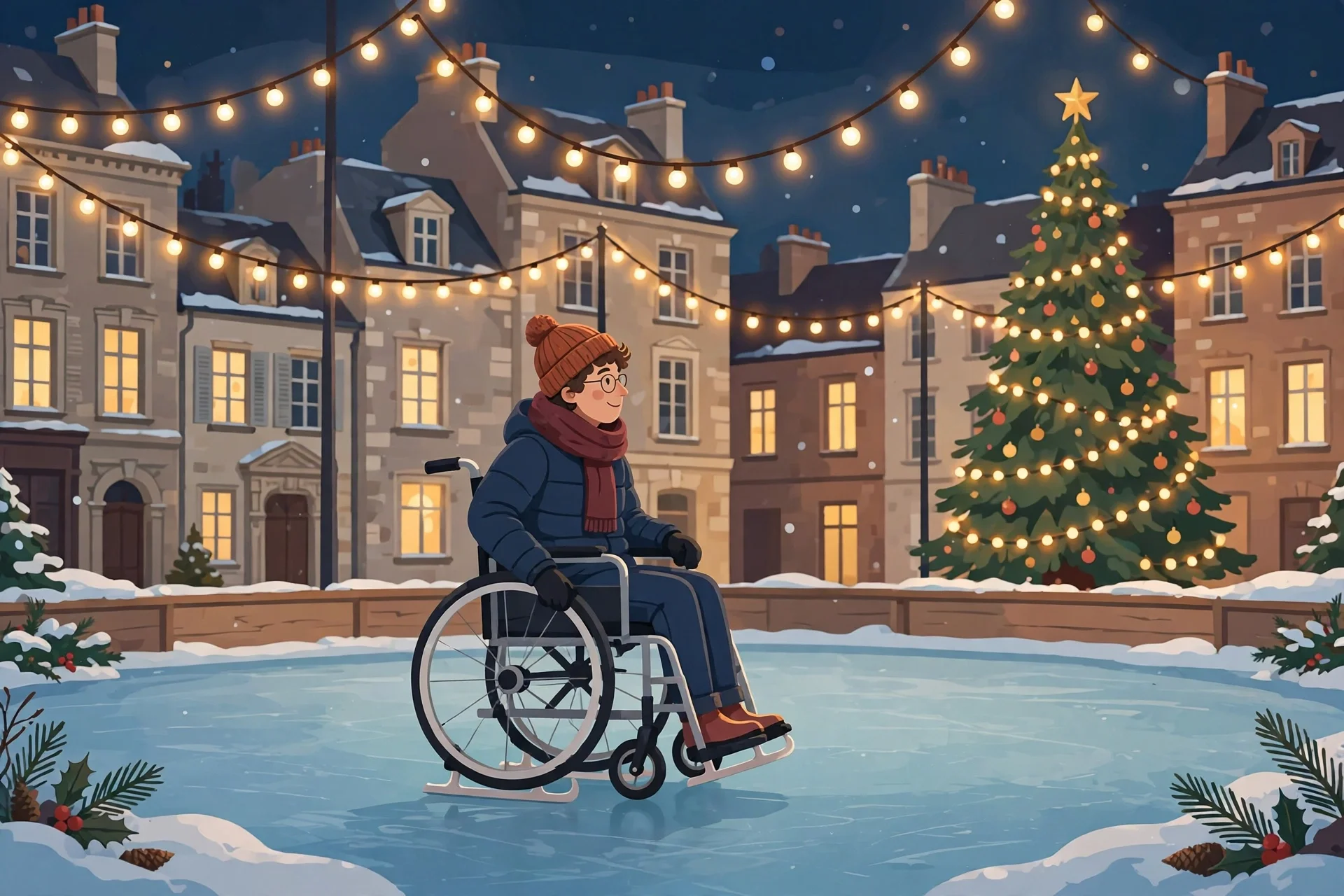
Two of London's best-known festive rinks handle wheelchair users very differently, and the difference decides which one to book. Somerset House runs dedicated wheelchair skating sessions alongside its public sessions and asks wheelchair users to book by phone, while Hampton Court Palace welcomes wheelchair users on the ice with a companion and runs reduced-capacity sessions every morning. Both run through the Christmas season, both are outdoors, and both need advance booking. Here is how they compare.
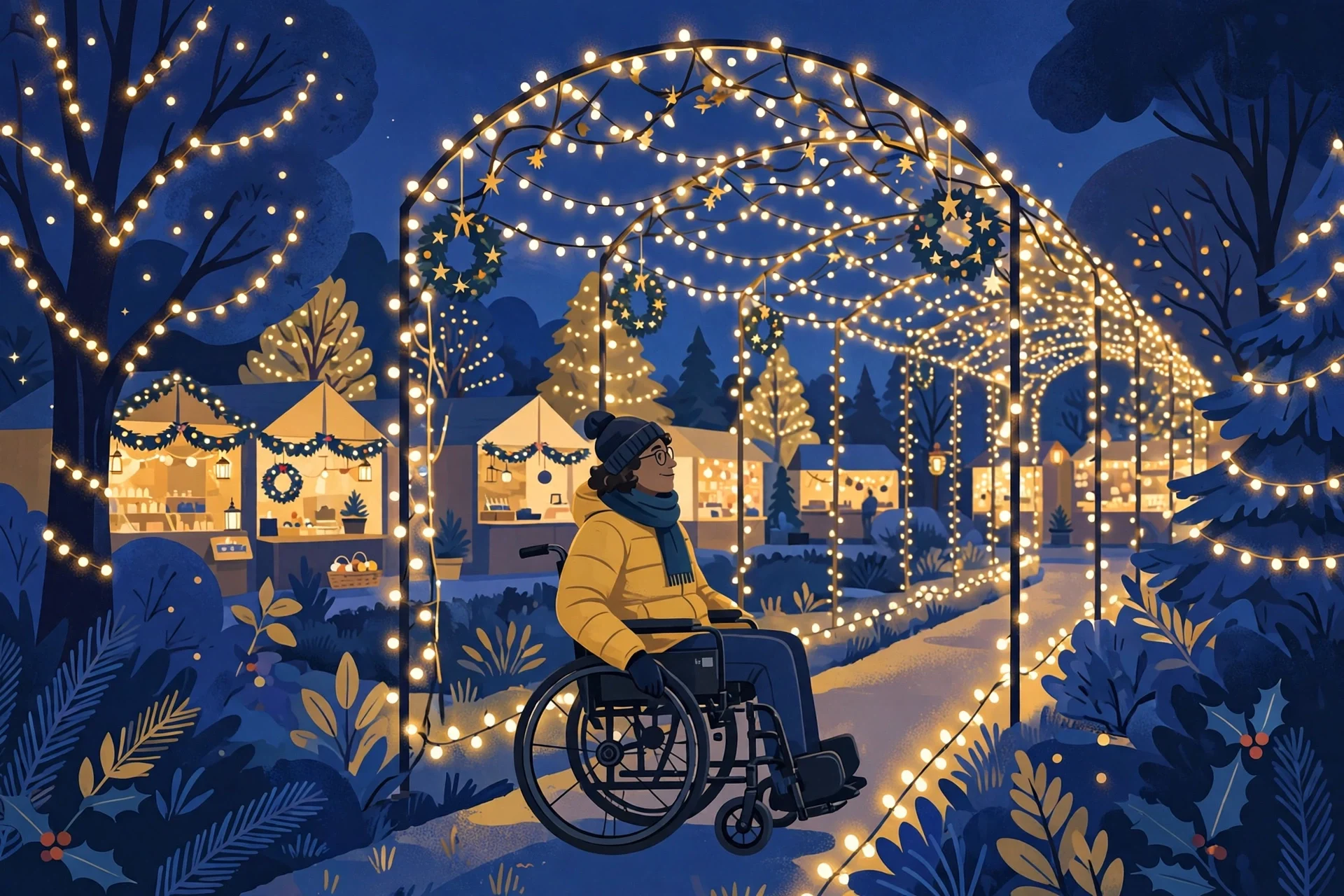
Christmas light trails are one of the best winter nights out for wheelchair users, but the two big London trails suit different people. Christmas at Kew is a 3 km garden trail that takes over two hours and warns of varying gradients, while Chelsea Winter Village is a shorter 1.5 km step-free route with relaxed sessions and free carer entry. This guide compares the two for 2026 so you can pick the trail that fits your chair, your stamina and your evening.
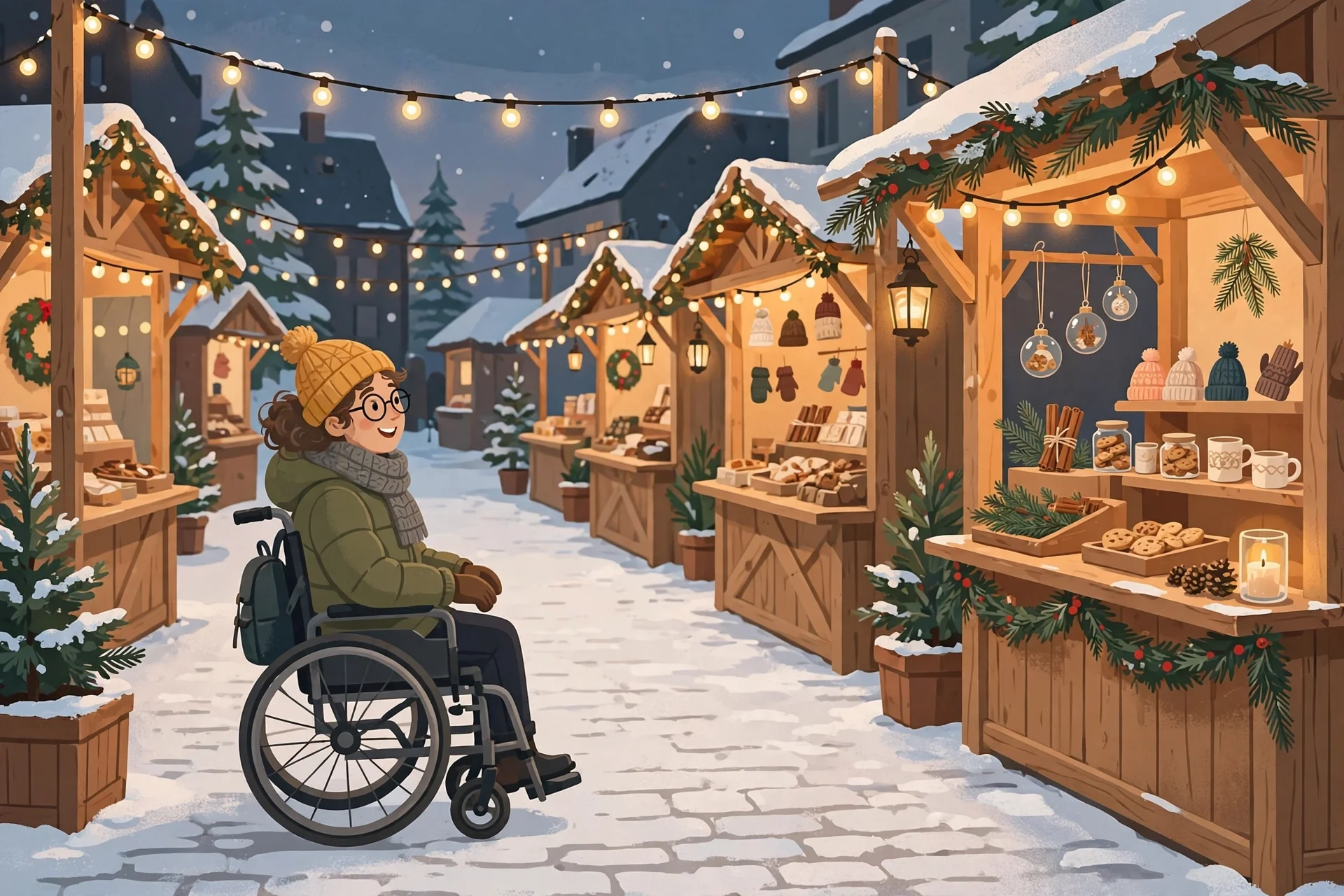
The most accessible Christmas markets are the flat, pedestrianised ones you visit on a weekday morning, not the prettiest ones on a Saturday night. Birmingham's market is step-free throughout and Edinburgh's main market has ramped entrances and wide aisles, but surfaces, crowds and toilet locations still vary. This guide compares the practical details and gives you a checklist for any market you choose.
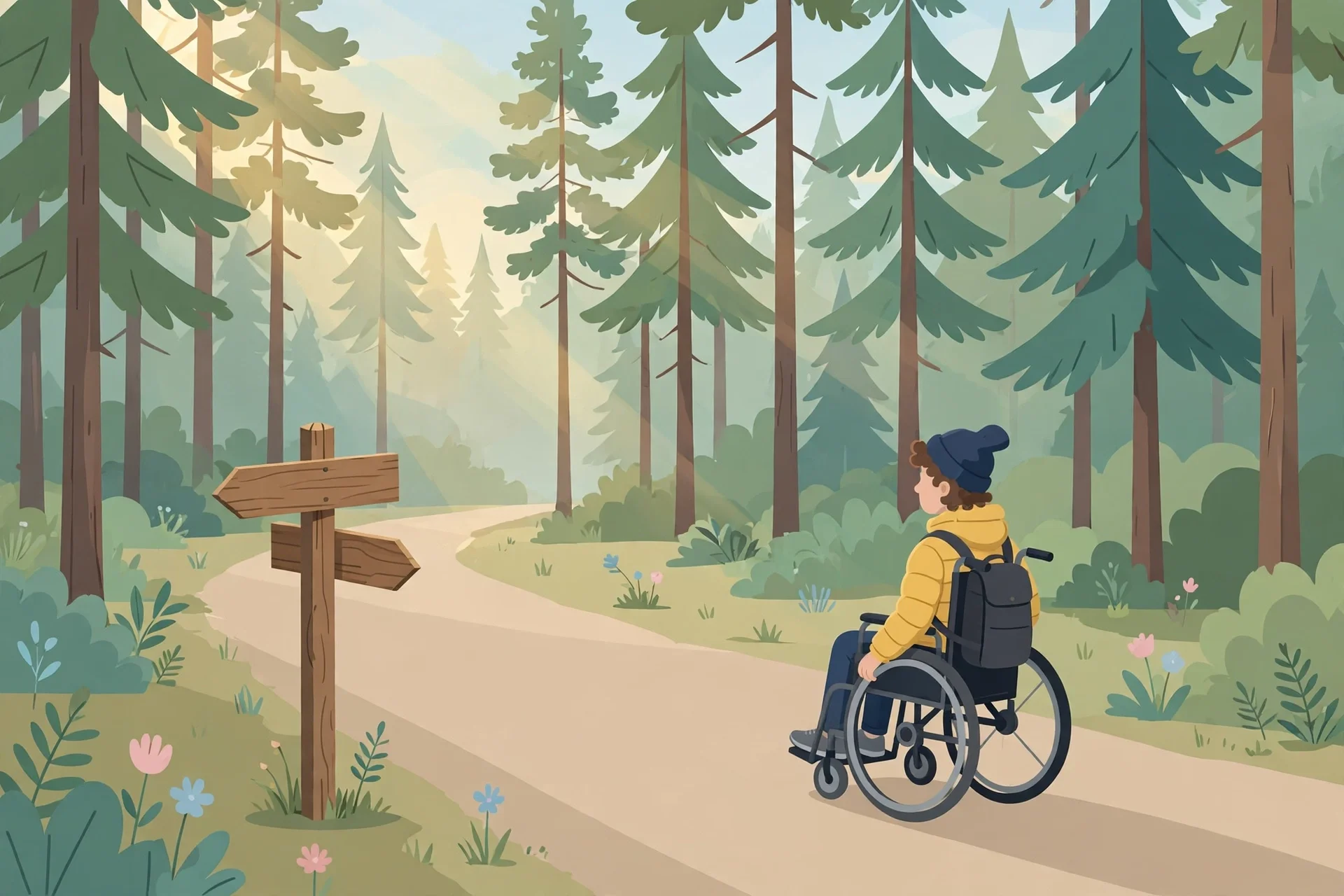
A forest trail labelled accessible can still mean gravel car parks, a 1.1-metre chicane and no shelter, so the details on the access page matter more than the label. Forestry England's New Forest pages and the National Park's Tall Trees trail leaflet give the rare thing: measured widths, bay counts and honest gaps. This guide shows how to read them.
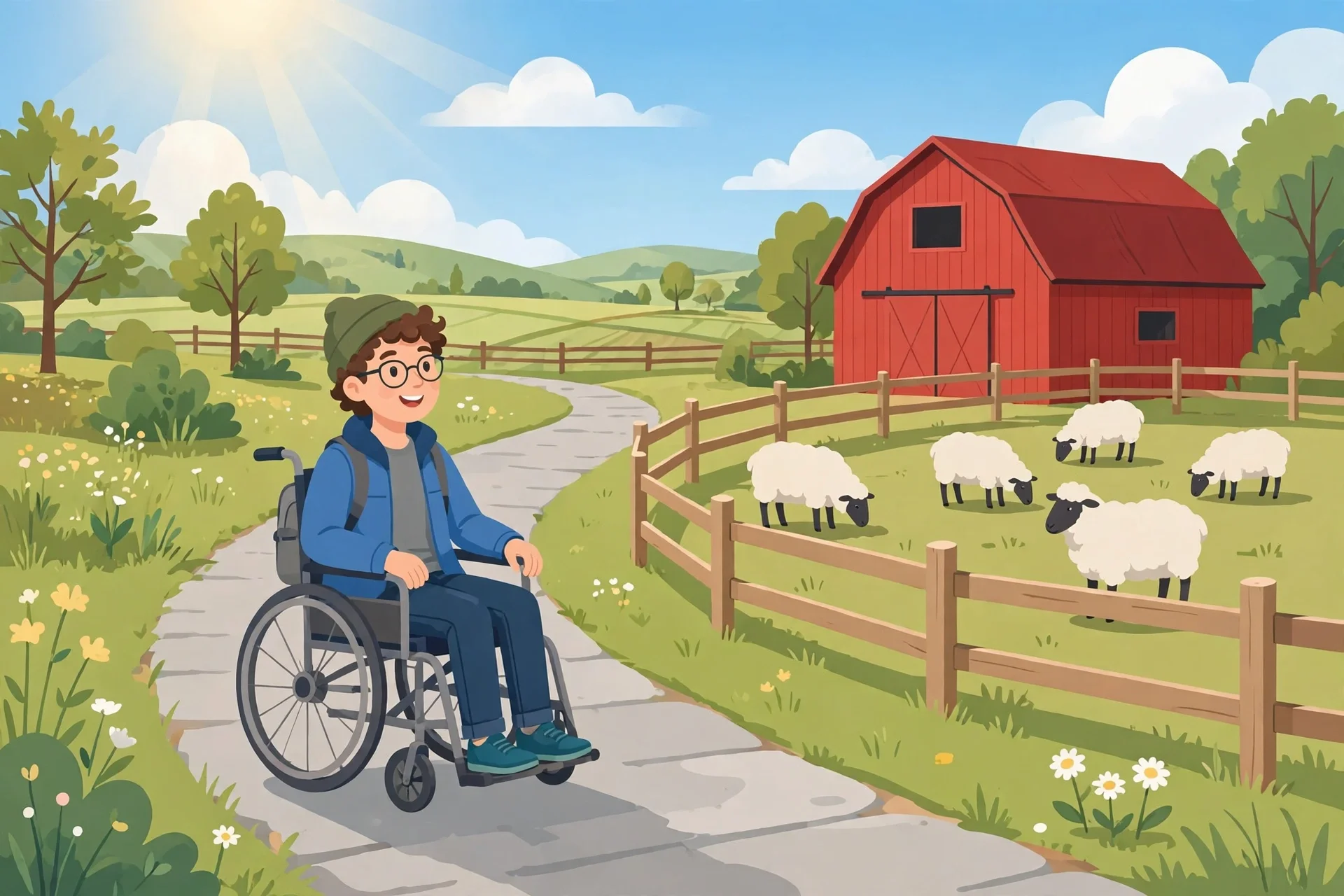
Farm parks mix surfaced barns with sloped grass, so the access page's small print decides the day more than the animals do. Bocketts Farm and Cotswold Farm Park both publish detailed access pages, and they disagree in useful ways: one lends chairs free, the other hires scooters; one has no hoist, the other has a ceiling hoist. This guide compares them.
Ask how an alert is triggered, who receives it, which connection it needs and how delivery is confirmed. An SOS label alone does not establish a monitored emergency service.
Allow optional first-party analytics to understand page visits, clicks and approximate visitor countries. We do not collect search text, form entries or precise location. Privacy and choices