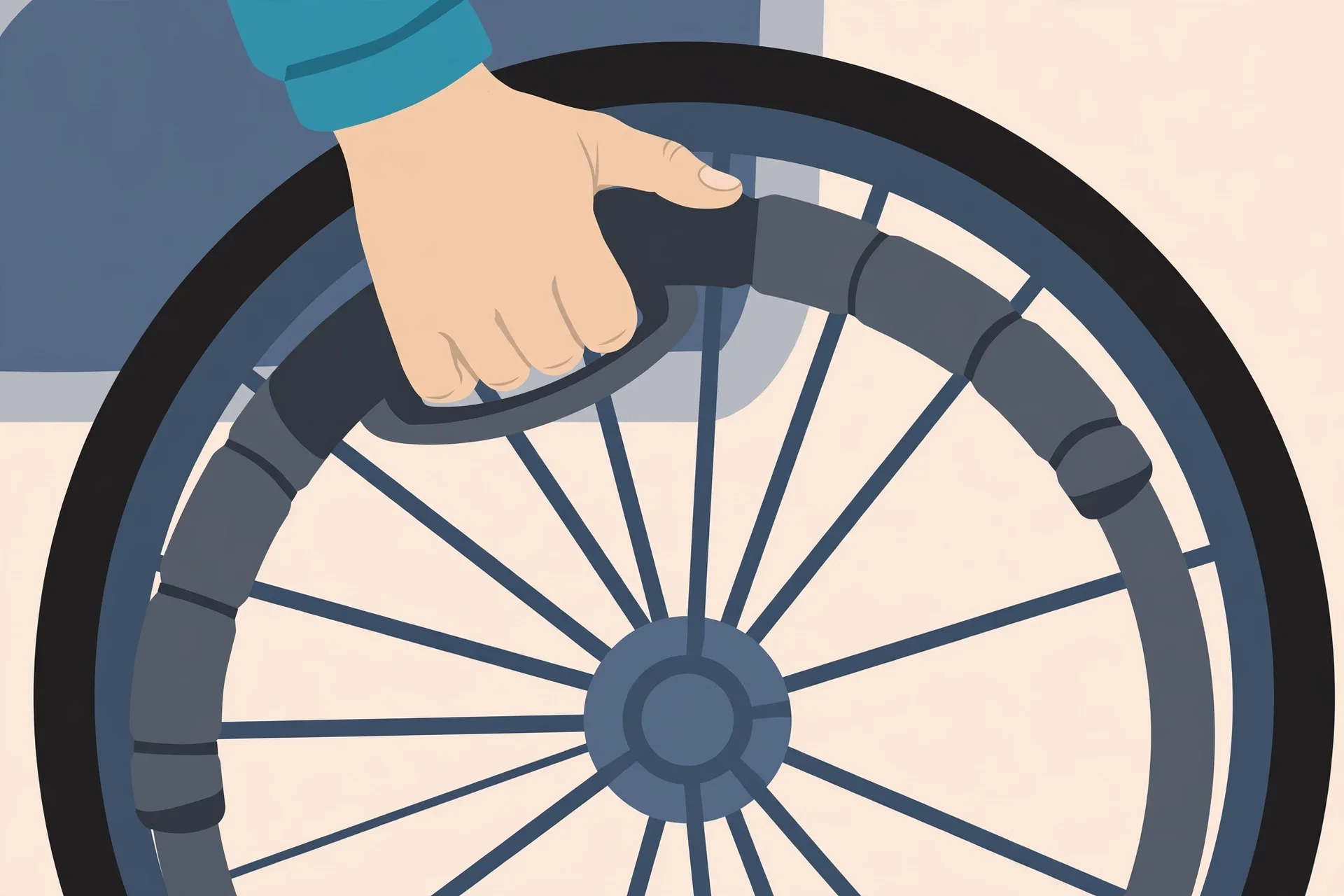
The standard aluminum handrim suits most people, but vinyl-coated, foam-covered, or ergonomic rims can make a real difference if your grip is weak or your hands get sore. Here are the seven types, what each feels like, and how to choose.
Learning wheelchair skills properly – pushing technique, kerbs, slopes, transfers, back-wheel balance – is one of the biggest levers on independence after you start using a chair, and it is a skill set most people are never formally taught. In the UK, the charity Back Up runs structured wheelchair-skills training at every stage, from hospital sessions through real-world practice to residential courses, taught by trainers who all use wheelchairs themselves. This guide explains what the training covers, who it is for, and how to practise safely between sessions.
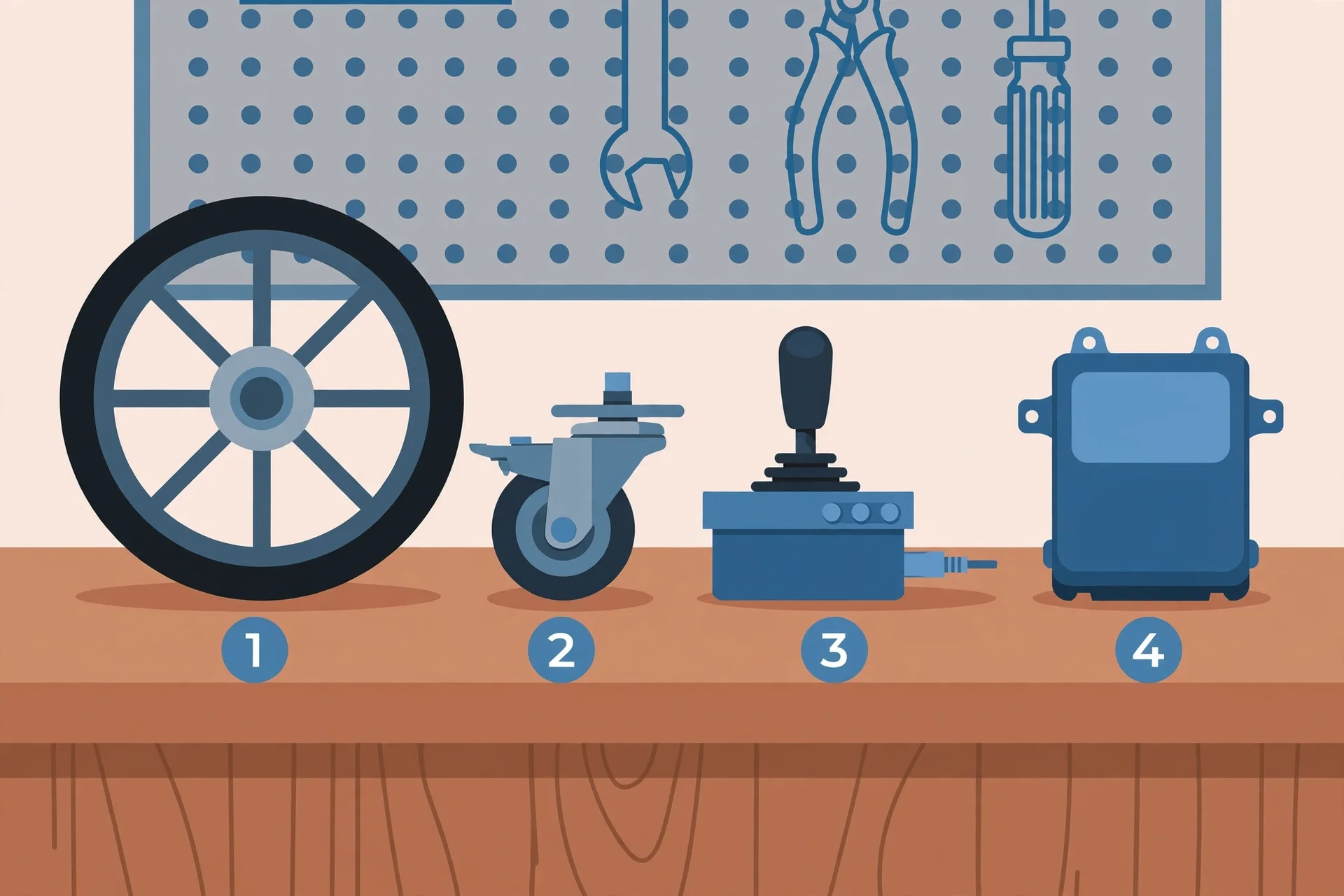
Buying wheelchair spare parts is less like ordering phone accessories and more like ordering car parts: the right channel and the right part number matter. This guide explains the difference between OEM and third-party parts, where wheelchair brands actually sell replacements, and the compatibility checklist to run through before you order anything.
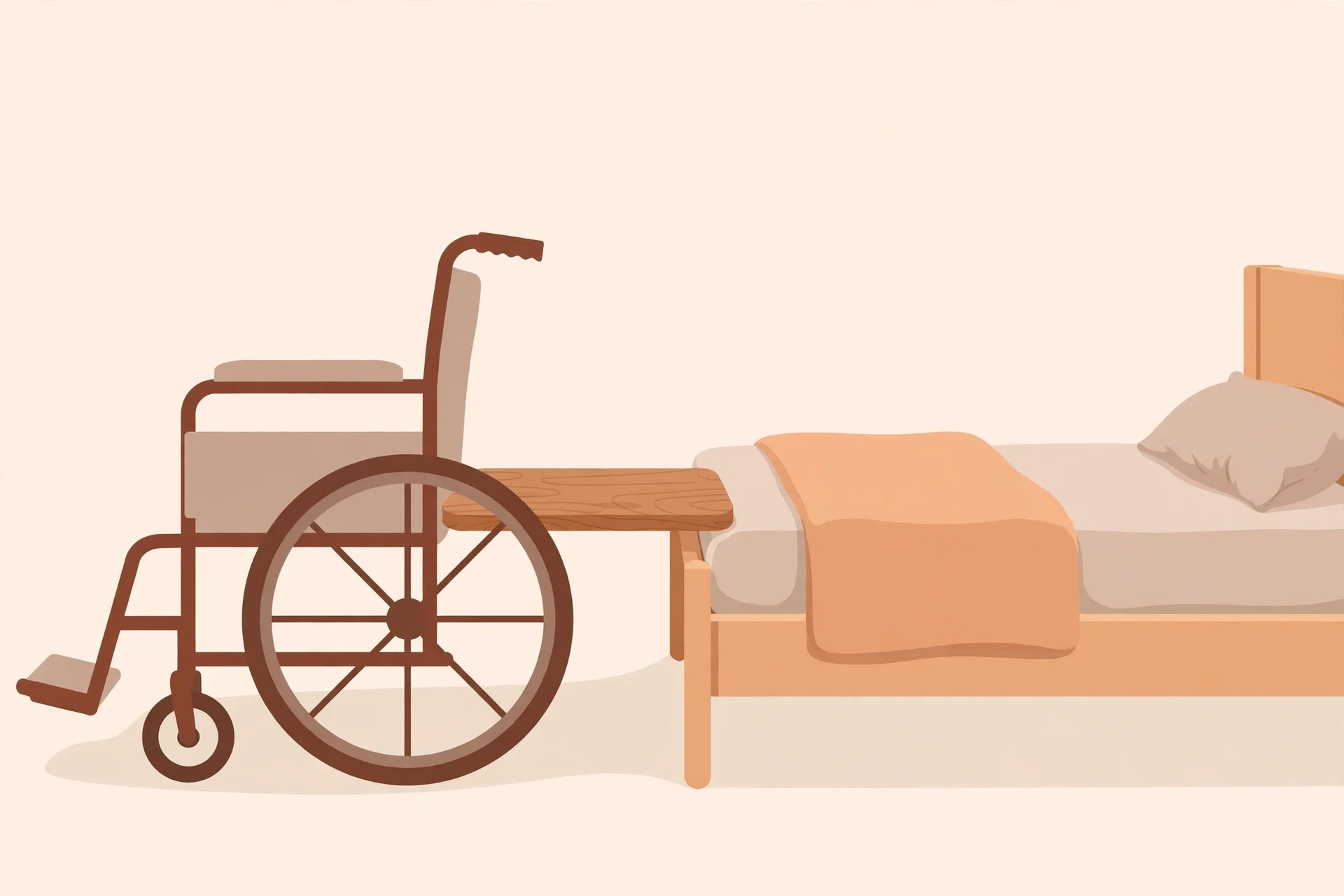
A transfer board is a flat, rigid bridge that lets you slide sideways from your wheelchair to a bed, toilet, car seat, or shower chair while staying seated. For people with enough arm strength and trunk control to manage a seated transfer, it can mean the difference between needing a hoist and moving independently. But boards are not one size fits all: the wrong length, a worn surface, or a user without the trunk control to stay upright can turn a helpful aid into a fall risk. This guide covers the main types and materials, how to size a board and check its weight limit, a step-by-step transfer technique drawn from safe-handling guidance, and how to look after the board so it stays safe.
Long-distance coaches can be a cheap way to travel, but wheelchair access works differently from trains or planes. Not every coach can carry every wheelchair, staff cannot lift passengers, and some checks have to happen before you travel. This guide explains how coach assistance booking works, what to confirm about your wheelchair, and how to avoid being turned away at the departure point.
A dental appointment should be about your teeth, not about whether you can get through the door, transfer into the chair, or be heard when you explain what hurts. Most wheelchair users can be seen at an ordinary high-street practice, but when transfer, equipment or communication makes that difficult, NHS specialist dental services exist specifically for people who cannot use a general practice. This guide explains the two routes, how referrals work, and what to ask before you book.
University works for wheelchair users when two systems are set up before term starts: the university's own disability service, which arranges campus adjustments, and Disabled Students' Allowance, which can pay up to £27,783 a year towards study-related costs you have because of a disability. You do not need a confirmed place to start the DSA process, and you do not have to be receiving student finance to apply. This guide walks through both, in the order to tackle them.
A wedding venue that calls itself accessible may mean one ramp at a back door and a ceremony space down three steps, so a guest who uses a wheelchair needs sharper questions than the brochure. Two wedding planning guides, one a detailed venue checklist and one a guest-experience guide, agree on the same tests: the same entrance, real routes, usable toilets and space at the table. This guide turns them into questions to ask before you RSVP.
Getting to work and doing the job in a wheelchair can mean extra costs: adapted equipment, travel you cannot make by public transport, or a support worker. In England, Scotland and Wales, the government's Access to Work scheme can pay towards those costs, and employers separately owe reasonable adjustments. This guide explains who can apply, what the grant can cover, and how to start.
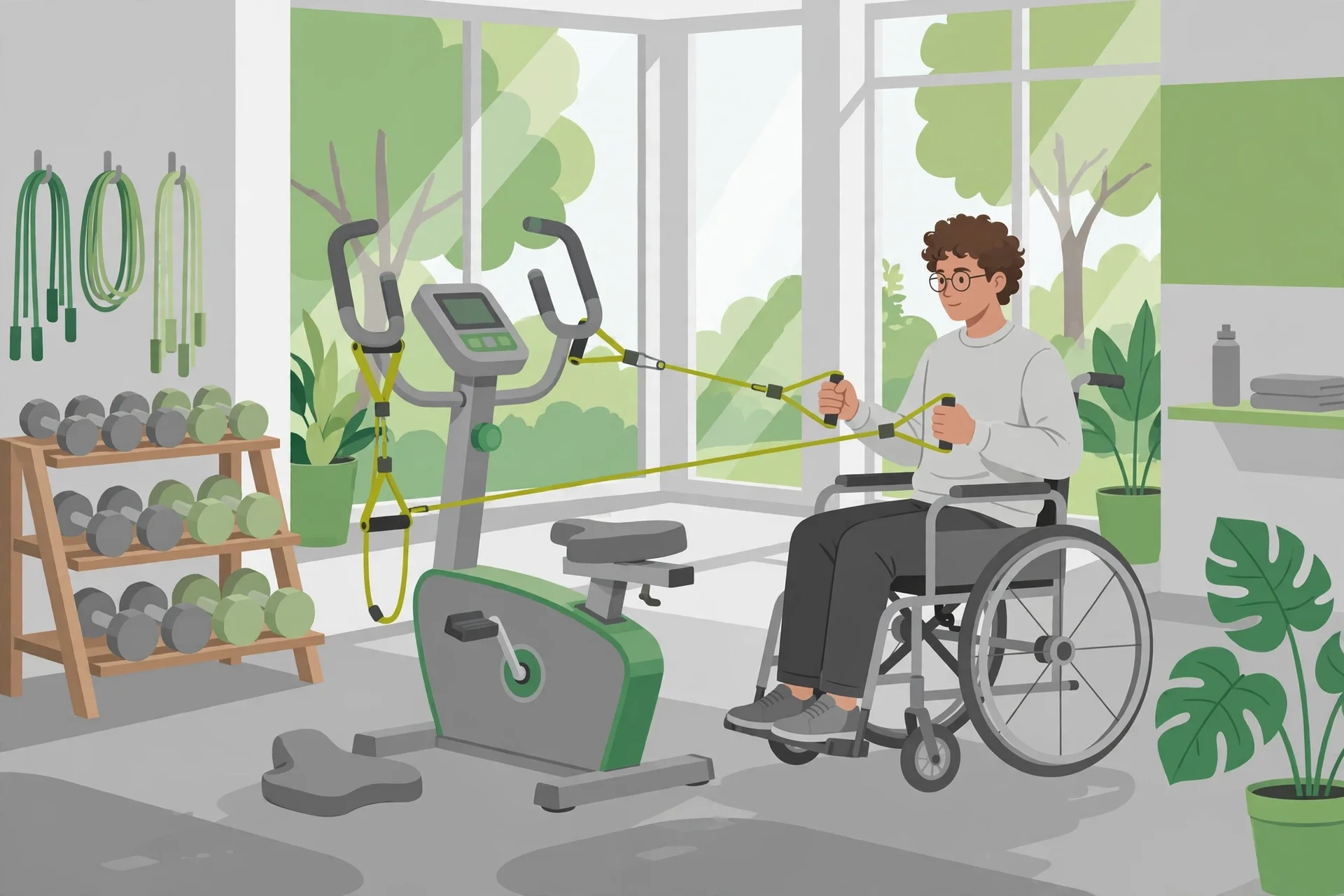
Wheelchair users can follow the same activity targets as everyone else — at least 150 minutes of moderate aerobic exercise per week plus strength training on two or more days — using equipment like arm ergometers, resistance bands and dumbbells. This guide sets the weekly targets, lists the equipment that works from a wheelchair, and suggests accessible workout options.
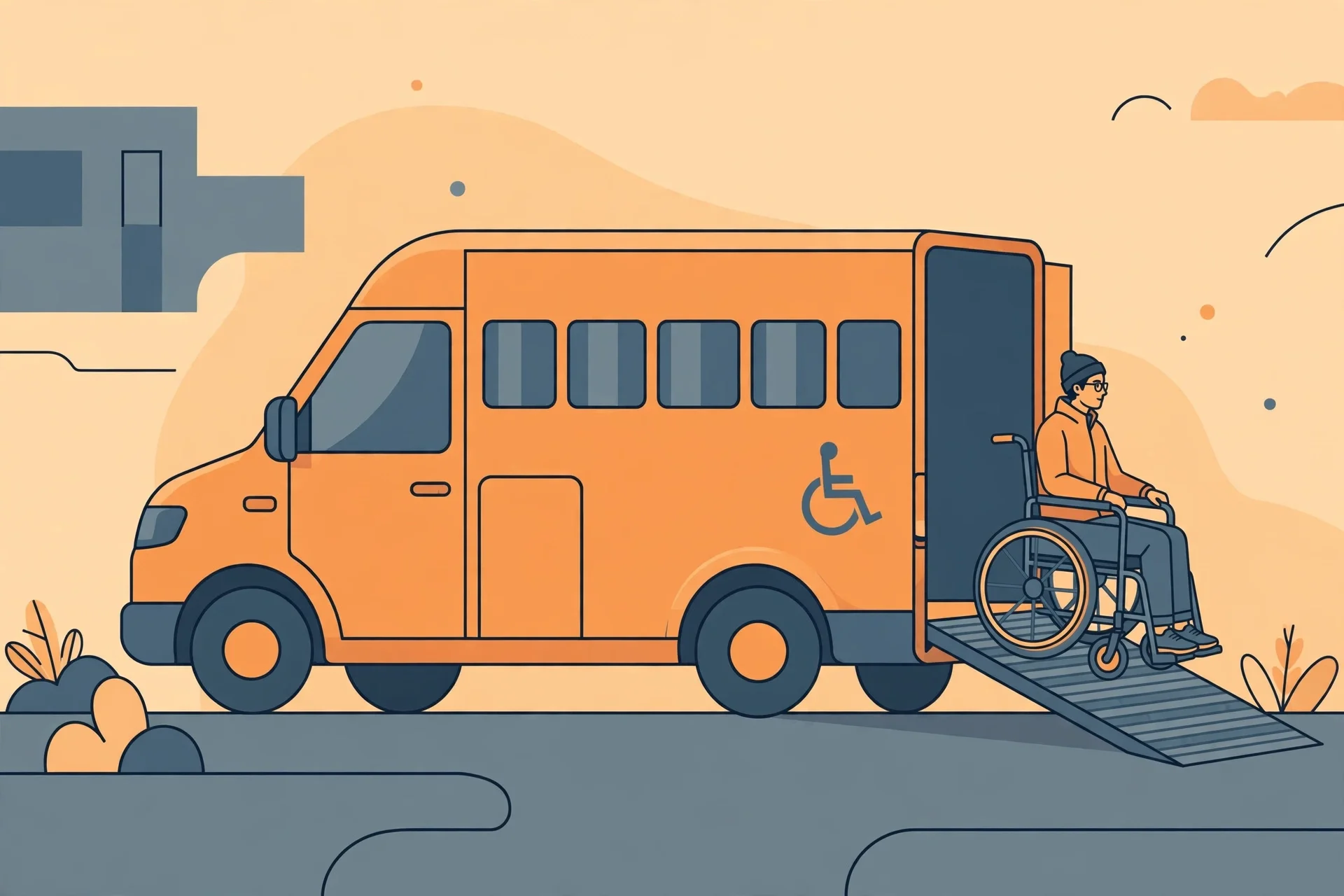
A wheelchair accessible vehicle (WAV) is not built by a car manufacturer — it is a standard van, car or MPV converted by a specialist. This guide explains how conversions work, the layout choices that change daily life (rear entry, up-front passenger, lowered floor versus tail lift), and how buying, leasing and Motability grants fit together.
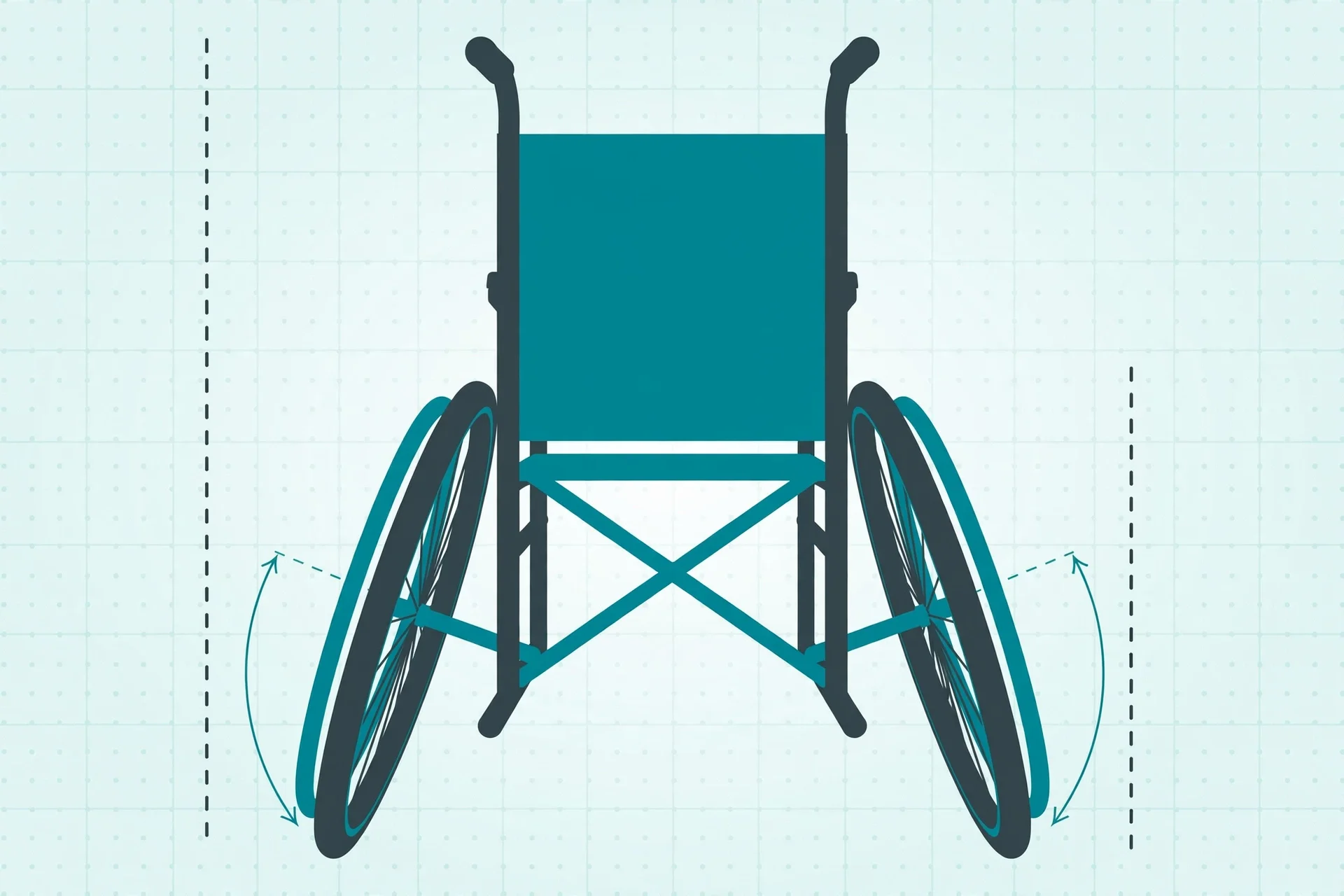
Wheelchair camber is the outward angle of the rear wheels — the tops tilt toward the chair while the bottoms flare out — and it trades extra stability and easier turning for extra width. This guide explains what camber is, lays out the advantages of angled wheels, and weighs the costs honestly, so you can discuss setup options with a clinician from an informed position.
Ask how an alert is triggered, who receives it, which connection it needs and how delivery is confirmed. An SOS label alone does not establish a monitored emergency service.
Allow optional first-party analytics to understand page visits, clicks and approximate visitor countries. We do not collect search text, form entries or precise location. Privacy and choices