Volunteering can mean coaching wheelchair skills to young people or chairing a charity's board. Both are real, both are open to wheelchair users, but they ask for different time, travel and checks. Whizz Kidz's skills sessions and a Sailability trustee role show the range. This guide compares them so you can pick the door that fits.
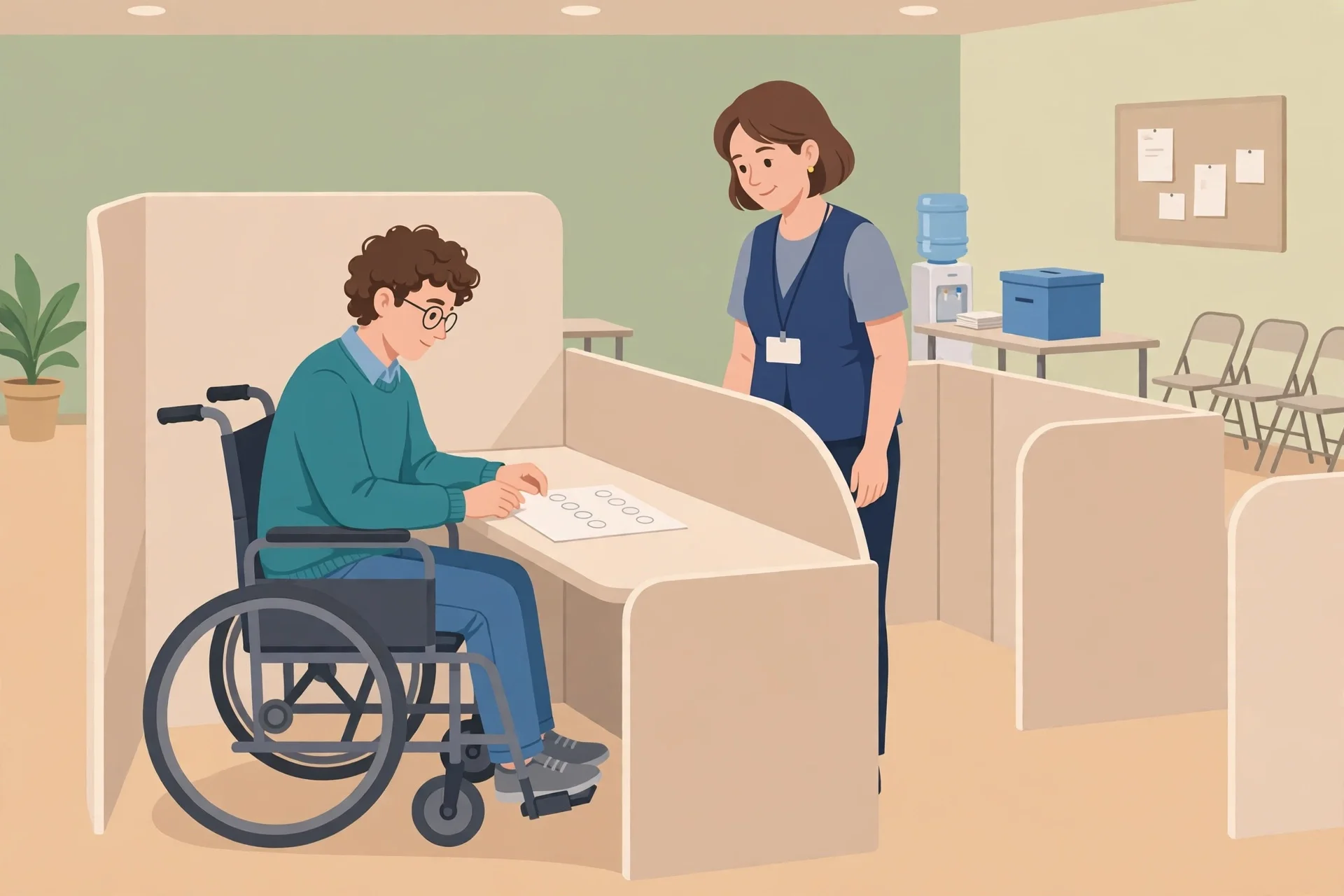
Polling stations are expected to work for wheelchair users, but knowing what should be in place before polling day makes the visit much smoother. This guide explains what equipment and support polling stations provide, what help you can ask for, and what to do if you cannot get into the building or prefer not to vote in person.
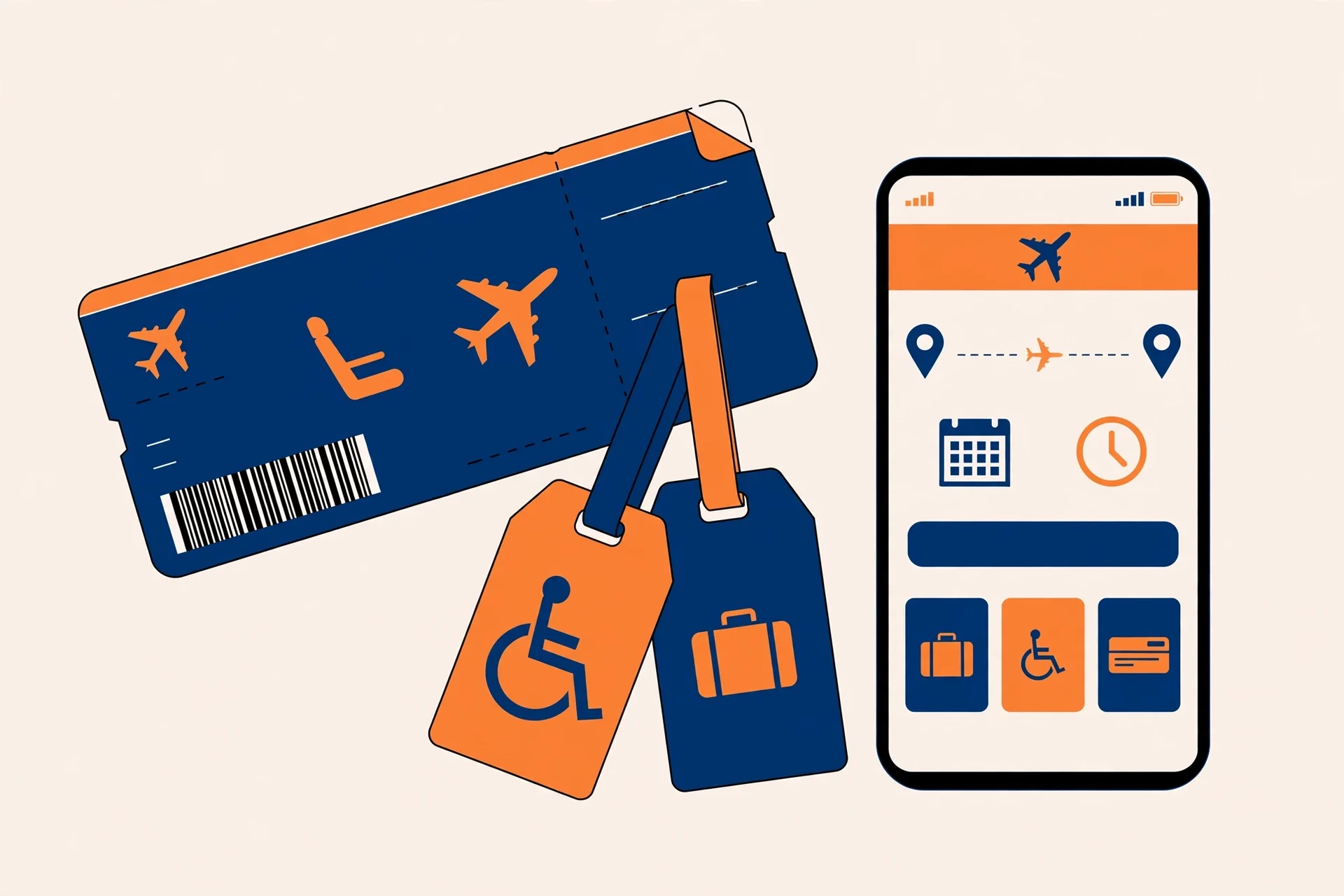
When you book airport wheelchair assistance, the airline attaches a short code — WCHR, WCHS or WCHC — to your reservation. These are IATA's standard special service codes, and they tell airport staff exactly how much help you need: whether you can manage stairs, whether you need to be carried, and whether you need a narrow aisle chair to reach your seat. This guide explains what each code means, who usually gets which one, and how to check the right code is on your booking before you fly.
When you book airport wheelchair assistance, the airline records your request as a short code - WCHR, WCHS, or WCHC. The code decides what equipment shows up at the gate and what the staff expect to do. Knowing what each one means helps you describe your needs accurately so the right help actually arrives.
WCHR, WCHS and WCHC are the three IATA-standard codes airlines use to record how much wheelchair assistance you need. WCHR means you can manage stairs but not long distances; WCHS means you can walk on flat ground but cannot do stairs; WCHC means you need assistance all the way to your seat, including being carried up aircraft steps where no lift is available. Knowing which one fits you is the difference between smooth boarding and a stressful argument at the gate.
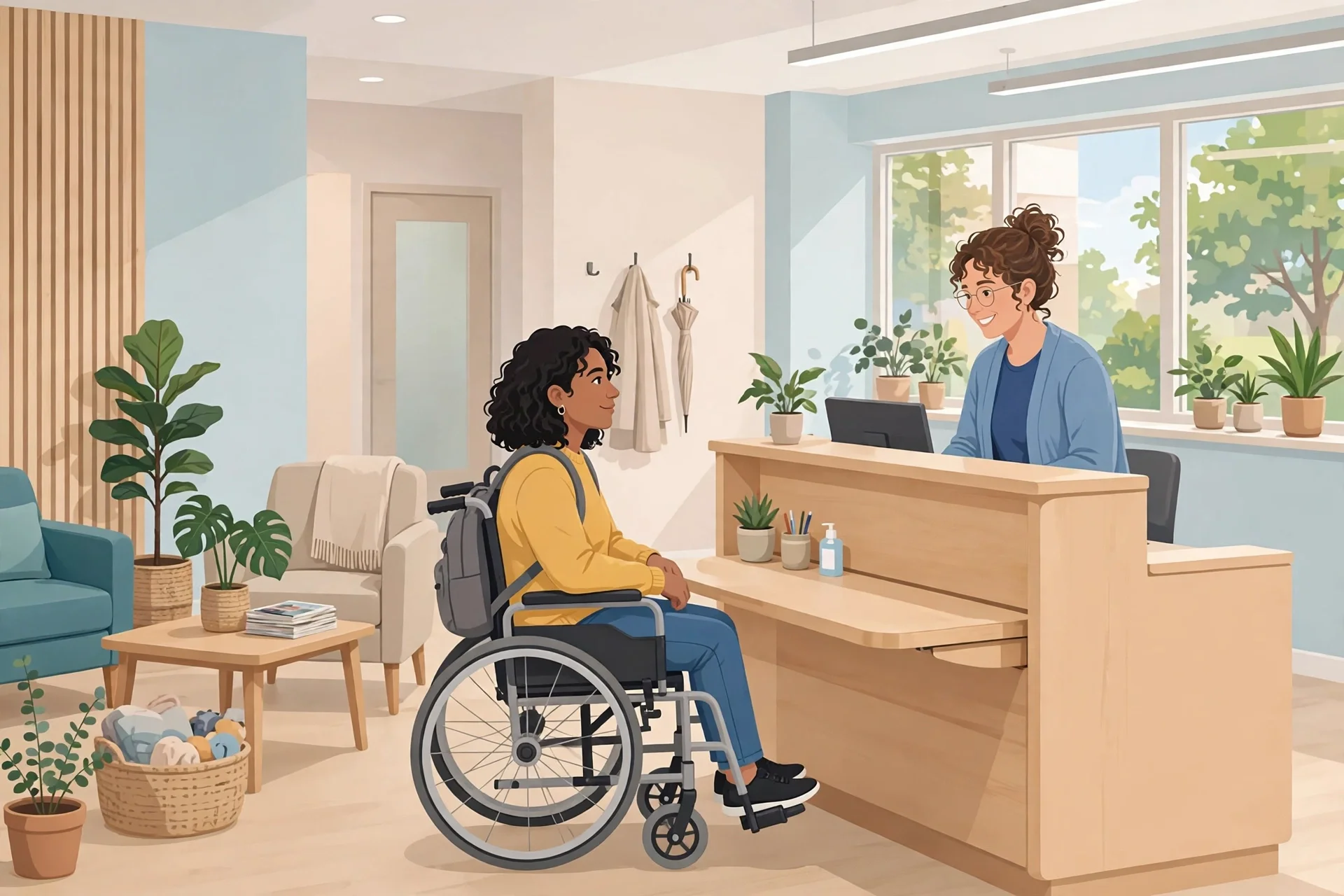
A GP visit should not fail at the consulting room door, yet Healthwatch Bradford records a patient whose wheelchair could not fit through it and who was seen in the corridor instead. GP access pages and a Healthwatch checklist show the fixes already exist: step-free sites, hearing loops, quiet rooms and a digital flag on your record. This guide lists what to ask for.
Museums are often far more accessible than their grand facades suggest, but the details — step-free entrances, wheelchair loans, accessible toilets — vary from one venue to the next. This guide distils what major museums such as Tate and the Smithsonian confirm on their own official accessibility pages, so you know exactly what to check before you set off.
A National Trust day out can mean a step-free visitor centre and a gravel path that stops a wheelchair in the same visit, so the planning matters more than the headline promise. The Trust's own access pages and its AccessAble guides name the exact points that decide a day: companion passes, bookable hire chairs, and the routes that are not step-free. This guide turns those pages into a pre-visit checklist.
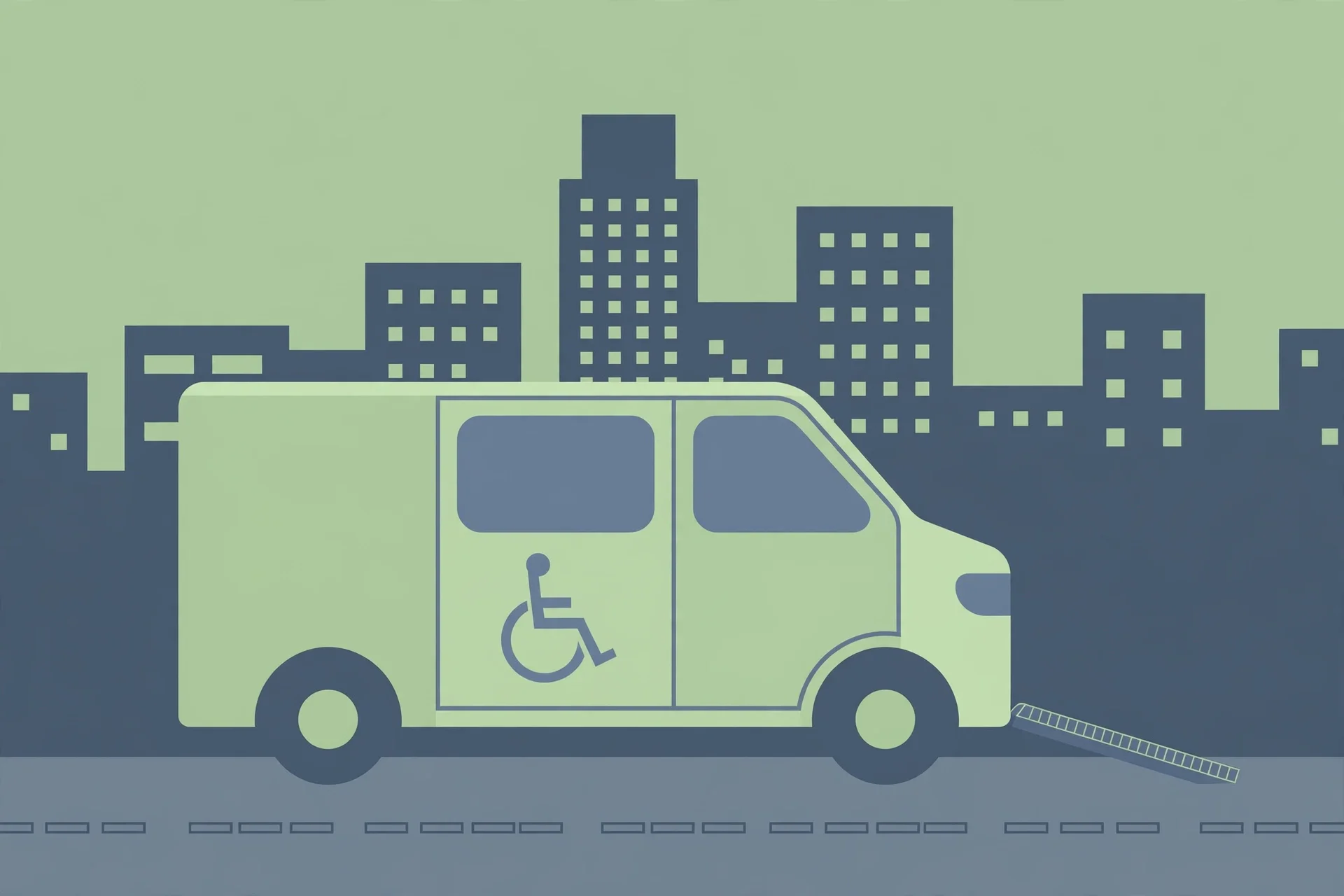
A wheelchair accessible vehicle — a WAV — is a car or van converted so a wheelchair user can travel in their chair, or even drive from it. Buying one is a big decision, and the jargon does not help. This guide explains the main types, the entry options, and what to check before you commit.
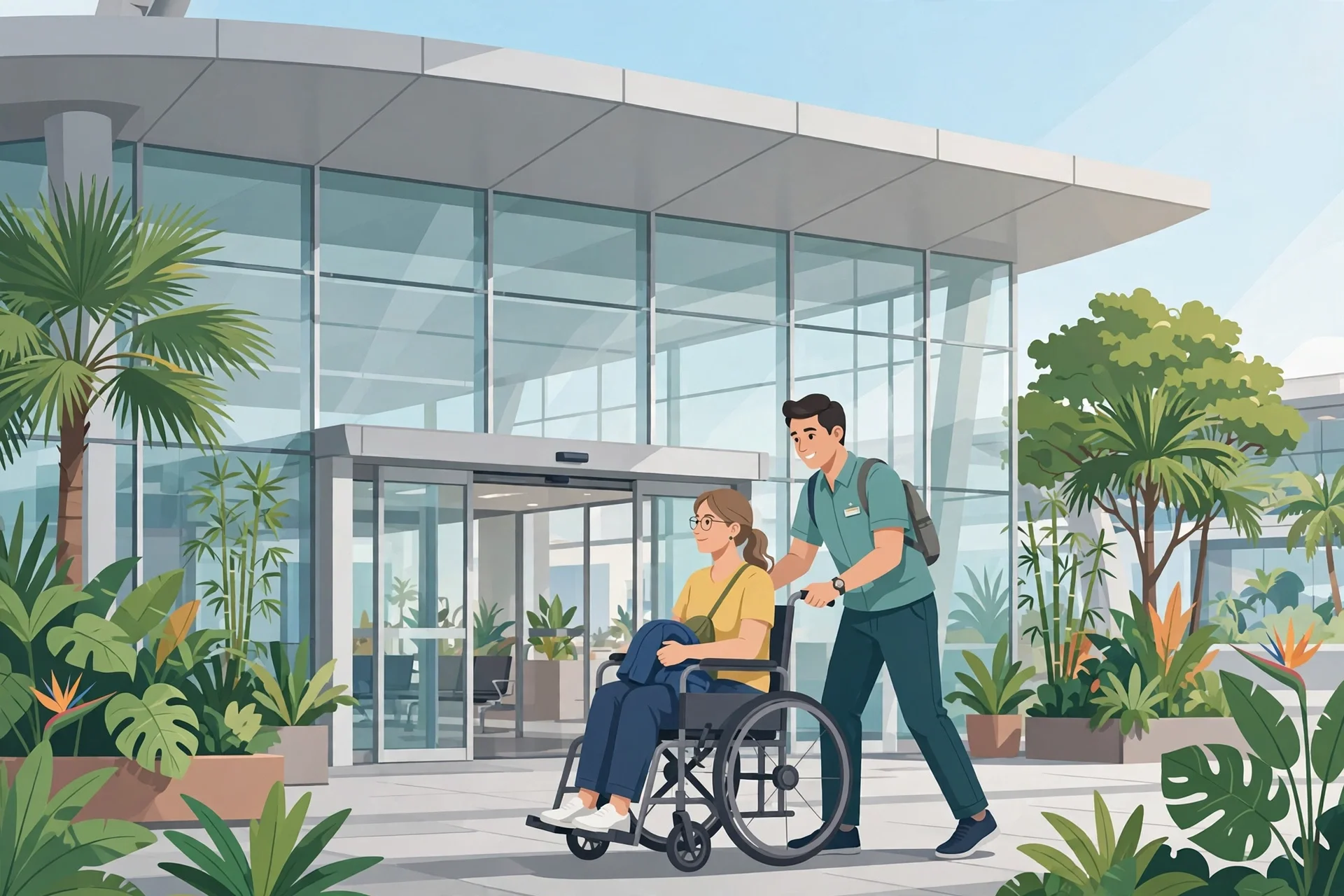
Wheelchair assistance at Changi Airport comes in three forms: free self-service loan wheelchairs at information counters, your airline's wheelchair service, and a paid concierge wheelchair service. The key rule across all options is timing — book at least 48 hours before departure, and confirm the booking with your airline before you fly.
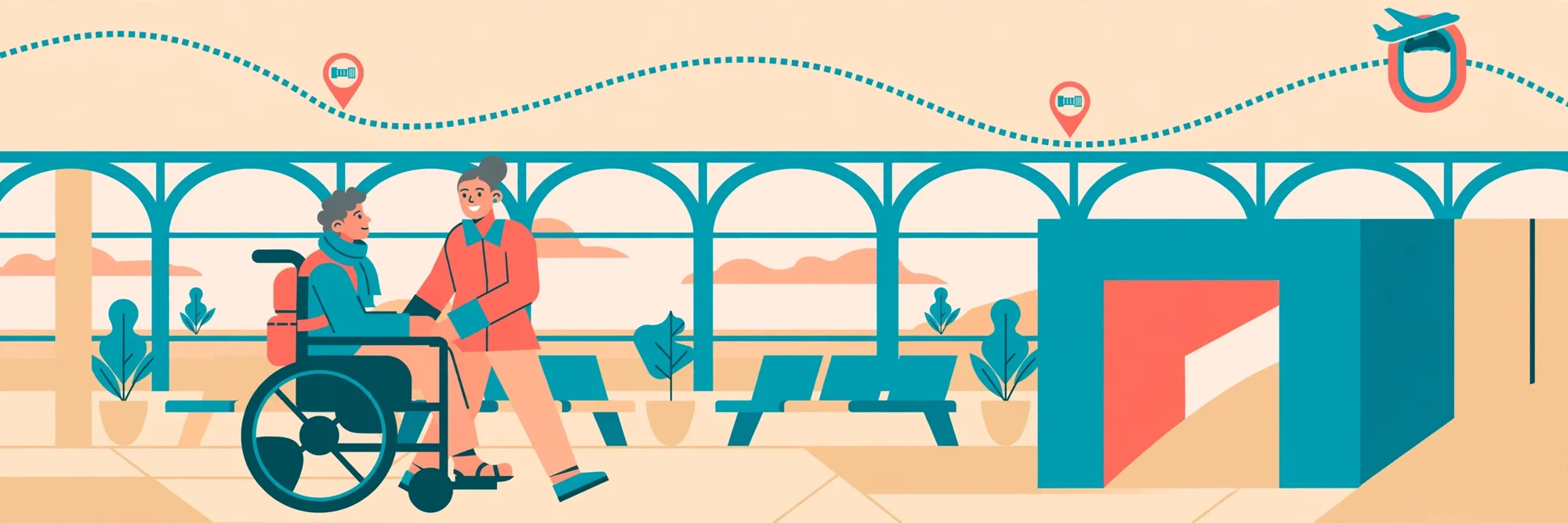
When you have a connecting flight, wheelchair assistance is usually arranged per flight leg, not as one journey-wide escort — so the team that meets you at the arrival gate is not necessarily the team that takes you to your next departure. At most airports the handover happens at the gate or a special-assistance lounge, and the onward transfer often needs its own arrangement. This guide explains who meets you, how the connection handover works, and what to confirm before you fly.
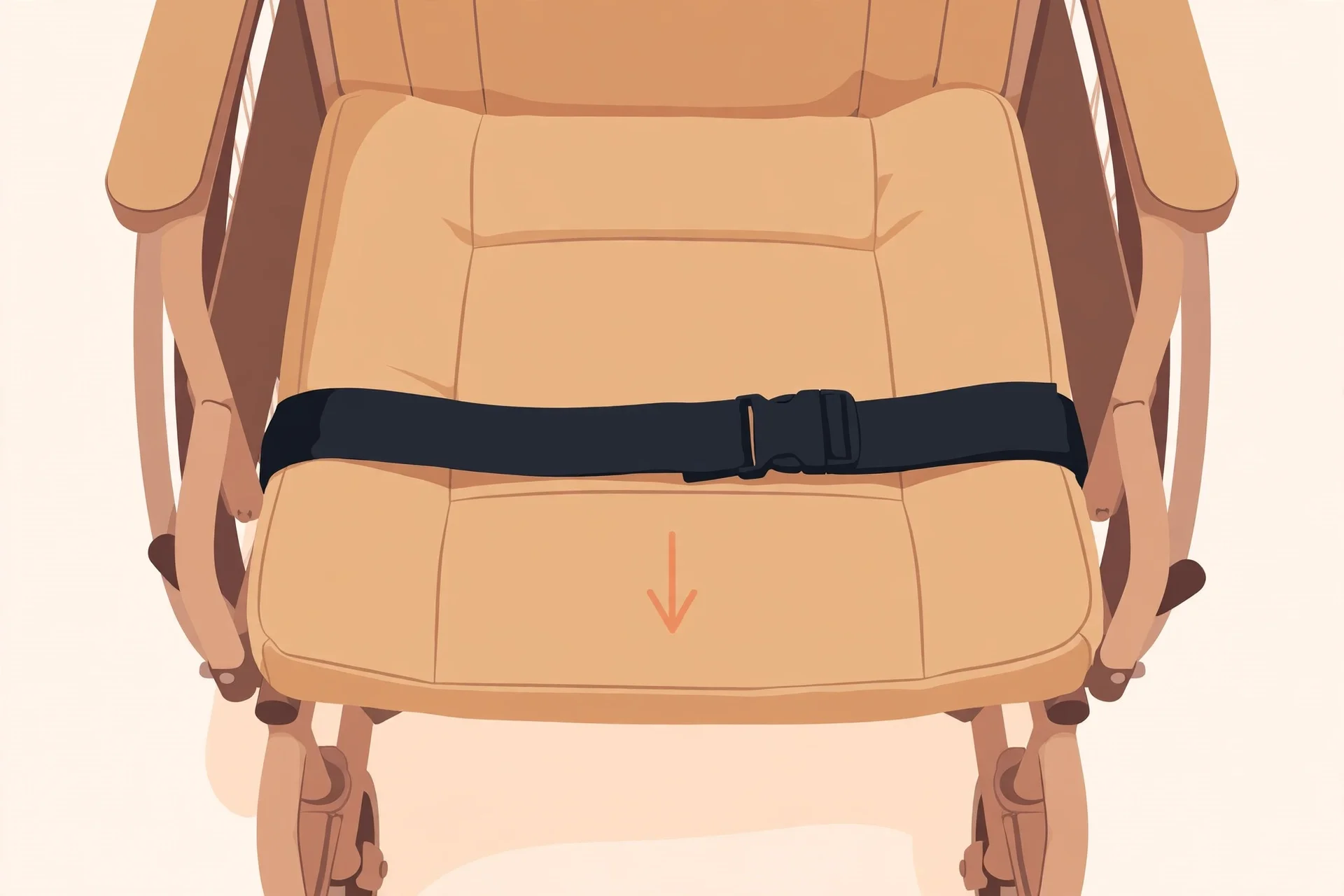
A wheelchair lap belt is a posture aid, not a safety harness. For many seated users it quietly does its job all day, holding the pelvis back in the chair so posture stays upright and stable. For others it is unnecessary, and for some it is unsafe. That distinction matters, because the same belt that helps one person sit well can be a hazard for another. This guide answers three practical questions in plain terms: what positioning belts actually do, and the one thing they must never be used for; how a lap belt should fit; and when to stop and ask a clinician before using one.
Ask how an alert is triggered, who receives it, which connection it needs and how delivery is confirmed. An SOS label alone does not establish a monitored emergency service.
Allow optional first-party analytics to understand page visits, clicks and approximate visitor countries. We do not collect search text, form entries or precise location. Privacy and choices