Under-inflated tyres make your powerchair harder to steer, shorten battery range and wear out faster — and most pneumatic powerchair tyres should sit around 35 psi (2.4 bar). A weekly pressure check with a simple gauge is the highest-value maintenance habit a powerchair owner can build. Here is the routine, the numbers, and the warning signs that mean replacement, not inflation.
Most power wheelchair warranties cover defects in materials and workmanship — not wear, accidents, or misuse — with long coverage for the frame (often five years) and much shorter coverage for electronics, motors and batteries (often around one year), and you file a claim through the dealer who sold you the chair. The exact terms differ by brand, model and country, so this guide explains the typical pattern using two manufacturers' published policies, then walks through the claim process. Always check your own warranty card first: it is the document that governs your chair.
The short answer: store and charge your power wheelchair indoors in a dry, heated space (ideally around 20°C), charge it every day even in winter, wipe it dry after any wet weather, and never let its batteries sit in freezing temperatures for long periods. Cold cuts driving range, slows charging, and prolonged exposure below 0°C can permanently damage sealed lead-acid or lithium batteries. The checklist and routines below turn that principle into a practical winter plan, based on official guidance from Permobil and Pride Mobility.
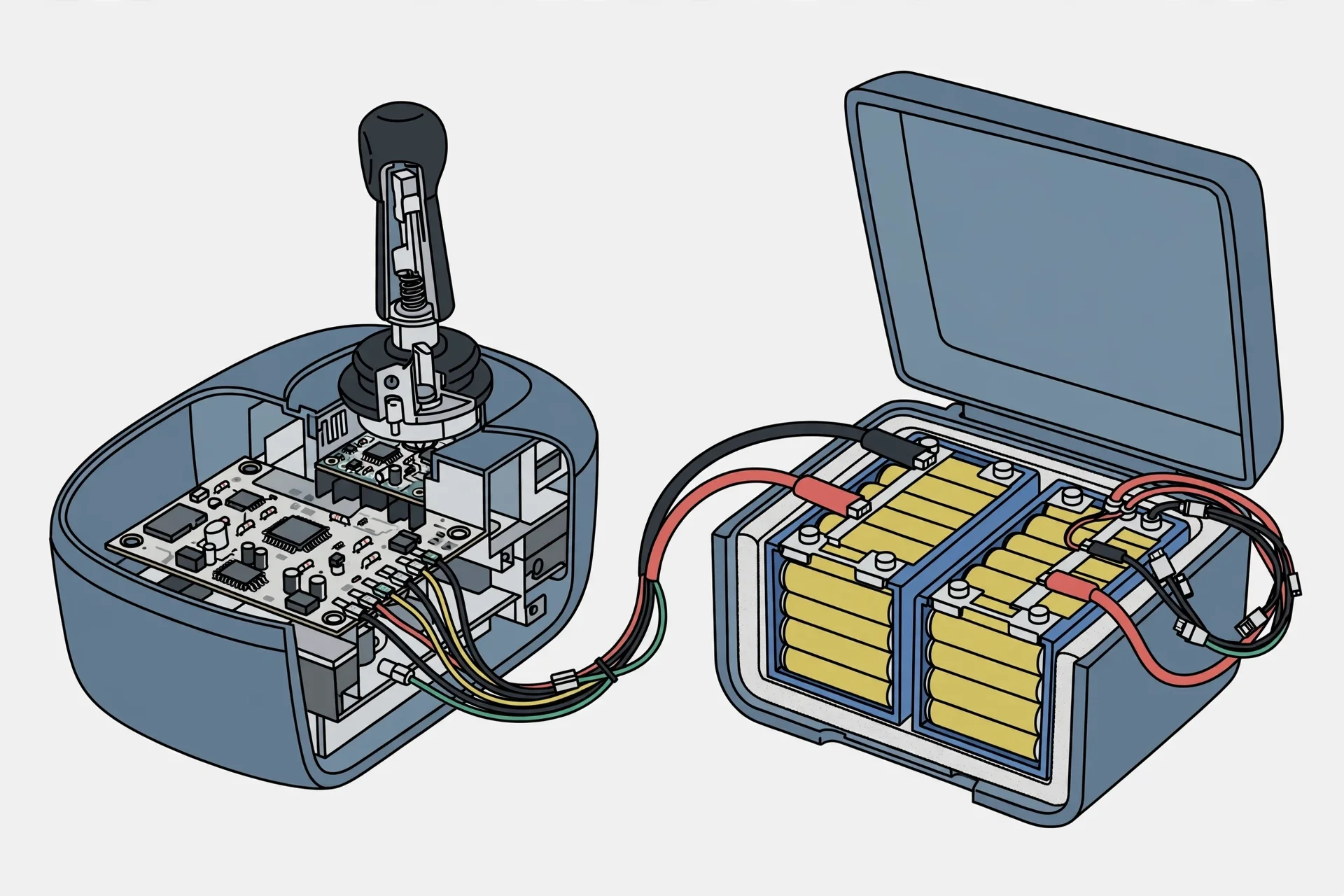
A power wheelchair that will not start is usually suffering from one of a short list of causes – dead batteries, a loose control-panel cable, a tripped or switched-off main breaker, or the chair sitting in freewheel mode. Permobil's official troubleshooting guides list these checks in exactly this order, and they resolve most no-start cases without a service call. Work through them in sequence; stop and call your dealer when the fix involves electronics, repeated breaker trips, or anything the manual says needs qualified personnel.
If your power wheelchair will not turn on, work through five user-level checks before calling anyone: confirm the controller is not locked, reset the main circuit breaker, verify the battery charge and connections, make sure the brakes are not in freewheel mode, and read any error code on the display. These steps follow manufacturer troubleshooting guidance and cover the most common causes. If the problem involves the controller or internal wiring, stop and contact your authorized dealer or the manufacturer's support line.
Collecting a prescription should be the easy part of managing a health condition, but for a wheelchair user it can mean a trip across town, a wait in a queue, and a counter that is hard to reach. The good news is that most pharmacies can deliver prescription medicines to your home, some hospital pharmacies run drive-by collection, and the NHS pharmacy finder shows which services each pharmacy offers. This guide compares the three routes so you can pick the one that fits your week.
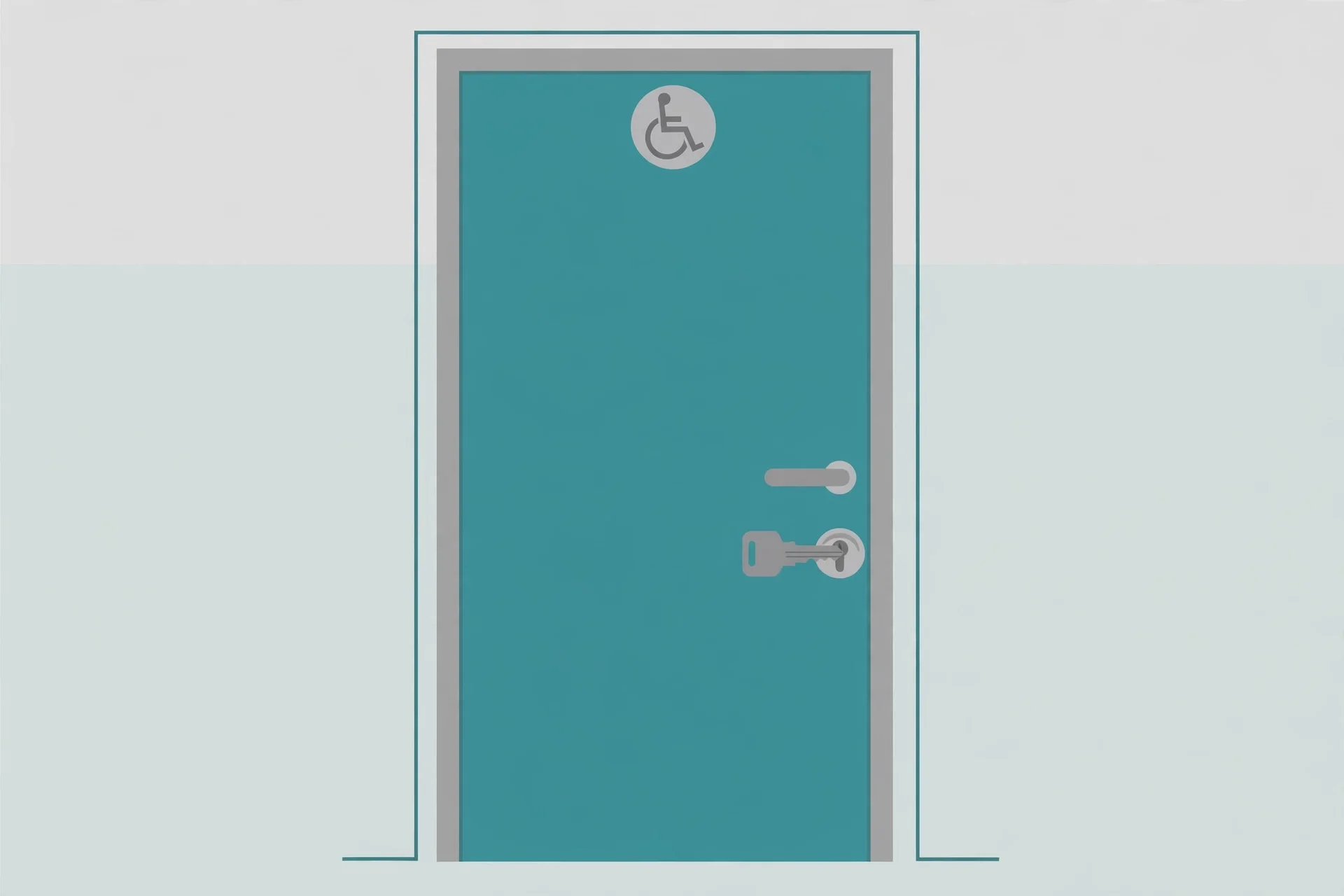
A RADAR key opens more than 10,000 locked accessible public toilets across the UK — in shopping centres, pubs, stations and department stores — giving disabled people independent access without hunting for staff. This guide explains what the National Key Scheme is, who can buy a key, where to get one, and where the key does and does not work.
Most power wheelchairs can survive a rain shower, but no mainstream chair is waterproof — even models rated IPX4 are only splash-resistant, and manufacturers warn against extended rain use and puddles. The difference between a chair that shrugs off October and one that develops electrical faults usually comes down to what you do before, during and after the rain.
On Sunday 8 November 2026 the National Service of Remembrance takes place at the Cenotaph on Whitehall, London, starting at 11am. You do not need a ticket: the public watches from the pavements, and a dedicated enclosure on Parliament Street is set aside for wheelchair users and others who find the general viewing areas difficult, on a first-come, first-served basis with one carer or guest each. This guide covers the London arrangements and what local services do differently, so you can choose the option that works for you.
Sailing looks like the least wheelchair-friendly sport imaginable, until you see how Sailability centres do it: stable dinghies that cannot capsize, jetty hoists rated for a wheelchair user, and volunteers who sail alongside beginners. Sailability is the Royal Yachting Association's nationwide scheme for disabled sailors, run by local clubs, and most sessions are free or cost a few pounds. This guide explains how a first session works, what the boats and hoists can handle, and when to plan for next season.
Ask how an alert is triggered, who receives it, which connection it needs and how delivery is confirmed. An SOS label alone does not establish a monitored emergency service.
Allow optional first-party analytics to understand page visits, clicks and approximate visitor countries. We do not collect search text, form entries or precise location. Privacy and choices