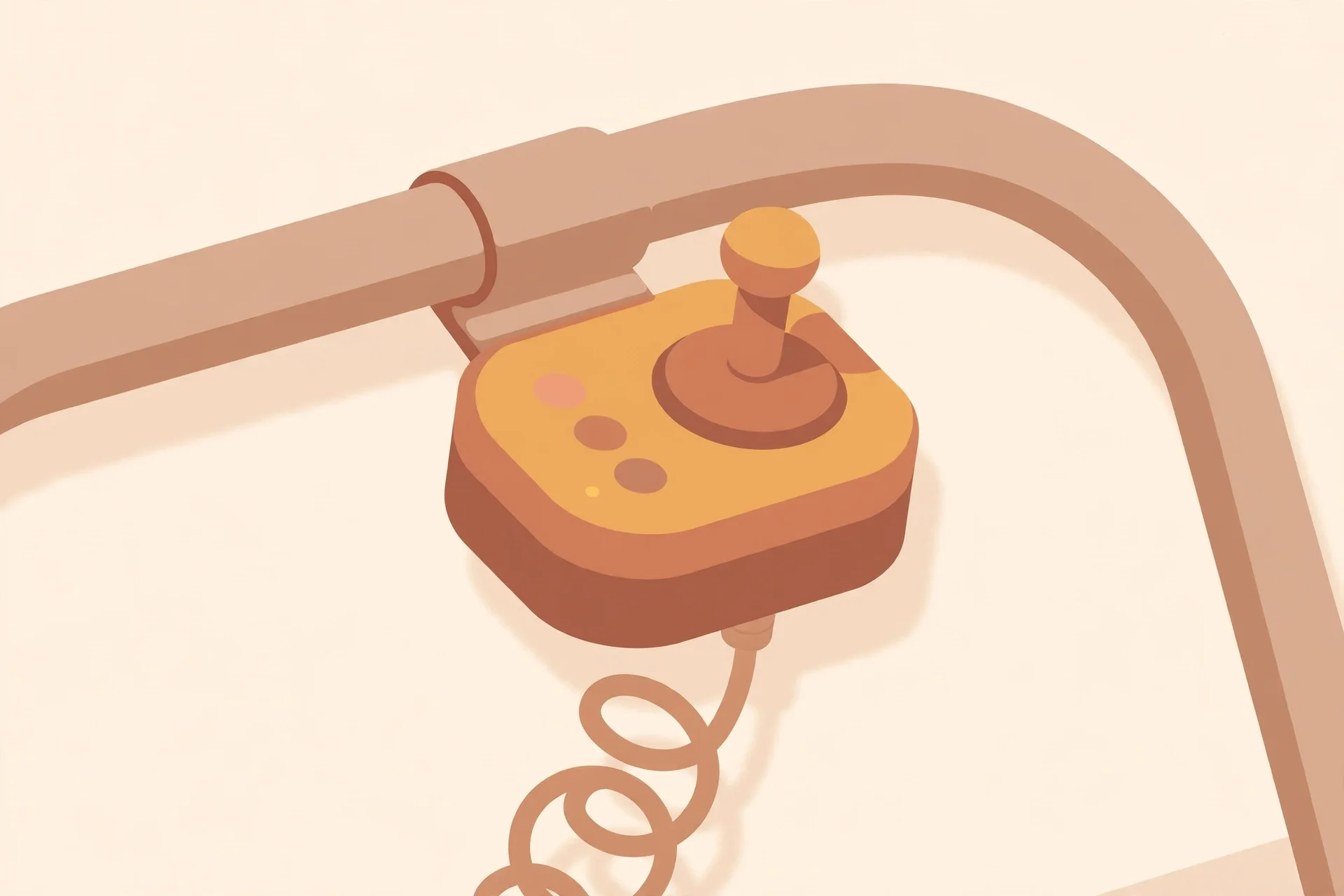
An attendant control is a second driving control, usually mounted at the back of a power wheelchair, that lets a carer or companion drive the chair when you cannot — or when a tricky spot makes a second pair of hands the safer option. This guide explains how it works, when it is worth adding to your chair, and the trade-offs to talk through with your dealer or therapist.
Most power wheelchairs brake in three ways: controlled deceleration when you ease off the joystick, electromagnetic brakes that hold the chair automatically, and manual release levers that disengage the brakes so someone can push the chair by hand. This guide explains how each system works and the checks recommended by the user manuals from WHILL and Permobil — describing mechanisms only, without claiming any one design is safer than another.
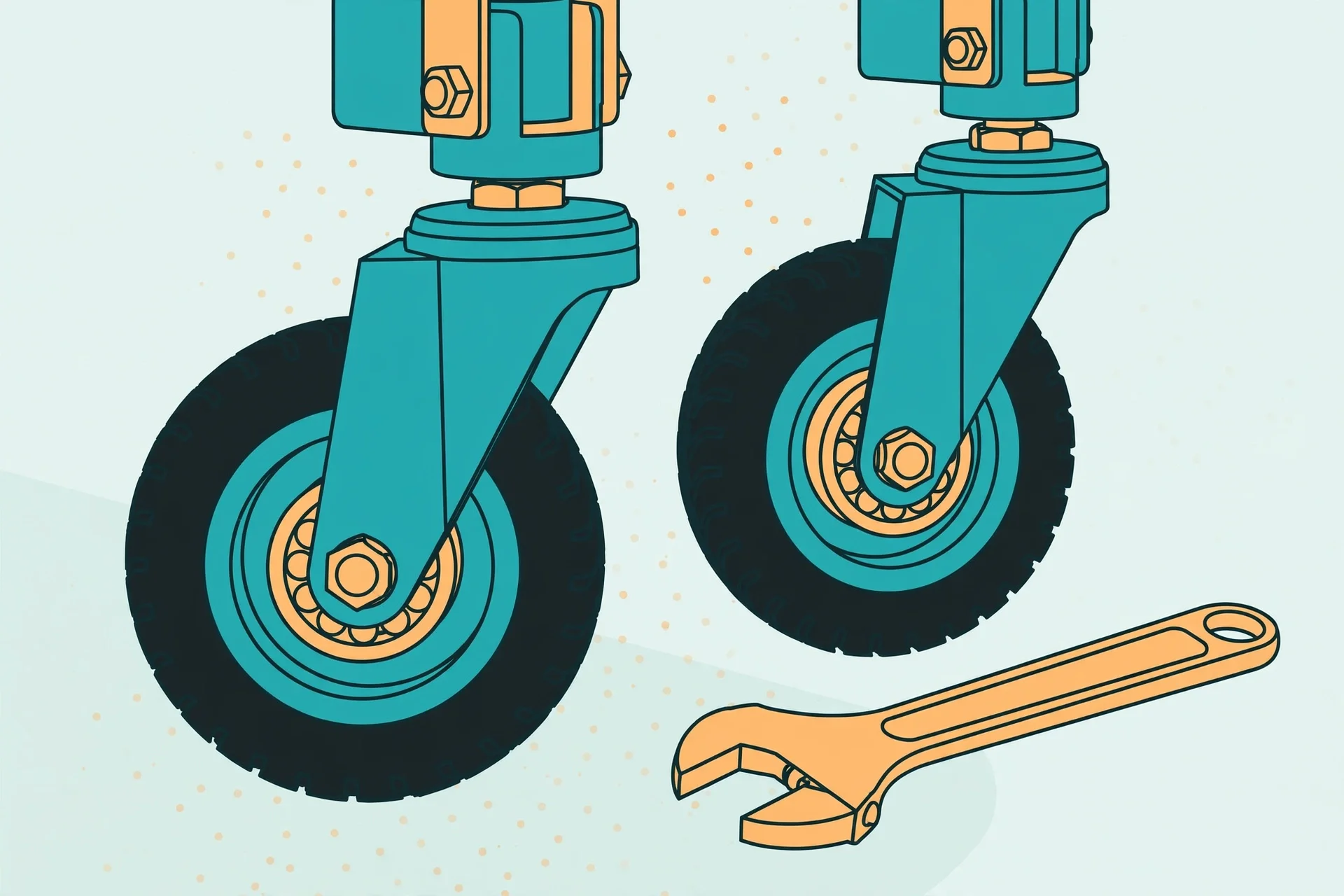
The small front wheels on your powerchair do the steering so the big drive wheels can do the pushing — and when they start fluttering, vibrating or wearing unevenly, steering feel, stability and even battery range suffer. A five-minute monthly caster check catches the common problems early and costs nothing. Here is what to look for, what you can safely do yourself, and when to call your provider.
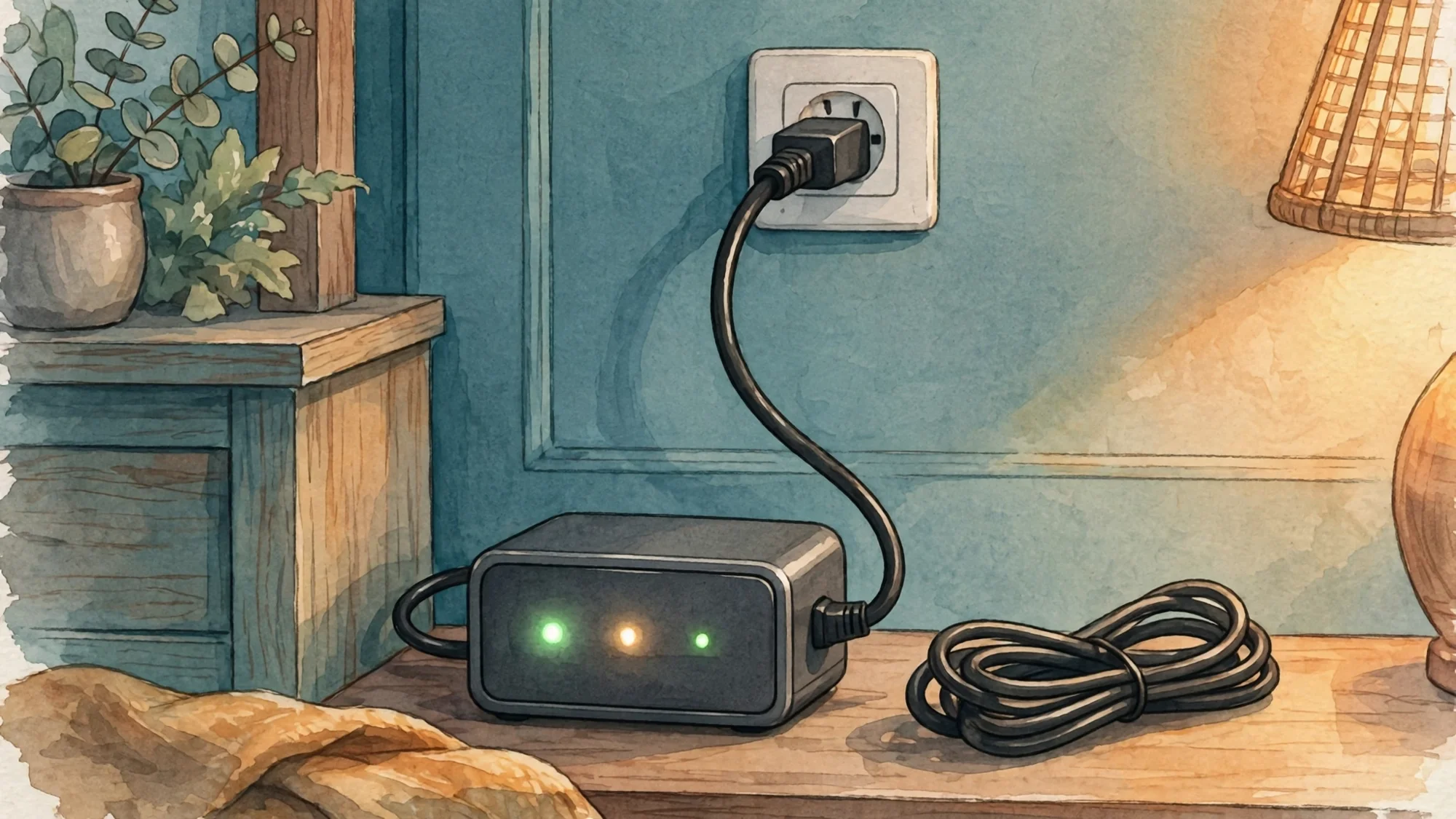
The right charger for your power wheelchair is the one your manufacturer supplied or approved. This guide covers what the manuals from Permobil and WHILL actually require: how to choose a compatible charger, the correct plug-in sequence, what each indicator light means, and the charging habits that keep batteries healthy — using only figures the manuals themselves give.
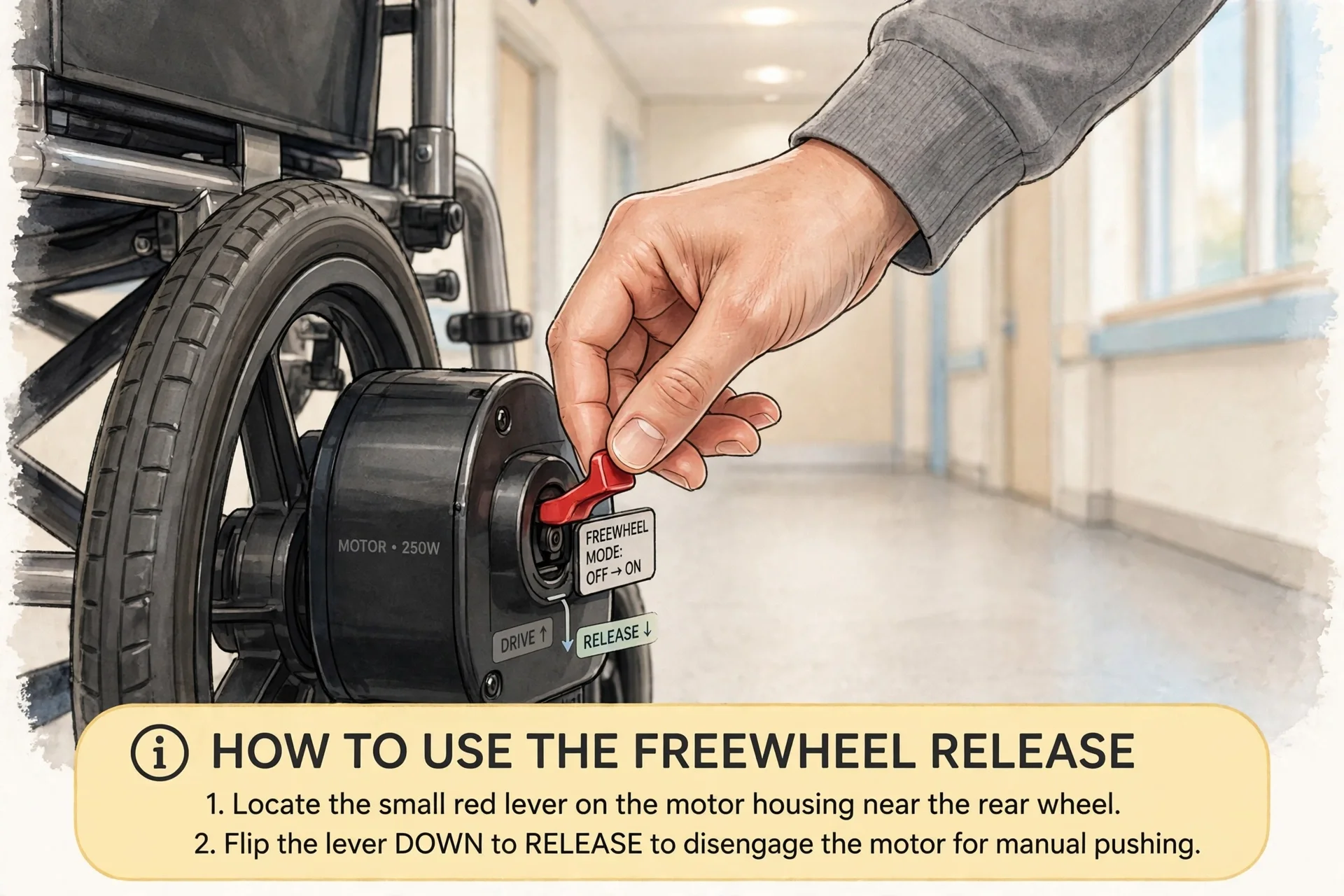
Freewheel mode disengages your power wheelchair's drive motors so a companion can push the chair manually — useful when the battery dies or the chair needs moving without power. You engage it with the freewheel levers on the motors, but while it is active the electromagnetic brakes are also disengaged, so the chair can roll freely. This guide explains what freewheel mode does, how to engage it on common chairs, and the safety rules manufacturers insist on.
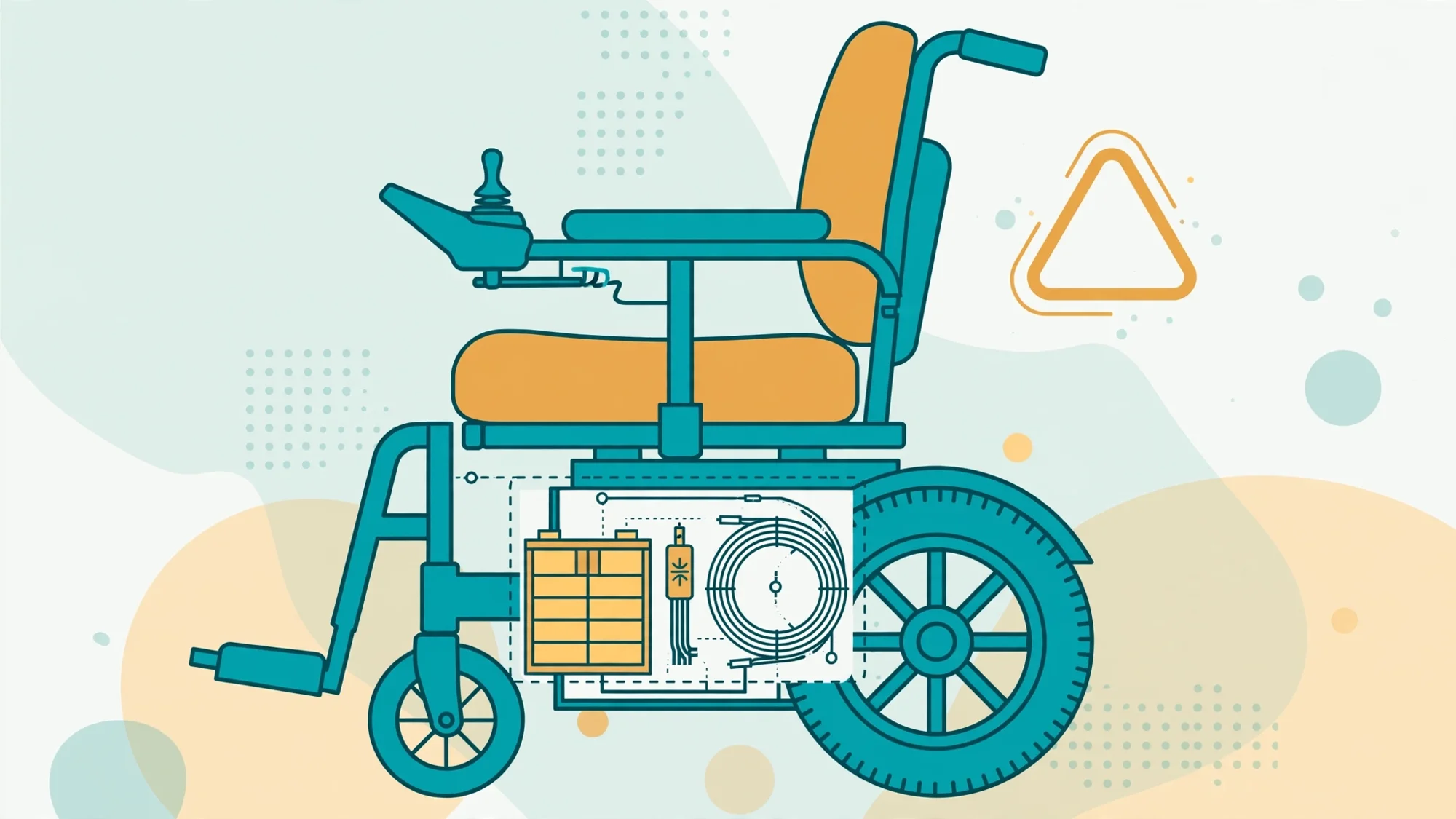
A fuse is the smallest, hardest-working part of your power wheelchair's electrics: it sacrifices itself to stop a short circuit from frying the control system or starting a fire. This guide explains where fuses sit, the warning signs that one has blown, and the rule every manufacturer agrees on — do not try to fix the electrics yourself. Learn to recognise the signs, make the safe basic checks, and call your authorised dealer for everything else.
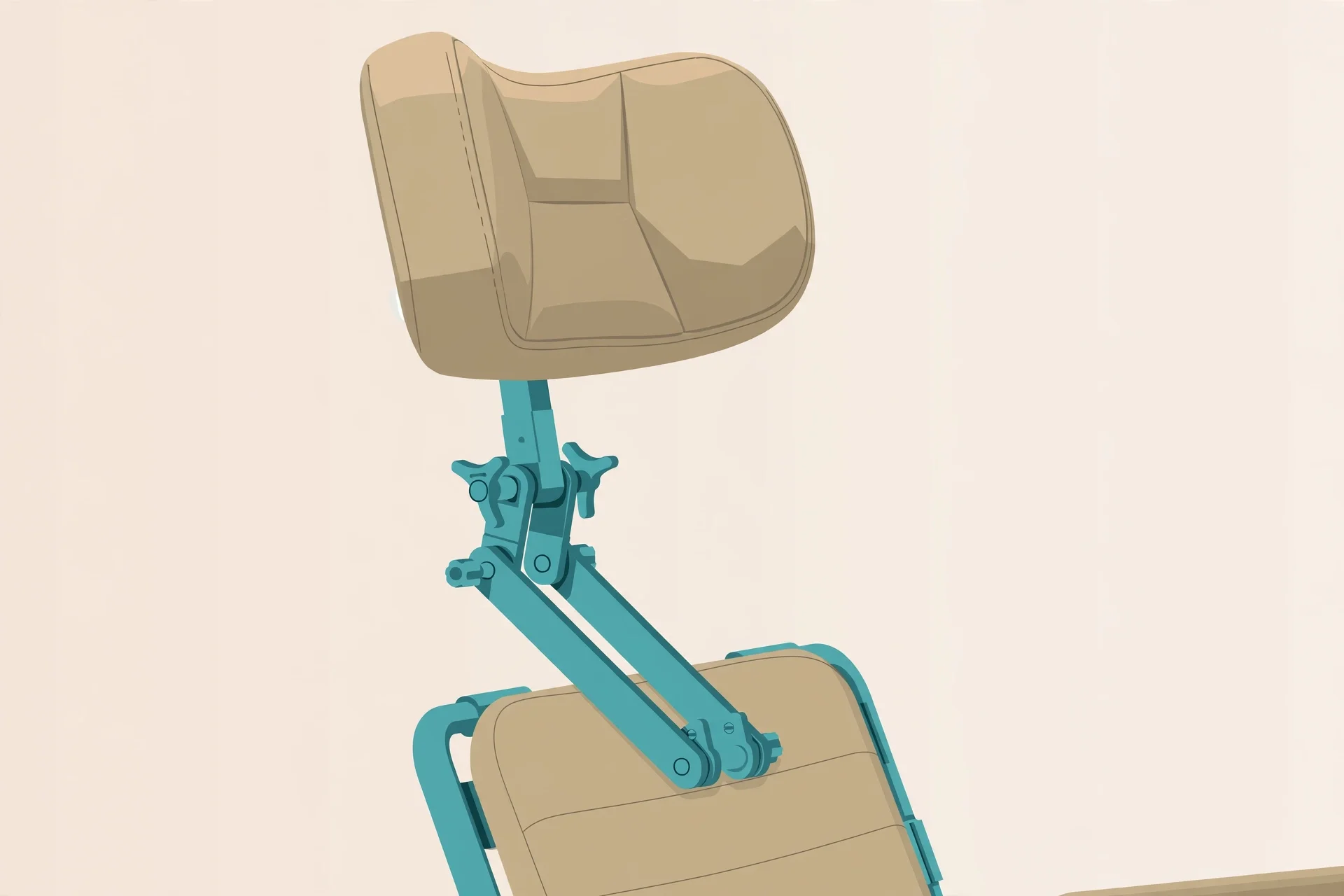
Most power wheelchair headrests adjust in three directions: height (up and down the backrest), depth (front to back) and angle (tilt of the pad). They come in several pad styles, from simple rectangular pads to shaped pads with side sections, and the exact hardware — handles, link arms or ball-and-socket mounts — depends on the seating system. This guide explains the types you will meet and how each adjustment works, based on manufacturer documentation from Sunrise Medical and Permobil.
A joystick that will not respond, drifts to one side, or throws up error codes can leave you stranded at the worst moment. Before you call a technician, work through these checks in order — many common joystick problems are resolved in minutes with no tools at all. Stop immediately and get professional help if anything looks damaged, smells hot, or keeps failing after a restart.
A power wheelchair stays safe and reliable through short, regular checks rather than occasional overhauls. Manufacturers such as Permobil structure maintenance into daily, weekly, monthly, and annual tasks — from checking the battery level indicator and joystick before each day's use to a full dealer inspection once a year. This guide collects those checks into one routine, with battery-care tips from Sunrise Medical and cleaning guidance from Permobil, so you know what to look at, when — and when to call your dealer instead.
Your power wheelchair's speed selector only reaches part of the story — the deeper speed, acceleration, and braking behavior is set by your dealer's programming, not your controller. This guide explains what the speed knob and drive profiles on your controller actually control, what dealer programming changes behind the scenes, and when it is time to book a reprogramming appointment instead of reaching for the speed dial.
Keep the chair folded or slimmed down, parked indoors near a power outlet, dry and clear of doorways — that is the whole game for storing a power wheelchair in a small home. This guide shows how to shrink the footprint, protect the battery, and keep the chair ready to roll, using the storage rules straight from manufacturer manuals.
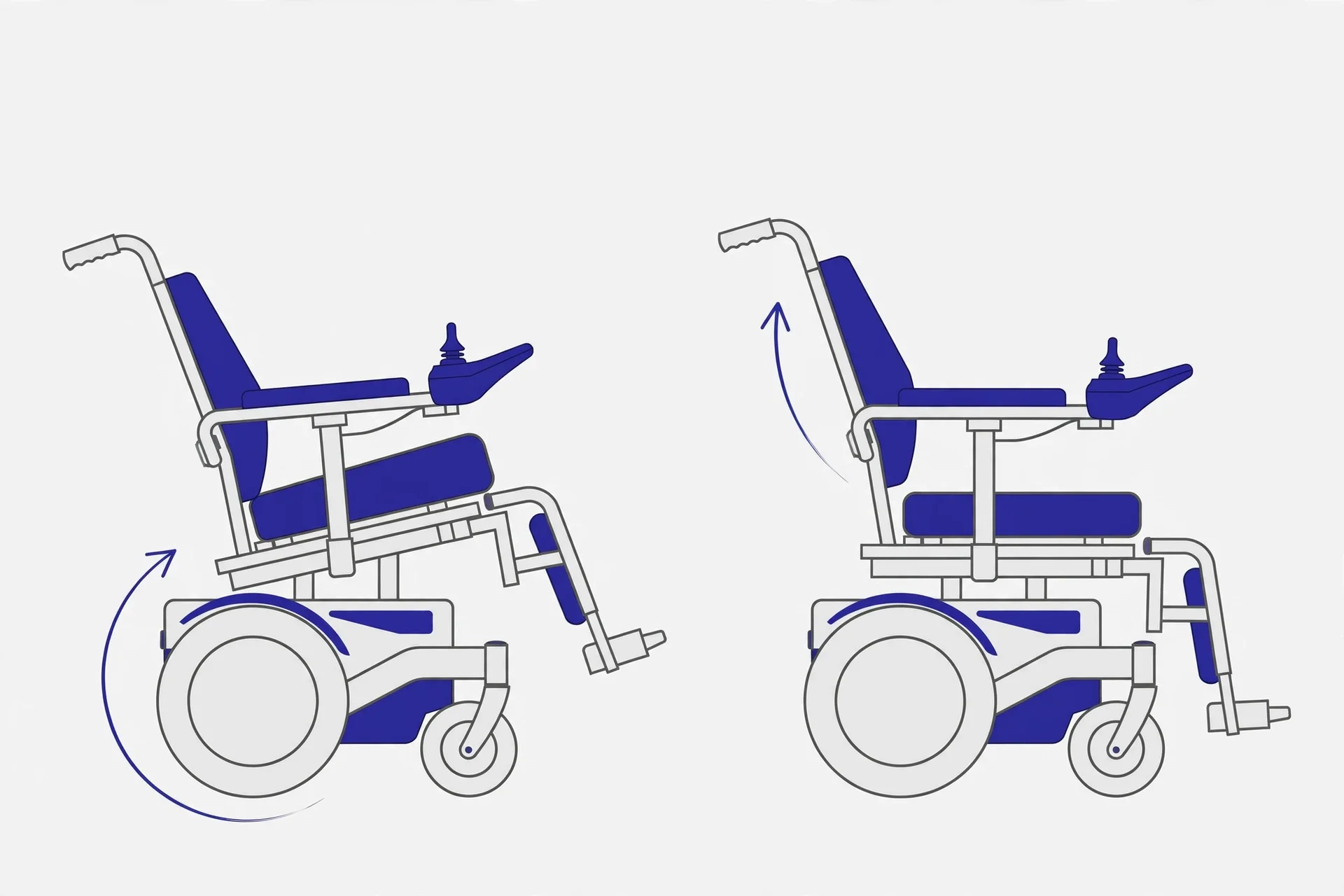
Tilt and recline both move a power wheelchair's seat, but in different ways: tilt tips the whole seat back as one unit while keeping the angle between the seat and backrest fixed, while recline opens the backrest backward and leaves the seat base flat. This guide explains each function, compares them side by side, and helps you decide which — or both — fits your daily life.
Ask how an alert is triggered, who receives it, which connection it needs and how delivery is confirmed. An SOS label alone does not establish a monitored emergency service.
Allow optional first-party analytics to understand page visits, clicks and approximate visitor countries. We do not collect search text, form entries or precise location. Privacy and choices