POWERCHAIR · MODEL DETAILS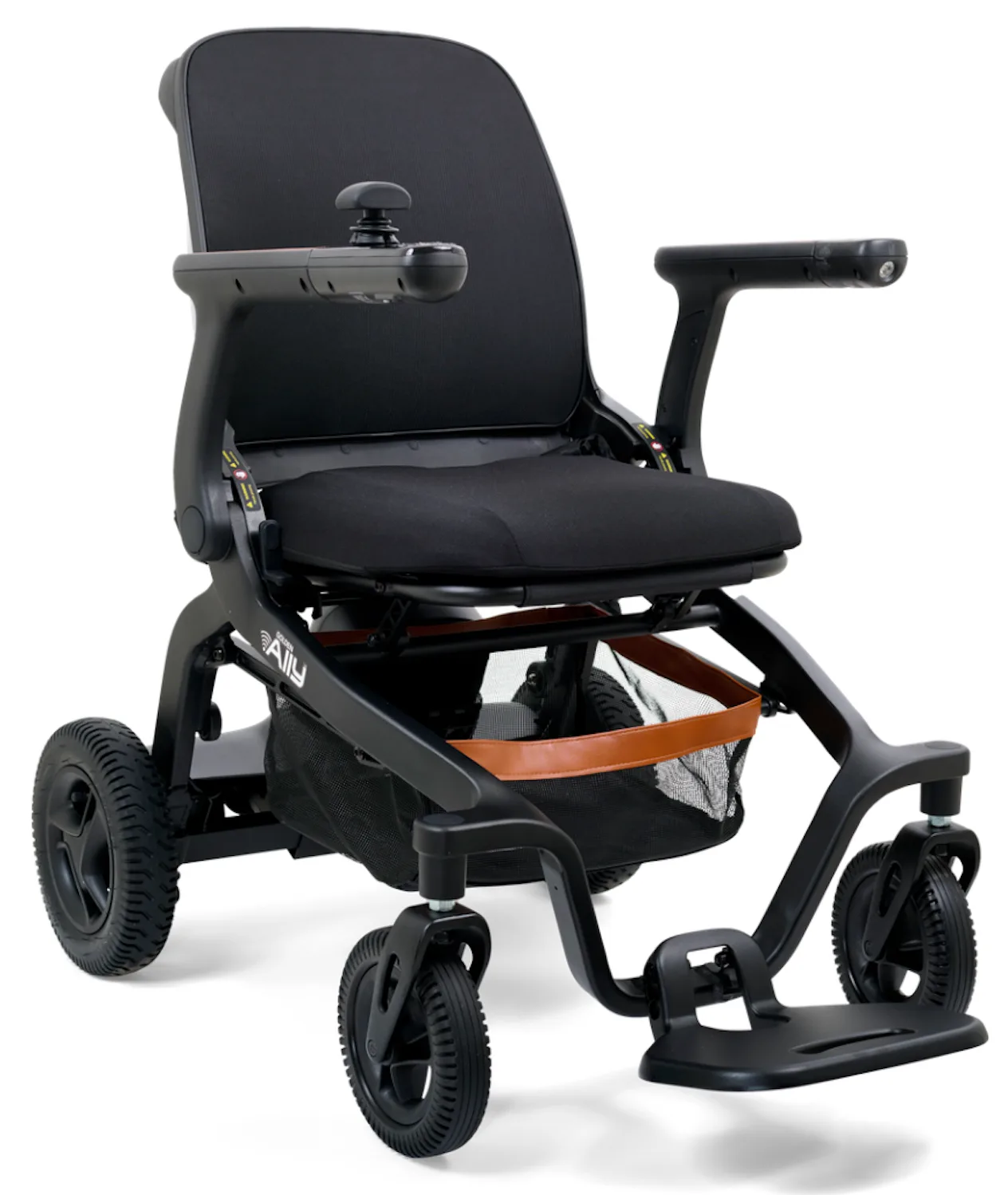
RobooterExplore this chair
E80
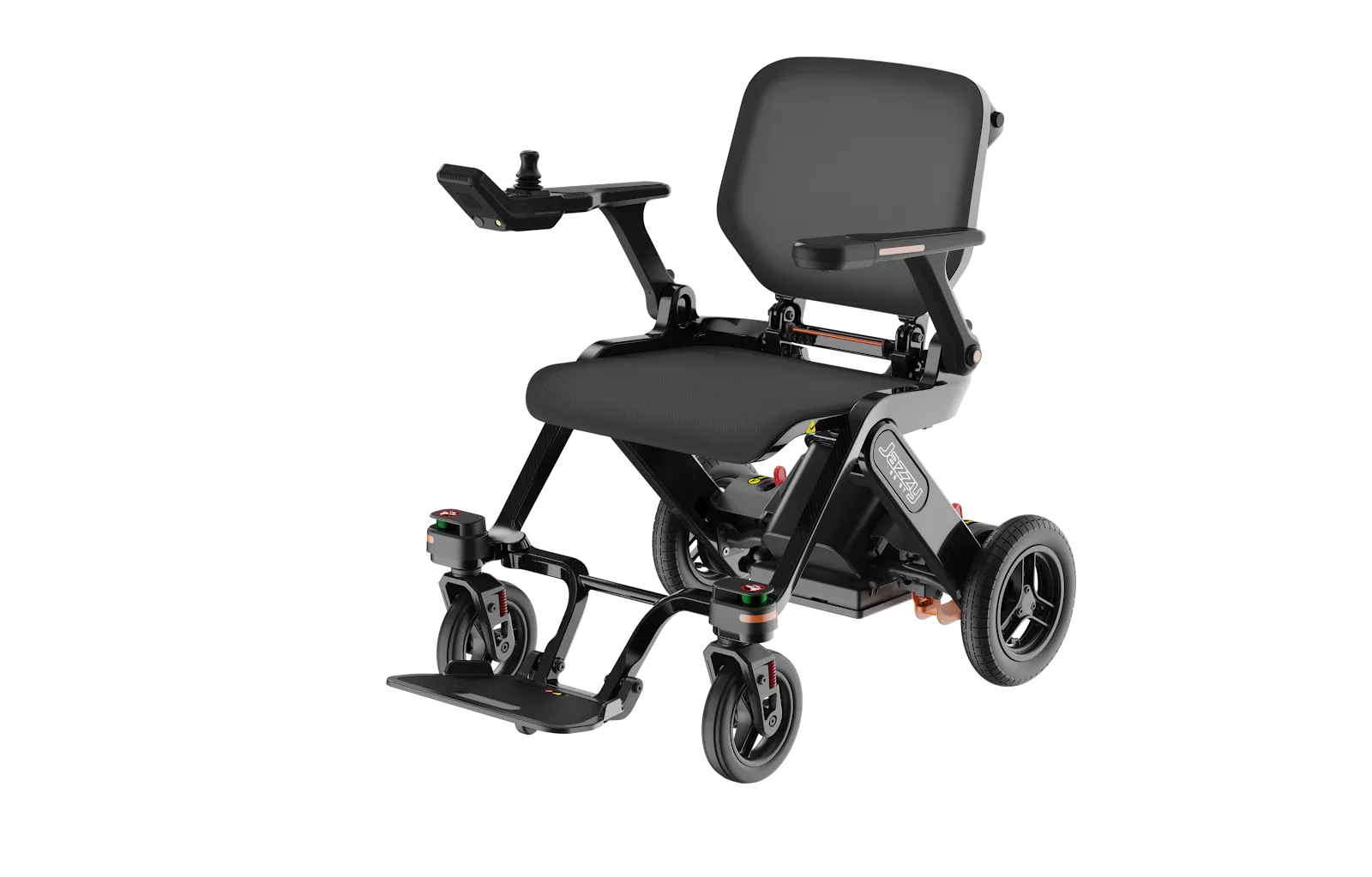
A carbon-fibre design with a 16.2 kg weight without battery.
42.2 lbs/19.1 kg (12 Ah)Complete weight
27”/68.58 cmFolded dimensions

Think about the places you go and the things you do. Explore the options at your own pace.
Compare the folded package, battery configuration and complete weight before planning transport.
Use the weight of the configuration you will actually lift. Different battery options can change the total.
Measure the boot opening as well as the space inside. Compare folded length, width and height; allow room to grip and position the chair.
Capacity, number of batteries and removability all matter. For transport, obtain the exact battery documentation and carrier requirements.
A carbon-fibre design with a 16.2 kg weight without battery.
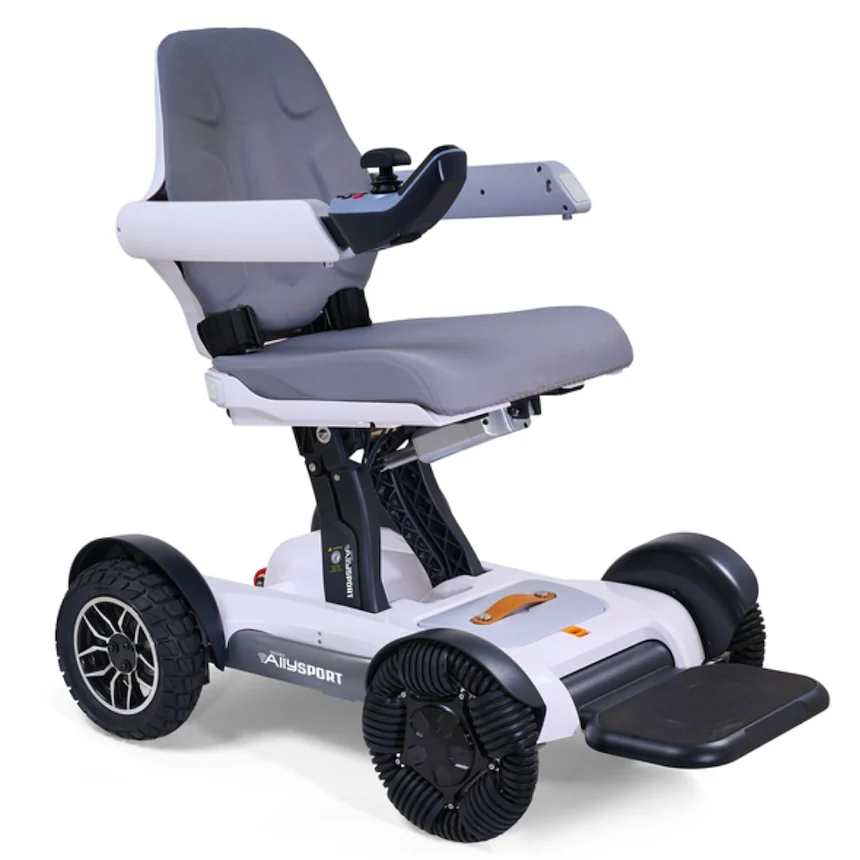
A folding powerchair. Seat width: 16". Turning radius: 30.00".
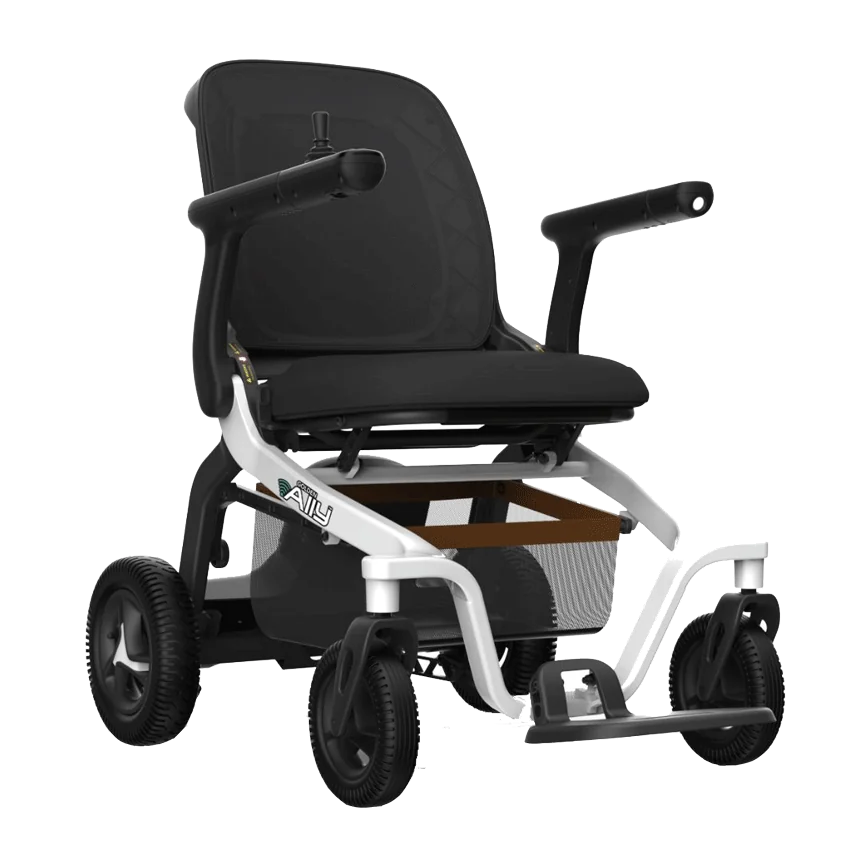
A folding powerchair. Seat width: 17". Turning radius: 28.5".
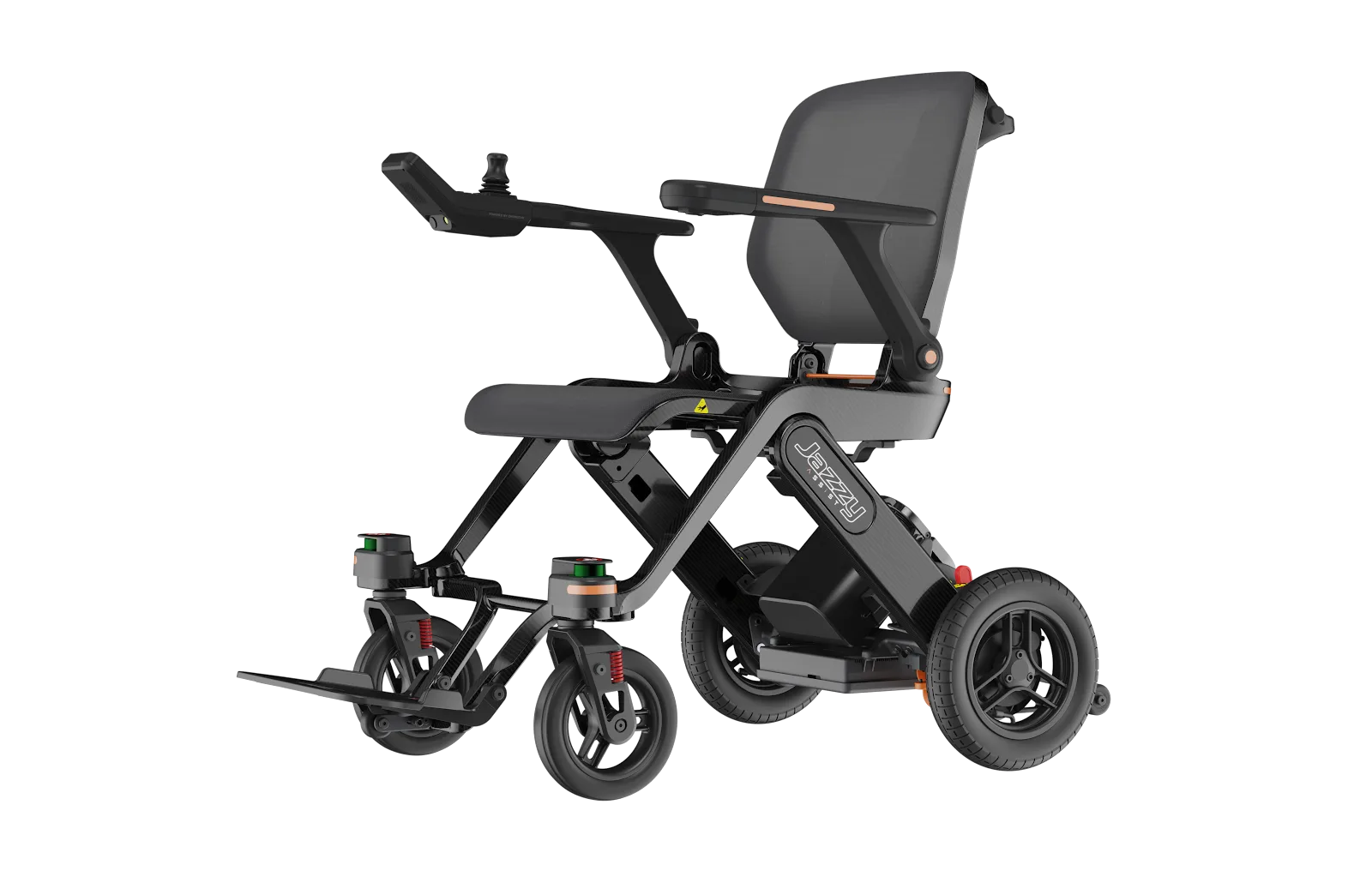
A carbon-fibre folding chair, designed around everyday independence.
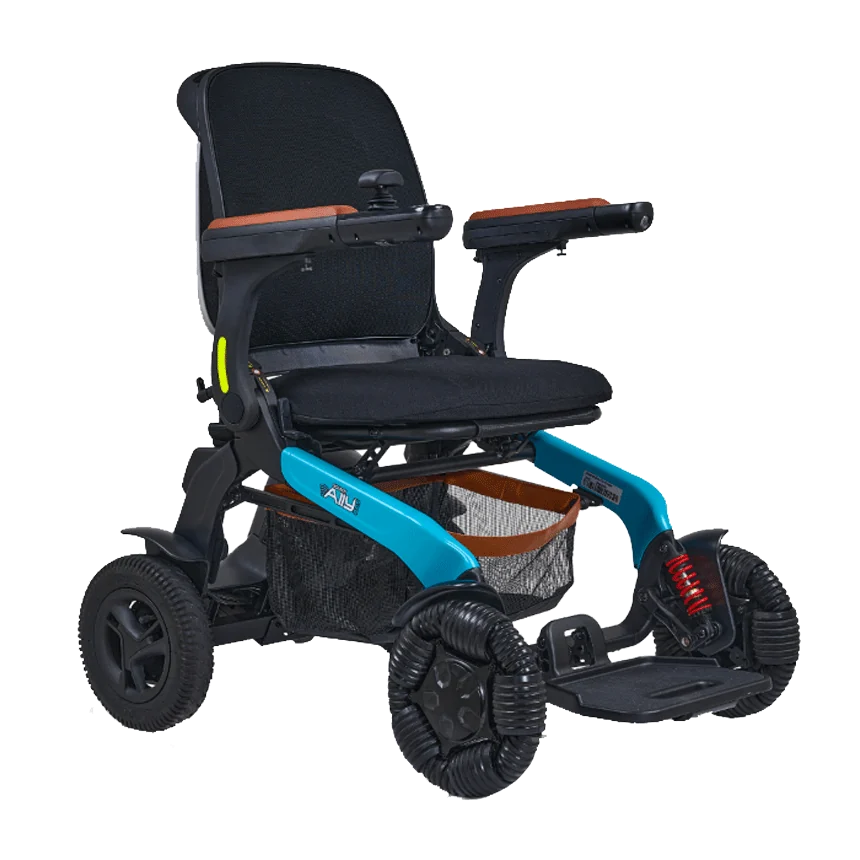
A folding powerchair. Seat width: 17". Turning radius: 37.00".
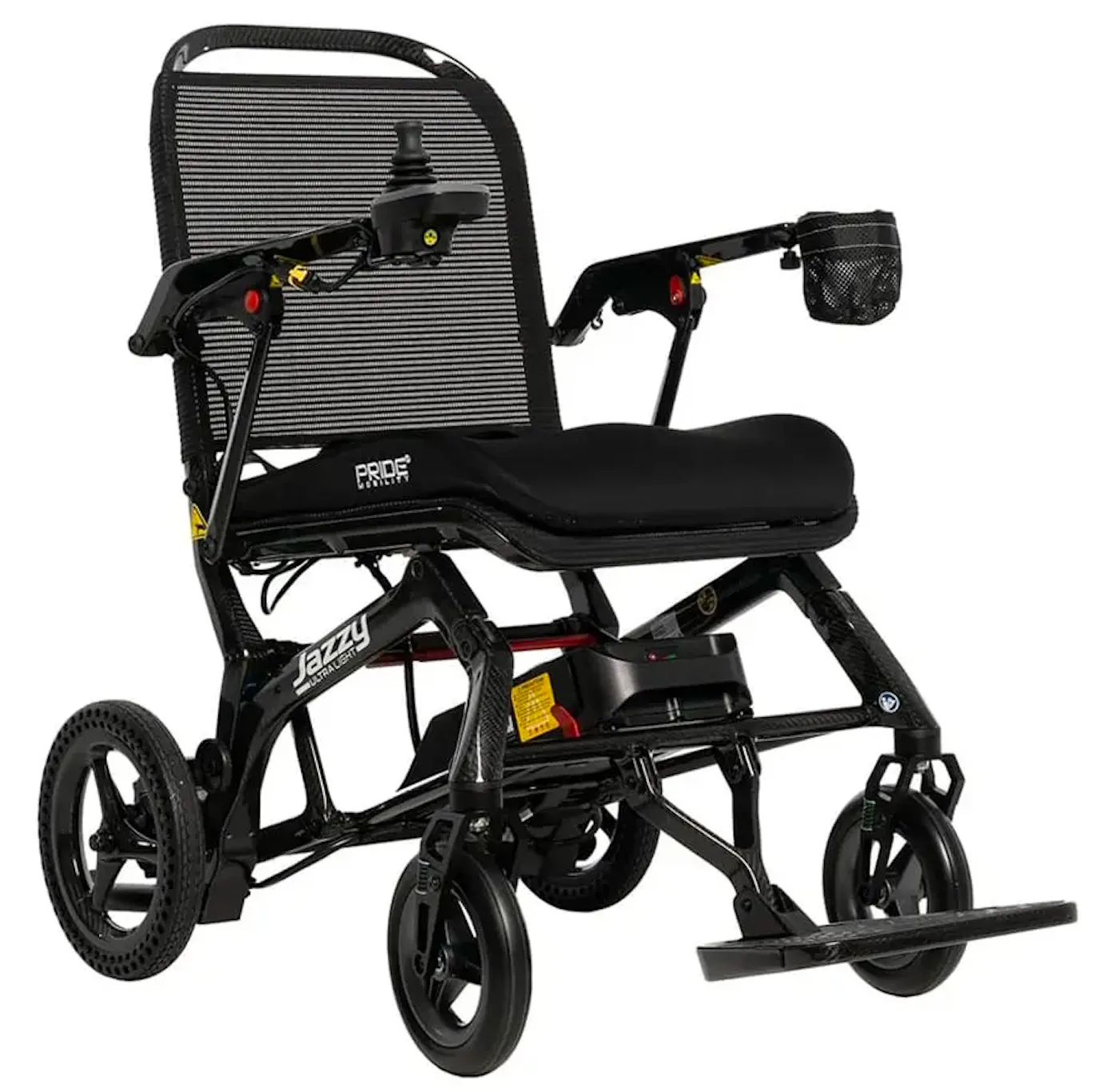
A carbon-fibre frame with two battery configurations to consider.
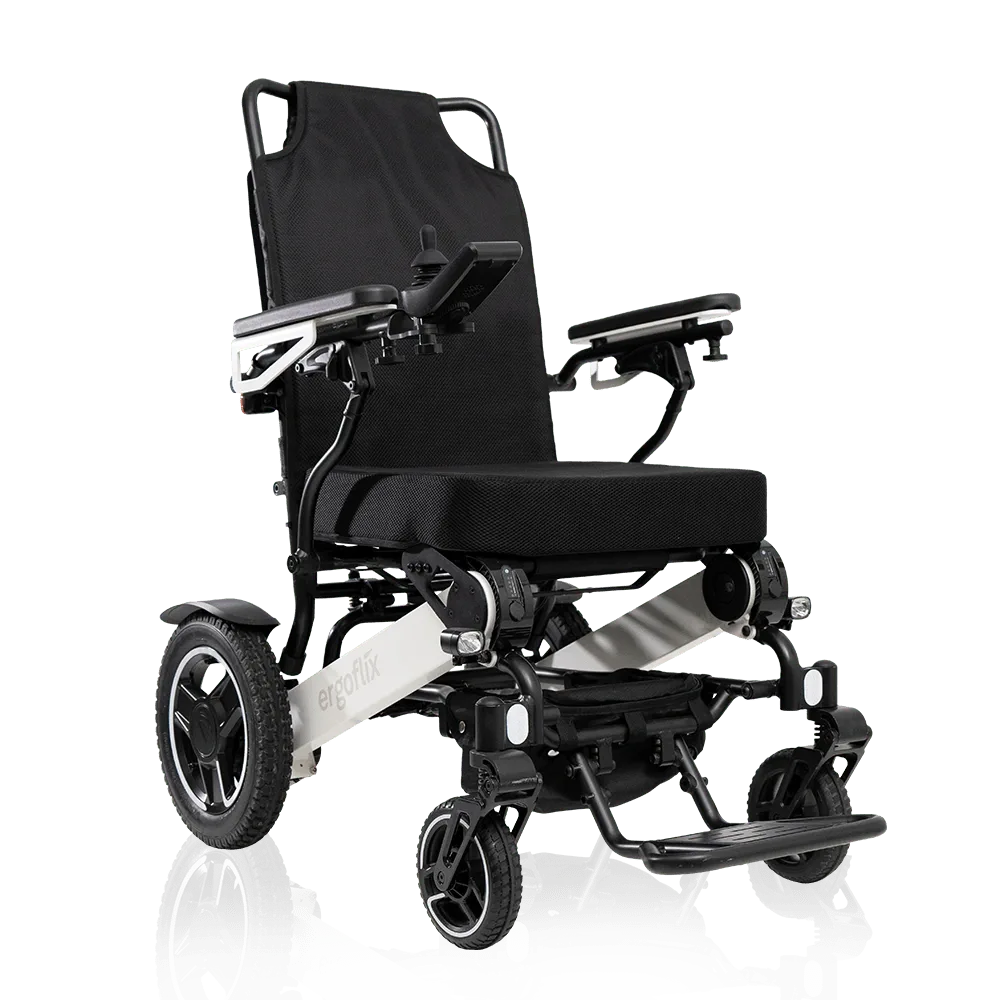
A folding aluminium design with a dual-battery configuration.
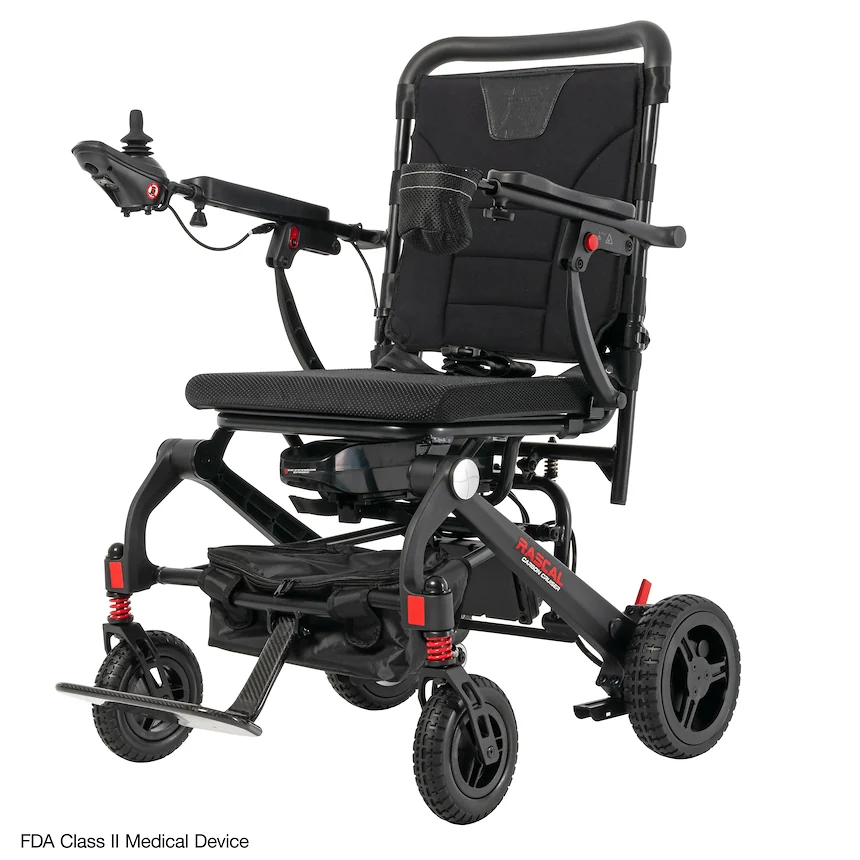
A folding powerchair. Seat width: 17". Turning radius: 31.00".
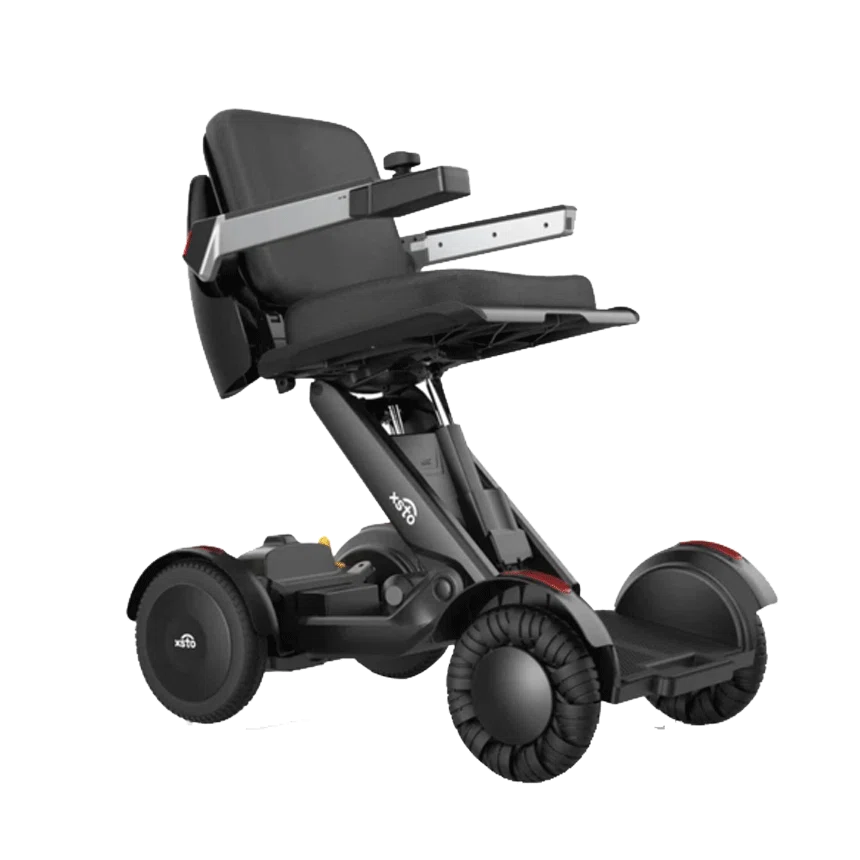
A powerchair with a disassembling transport configuration. Seat width: 17". Turning radius: 30.7".
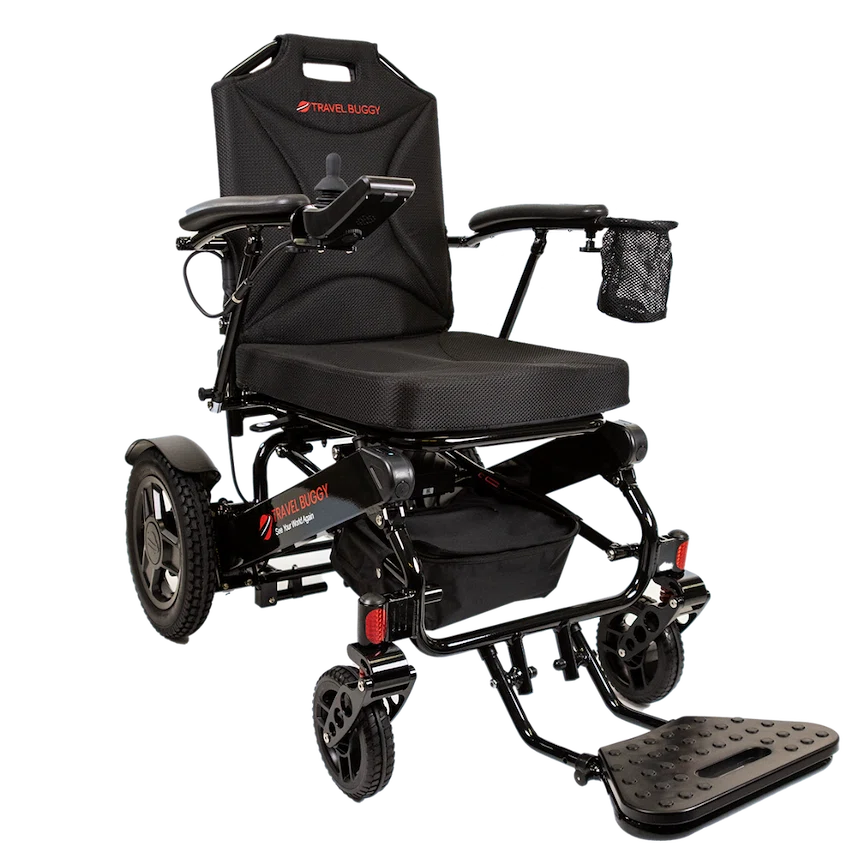
A folding powerchair. Seat width: 19". Turning radius: 26.00".
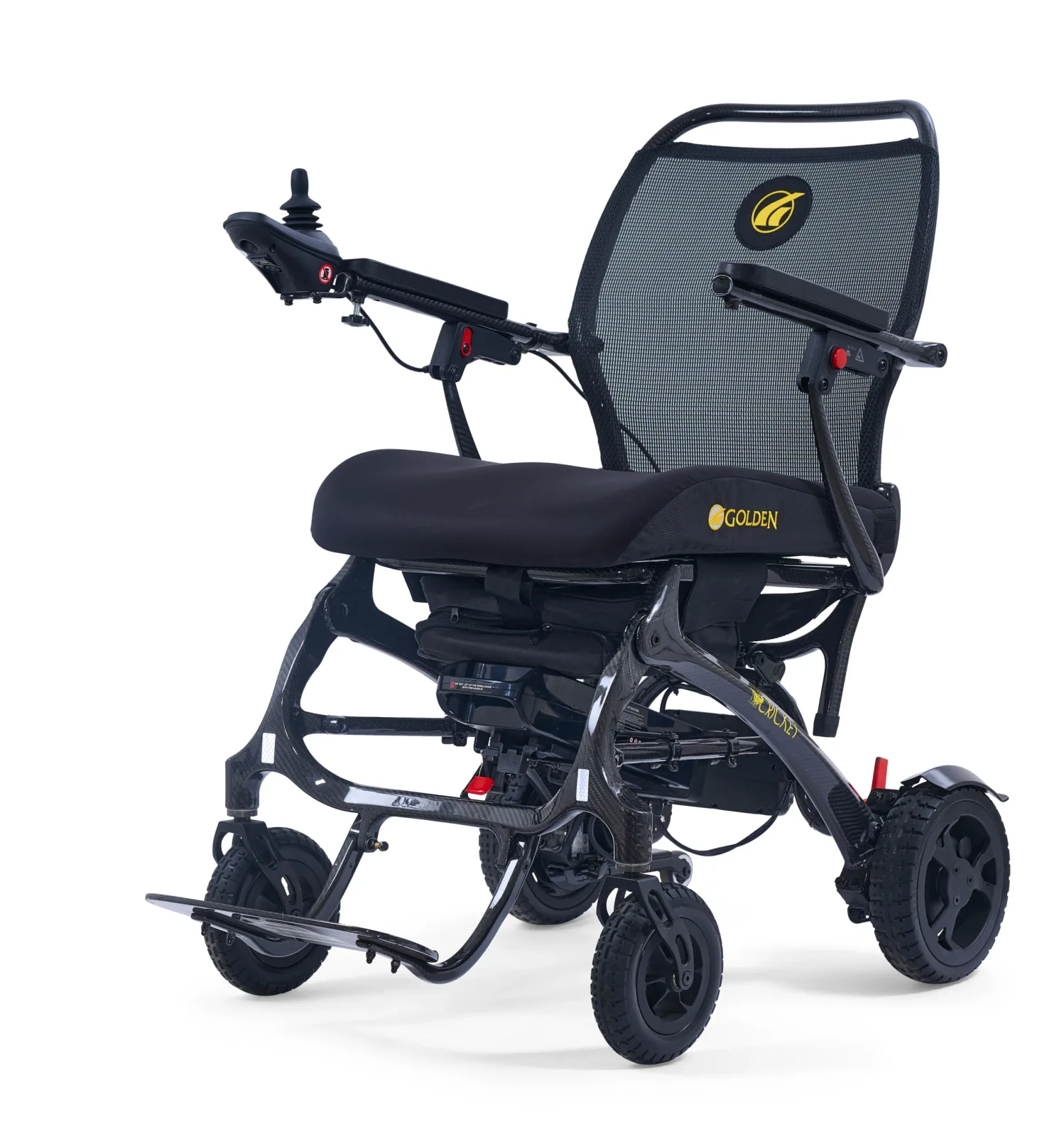
A carbon-fibre folding chair with a compact turning radius.
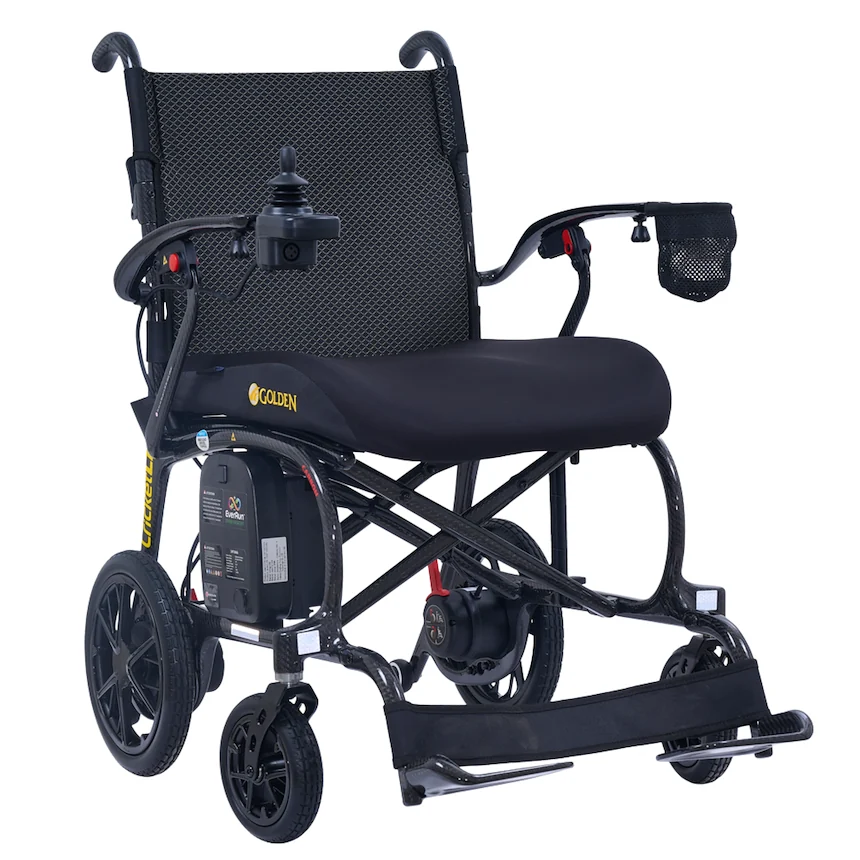
A folding powerchair. Seat width: 18". Turning radius: 29.5".
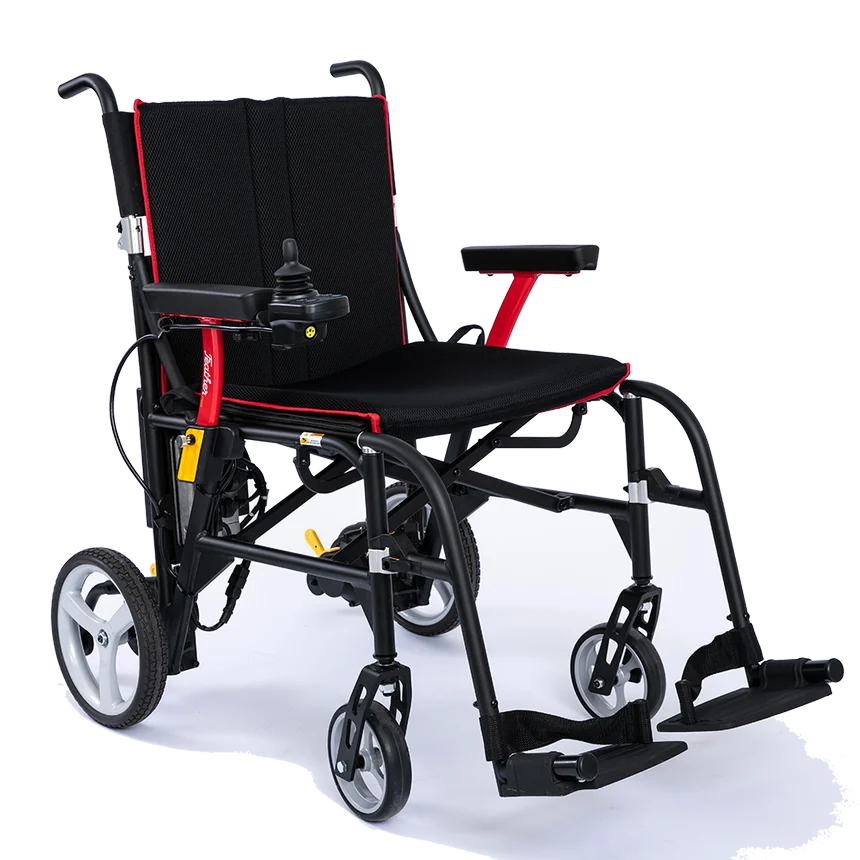
A folding powerchair. Seat width: 18". Turning radius: 48.00".
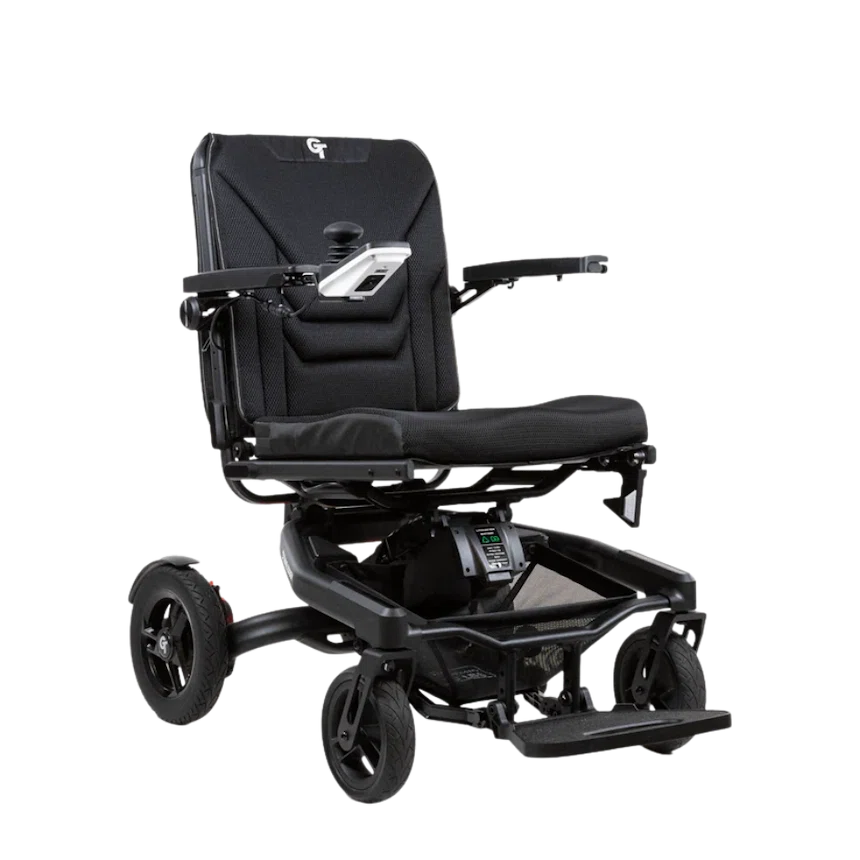
A folding powerchair. Seat width: 18". Turning radius: 25.00".
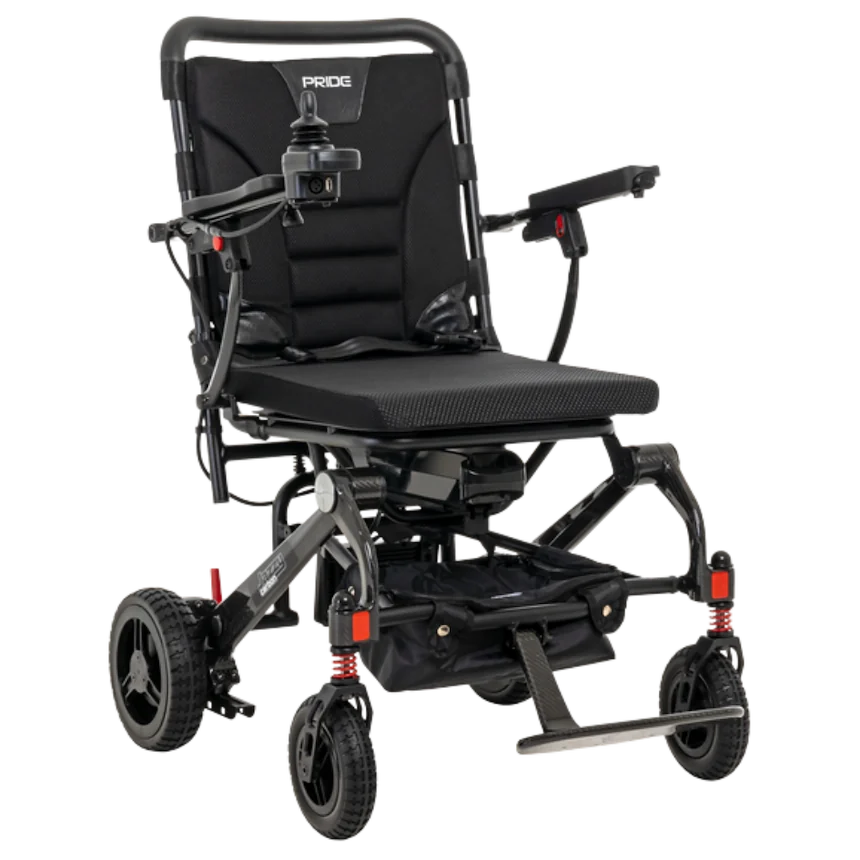
A folding powerchair. Seat width: 17". Turning radius: 24.00".
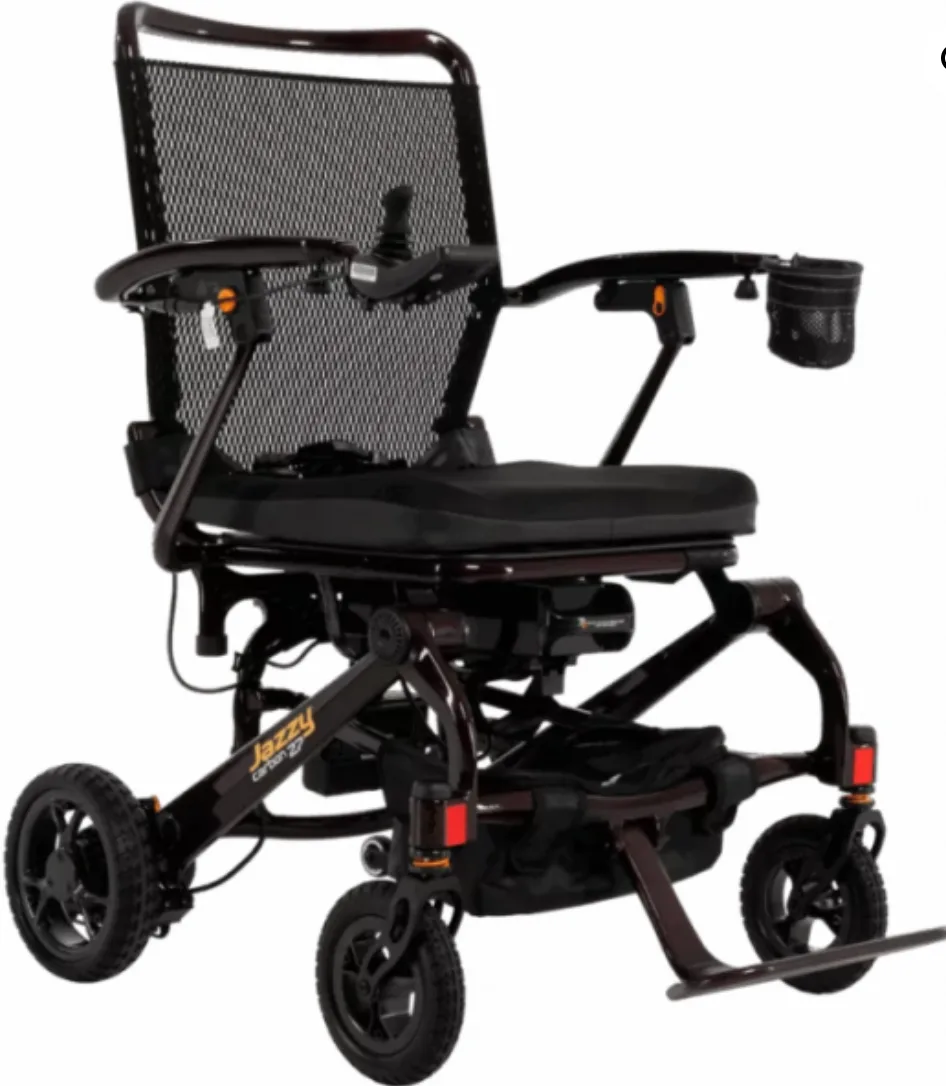
Compact carbon-fibre mobility with a 136 kg capacity.
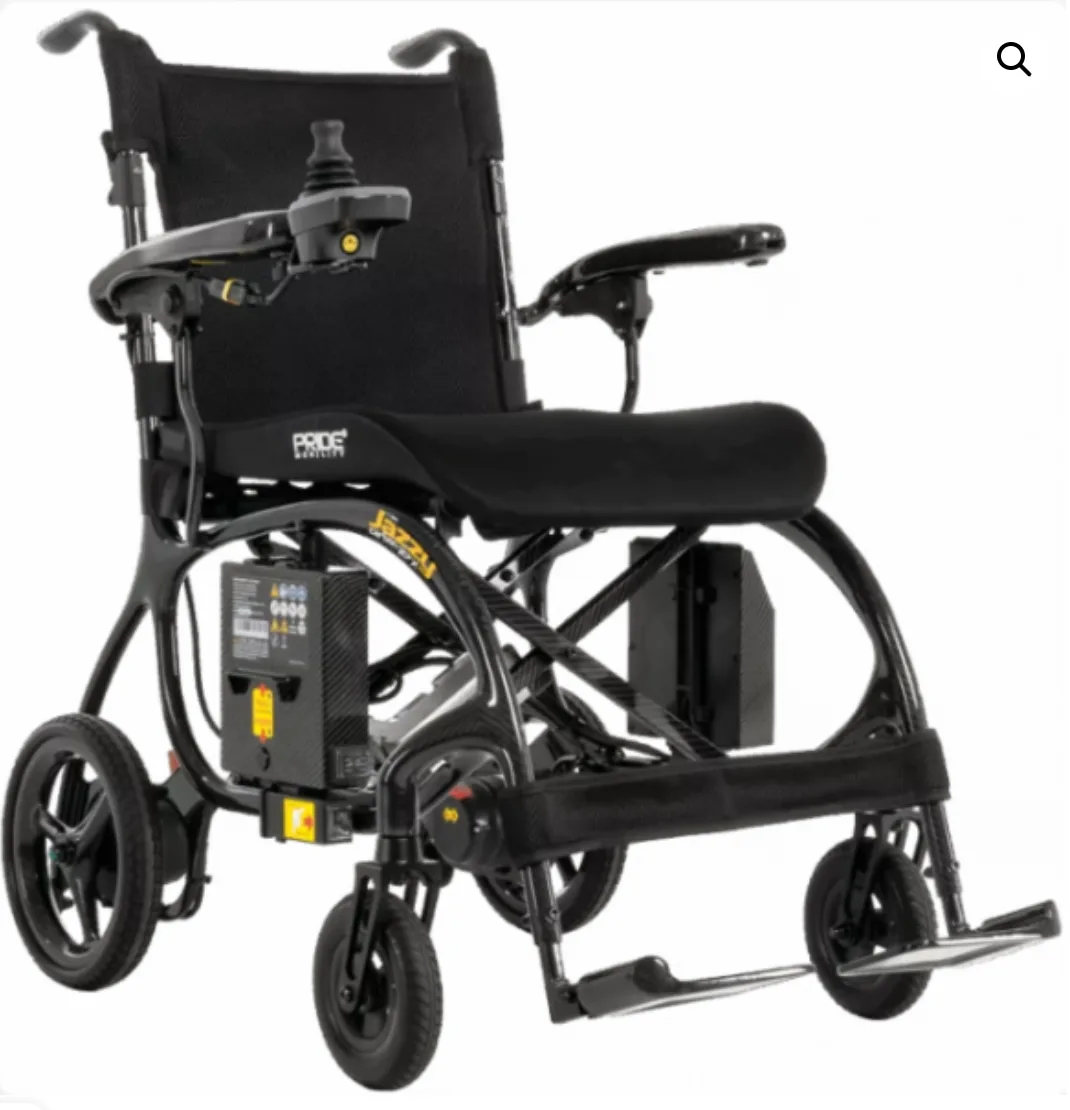
An X-frame design with a 12.5 kg weight without battery.
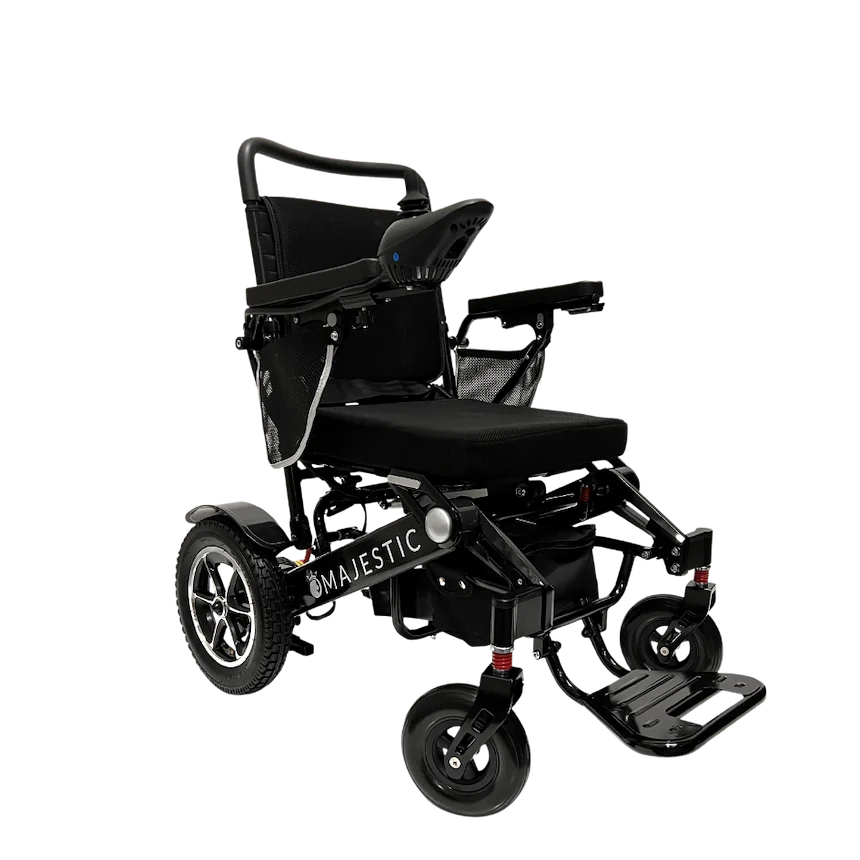
A folding powerchair. Seat width: 20". Turning radius: 62.5".
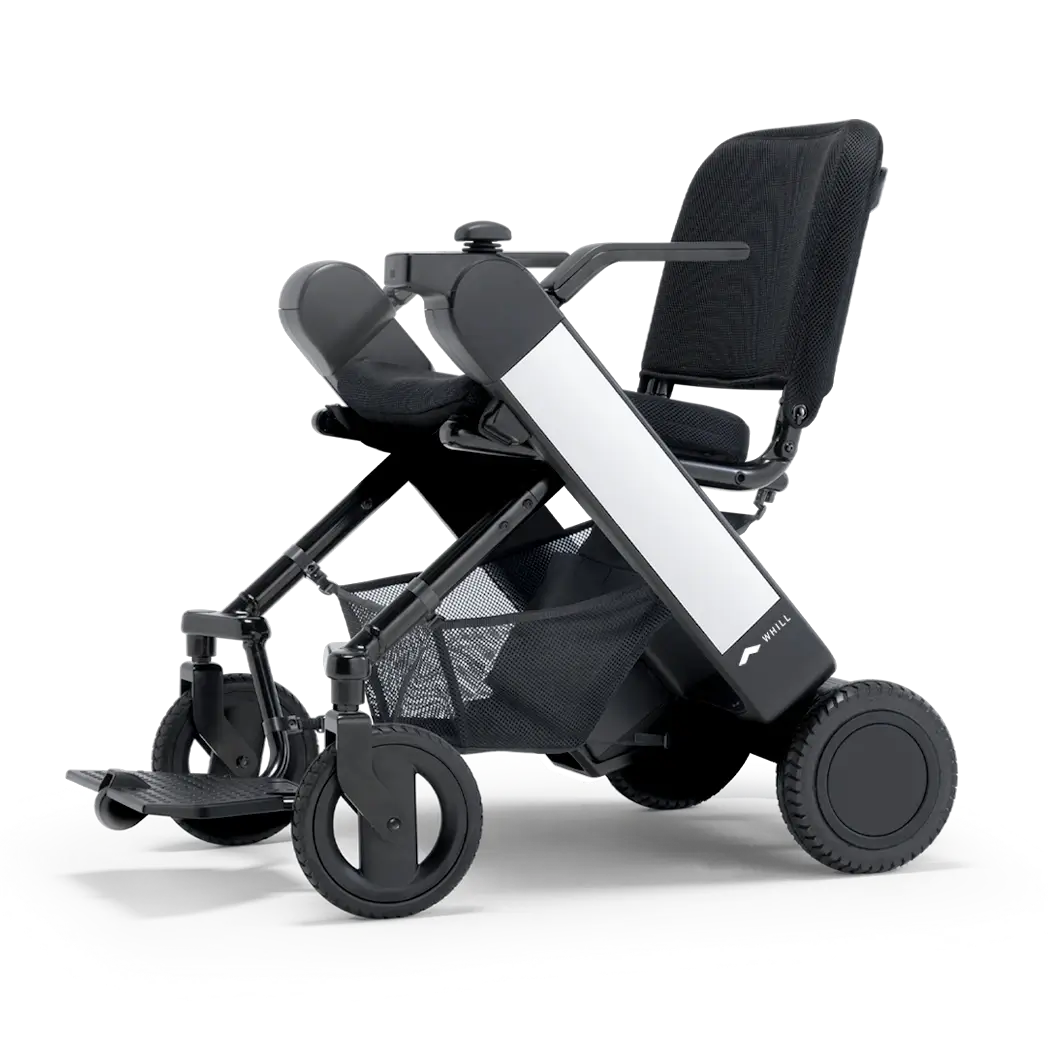
A folding aluminium design with adjustable armrest positions.
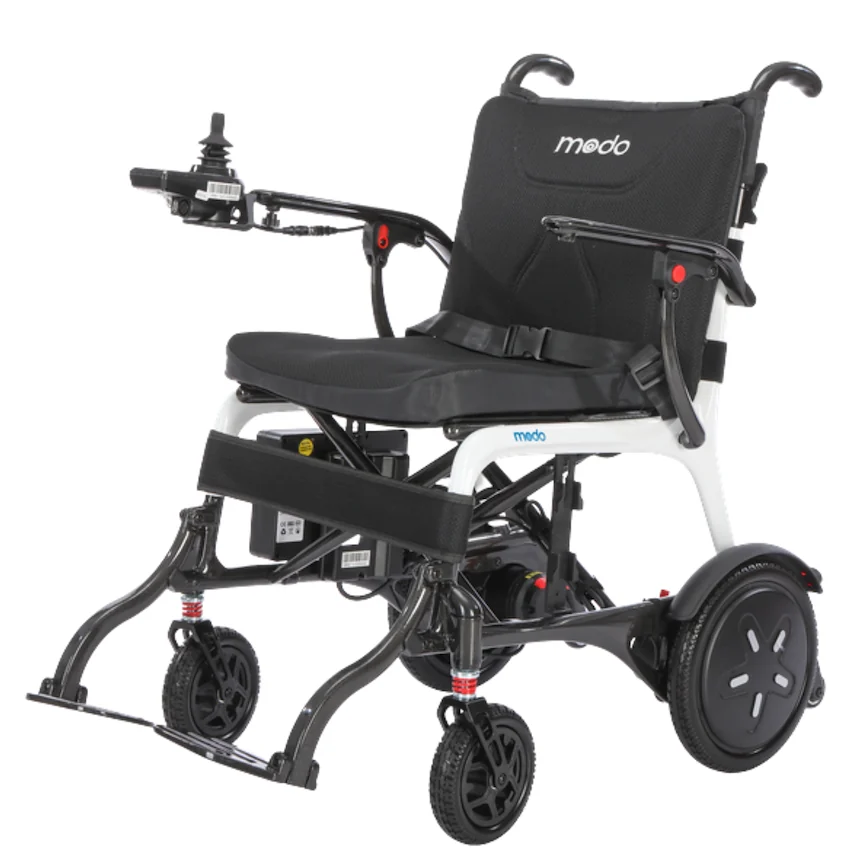
A folding powerchair. Seat width: 18".
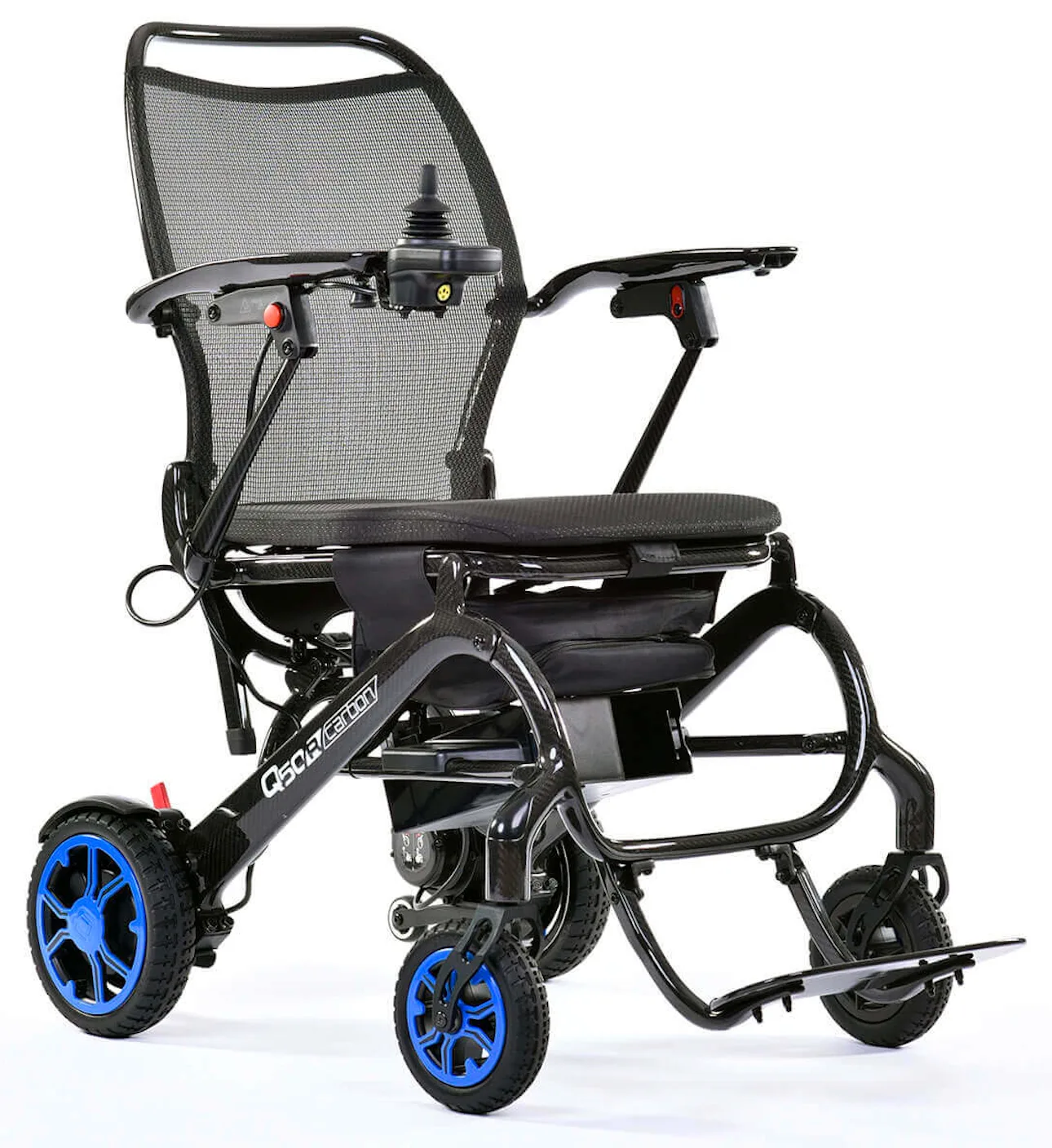
A folding carbon-fibre model with one- or two-battery configurations.
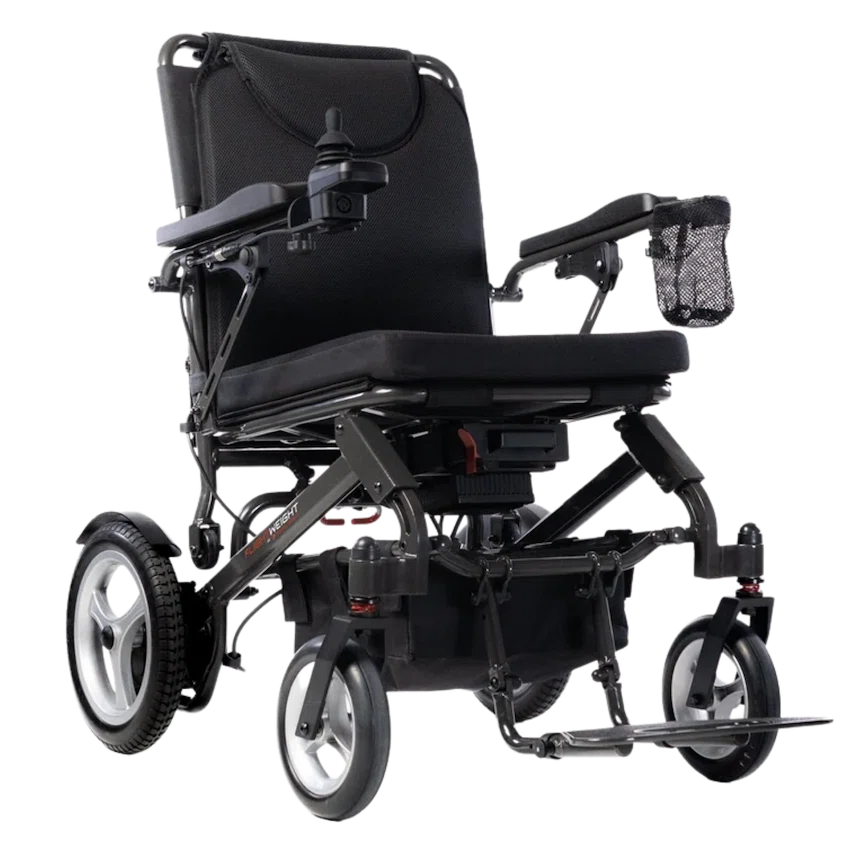
A folding powerchair. Seat width: 17.5". Turning radius: 24.00".
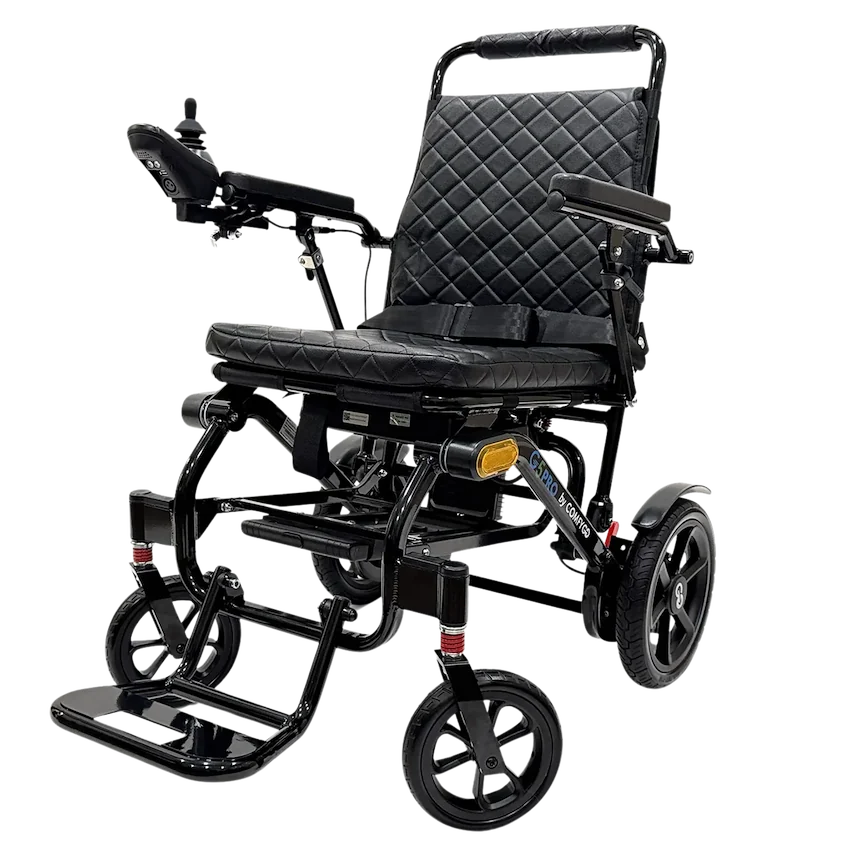
A folding powerchair. Seat width: 18.5".
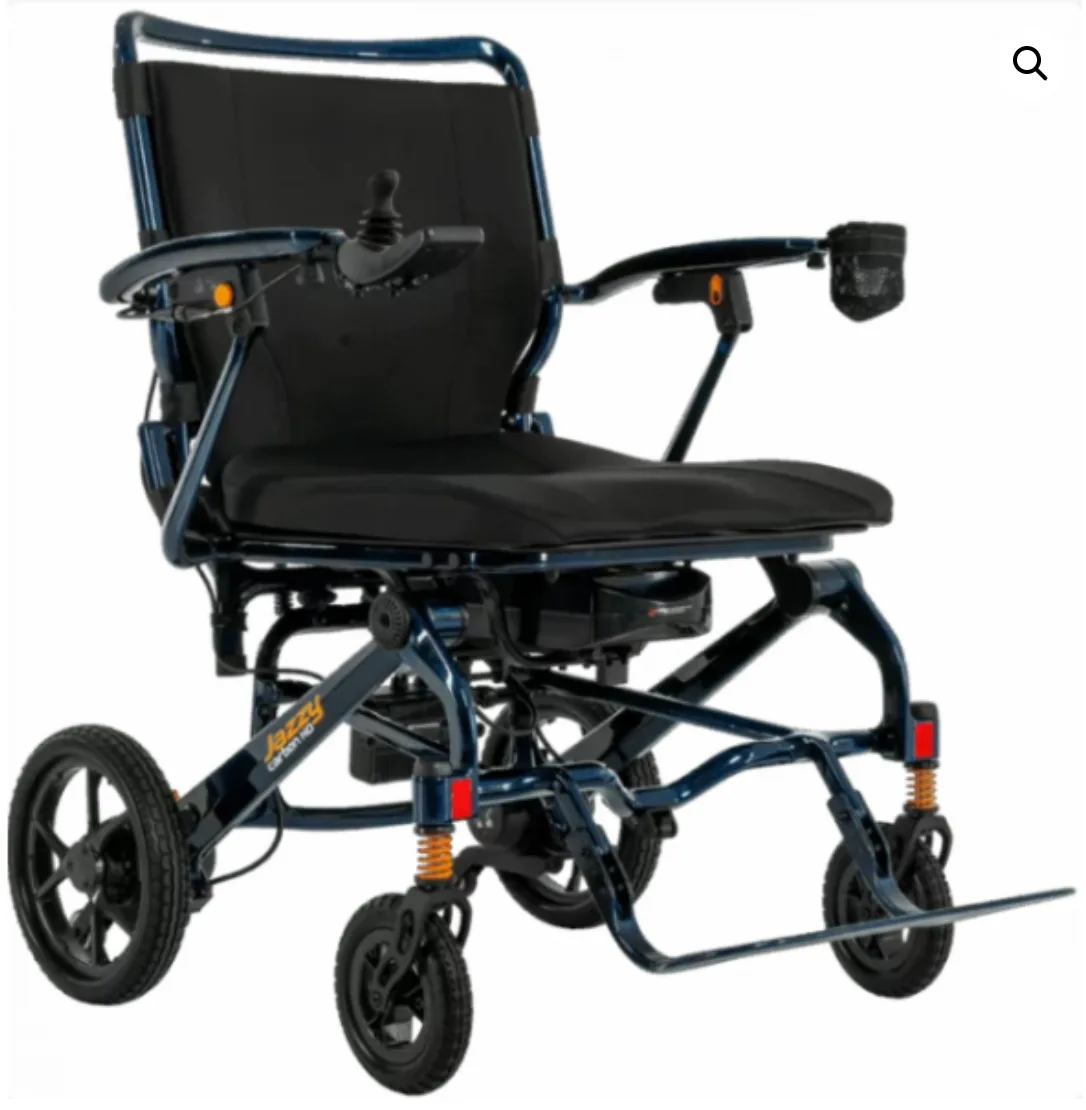
A wider-seat carbon-fibre option with a higher capacity.
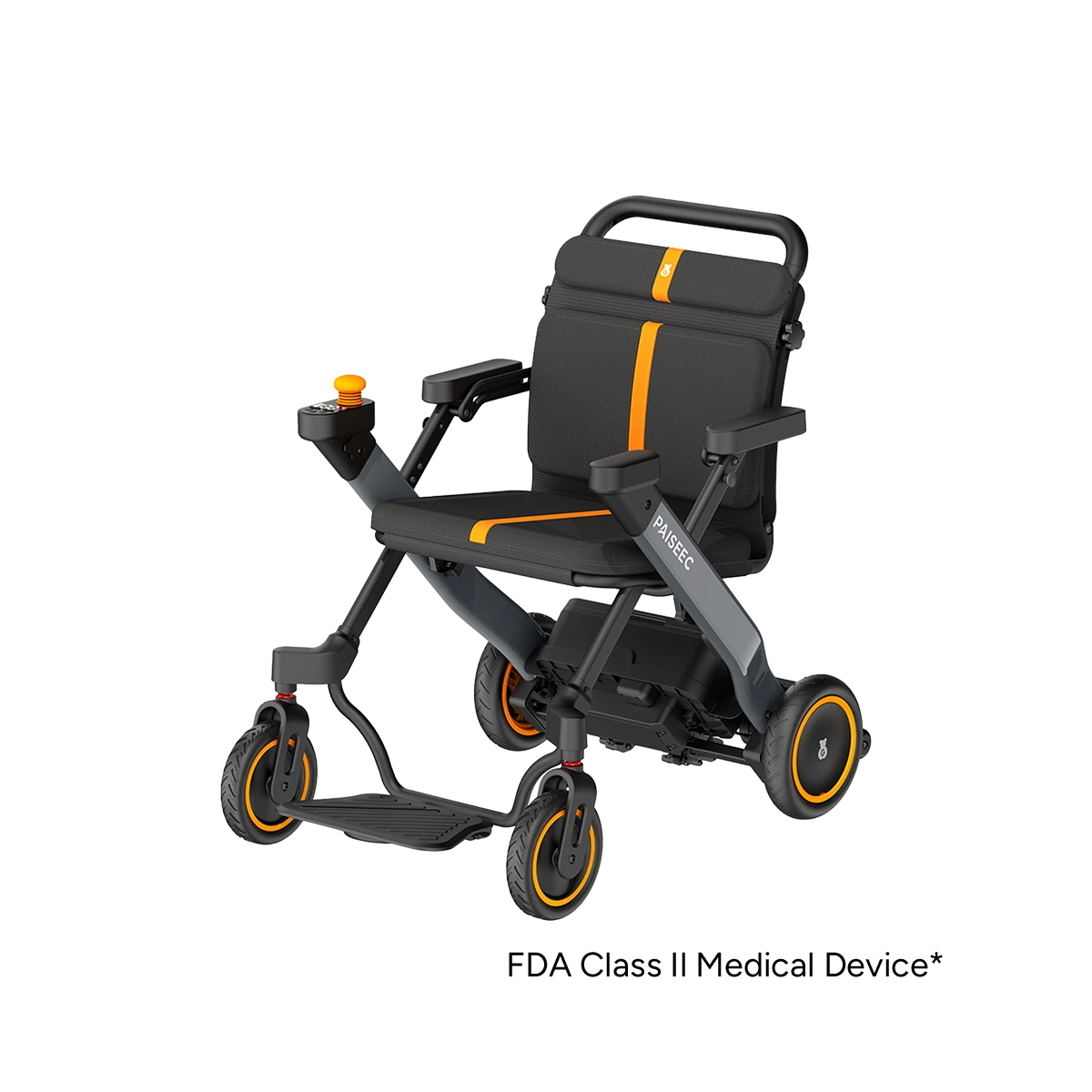
An aluminium folding model with a 12 Ah battery configuration.
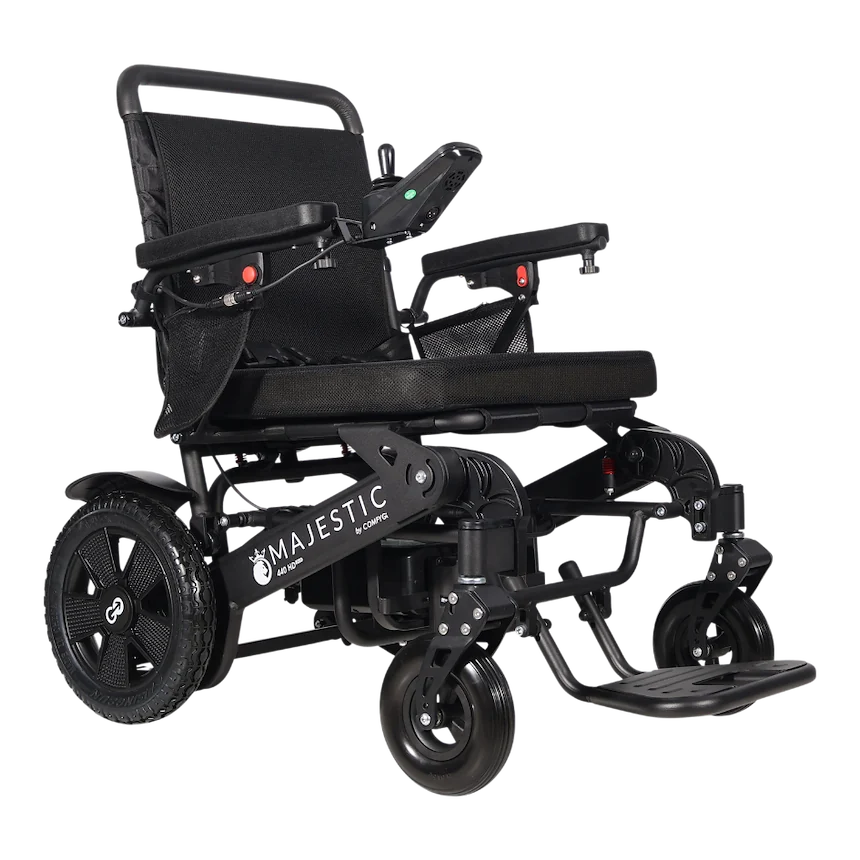
A folding powerchair. Seat width: 20". Turning radius: 62.5".
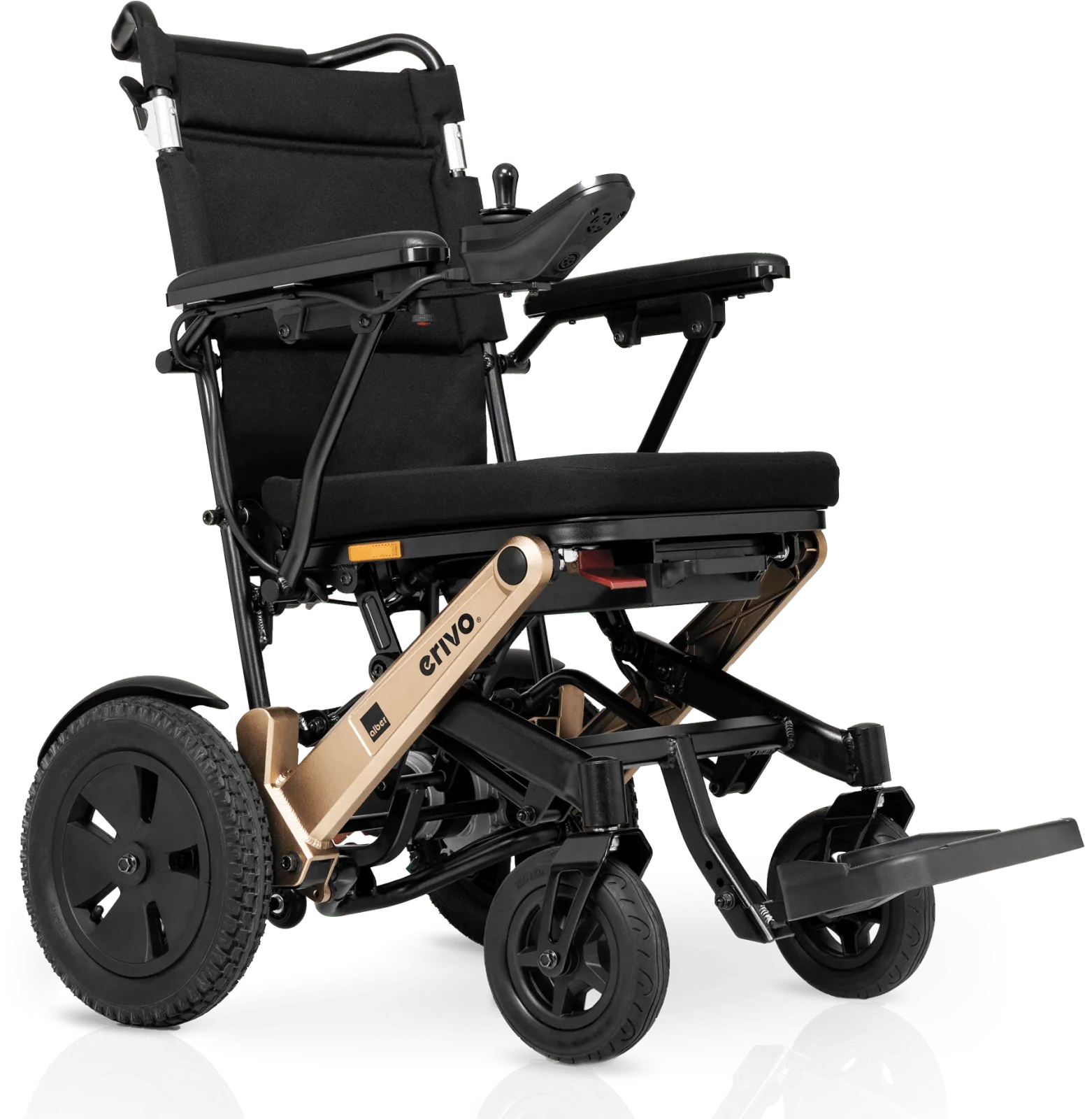
An aluminium folding powerchair with an 11 Ah battery.
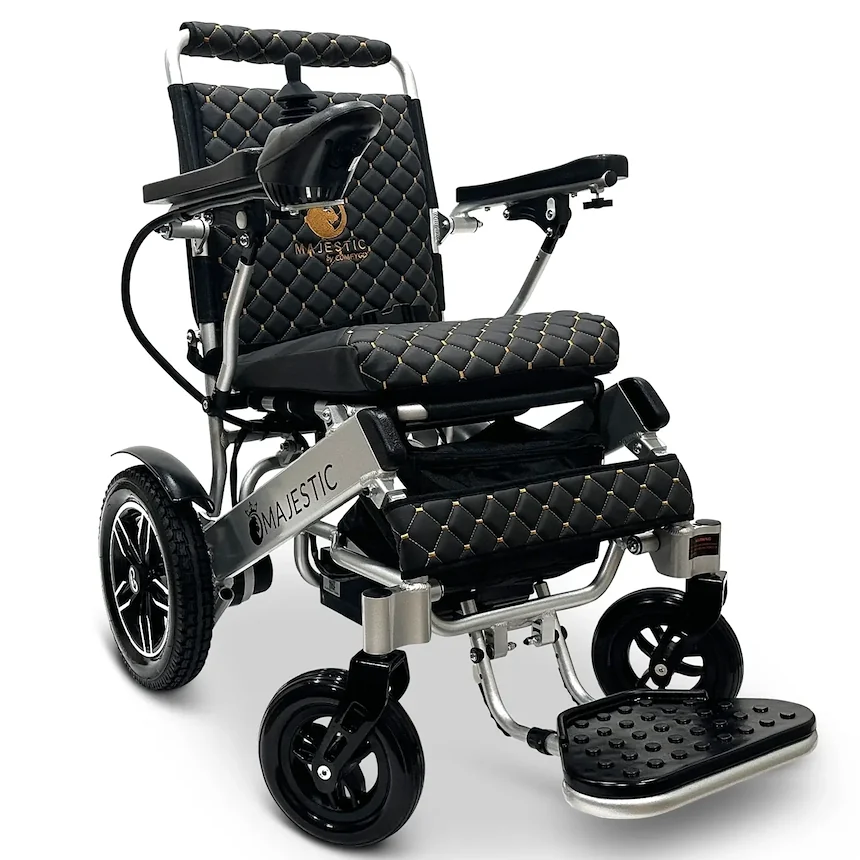
A folding powerchair. Seat width: 17.5" / 20". Turning radius: 47.00".
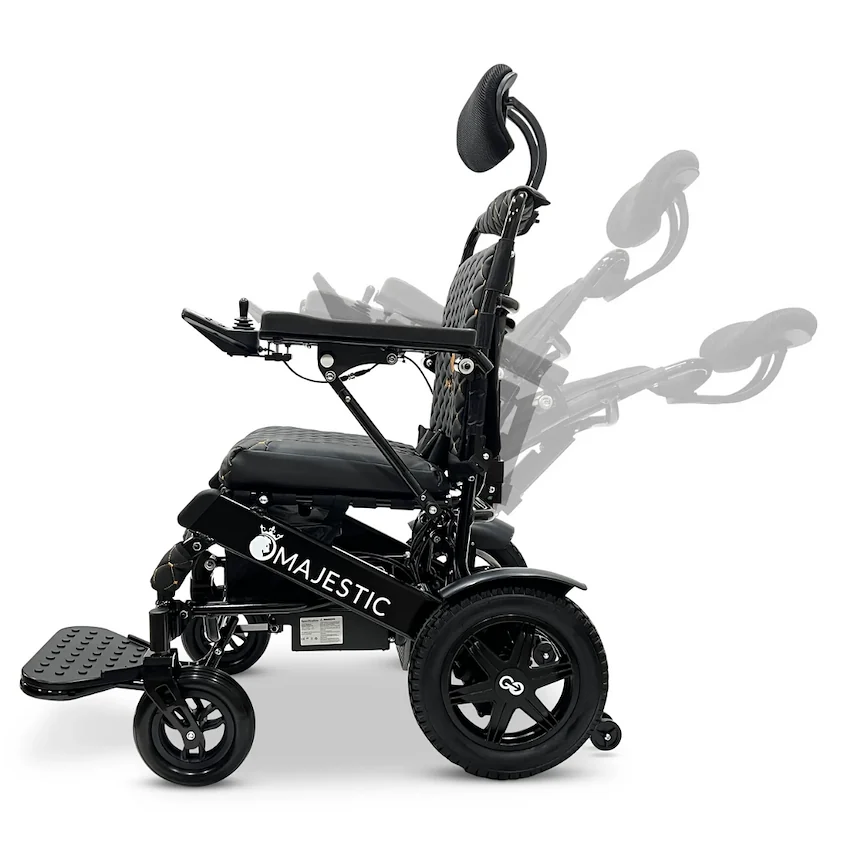
A folding powerchair. Seat width: 17.5" / 20". Turning radius: 47.00".
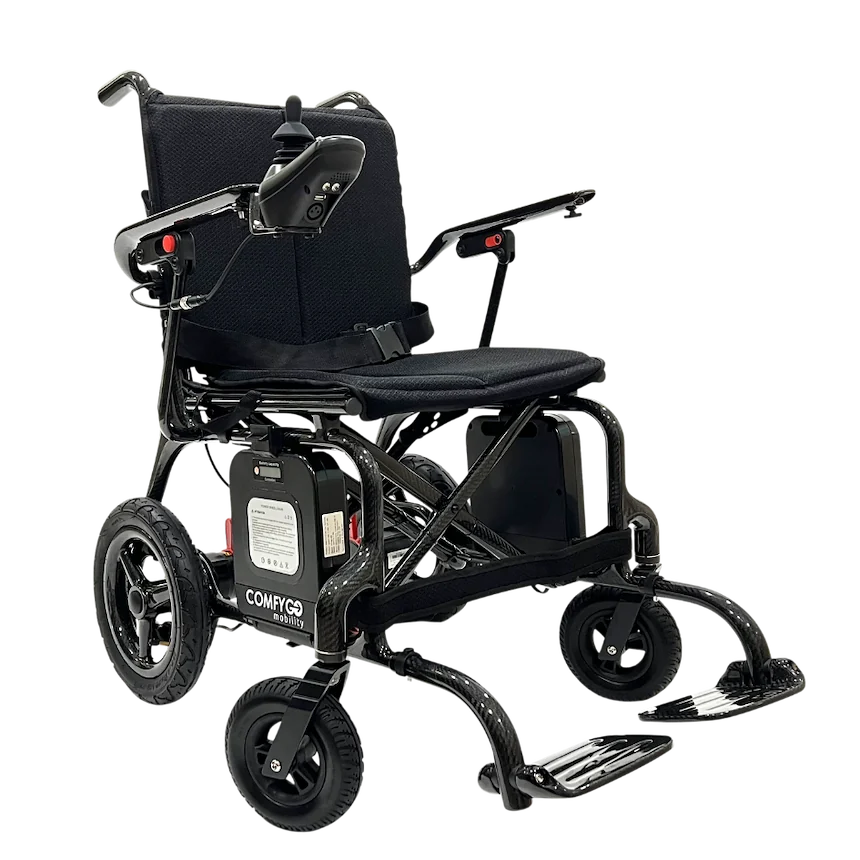
A folding powerchair. Seat width: 17.5".
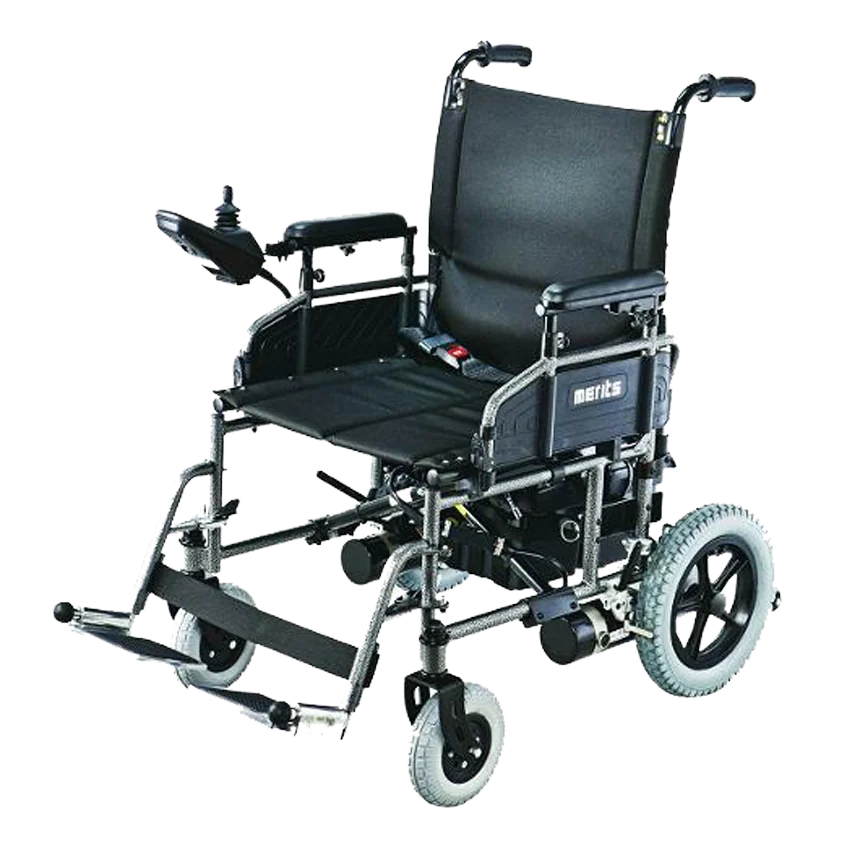
A folding powerchair. Compare the seating configurations and transport dimensions below.
Explore specifications and compare configurations. Request current local specifications and pricing from a supplier.
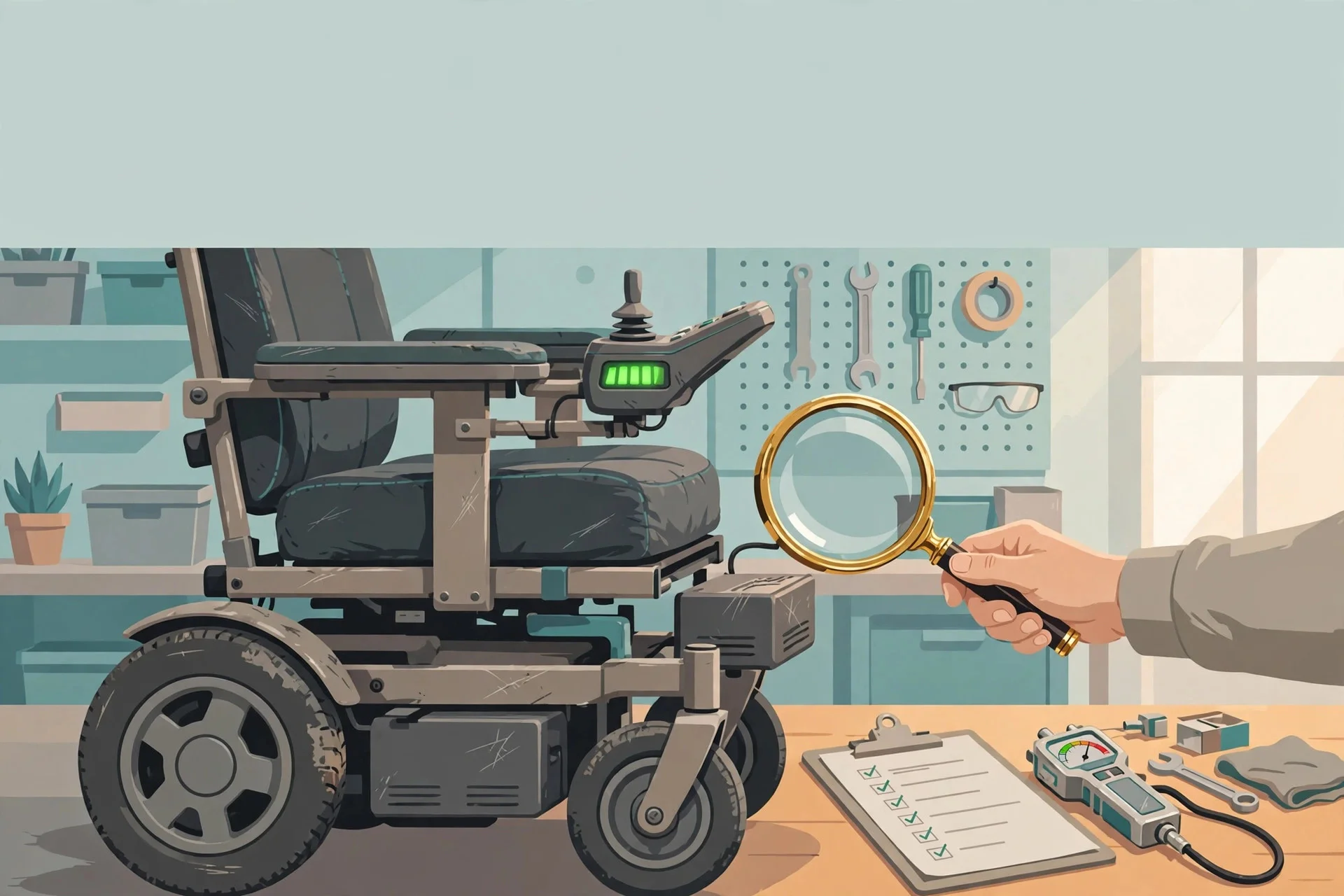
Yes, buying a used power wheelchair can save you real money — but the deal lives or dies on three checks: the battery under load, the controller and joystick in real driving, and the power seating functions. A battery that looks fine parked can fail under load, so the only test that counts is a full-duration test drive.
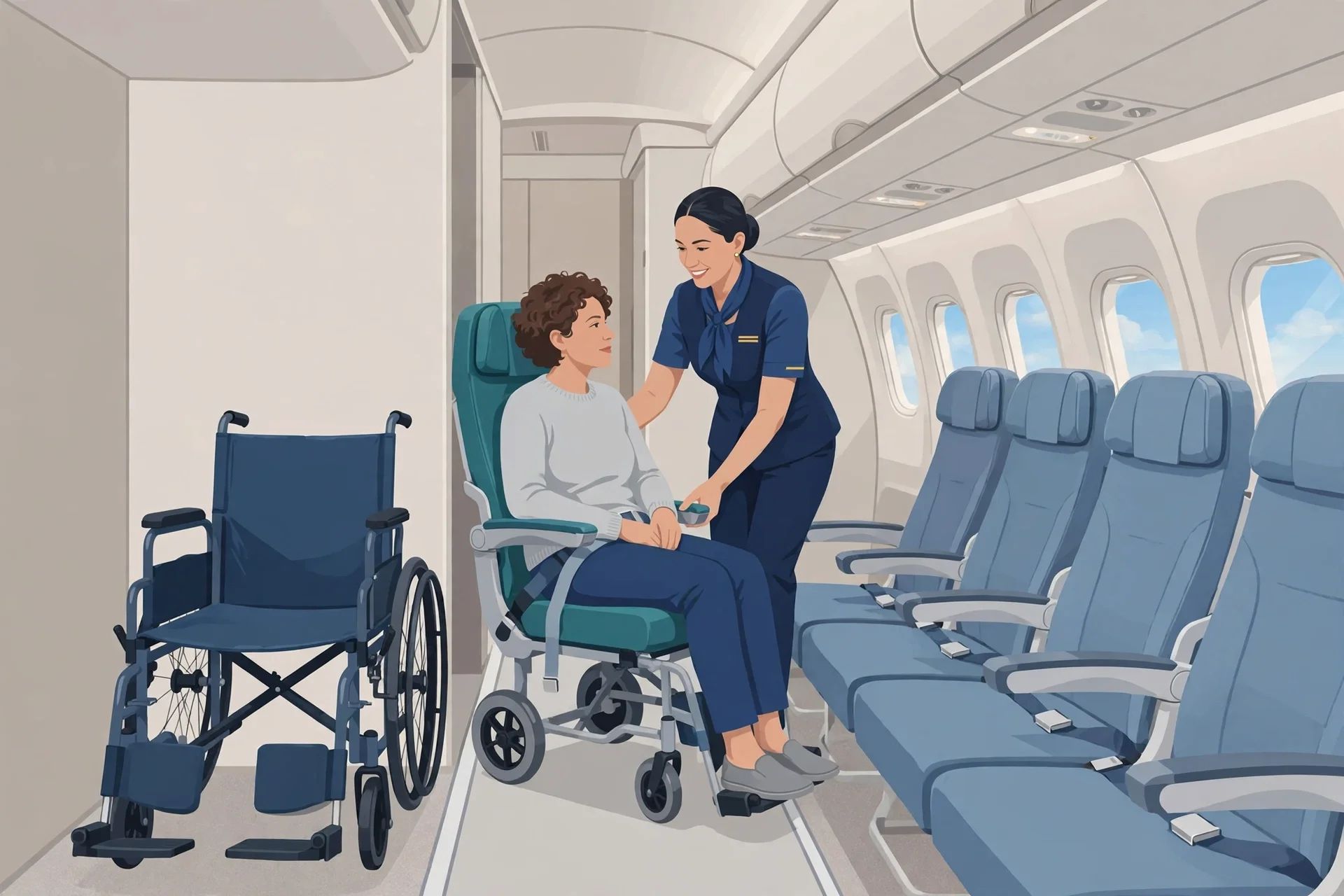
Read the guideAn aisle chair is the narrow wheelchair airlines use to move you between your own wheelchair and your airplane seat, and to the lavatory mid-flight. Request it when you book, confirm it at check-in, and tell the crew exactly how you transfer — here's how the process works on major airlines.
Read the guideA second battery can change both range and carrying weight.
Read the guide