POWERCHAIR · MODEL DETAILS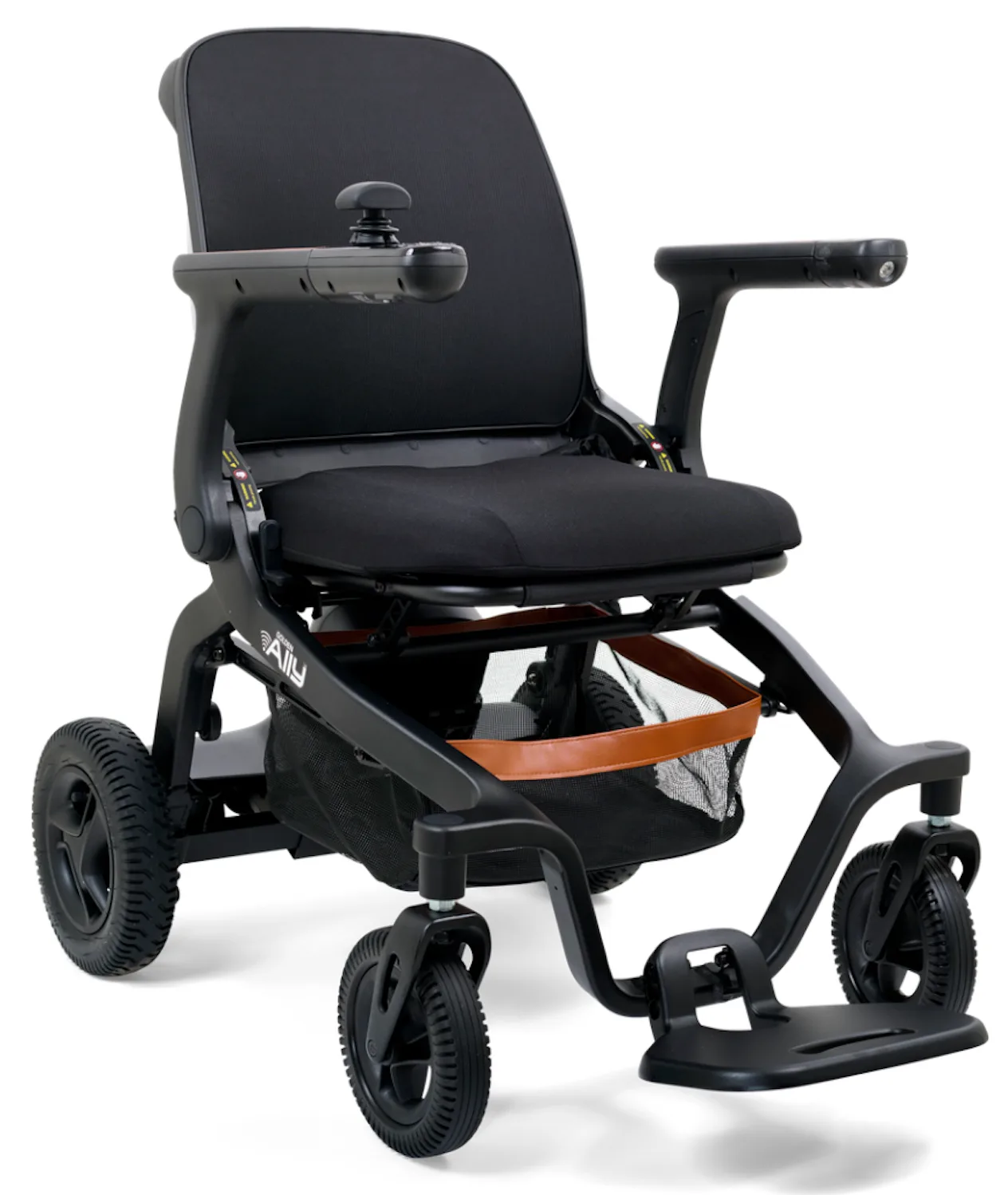
RobooterExplore this chair
E80
A carbon-fibre design with a 16.2 kg weight without battery.
17''/43.2 cmSeat width
18"/45.7 cmSeat depth

Think about the places you go and the things you do. Explore the options at your own pace.
Compare seat width, depth and user capacity. Then discuss cushions, legrests and adjustment options at a demonstration.
Seat width and overall chair width serve different purposes. Consider the cushion, armrest position and your preferred seating setup together.
Depth affects how the seating surface fits you. Check the usable seat dimensions with the cushion and back support you intend to use.
Ask which footplate or legrest is included, whether it swings away for access, and which adjustment or elevation options are available for the exact model.
A carbon-fibre design with a 16.2 kg weight without battery.
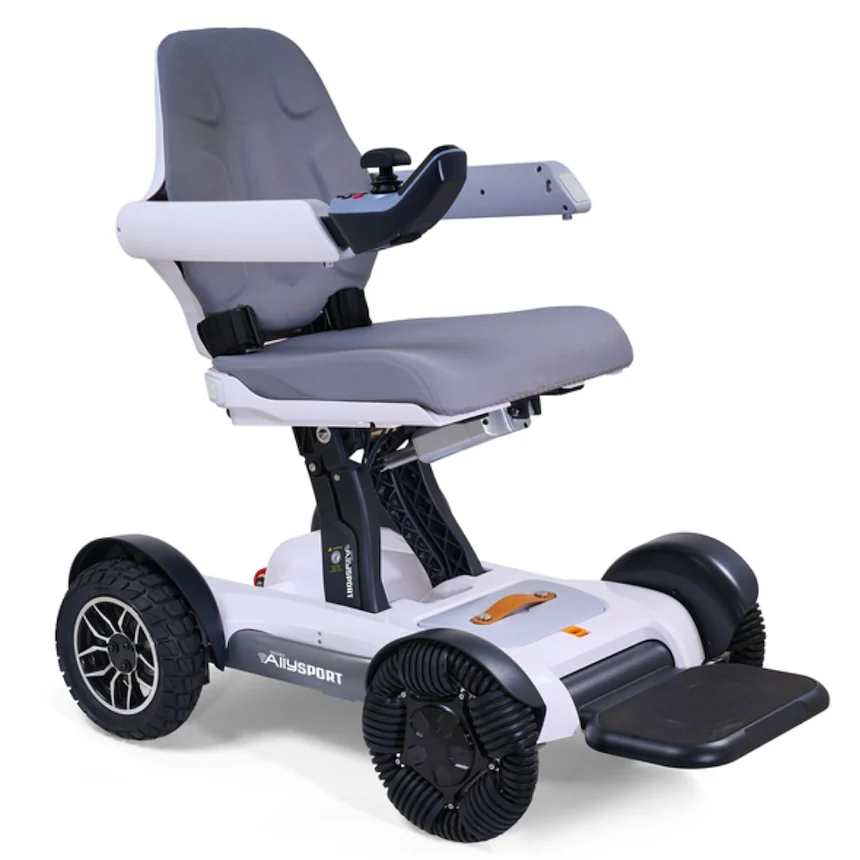
A folding powerchair. Seat width: 16". Turning radius: 30.00".
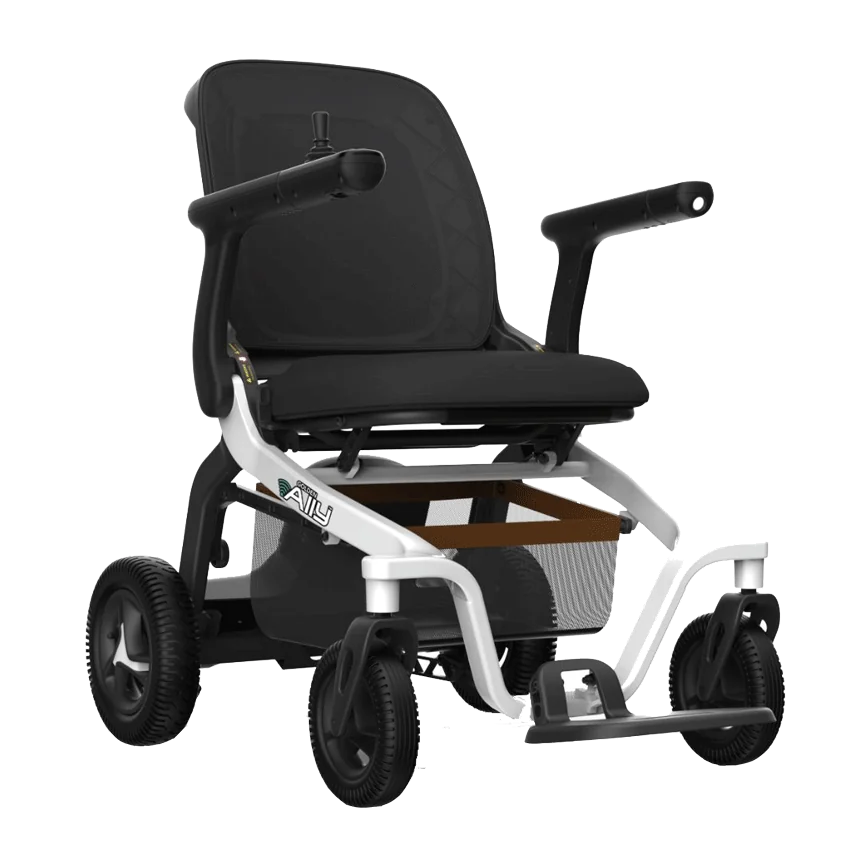
A folding powerchair. Seat width: 17". Turning radius: 28.5".
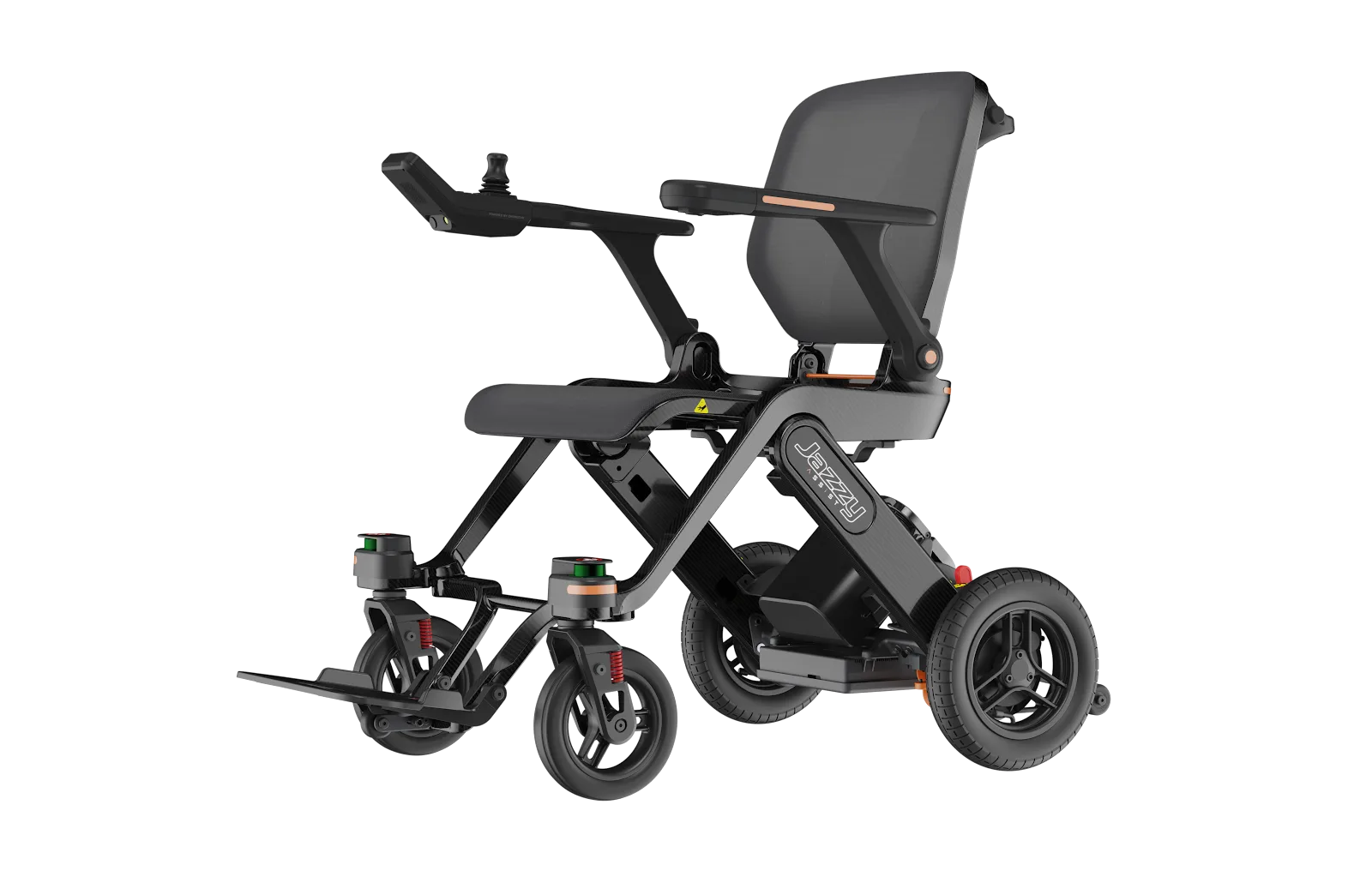
A carbon-fibre folding chair, designed around everyday independence.
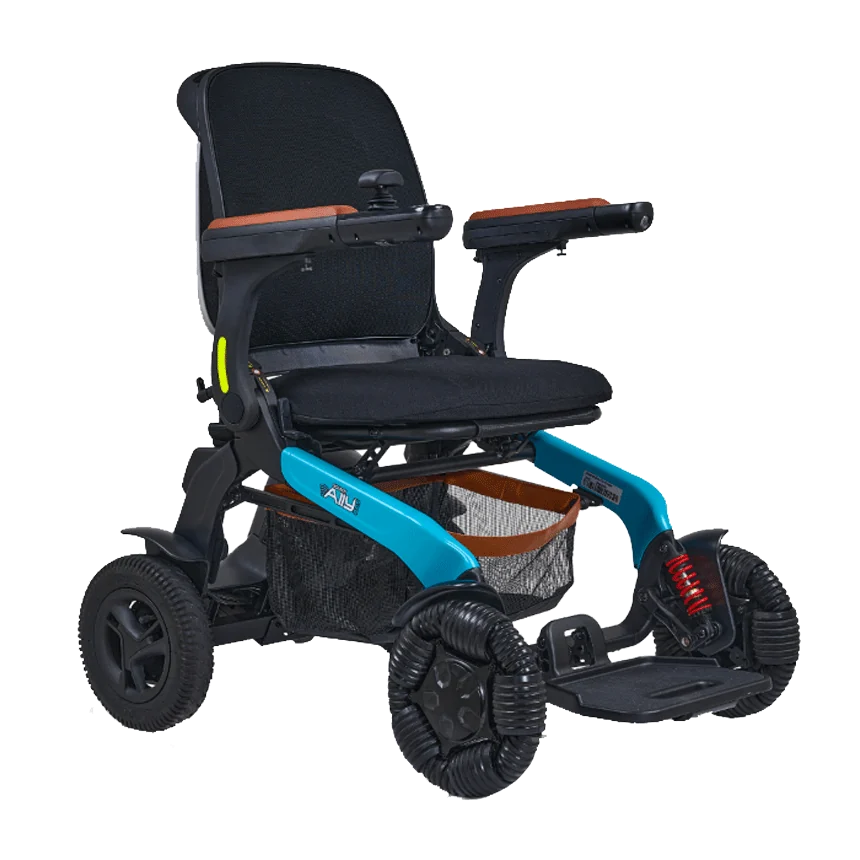
A folding powerchair. Seat width: 17". Turning radius: 37.00".
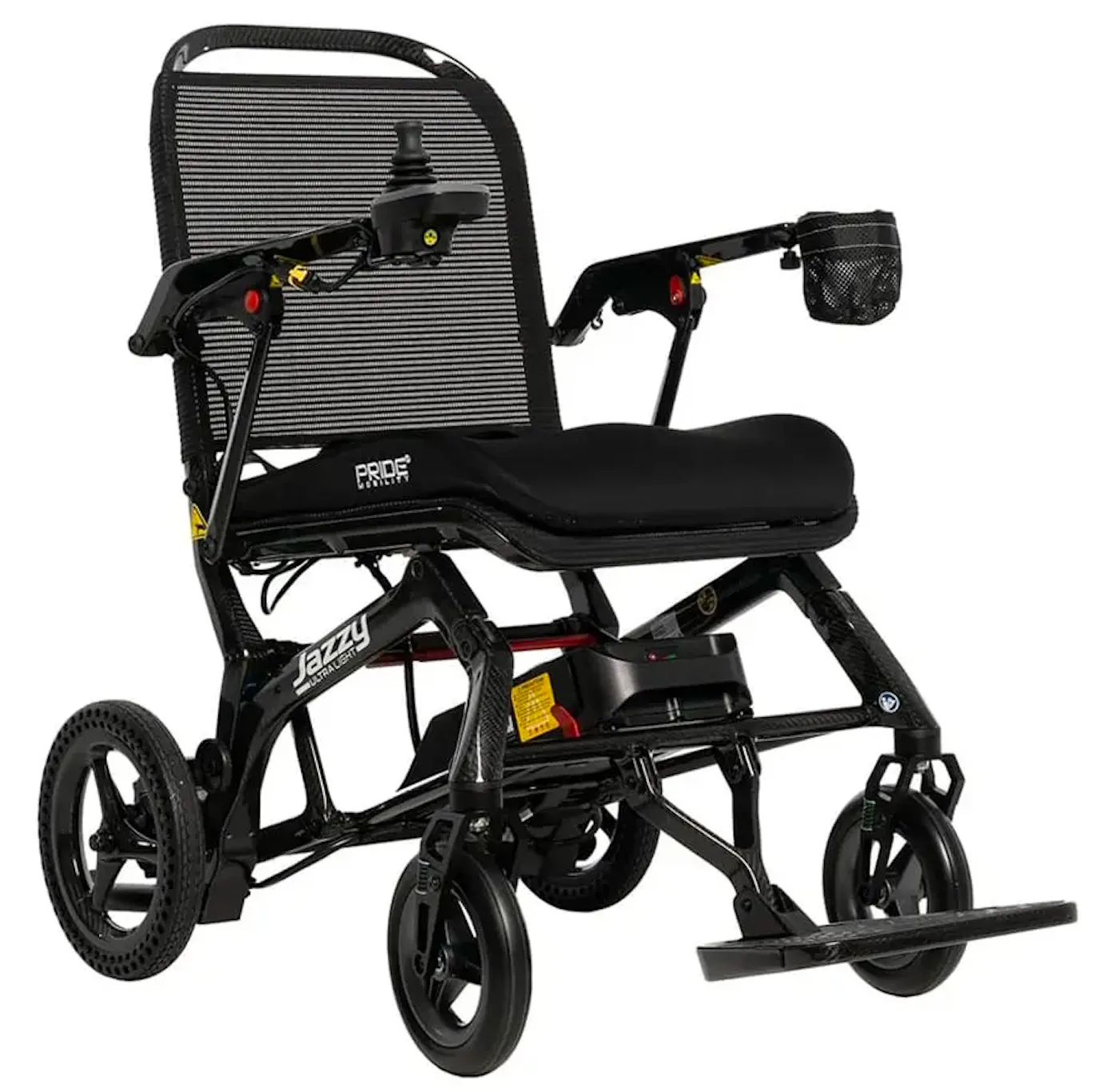
A carbon-fibre frame with two battery configurations to consider.
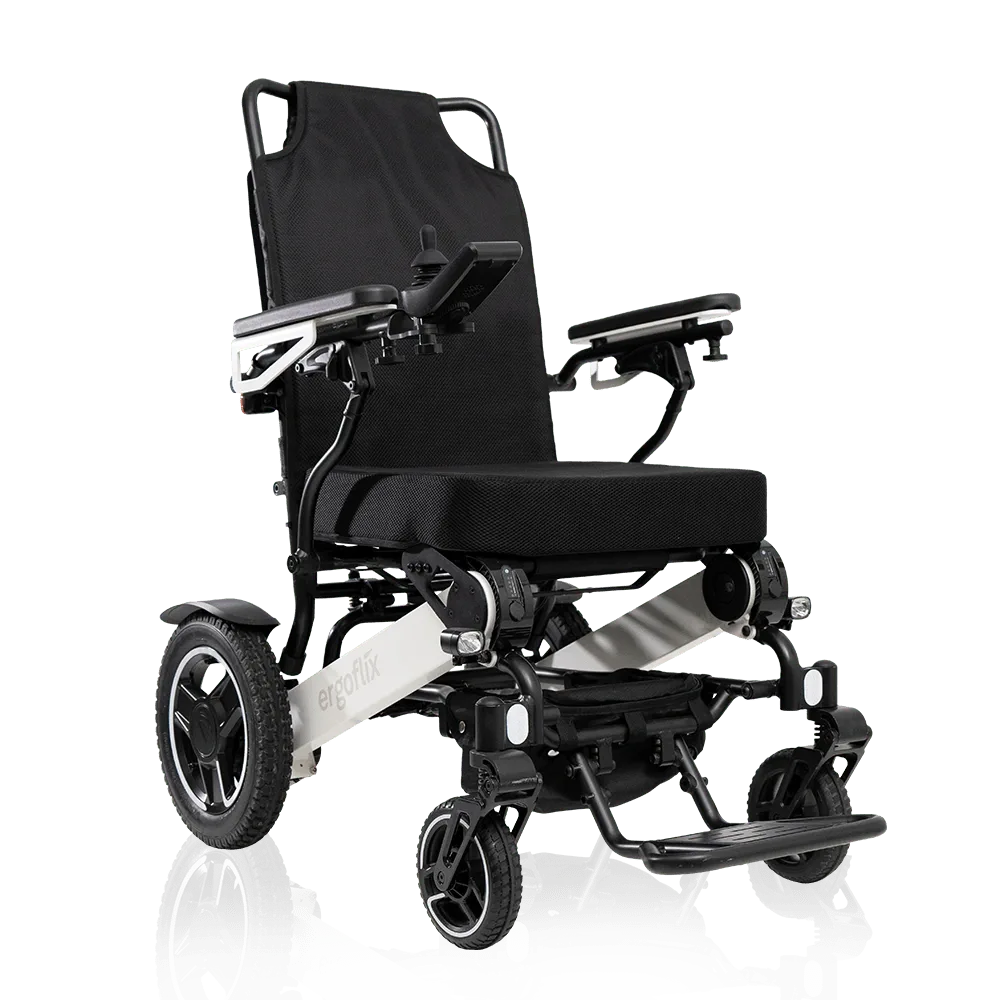
A folding aluminium design with a dual-battery configuration.
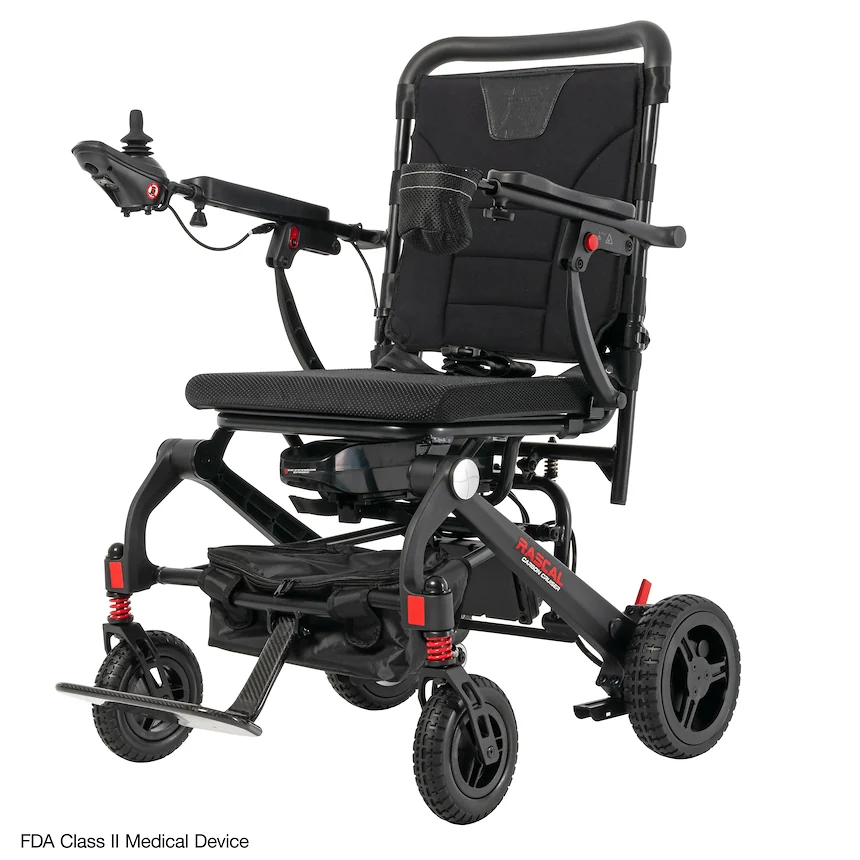
A folding powerchair. Seat width: 17". Turning radius: 31.00".
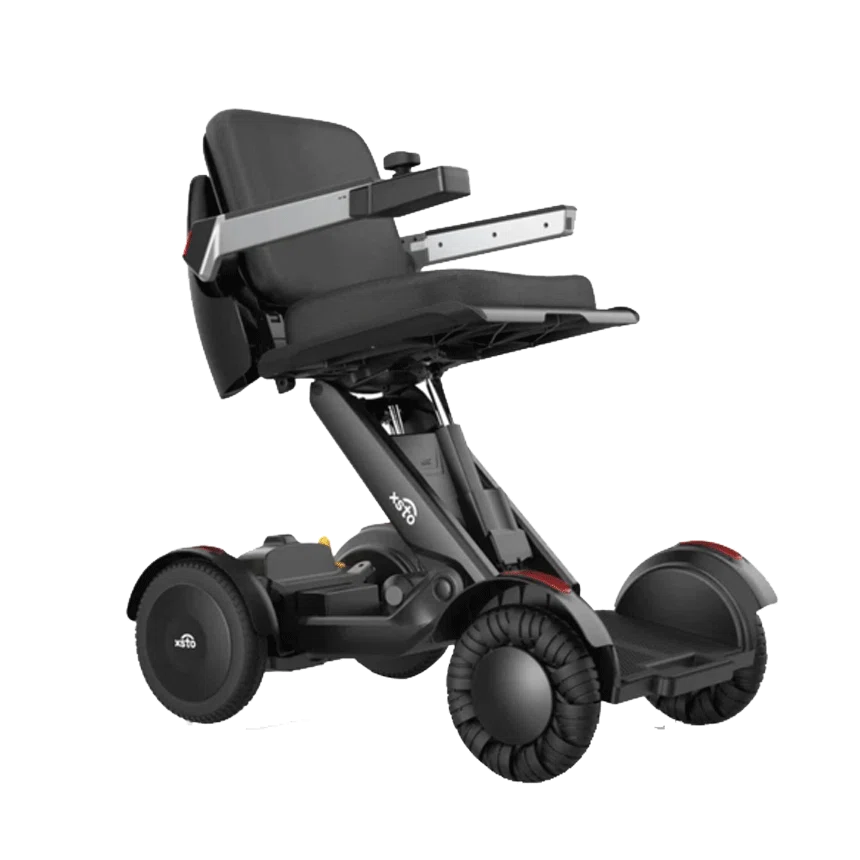
A powerchair with a disassembling transport configuration. Seat width: 17". Turning radius: 30.7".
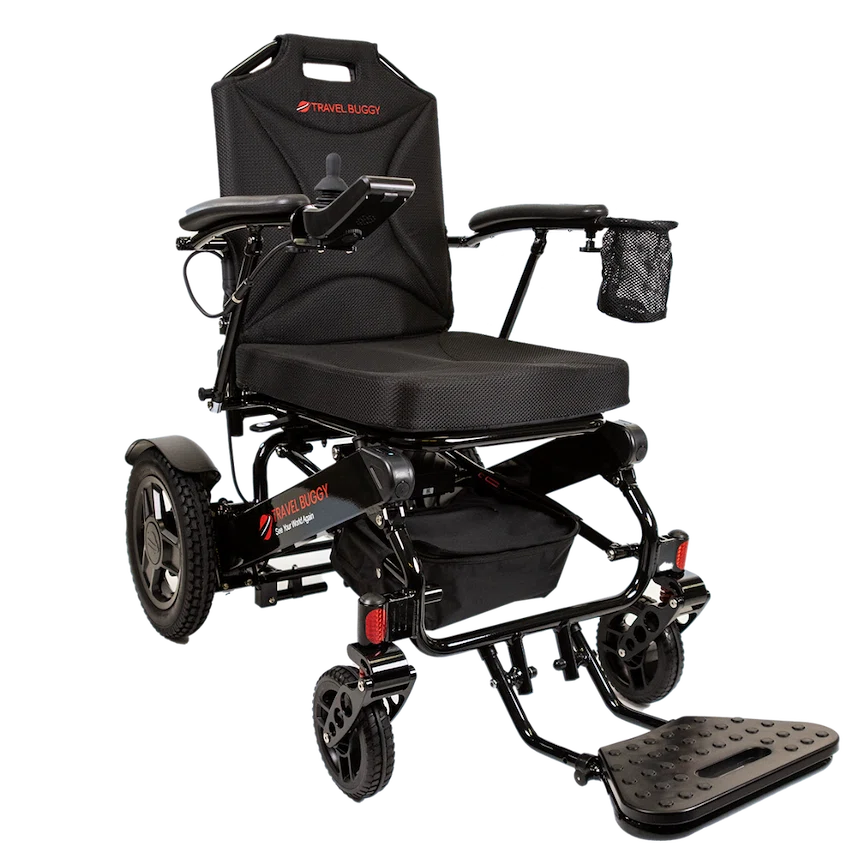
A folding powerchair. Seat width: 19". Turning radius: 26.00".
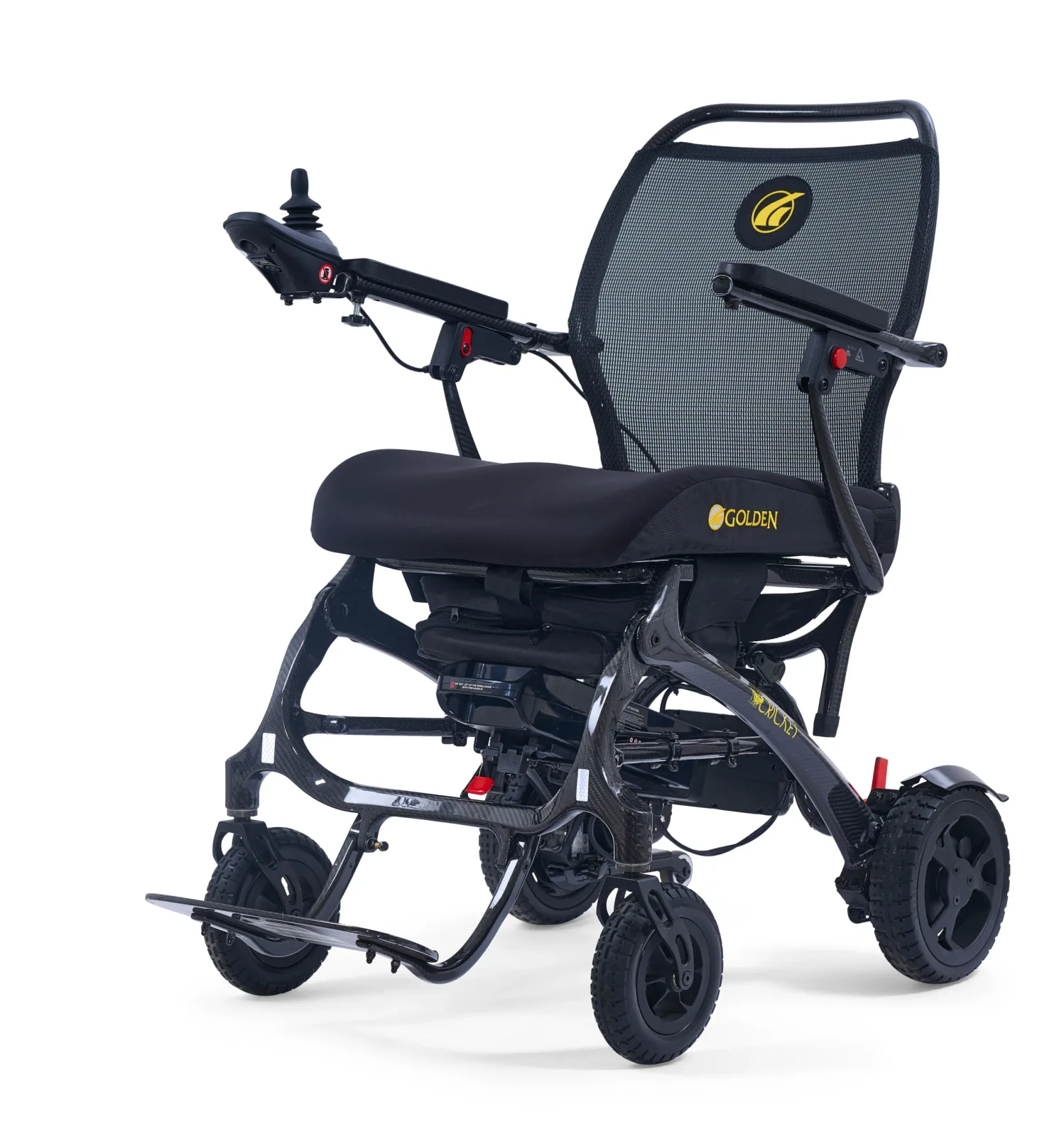
A carbon-fibre folding chair with a compact turning radius.
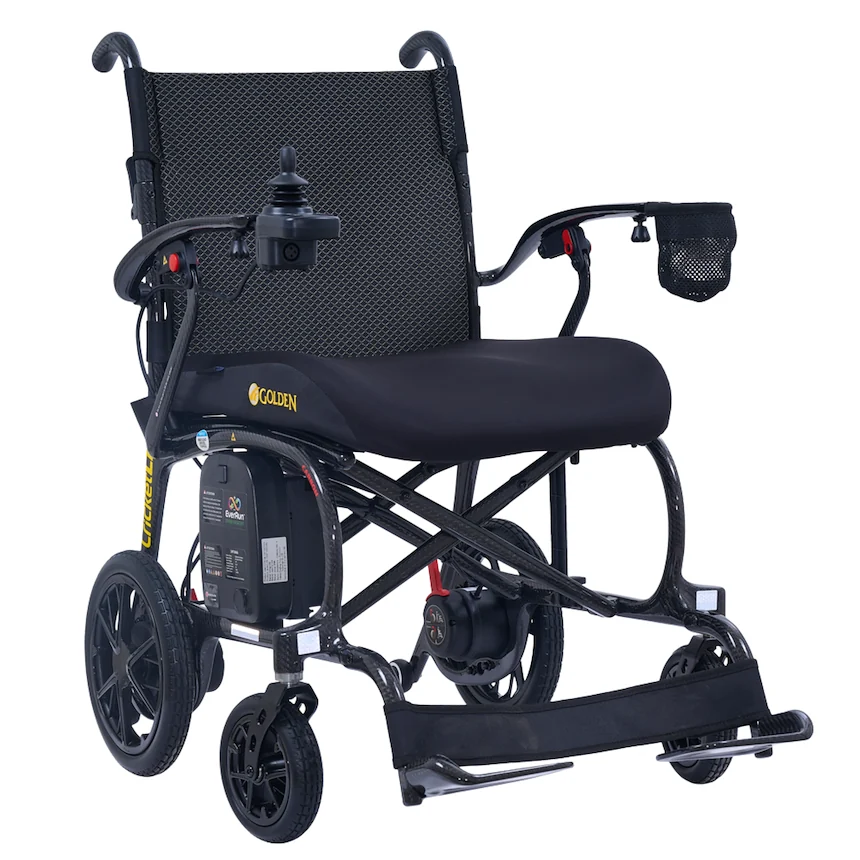
A folding powerchair. Seat width: 18". Turning radius: 29.5".
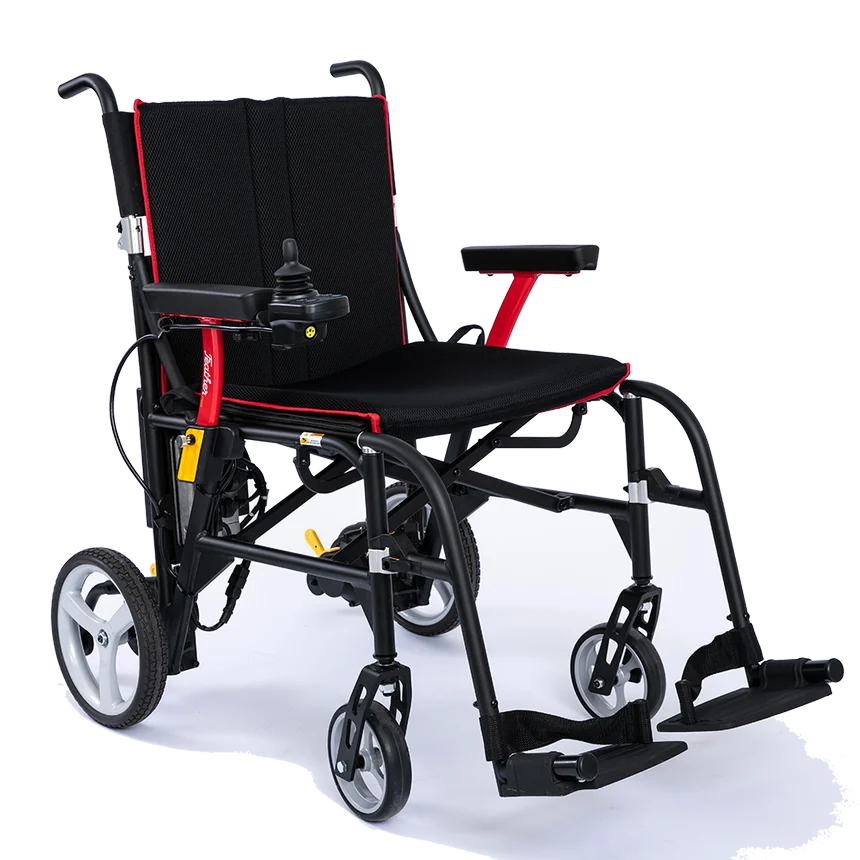
A folding powerchair. Seat width: 18". Turning radius: 48.00".
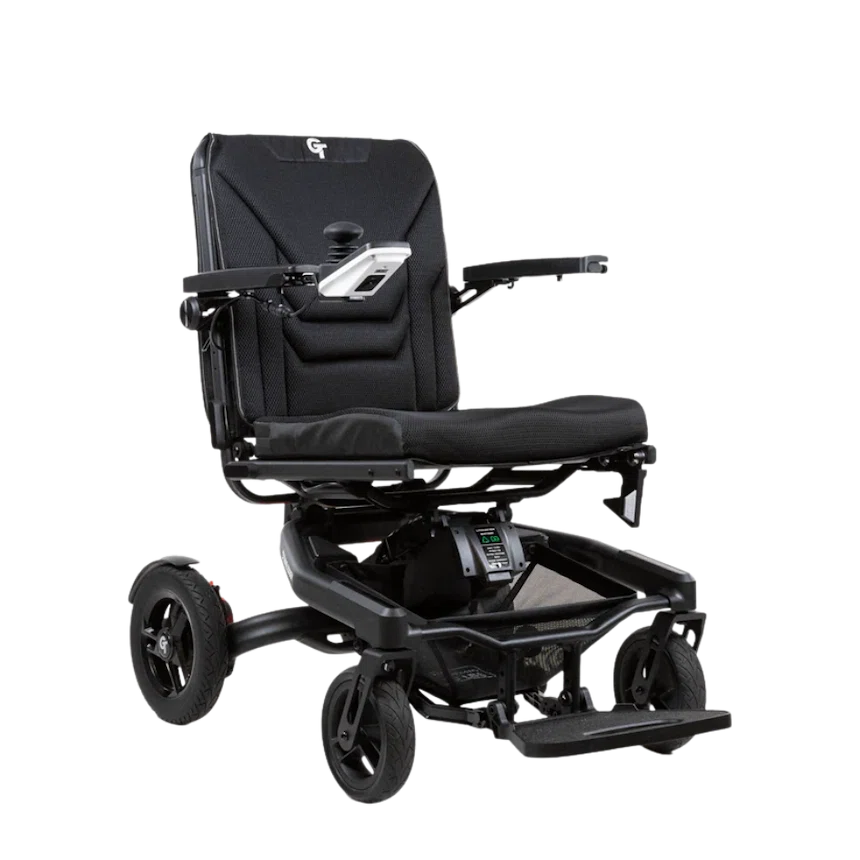
A folding powerchair. Seat width: 18". Turning radius: 25.00".
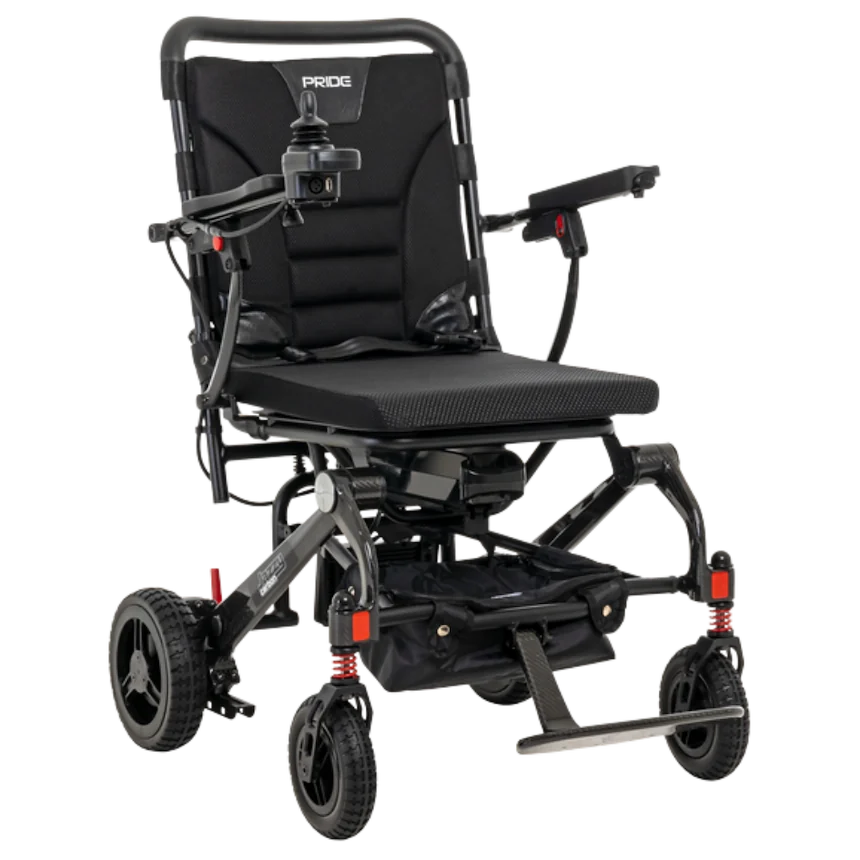
A folding powerchair. Seat width: 17". Turning radius: 24.00".
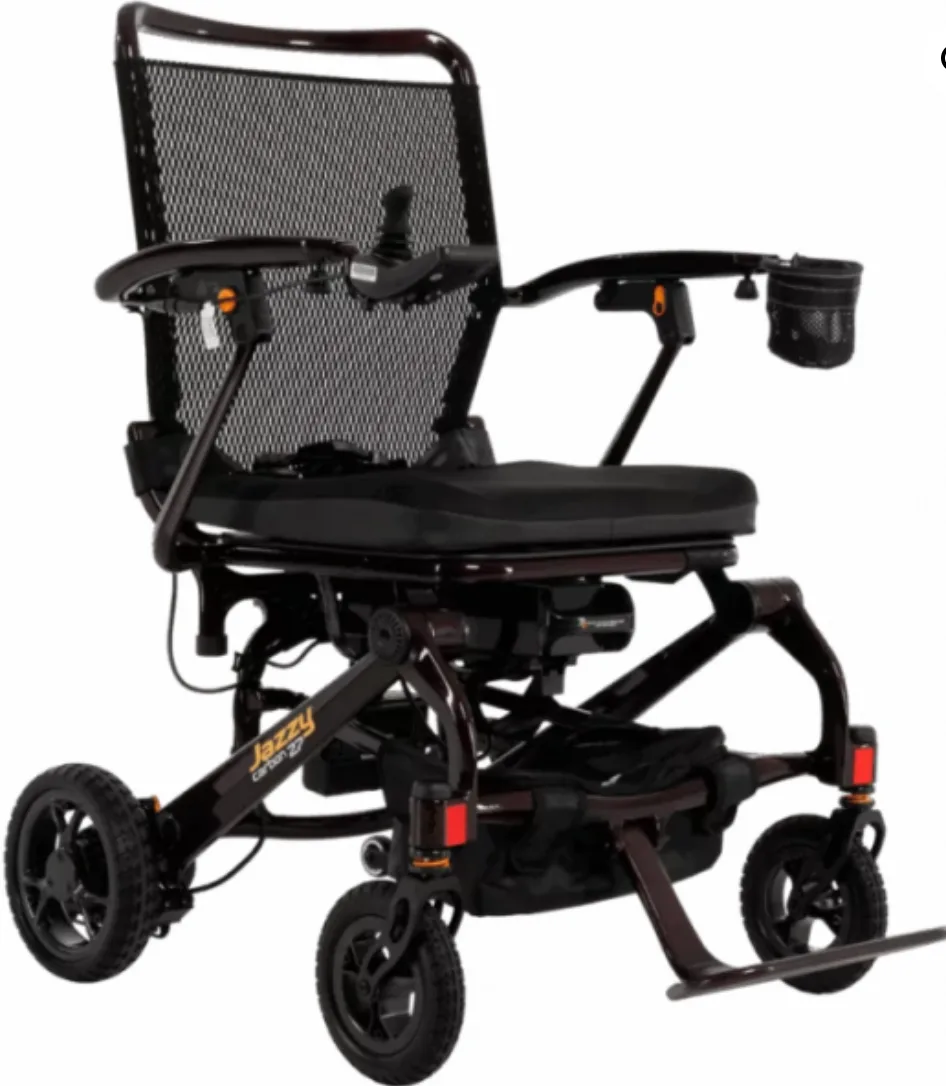
Compact carbon-fibre mobility with a 136 kg capacity.
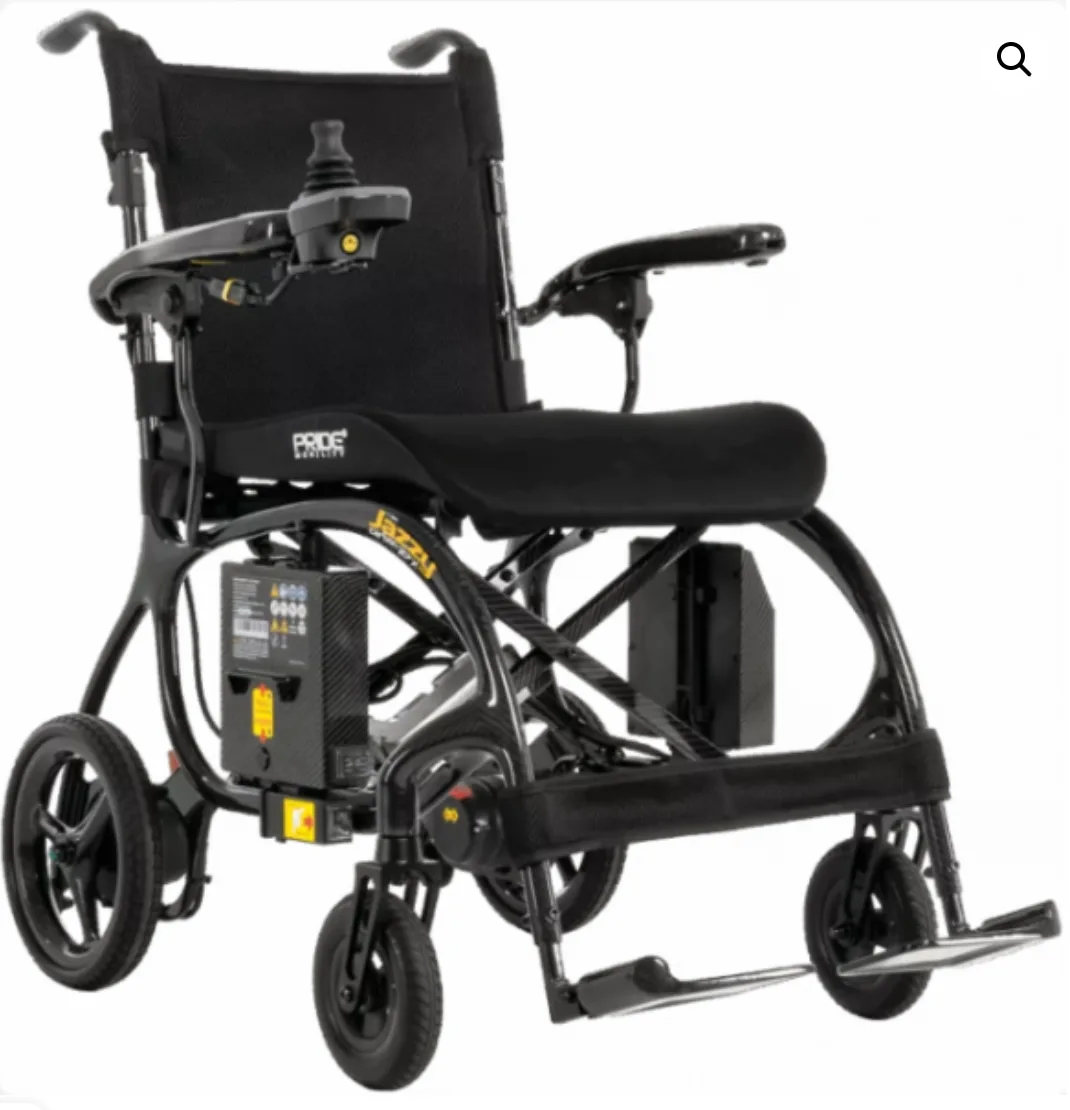
An X-frame design with a 12.5 kg weight without battery.
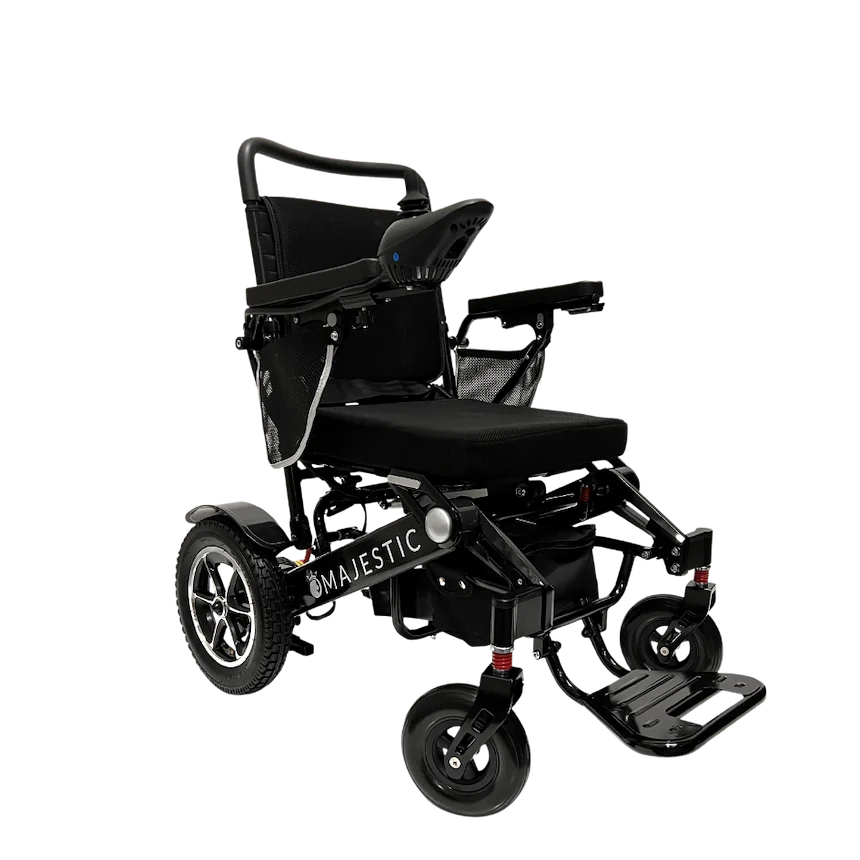
A folding powerchair. Seat width: 20". Turning radius: 62.5".
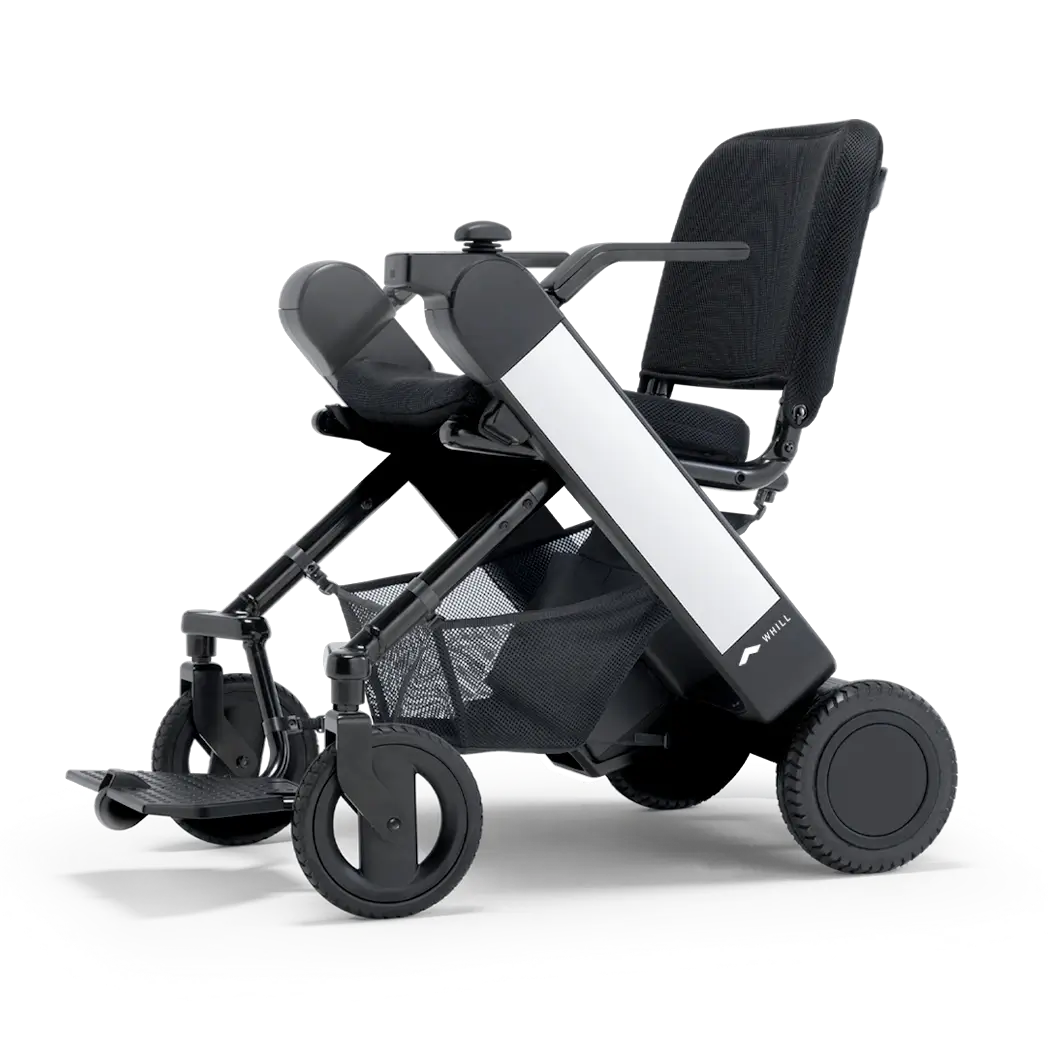
A folding aluminium design with adjustable armrest positions.
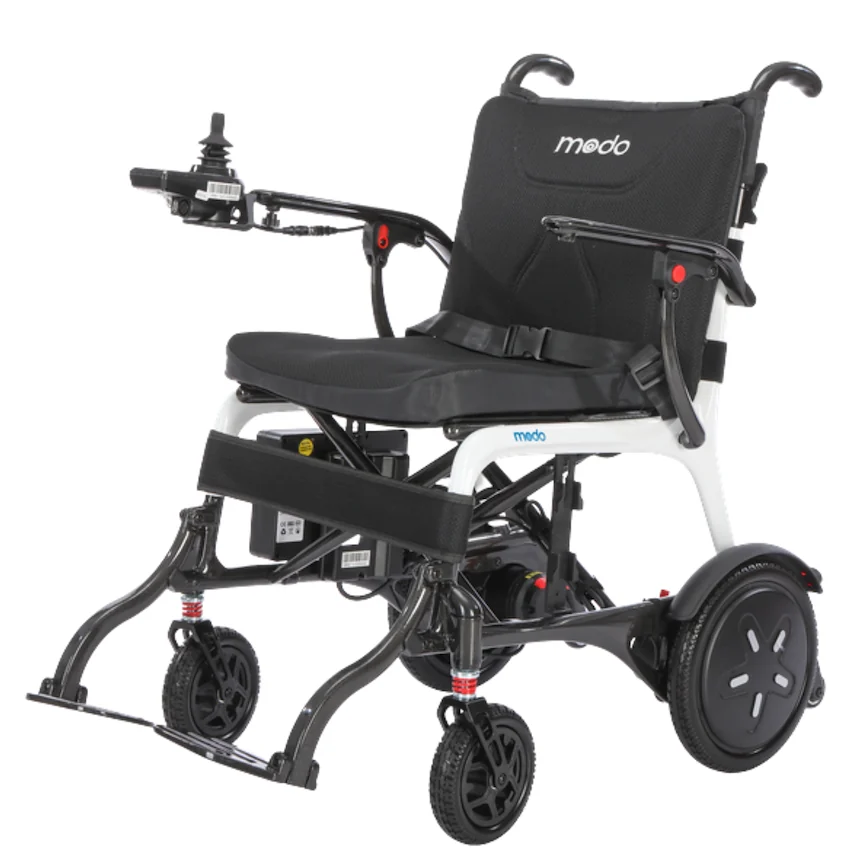
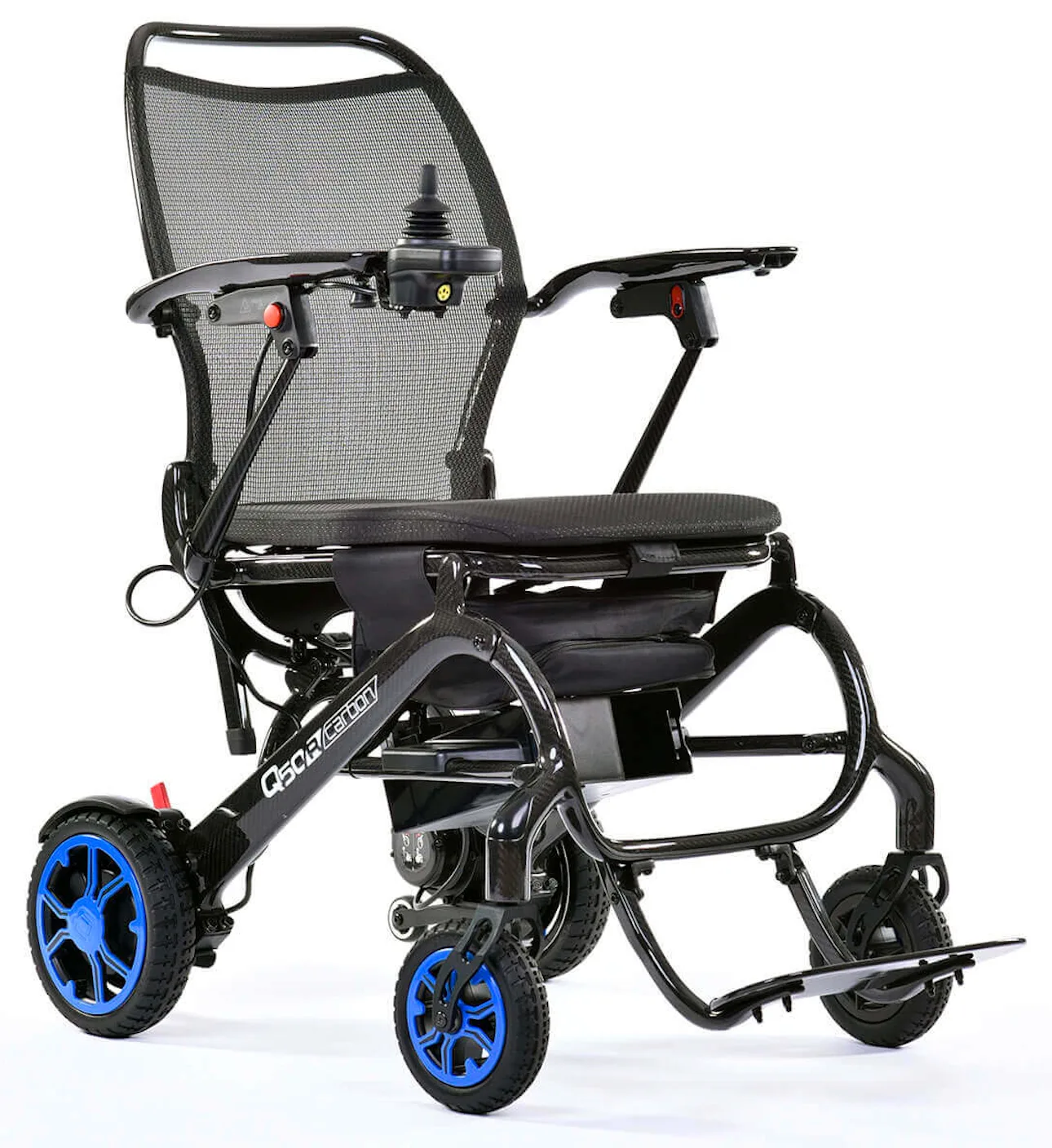
A folding carbon-fibre model with one- or two-battery configurations.
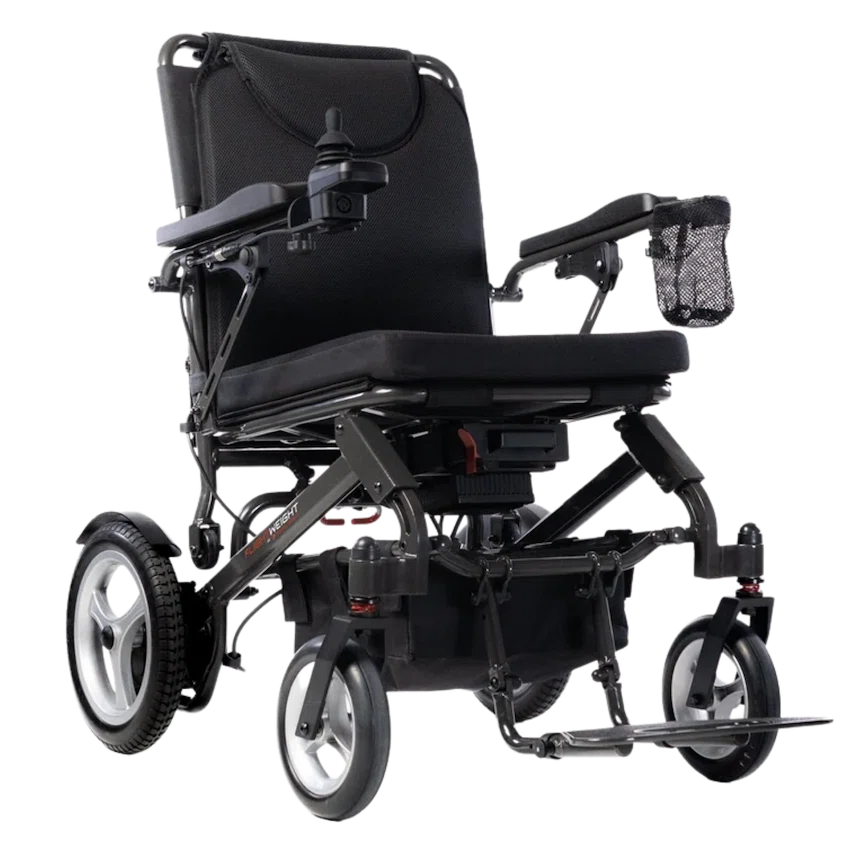
A folding powerchair. Seat width: 17.5". Turning radius: 24.00".
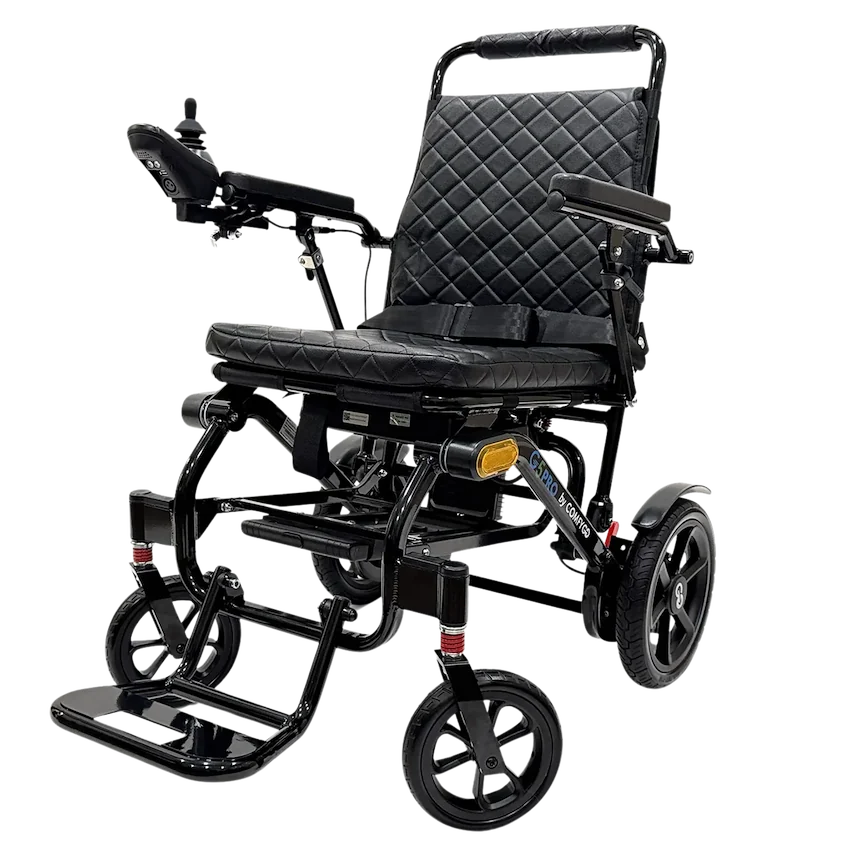
A folding powerchair. Seat width: 18.5".
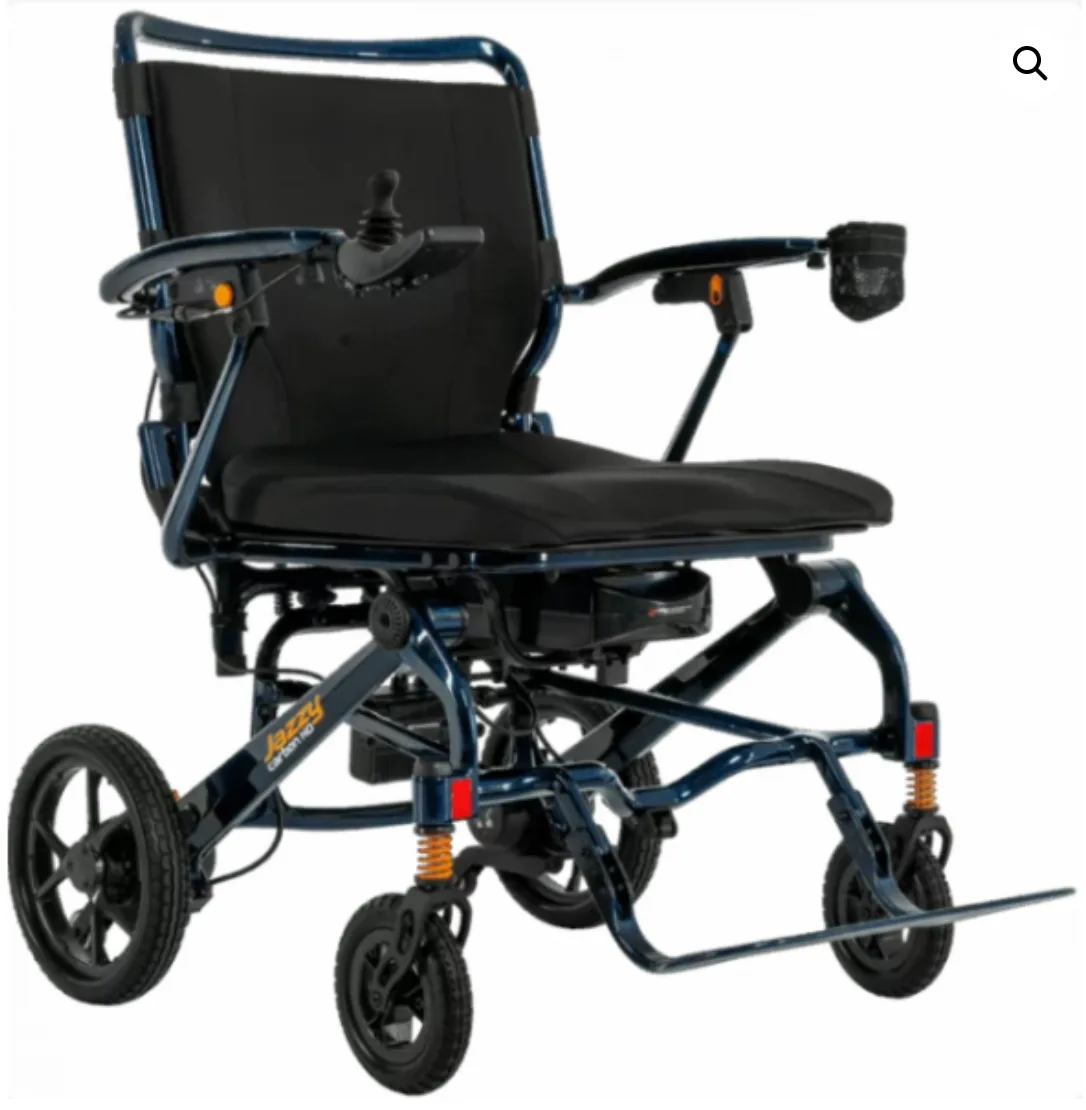
A wider-seat carbon-fibre option with a higher capacity.
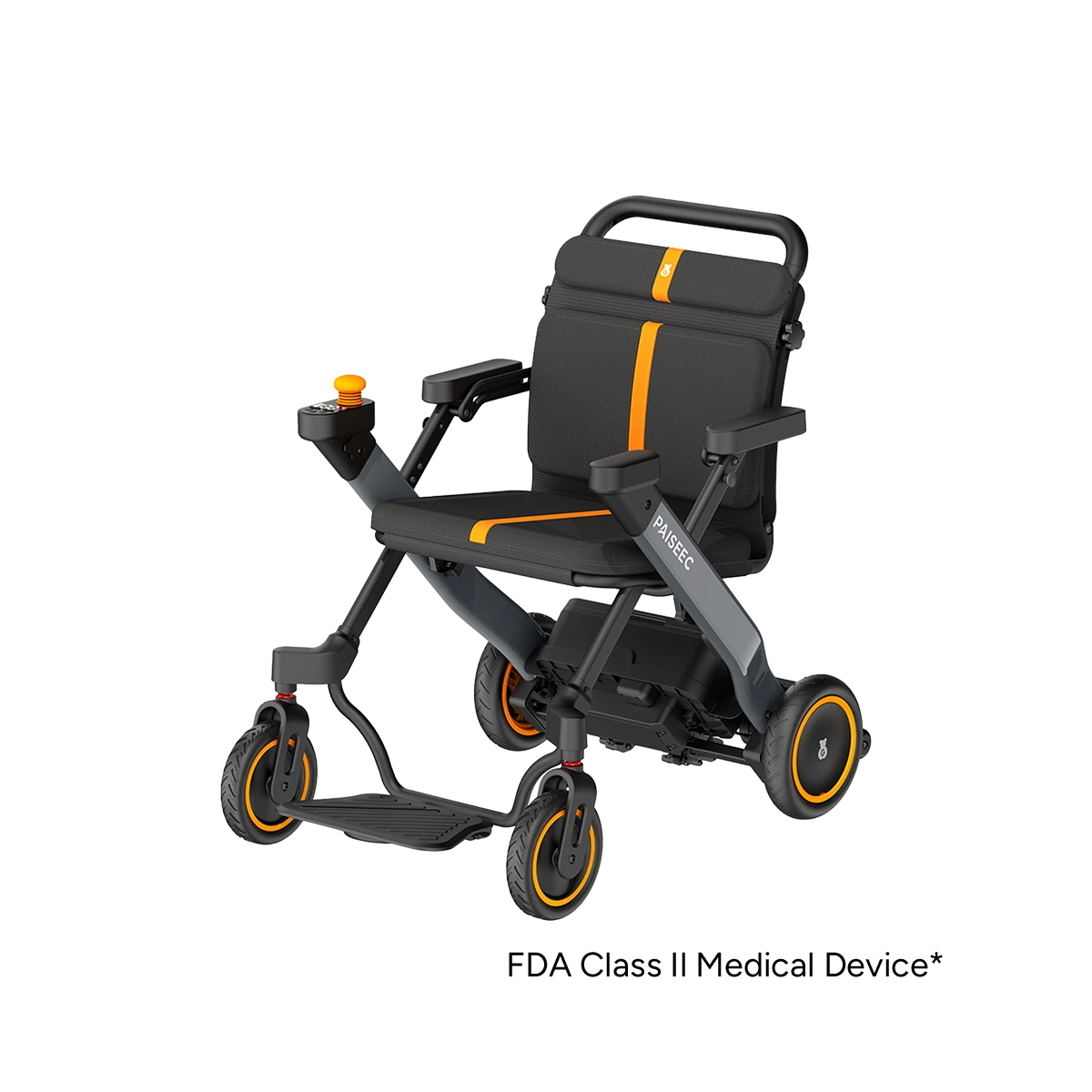
An aluminium folding model with a 12 Ah battery configuration.
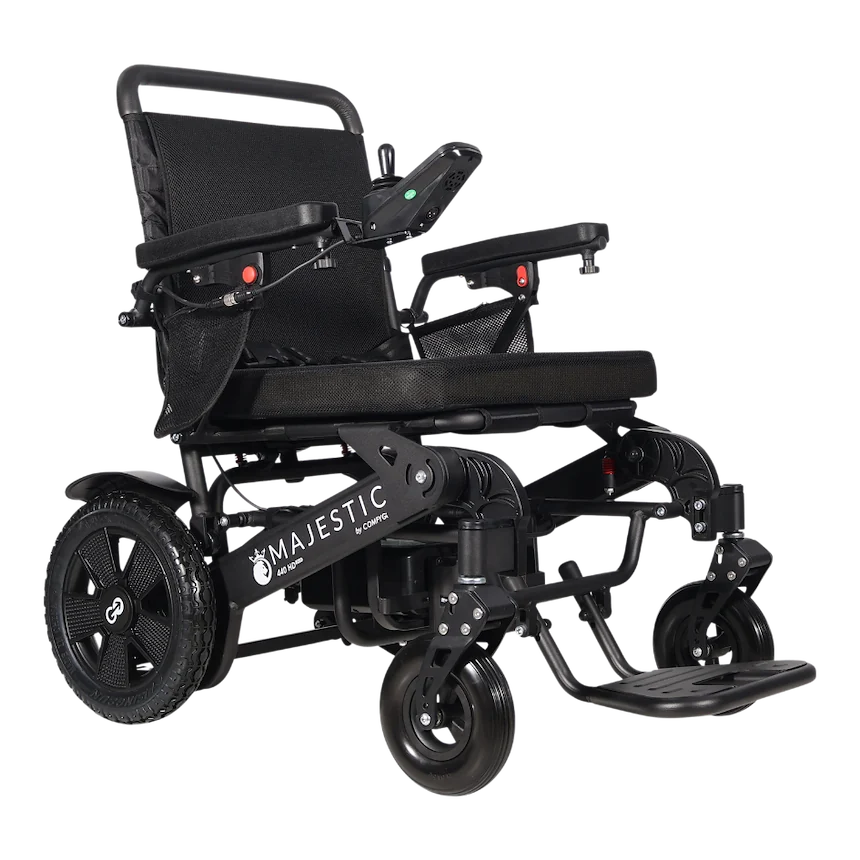
A folding powerchair. Seat width: 20". Turning radius: 62.5".
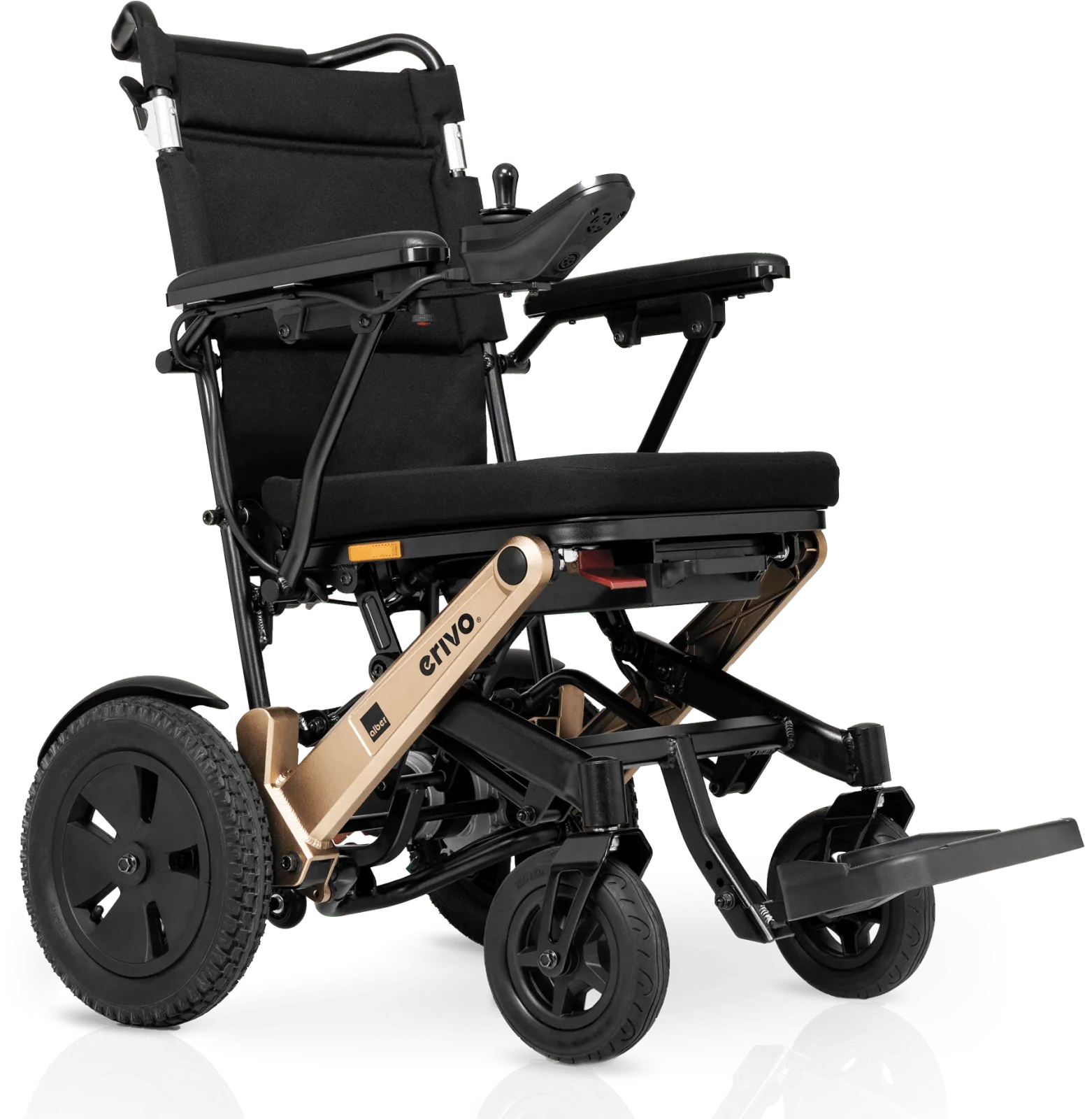
An aluminium folding powerchair with an 11 Ah battery.
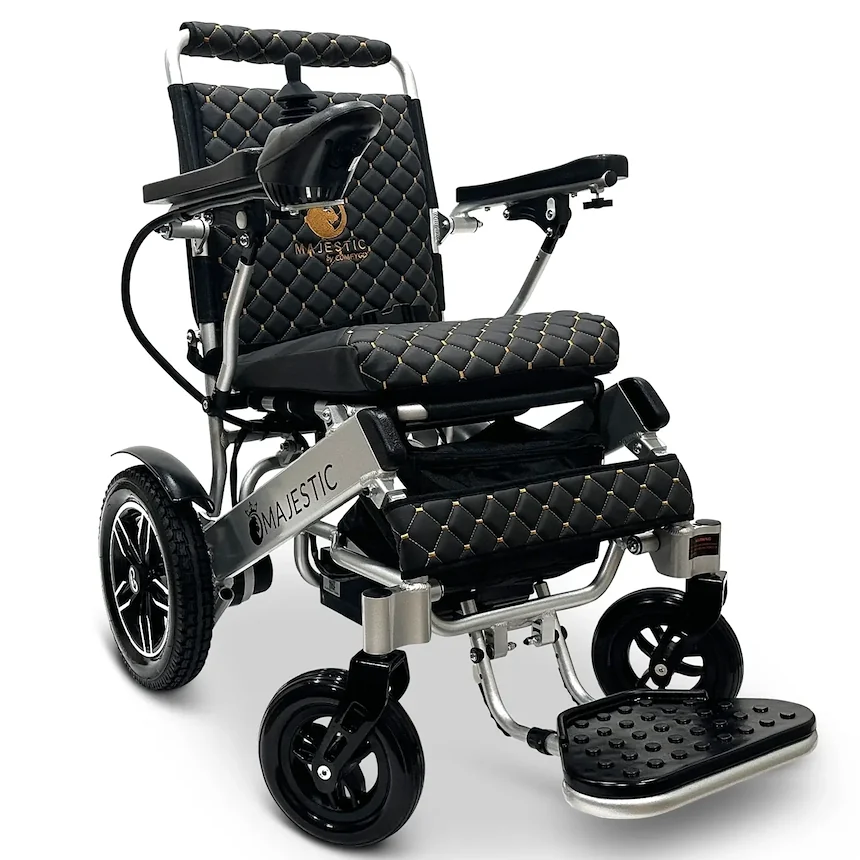
A folding powerchair. Seat width: 17.5" / 20". Turning radius: 47.00".
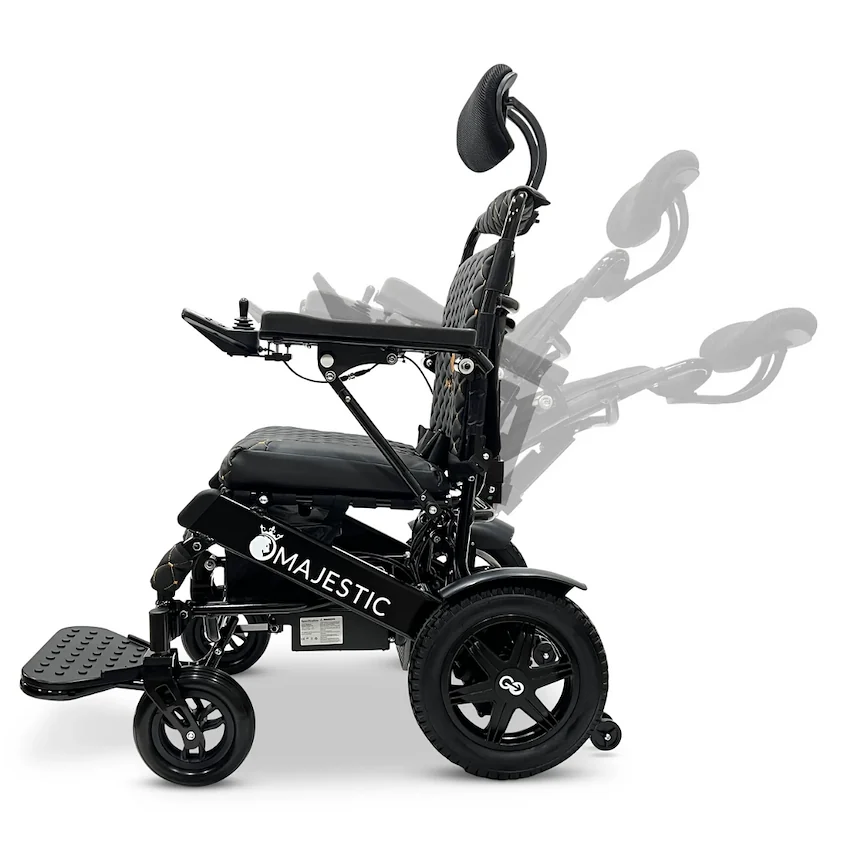
A folding powerchair. Seat width: 17.5" / 20". Turning radius: 47.00".
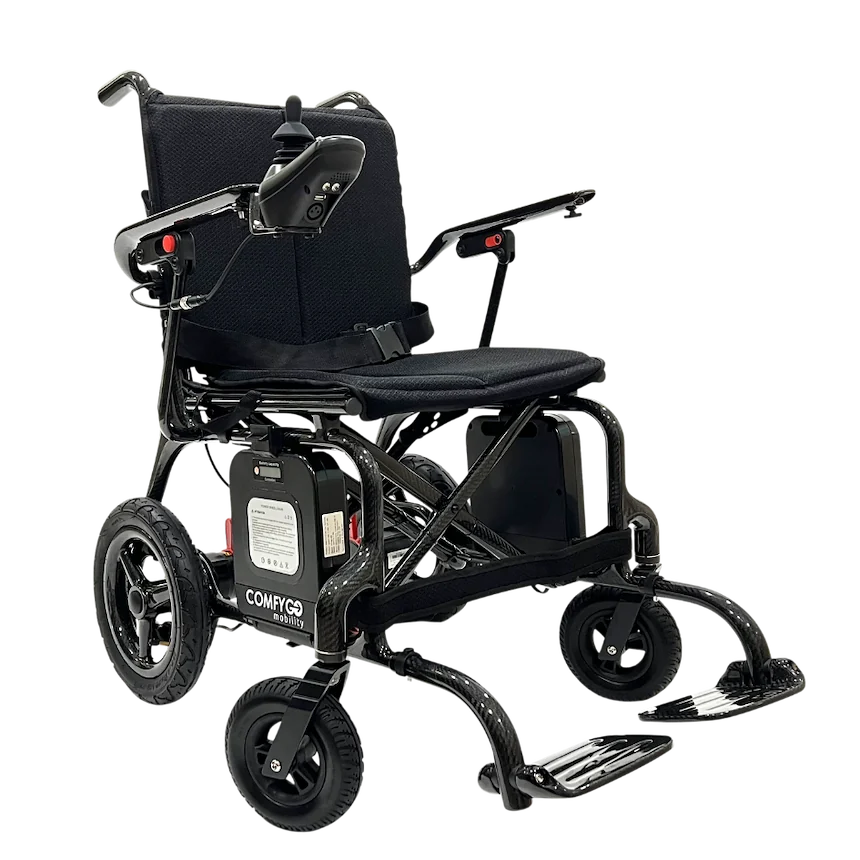
A folding powerchair. Seat width: 17.5".
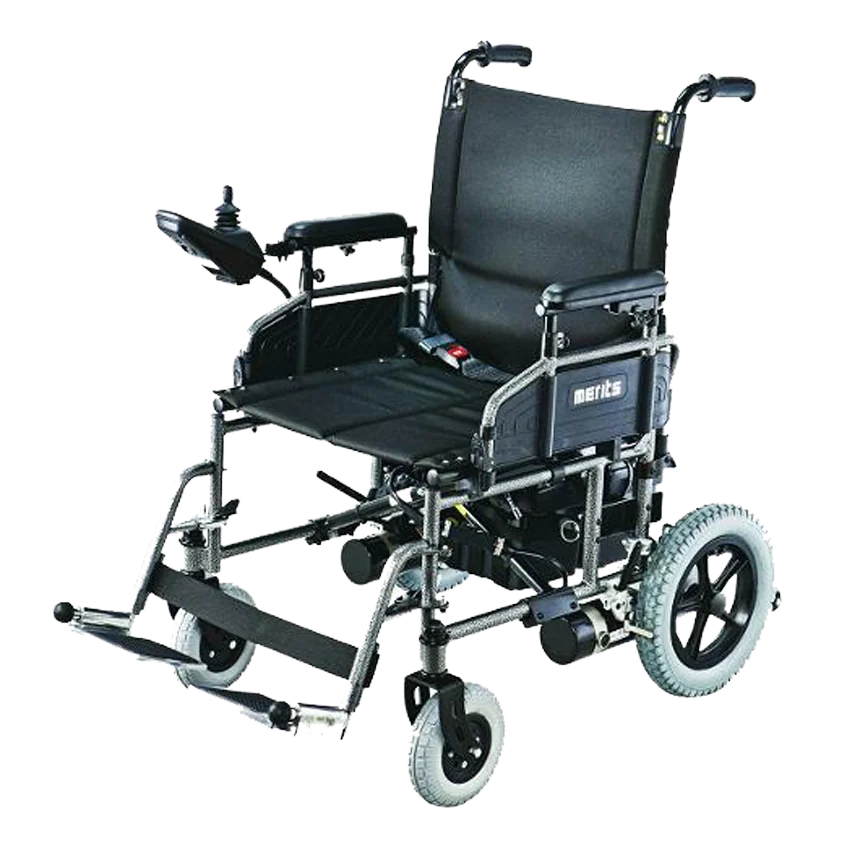
A folding powerchair. Compare the seating configurations and transport dimensions below.
Explore specifications and compare configurations. Request current local specifications and pricing from a supplier.
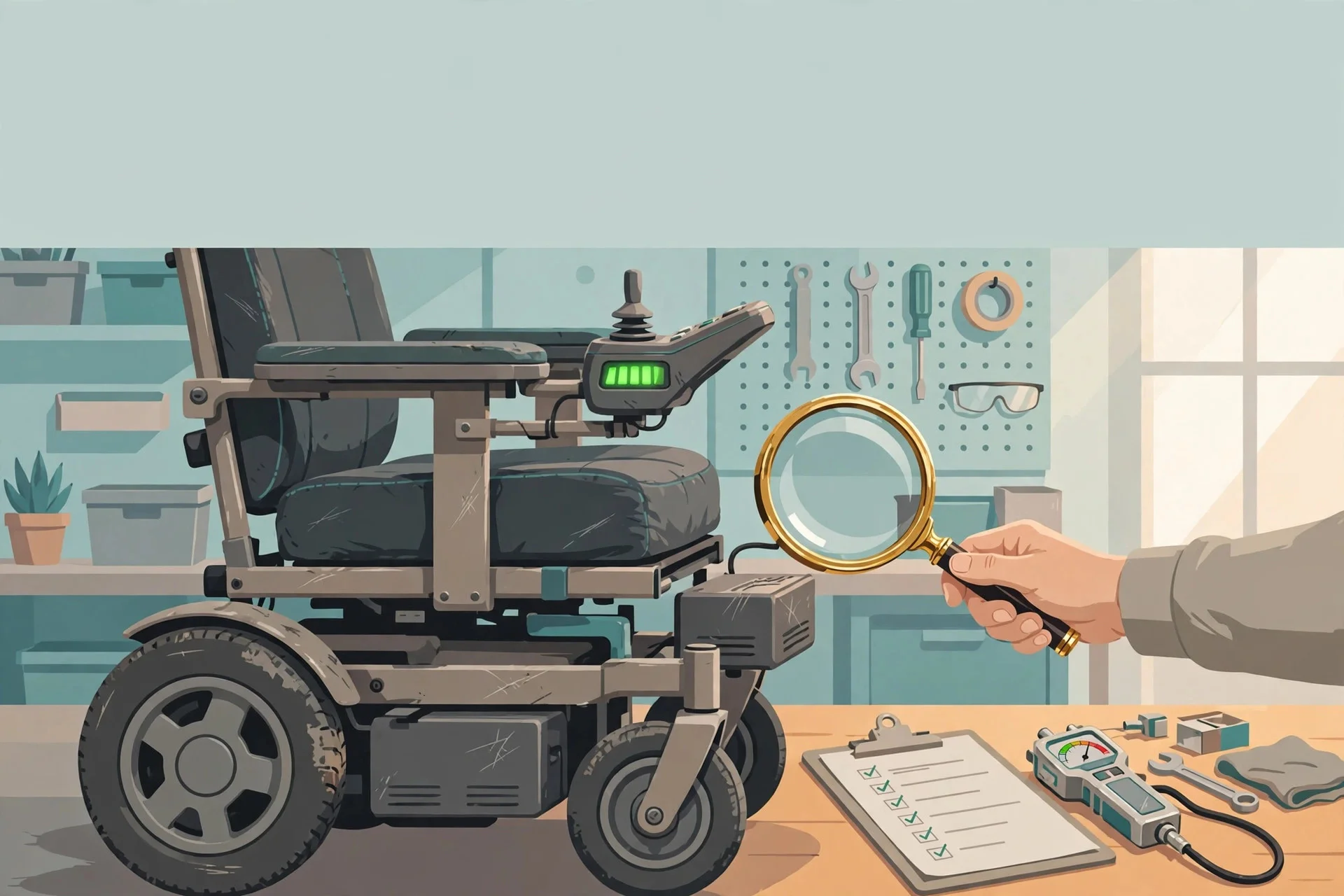
Yes, buying a used power wheelchair can save you real money — but the deal lives or dies on three checks: the battery under load, the controller and joystick in real driving, and the power seating functions. A battery that looks fine parked can fail under load, so the only test that counts is a full-duration test drive.
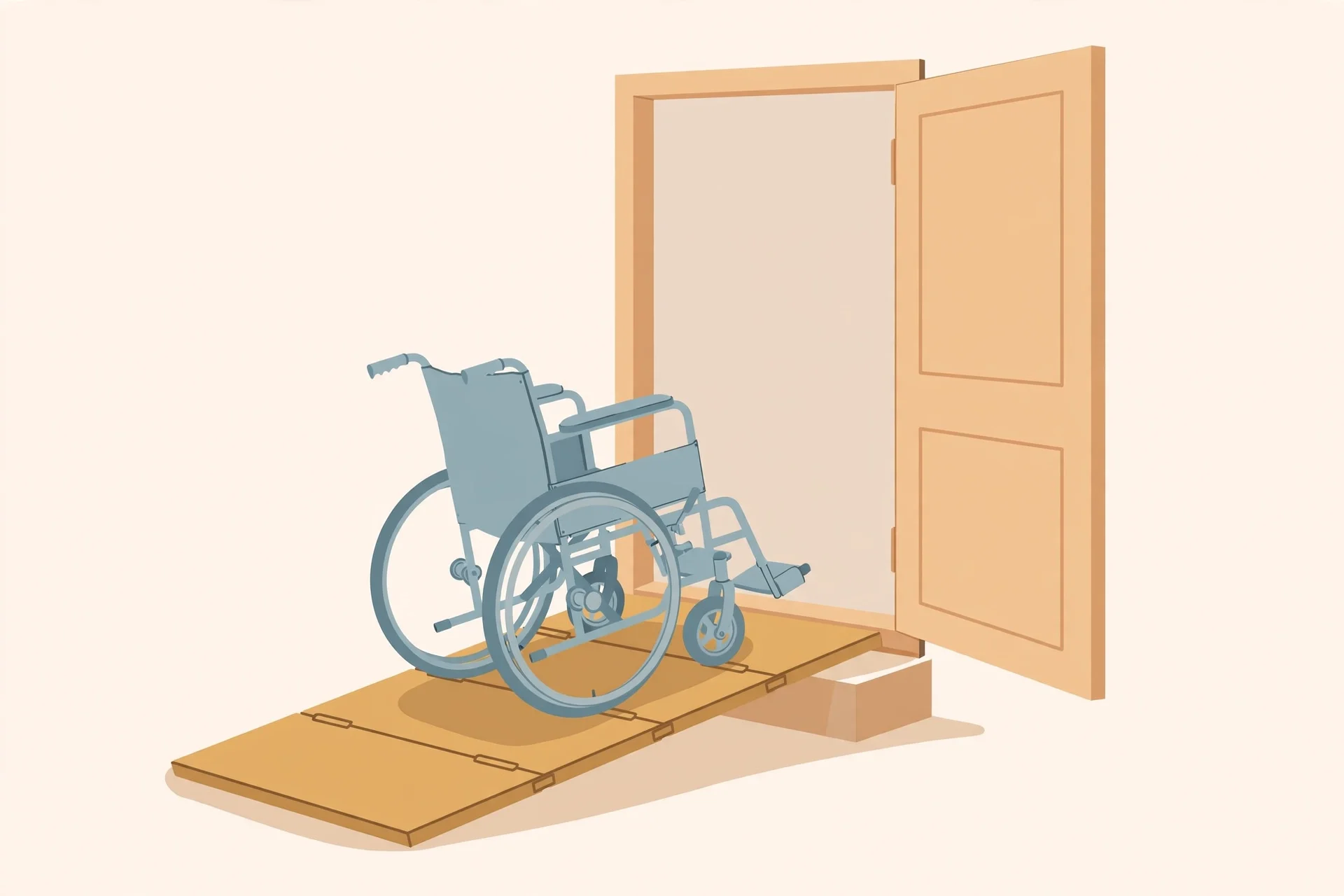
Read the guideThe smallest barriers cause the most daily friction: the lip at your front door, the step into the conservatory, the raised threshold at the patio doors. A portable threshold ramp turns those bumps into a smooth roll-through, with no drilling, no builders, and no permanent change to your home. But thresholds come in different heights and shapes, and a ramp that is perfect for a small door lip will be dangerously steep on a taller step. This guide explains what threshold ramps solve, compares the three main types, shows how to measure your doorway in three steps, and covers the safety limits, including when a portable ramp is not enough and it is time to ask for a proper assessment.
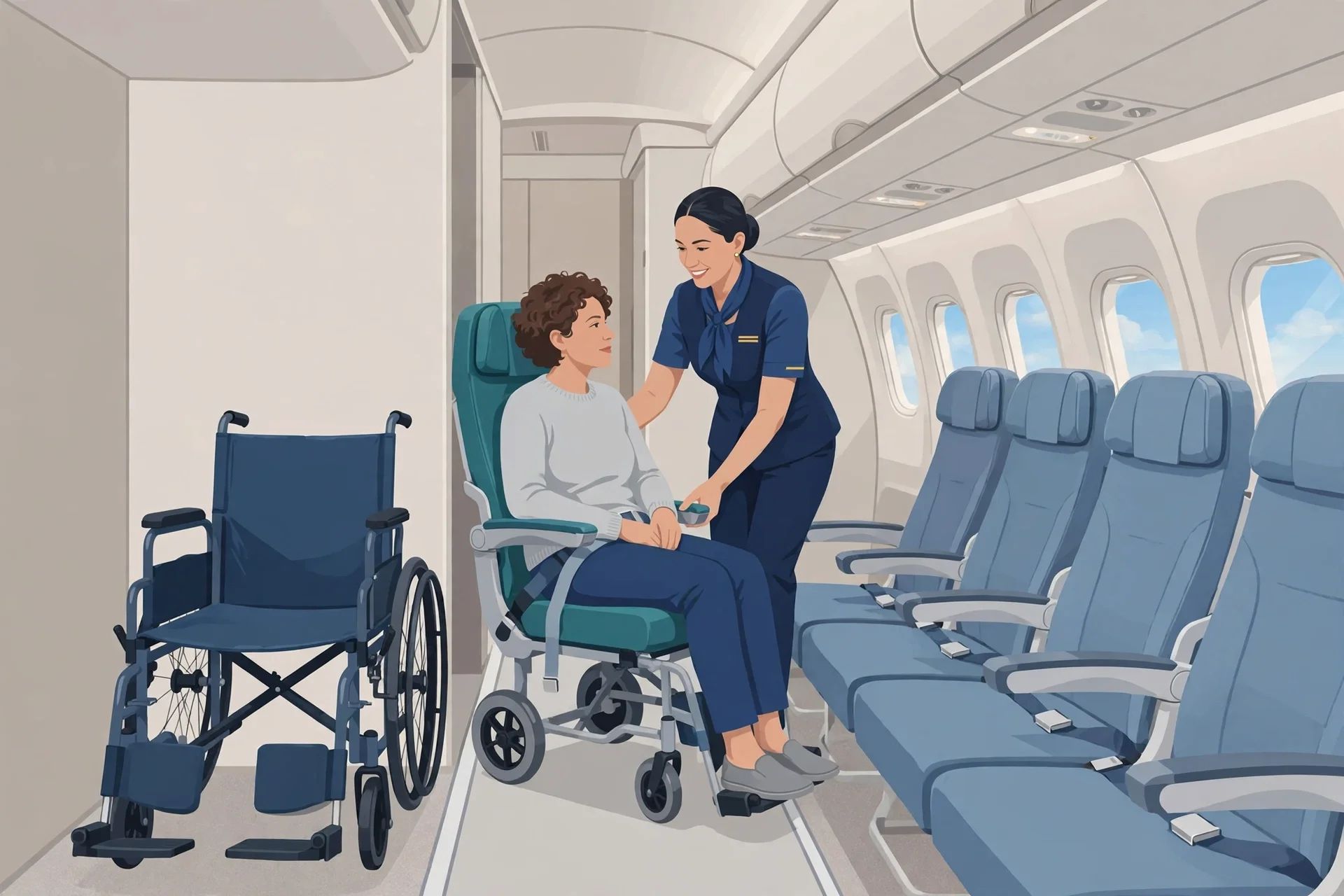
Read the guideAn aisle chair is the narrow wheelchair airlines use to move you between your own wheelchair and your airplane seat, and to the lavatory mid-flight. Request it when you book, confirm it at check-in, and tell the crew exactly how you transfer — here's how the process works on major airlines.
Read the guide